
Table of Contents
Ingrown hair removal by aestheticians involves professional skin assessment, sterile needle extraction, and laser prevention treatments.
Licensed practitioners evaluate severity, check for infections, and treat mild to moderate cases immediately.
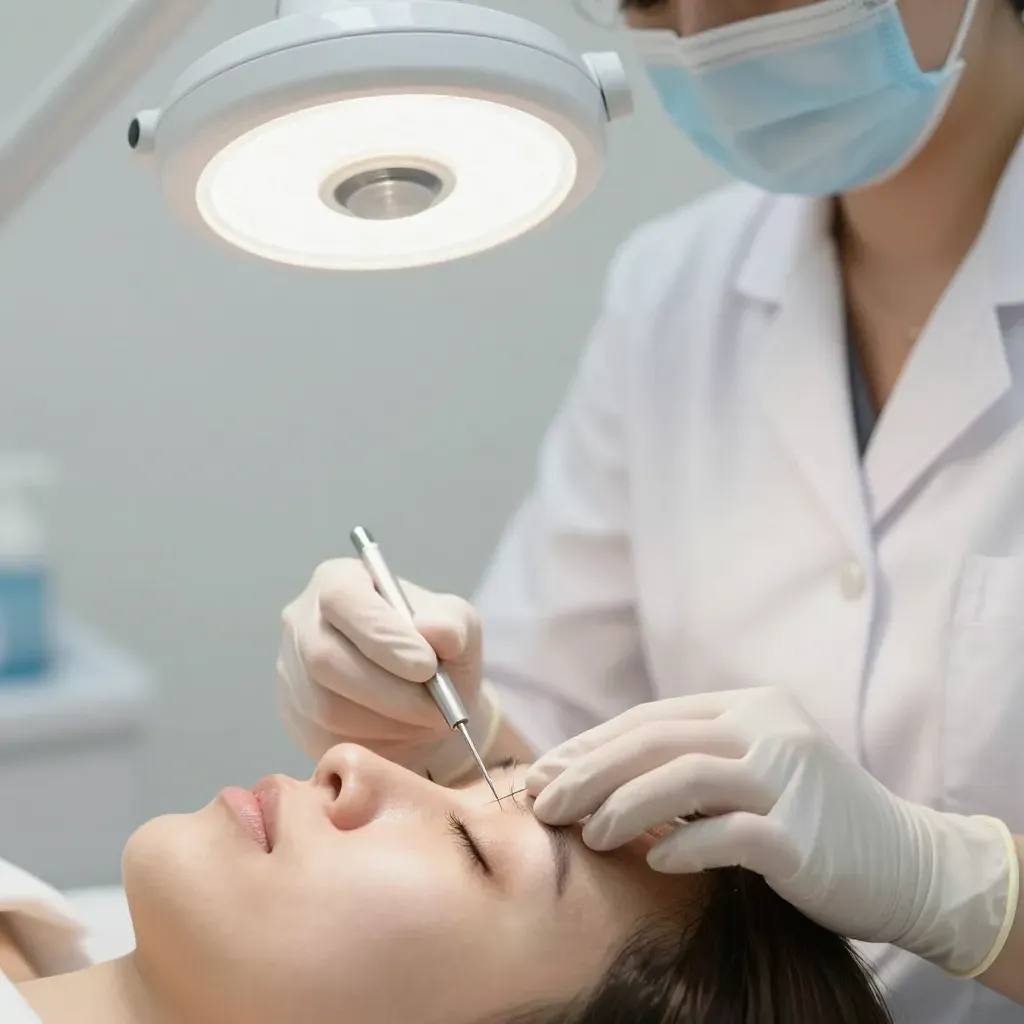
They use sterile single-use needles, magnification loupes, and precise techniques to lift trapped hairs without damaging follicles.
Laser hair removal permanently disables follicles after 6-8 sessions, stopping ingrown hairs from returning.
Post-treatment requires gentle cleansing, moisturizing, sun avoidance, and no picking for 48 hours.
DIY removal only works for single surface hairs; professional care prevents infection, scarring, and hyperpigmentation.
See an aesthetician for multiple hairs, infections, facial areas, or chronic recurring problems.
Professional extraction costs $50-150 per session; laser prevention runs $600-1,500 total but saves money long-term.
Question | Answer |
|---|---|
What do aestheticians do for ingrown hair removal? | They assess skin, extract trapped hairs with sterile needles, and offer laser prevention treatments. |
How does laser treatment prevent future ingrown hairs? | Laser permanently destroys hair follicles so hairs cannot grow back and become ingrown. |
When should you see an aesthetician instead of DIY removal? | See a professional for multiple hairs, infections, facial areas, dark skin tones, or recurring problems. |
What are the main risks of DIY ingrown hair removal? | DIY removal risks staph infections, permanent scarring, hyperpigmentation, and worsening inflammation. |
How many laser sessions are needed for permanent results? | Most clients need 6-8 laser sessions spaced 4-6 weeks apart for permanent hair reduction. |
What aestheticians do for ingrown hair removal
Professional skin assessment
Aestheticians evaluate ingrown hair severity during consultation.
They determine if treatment can proceed immediately.
Active infections require postponement until healed.
Open wounds need closure before any procedure.
Severe inflammation gets medical referral.
Mild to moderate cases receive same-day treatment.
Assessment includes skin type analysis.
They check for hyperpigmentation risks.
Hair growth patterns get examined.
Previous removal methods reviewed.
Clinical extraction procedures
Professionals use sterile needles to lift trapped hair tips.
They never dig under the skin surface.
Technique prevents follicle damage and scarring.
All instruments undergo medical-grade sterilization.
Extraction takes minutes per affected area.
Topical numbing cream reduces discomfort.
Magnification tools ensure precision.
Tweezers remove lifted hair gently.
Antiseptic applied immediately after.
Small areas treated first.
Preventative laser treatments
Laser hair removal stops future ingrown hairs permanently.
Treating follicles with trapped hairs resolves current issues.
Laser targets pigment in hair shafts.
Energy destroys follicle without skin damage.
Multiple sessions provide lasting results.
Consultations customize treatment plans.
Most clients need 6-8 sessions.
Interval spacing 4-6 weeks apart.
All skin types can benefit.
Technology advances make it safer.
Professional Services | Benefits | Time Required |
|---|---|---|
Sterile extraction | Zero infection risk | 15-30 minutes |
Expert technique | No scarring | Single session |
Laser prevention | Permanent reduction | 6-8 sessions |
Aftercare guidance | Prevents recurrence | Ongoing |
Medical referral | Handles severe cases | Case by case |
Post-treatment care protocols
Aestheticians provide specific aftercare instructions.
They recommend gentle exfoliation schedules.
Moisturizing products soothe treated skin.
Clients receive product recommendations.
Follow-up appointments track healing progress.
Avoid sun exposure for 48 hours.
No picking at treated areas.
Wear loose clothing after treatment.
Skip workouts for 24 hours.
Report any unusual reactions.
Professional extraction techniques used in clinics
Sterile needle extraction method
Licensed aestheticians use sterile needles to lift visible ingrown hair tips.
They insert the needle parallel to the skin surface.
Technique involves gentle upward motion to free trapped hair.
Needles never penetrate deeper than the epidermis.
Method prevents follicle rupture and scarring.
Single-use needles eliminate cross-contamination risk.
Procedure works on face, legs, bikini line, and underarms.
Each extraction takes seconds per hair.
Multiple ingrown hairs treated in single session.
Results visible immediately after treatment.
Clinical tools and magnification
10x magnification loupes guide every extraction.
LED surgical lights illuminate treatment area.
Precision tweezers remove lifted hair without pulling.
Tools sterilized in autoclave machines.
Disposable supplies used when possible.
Metal instruments soaked in medical-grade disinfectant.
Ultrasonic cleaners remove microscopic debris.
Tool trays kept sealed until use.
Practitioners wear nitrile gloves throughout.
Work surfaces disinfected between clients.
Comfort and safety protocols
Topical numbing cream applied 15 minutes before extraction.
Skin cleansed with antiseptic wipes first.
Cold compress reduces post-treatment redness.
Clients avoid makeup for 24 hours after facial treatment.
No swimming pools or hot tubs for 48 hours.
Avoid tight clothing on treated areas.
Skip gym workouts until next day.
Report any signs of infection within 24 hours.
Follow-up appointment scheduled if needed.
Practitioners document each extraction site.
Technique Feature | Benefit | Risk Without It |
|---|---|---|
Sterile single-use needles | Zero infection transmission | Staph infection, scarring |
Magnification loupes | Precision extraction | Skin trauma, missed hairs |
Parallel insertion angle | Preserves follicle health | Permanent damage, pits |
Post-extraction antiseptic | Prevents bacterial growth | Redness, swelling |
Professional assessment | Identifies treatable cases | Worsening condition |
Extraction session timeline
Consultation and skin analysis: 10 minutes.
Topical anesthetic application: 15 minutes.
Sterile preparation: 5 minutes.
Actual extractions: 10-20 minutes.
Post-treatment care: 10 minutes.
Total appointment time: 50-60 minutes.
Follow-up scheduled 1-2 weeks later.
Maintenance sessions every 4-6 weeks.
Package pricing available for multiple visits.
Most clients need 3-6 sessions total.
Laser treatments prevent future ingrown hairs
How laser resolves current ingrown hairs
Laser energy penetrates skin surface to reach trapped hairs.
Treatment destroys the follicle preventing regrowth.
Inflammation reduces within 48-72 hours.
Redness decreases noticeably after first session.
Multiple ingrown hairs treated simultaneously.
Works effectively on face, bikini, legs, and underarms.
Safe for all skin types with appropriate laser selection.
Single session shows visible improvement.
Complete clearance requires treatment series.
Results last permanently after full protocol.
Prevention mechanism
Laser disables follicle permanently.
Hair grows thinner and weaker after each session.
Eventually growth stops completely.
No hair means zero ingrown hair risk.
Razor bumps reduce by 90%.
Prevents post-inflammatory hyperpigmentation.
Stops cycle of recurring skin infections.
Saves time spent on daily shaving routines.
Cost-effective solution over five years.
Boosts confidence with smooth skin.
Treatment protocol
Consultation determines skin type and hair characteristics.
Patch test confirms optimal laser settings.
Shave treatment area 24 hours before appointment.
Numbing cream optional for sensitive areas like Brazilian laser hair removal.
Laser pulses target each follicle individually.
Sessions last 15-60 minutes depending on area size.
4-6 week intervals between treatments required.
Most clients need 6-8 sessions for permanent results.
Maintenance visits once or twice yearly after completion.
Avoid sun exposure between sessions.
Body Area | Sessions Needed | Interval | Cost Range |
|---|---|---|---|
Underarms | 6 sessions | 4-6 weeks | $600-$900 |
Bikini line | 6-8 sessions | 4-6 weeks | $800-$1,200 |
Full legs | 8 sessions | 6 weeks | $1,500-$2,500 |
Face (small area) | 6 sessions | 4 weeks | $400-$700 |
Brazilian | 8 sessions | 4-6 weeks | $900-$1,500 |
Results timeline
Week 1: Ingrown hairs begin releasing from skin.
Week 2: Redness and inflammation decrease noticeably.
Week 4: Hair growth slows significantly.
Week 8: Skin texture becomes smoother.
Month 3: 50% reduction in hair density.
Month 6: 70-90% permanent hair reduction achieved.
Month 12: Full results established.
Year 2: Occasional touch-ups if needed.
Year 5: 95% of clients remain hair-free.
Lifetime: No more ingrown hairs.
Key benefits over other methods
Shaving cuts hair at surface creating sharp tips that curl back.
Waxing pulls hair against growth direction causing breakage.
Depilatory creams dissolve hair unevenly leaving fragments.
Laser eliminates entire follicle preventing any regrowth.
Initial cost higher but long-term savings substantial.
Eliminates need for ongoing ingrown hair treatments.
Prevents scar formation and hyperpigmentation.
Works on coarse, curly hair most prone to ingrowing.
Medical supervision ensures safety and efficacy.
Technology advances make treatments comfortable.
Aftercare tips following professional removal
First 24 hours post-treatment
Keep treated area completely clean and dry.
Apply prescribed antiseptic cream twice daily.
Use cold compress for 10 minutes if swelling occurs.
Avoid touching or picking at extraction sites.
Do not apply makeup to treated facial areas.
Skip gym workouts and heavy sweating.
Wear loose cotton clothing only.
Sleep on clean pillowcases.
Change bed sheets before sleeping.
Wash hands before touching treated skin.
Daily care routine for first week
Gentle cleansing with fragrance-free soap twice daily.
Pat skin dry, never rub.
Apply non-comedogenic moisturizer morning and night.
Use sunscreen SPF 30+ on exposed areas.
Begin gentle exfoliation on day 3 post-treatment.
Use chemical exfoliants (salicylic acid) not physical scrubs.
Apply hydrocortisone cream for persistent redness.
Keep area elevated if facial treatment.
Stay hydrated to support skin healing.
Avoid retinoids and active ingredients for 5 days.
Activities to avoid
No swimming pools or hot tubs for 48 hours.
Avoid saunas and steam rooms for one week.
Skip tanning beds and direct sun exposure.
No waxing or plucking in treated area.
Avoid tight clothing that causes friction.
Do not shave over extraction sites for 3 days.
Skip chemical peels until fully healed.
Avoid harsh skincare products.
No self-tanner application for one week.
Do not schedule other facial treatments for 7 days.
Time Period | Allowed Activities | Prohibited Activities |
|---|---|---|
0-24 hours | Gentle cleansing, cold compress | Exercise, makeup, sun exposure |
24-48 hours | Light walking, moisturizer | Swimming, hot tubs, tight clothes |
3-7 days | Gentle exfoliation, normal shower | Shaving, waxing, active skincare |
1-2 weeks | Regular activities resume | Aggressive treatments |
2+ weeks | All normal activities | None |
Long-term maintenance strategy
Schedule follow-up appointment in 2 weeks.
Begin laser hair removal to prevent recurrence.
Exfoliate treated area 2-3 times weekly.
Moisturize daily with gentle products.
Use proper shaving technique if needed.
Replace razor blades every 5-7 uses.
Consider permanent hair reduction for chronic issues.
Book maintenance sessions every 4-6 weeks.
Track skin changes in journal.
Contact clinic if ingrown hairs return.
Warning signs to watch for
Increased redness spreading beyond treated area.
Warmth or heat radiating from skin.
Pus or yellow discharge from extraction sites.
Severe pain not improving after 48 hours.
Fever or general feeling of illness.
Blistering or open wounds forming.
Darkening of skin (hyperpigmentation).
Scar tissue developing.
New ingrown hairs appearing daily.
Itchiness that doesn't subside.
When to see an aesthetician vs DIY
See an aesthetician immediately when
Multiple ingrown hairs cluster in one area.
Recurring problem persists despite home care.
Signs of infection appear: pus, heat, spreading redness.
Facial ingrown hairs risk scarring and hyperpigmentation.
Bikini line ingrown hairs cause severe discomfort.
Dark skin tones prone to post-inflammatory marks.
Previous removal attempts left scars or dark spots.
Deep, painful ingrown hairs you cannot reach.
Uncertain if bump is ingrown hair or something else.
You want permanent prevention through laser treatment.
Safe DIY methods only for
Single visible hair tip at skin surface.
No signs of infection or severe inflammation.
Apply warm compress for 10 minutes first.
Use sterile tweezers cleaned with alcohol.
Gently lift hair tip, never dig underneath.
Stop immediately if pain exceeds mild discomfort.
Wash hands thoroughly before touching area.
Work in bright light with magnifying mirror.
Know your limits and stop when unsure.
Apply antiseptic after successful removal.
Dangers of improper DIY removal
Breaking skin barrier introduces bacteria.
Staph infections require medical antibiotics.
Digging creates permanent scars and pits.
Hyperpigmentation darkens skin for months.
Follicle damage causes permanent hair loss patches.
Spreading infection to multiple follicles.
Keloid formation in susceptible individuals.
MRSA risk from contaminated tools.
Worsening inflammation delays healing.
Home surgery often makes problem worse.
Cost comparison breakdown
Method | Initial Cost | Long-term Cost (5 years) | Success Rate |
|---|---|---|---|
DIY supplies | $5-20 | $500+ (ongoing) | Low |
Aesthetician extraction | $50-150/session | $1,200-3,000 | High |
Laser prevention | $600-1,500 total | $600-1,500 | Permanent |
Medical treatment (infection) | $200-500 | $1,000+ | Treats infection only |
Scar treatment | $500-2,000 | $2,000+ | Variable |
Decision factors
Location: face and bikini need professional care.
Severity: deep or multiple hairs require expert.
Skin type: dark tones risk hyperpigmentation.
History: previous scarring indicates professional need.
Budget: laser saves money long-term.
Time: DIY takes ongoing effort.
Comfort: aesthetician reduces anxiety.
Results: professional methods work faster.
Prevention: laser stops cycle permanently.
Safety: clinics eliminate infection risk.