
Table of Contents
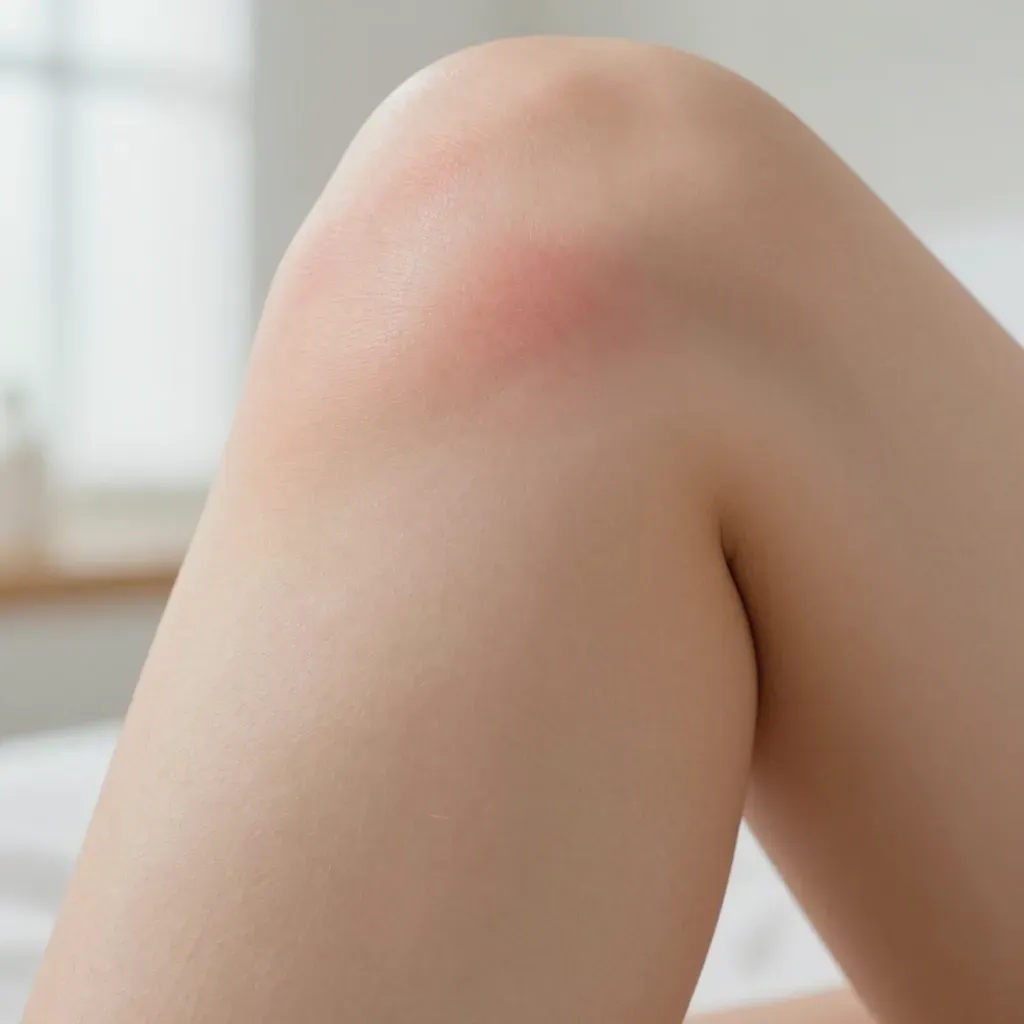
Infected ingrown hairs occur when bacteria traps in blocked follicles causing spreading redness swelling pus heat and sharp pain.
Curly hair shaving and tight clothing raise risk.
Remove safely with washed hands warm compresses sterilized tweezers for visible hairs only and antiseptic.
Never squeeze or dig.
See doctor for fever red streaks severe pain or no improvement after three days.
Prevent by shaving with hair growth using sharp blades exfoliating every other day with salicylic acid wearing loose cotton and moisturizing.
Deep cysts are hard lumps lasting over one week; treat with warm compresses but see doctor if larger than 1cm.
Consistent prevention cuts ingrown hairs by 75%.
Question | Answer |
|---|---|
What causes infected ingrown hairs? | Bacteria trapped in blocked follicles causes infection. |
How do I know if an ingrown hair is infected? | Spreading redness swelling pus heat and sharp pain signal infection. |
What is the safest removal method? | Use warm compresses and sterilized tweezers on visible hairs only then apply antiseptic. |
When should I see a doctor? | Seek medical care for fever red streaks severe pain or no improvement after three days. |
How can I prevent future infections? | Shave with hair growth exfoliate every other day with salicylic acid and wear loose cotton clothing. |
Identify infected ingrown hairs
Infected ingrown hair occurs when blocked follicles trap bacteria.
Visual signs
Redness spreads beyond the bump.
Swelling increases daily.
Pus or yellow fluid appears.
Skin feels hot to touch.
Whitehead forms at center.
Dark spot indicates trapped blood.
Crusting develops around lesion.
Pain indicators
Sharp pain replaces mild irritation.
Throbbing persists without pressure.
Discomfort spreads to surrounding skin.
Touching causes immediate pain.
Movement becomes limited near bump.
Pain worsens at night.
High-risk factors
Curly or coarse hair bends back easily.
Recent shaving or waxing damages follicles.
Tight clothing traps bacteria and sweat.
Skin friction from exercise worsens condition.
Previous scarring creates ingrown patterns.
Infection severity table
Mild | Moderate | Severe |
|---|---|---|
Small red bump | Visible pus | Fever present |
Slight tenderness | Swelling spreads | Red streaks |
No heat | Warm to touch | Severe pain |
When to seek immediate care
Fever develops.
Red streaks appear on skin.
Bump grows larger than a pea.
Pain becomes severe and constant.
Lymph nodes swell nearby.
Infection lasts more than three days.
Multiple bumps cluster together.
Remove bad ingrown hairs safely
Safe removal prevents infection spread and scarring.
Preparation steps
Wash hands thoroughly with antibacterial soap.
Clean the area with warm water and gentle cleanser.
Apply warm compress for 10-15 minutes to soften skin.
Sterilise tweezers and needle with rubbing alcohol.
Pat dry with clean towel.
Safe removal method
Only extract visible hairs at surface level.
Use sterilised needle to lift hair tip gently.
Pull hair out with tweezers in growth direction.
Stop if hair does not release easily.
Apply antiseptic immediately after extraction.
Cover with sterile bandage for 24 hours.
What NOT to do
Never squeeze or pop deep ingrown hairs.
Avoid digging into skin with sharp objects.
Do not reuse unsterilised tools.
Skip removal if pain is severe.
Never force hair that resists extraction.
Avoid shaving over the area immediately after.
Tools needed
Essential | Optional |
|---|---|
Sterilised tweezers | Exfoliating scrub |
Rubbing alcohol | Hydrocortisone cream |
Antiseptic solution | Drawing salve |
Sterile bandages | Witch hazel toner |
Red flags stop removal
Hair remains embedded after three attempts.
Bleeding occurs beyond minor spotting.
Pain intensifies during extraction.
Area shows spreading redness.
Multiple hairs cluster in one spot.
Know when to see a doctor
Medical intervention prevents complications.
Critical warning signs
Fever develops above 100.4°F.
Red streaks appear on skin.
Severe pain prevents daily activities.
Swelling spreads rapidly beyond bump.
Lymph nodes enlarge near infection site.
Bump grows larger than a pea.
Multiple bumps cluster together.
Pus has foul odor.
Infection severity timeline
Timeframe | Symptoms | Action |
|---|---|---|
Day 1-2 | Mild redness, small bump | Home treatment |
Day 3 | Pain persists, no improvement | Monitor closely |
Day 4-5 | Increased swelling, pus | Schedule appointment |
Day 7+ | Severe pain, spreading | Urgent care |
High-risk conditions requiring earlier care
Diabetes or immune system disorders present.
Ingrown hair located on face near eyes or lips.
History of MRSA or recurrent staph infections.
Scarring or keloid formation occurs.
Cyst forms deep under skin surface.
Area becomes hard and immobile.
Recurrent ingrown hairs in same spot.
Medical treatments available
Prescribe topical antibiotic ointments.
Oral antibiotics for deep infections.
Sterile incision and drainage procedure.
Steroid injections reduce inflammation.
Professional extraction with sterile tools.
Laser hair removal prevents recurrence.
Scar treatment and hyperpigmentation therapy.
Appointment preparation checklist
- Note symptoms timeline and duration
- List all attempted home treatments
- Bring current medication and allergy list
- Photograph progression over several days
- Prepare questions about prevention methods
- Know your hair removal history
Prevent severe ingrown hairs
Prevention stops ingrown hairs before they become infected.
Proper hair removal methods
Shave in direction of hair growth.
Use sharp, clean razor blades only.
Replace blades after 3-5 uses.
Apply shaving cream or gel liberally.
Avoid stretching skin taut while shaving.
Consider electric trimmers for sensitive areas.
Switch to depilatory creams for curly hair.
Daily prevention routine
Exfoliate problem areas every other day.
Use chemical exfoliants with salicylic acid.
Apply gentle scrub with soft brush.
Moisturise daily with non-comedogenic lotion.
Use warm compress before hair removal.
Cleanse skin twice daily with mild soap.
Clothing and friction reduction
Wear loose cotton underwear and clothing.
Avoid tight synthetic fabrics.
Change out of sweaty clothes immediately.
Use friction-reducing powders in thigh areas.
Skip tight jeans after shaving bikini line.
Product recommendations
Use | Avoid |
|---|---|
Salicylic acid cleansers | Heavy oils |
Glycolic acid toners | Alcohol-based products |
Tea tree oil (diluted) | Fragranced lotions |
Non-comedogenic moisturiser | Thick body butters |
Exfoliating gloves | Harsh scrubs with beads |
High-risk area care
Bikini area: Use single blade razor.
Underarms: Exfoliate gently, avoid deodorant for 24 hrs.
Face: Use chemical exfoliants only.
Legs: Shave after shower, not before.
Treat deep ingrown cysts
Deep ingrown cysts form when hair grows sideways under skin for weeks creating hard pus-filled lumps.
Cyst identification
Hard lump beneath skin surface.
Pea-sized or larger than normal ingrown hair.
Pus-filled sac with no visible hair tip.
Painful to touch and pressure.
Redness may be minimal or absent.
Persists more than one week without improvement.
Home treatment protocol
Apply warm compress 4 times daily for 15 minutes.
Use drawing salve overnight to promote natural drainage.
Take anti-inflammatory medication for pain and swelling.
Cleanse area twice daily with benzoyl peroxide wash.
Do not squeeze pick or attempt lancing.
Cover with hydrocolloid bandage to protect and draw out fluid.
Medical intervention options
Sterile incision and drainage by dermatologist.
Intralesional corticosteroid injection reduces inflammation.
Oral antibiotics treat bacterial infection.
Professional hair extraction removes trapped follicle.
Laser hair removal prevents future cyst formation.
Surgical excision for chronic recurrent cysts.
Treatment timeline
Days | Home Treatment | Medical Care |
|---|---|---|
1-3 | Compress reduces swelling | Assessment |
4-7 | Cyst may drain naturally | Drainage procedure |
7-14 | Healing phase begins | Recovery period |
14+ | Scar prevention starts | Follow-up treatment |
Critical warning signs
Cyst larger than 1 centimetre in diameter.
Severe pain limits normal movement.
Fever or chills develop.
Rapid size increase over 24-48 hours.
Red streaks appear on surrounding skin.
Recurrent cysts form in same location.
Post-healing prevention
Stop all hair removal for 2-4 weeks minimum.
Use chemical exfoliants containing salicylic acid daily.
Apply retinoid cream nightly to prevent follicle clogging.
Switch to electric trimmer instead of razor.
Consider laser hair removal for permanent solution.
Monitor area for early signs of recurrence.