
Table of Contents
Ingrown hairs form when hair grows sideways into the skin, often caused by shaving, waxing, or dead skin buildup, and can be safely removed at home with sterile tools or treated professionally through laser hair removal for chronic cases. Prevention through proper exfoliation, shaving techniques, and post-care reduces risk, while infected or persistent ingrown hairs require medical attention to avoid complications.
Question | Answer |
|---|---|
What causes ingrown hairs? | Ingrown hairs are caused by hair curling back or growing sideways into the skin, often due to shaving, waxing, dead skin buildup, or tight clothing friction. |
How can I safely remove an ingrown hair at home? | Use sterile tweezers or a needle after cleaning the area and applying a warm compress, gently lifting the hair without digging or forcing it. |
When should I see a doctor for an ingrown hair? | Seek medical help if the area is severely inflamed, shows signs of infection (pus, redness, warmth), or if ingrown hairs are chronic and persistent. |
Understanding what causes ingrown hairs and how they form under the skin
An ingrown hair is a hair that has curled back or grown sideways into the skin.
It does not grow out of the follicle correctly.
This process creates a raised, red bump that may look like a pimple.
The bump can be painful and itchy.
Sometimes, the trapped hair is visible beneath the skin's surface.
Your body reacts to the hair as a foreign intruder, causing inflammation.
Primary Causes
Hair removal is the most common cause of ingrown hairs.
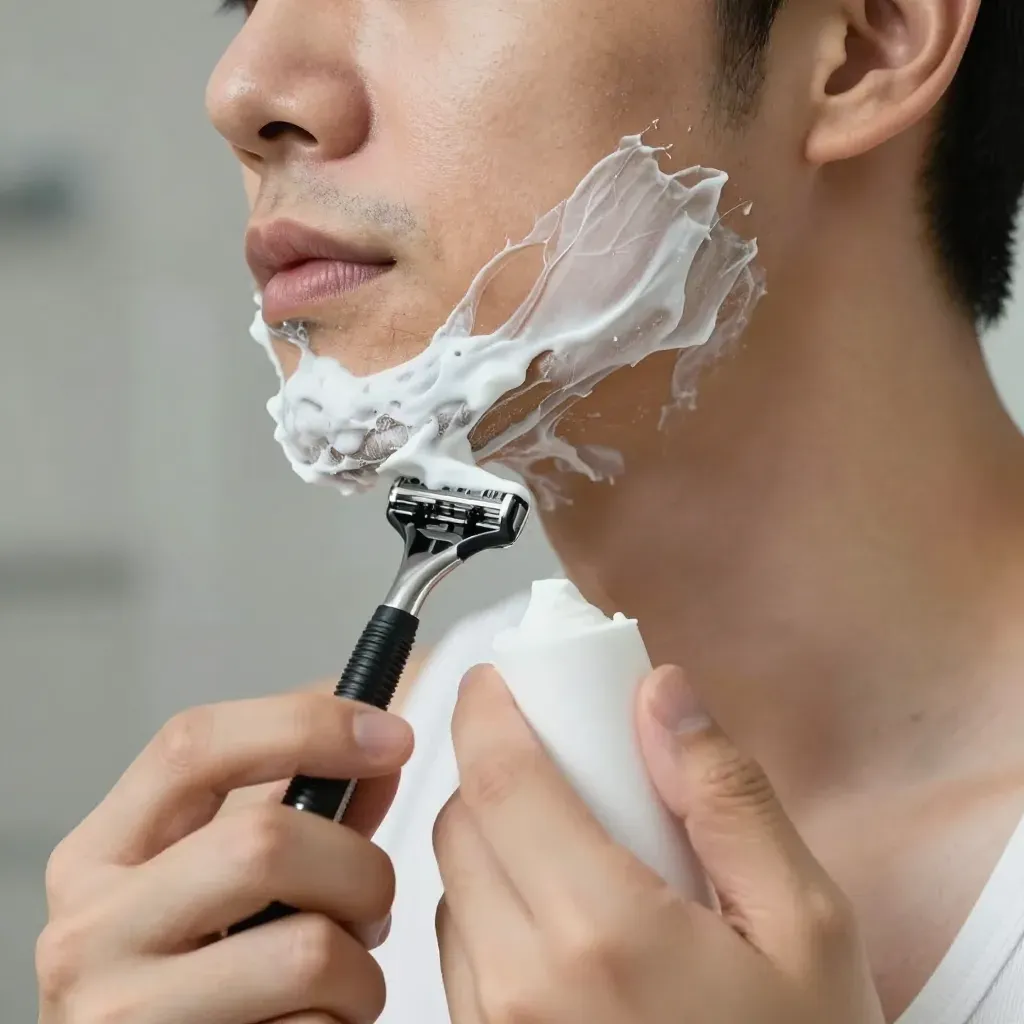
- Shaving: Creates a sharp edge on the hair. This sharp tip can easily pierce the skin and grow back into it.
- Waxing: Can cause hair to break off unevenly below the skin's surface. This makes it easier for the hair to get trapped as it regrows.
- Tweezing: Similar to waxing, it can leave a hair fragment under the skin, leading to an ingrown hair.
How Follicles Get Blocked
A buildup of dead skin cells can clog a hair follicle.
This blockage obstructs the hair's path.
The hair is forced to grow sideways under the skin instead of up and out.
This is a frequent problem for people who do not exfoliate regularly.
Who Is Most at Risk?
Certain factors increase your chances of getting ingrown hairs.
People with thick, coarse, or curly hair are more susceptible.
The natural curl of the hair encourages it to re-enter the skin as it grows.
This condition is very common in the beard area for men and is called pseudofolliculitis barbae.
Dry skin can also contribute, as it makes hair more brittle and likely to break during removal.
Safe at-home removal techniques using sterile tools and proper technique
Only attempt removal on mild, surface-level ingrown hairs with a visible hair loop or tip.
Do not attempt if the area is severely inflamed, infected, or has an open sore.
Essential Preparation
- Wash hands and the affected area with antibacterial soap.
- Sterilize your tool: a fine-tipped tweezer or a sterile needle/pin. Wipe with rubbing alcohol.
- Apply a warm compress for 5 minutes to soften skin and open the follicle.
Step-by-Step Removal Technique
The goal is to gently free the hair, not dig it out.
- Using a needle: Gently slide the tip under the hair loop or exposed tip. Lift the hair straight up and out. Do not stab or dig deeply.
- Using tweezers: Grasp the very tip of the hair as close to the skin as possible. Pull in the direction of hair growth with steady, gentle pressure.
- If the hair breaks or resists, stop. Forcing it causes more trauma. Treat the area and wait for it to heal.
Immediate Aftercare
- Apply an antiseptic like witch hazel or diluted tea tree oil to prevent infection.
- Do not apply heavy creams or ointments that can clog the freshly opened pore.
- Avoid tight clothing and friction on the area for 24-48 hours.
When to Stop and Seek Help
Stop Immediately If: | See a Doctor If: |
|---|---|
|
|
Professional treatments like laser hair removal for chronic ingrown hairs
For people with recurring, painful ingrown hairs, professional treatments offer a long-term solution.
Laser hair removal is the most effective option for preventing future ingrown hairs.
How Laser Hair Removal Works
Laser treatment targets the pigment in hair follicles.
The laser energy destroys the follicle, preventing hair from growing back.
Without hair, there is no chance for it to become ingrown.
Treatment is effective on almost all body areas, including the face, legs, bikini line, and underarms.
Benefits for Ingrown Hair Sufferers
- Reduces frequency: Significantly decreases the number of hairs that can become trapped.
- Prevents recurrence: Offers a long-term solution, not just temporary relief.
- Improves skin texture: Eliminates the bumps and discoloration caused by chronic ingrown hairs.
- Suitable for active ingrown hairs: Mild to moderate ingrown hairs do not prevent treatment; the laser can help resolve them.
Other Professional Options
Several other in-office treatments can help manage ingrown hairs.
- Chemical peels: Exfoliate the top layers of skin, removing dead cells that clog follicles.
- Prescription creams: Retinoids or topical steroids can reduce inflammation and promote cell turnover.
- Manual extraction: A dermatologist can safely remove deep or infected ingrown hairs using sterile instruments.
Cost and Commitment
Treatment | Cost Range (per session) | Sessions Needed |
|---|---|---|
Laser Hair Removal | $100 - $500 | 6-8 sessions |
Chemical Peel | $100 - $300 | Every 4-6 weeks |
Prescription Creams | $30 - $150 (monthly) | Ongoing |
Results from laser hair removal are not immediate. Hair falls out over the weeks following treatment.
Most people need multiple sessions for optimal results.
Prevention strategies including exfoliation and proper shaving methods
Prevention is the most effective approach to dealing with ingrown hairs.
Consistent habits can keep your skin smooth and free of trapped hairs.
Exfoliation Techniques
Regular exfoliation removes dead skin cells that block hair follicles.
This allows hairs to grow up and out without obstruction.
- Physical exfoliation: Use a gentle scrub or loofah 2-3 times per week. Focus on areas prone to ingrown hairs like legs, bikini line, and underarms.
- Chemical exfoliation: Products containing salicylic acid or glycolic acid dissolve dead skin cells. Apply these daily for best results.
- Timing matters: Exfoliate before hair removal, not immediately after. Freshly shaved or waxed skin needs time to recover.
Proper Shaving Methods
Shaving technique is the biggest factor in preventing ingrown hairs.
Do This | Avoid This |
|---|---|
|
|
Post-Removal Care
What you do after hair removal matters as much as the removal itself.
- Apply a gentle, alcohol-free moisturizer to soothe the skin.
- Avoid tight clothing that causes friction on freshly treated areas.
- Skip swimming pools, hot tubs, and intense workouts for 24 hours.
- Do not touch or pick at the skin for several hours.
Long-Term Prevention Habits
Hydration plays a crucial role in preventing ingrown hairs.
Well-hydrated skin produces more flexible hair that is less likely to break and re-enter the follicle.
Drink plenty of water and use a quality moisturizer daily.
For chronic sufferers, consider permanent hair reduction methods to eliminate the problem at its source.
When to seek medical help for infected or persistent ingrown hairs
Most ingrown hairs resolve on their own or with simple home care.
However, some situations require professional medical intervention.
Signs of Infection
An infected ingrown hair needs medical treatment.
Do not attempt to squeeze or drain an infection yourself.
- Increasing redness: The red area spreads beyond the immediate bump.
- Warmth: The area feels hot to the touch.
- Pus: Thick yellow or green discharge indicates infection.
- Pain: Severe or worsening pain that does not improve.
- Fever: Elevated body temperature accompanying skin infection.
When Ingrown Hairs Become Persistent
You should see a doctor if you experience the following:
- Recurring ingrown hairs in the same area despite prevention efforts.
- Multiple ingrown hairs appearing at the same time.
- Scarring or darkening of the skin from previous ingrown hairs.
- Hair that remains trapped deep under the skin with no visible tip.
What a Doctor Can Do
Medical professionals have several options for treating problematic ingrown hairs.
Treatment | Description |
|---|---|
Prescription medications | Topical retinoids, corticosteroids, or antibiotics to reduce inflammation and infection. |
Professional extraction | Safe removal of deeply embedded hairs using sterile instruments. |
Laser hair removal | Permanent reduction of hair in problem areas. |
Chemical peels | Exfoliation treatment to prevent future blockages. |
Warning Signs Requiring Immediate Care
Seek urgent medical attention if you notice any of the following:
- Red streaks extending from the infected area (possible blood infection).
- Rapidly spreading swelling or redness.
- Severe pain that interferes with daily activities.
- Fever above 101°F (38.3°C).
Early intervention prevents complications and reduces the risk of scarring.