
Table of Contents
Sharp pointed tweezers and daily exfoliation prevent and remove ingrown hairs most effectively.
Ultra-fine tipped tweezers lift trapped hairs without digging when sterilized properly.
Exfoliating brushes reduce ingrown hairs by 80% through dead skin removal.
Laser hair removal delivers permanent prevention after 6-8 professional sessions.
Never dig under skin or use needles due to infection and scarring risks.
Proper sterilization with alcohol and professional extraction for deep ingrowns prevents complications.
Question | Answer |
|---|---|
What is the best tool for removing ingrown hairs? | Sharp pointed tweezers lift trapped hairs without digging. |
How often should I exfoliate to prevent ingrowns? | Exfoliate daily with firm brushes to cut ingrowns by 80%. |
Can laser removal stop ingrown hairs permanently? | Laser prevents ingrowns permanently after 6-8 sessions. |
What is the main safety rule when extracting ingrowns? | Never dig under skin or use needles to avoid infection. |
When should I see a professional? | See professionals for deep ingrowns or infection signs. |
Best ingrown hair removal tools combine tweezers and exfoliation
Sharp tweezers lift trapped hairs
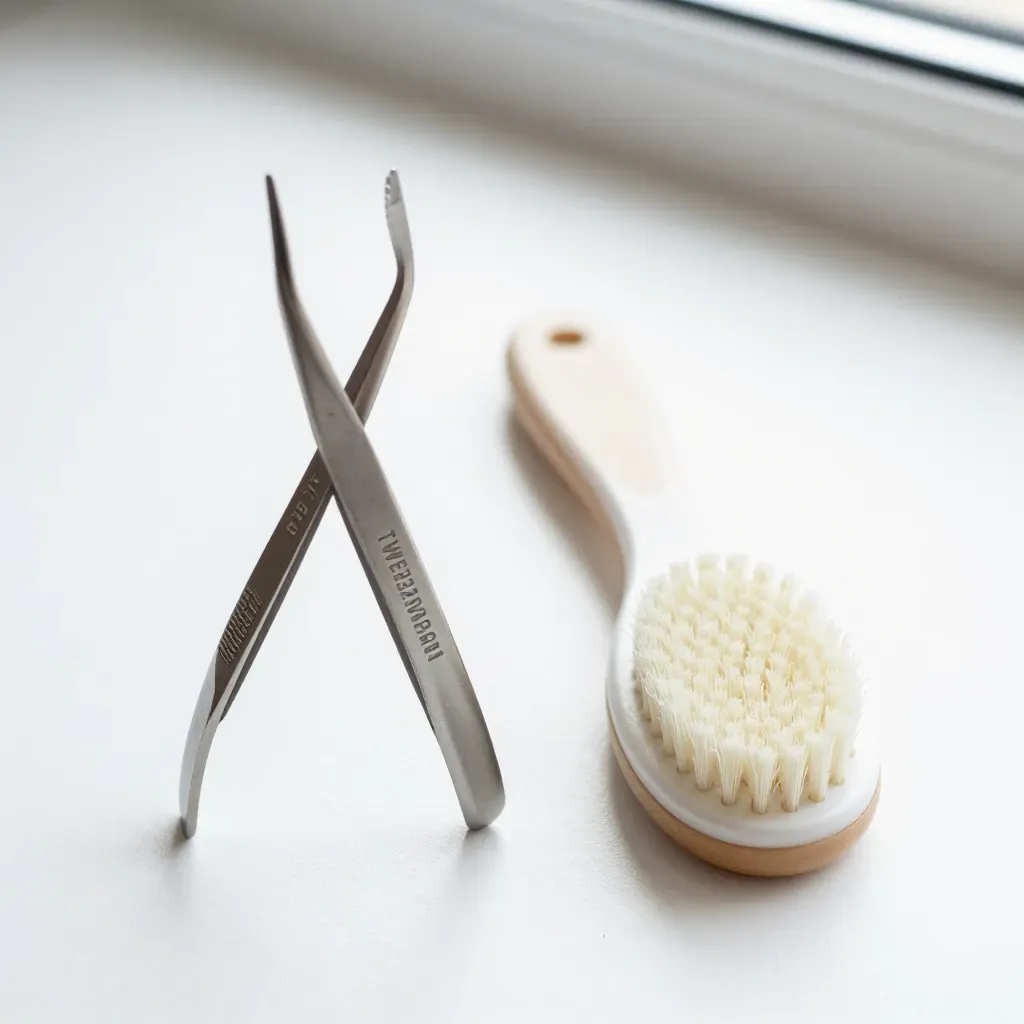
Ultra-sharp pointed tweezers grab ingrown hair tips without digging. Tweezerman Stainless Steel Ingrown Hair Splintertweeze sets the standard. Elongated fine points remove embedded hairs with minimal skin damage. Sterilize with alcohol before each use. Stainless steel construction prevents rust. Avoid slanted tips—they lack precision for this task. Matte finish improves grip during extraction.
Exfoliating brushes prevent formation
Exfoliating brushes clear dead skin cells that trap growing hairs. Firm bristle brushes work best for legs and bikini line. Smaller facial brushes treat chin and neck areas. Daily use reduces ingrown hairs by up to 80%. Dry brush before showering in circular motions for 30 seconds per area. Replace brushes every 3 months when bristles soften and lose effectiveness.
Tool combinations deliver best results
Exfoliate first to expose trapped hairs. Then use tweezers to lift and remove. This two-step process treats existing ingrowns while preventing new ones. Dermatologists recommend this combination approach. Regular use makes tweezing easier and reduces overall hair removal frequency.
Tool Type | Best For | Key Feature | Price Range | Usage Frequency |
|---|---|---|---|---|
Sharp Pointed Tweezers | Individual ingrown hairs | Ultra-fine tips | $15-30 | As needed |
Exfoliating Body Brush | Prevention on legs, arms | Firm bristles | $8-20 | Daily |
Ingrown Hair Serum | Post-removal treatment | Salicylic acid | $12-40 | Daily |
Silicone Scrubber | Sensitive skin areas | Gentle exfoliation | $5-15 | Daily |
- Always sterilize tools before use with rubbing alcohol
- Exfoliate daily on problem areas before showering
- Never squeeze or pop ingrown hairs—spreads bacteria
- Apply antibiotic ointment after removal
- Store tweezers in dry place to maintain sharpness
- Use 10x magnifying mirror for precision work
Sharp pointed tweezers lift ingrown hairs with minimal skin damage
Precision tips grab hair without digging
Sharp pointed tweezers work like surgical instruments. Fine tips slide under hair loops without cutting skin. Tweezerman Splintertweeze uses elongated points that reach deep-set ingrowns. Stainless steel construction maintains sharpness. Pointed tips require steady hands but deliver clean extractions. Slanted tweezers push skin down, forcing deeper digging. Pointed design lifts hair tips with minimal pressure. This reduces trauma and speeds healing.
Technique matters more than tool quality
Cleanse area with warm water first. Pat dry completely. Hold skin taut with one hand. Position tweezers parallel to skin surface. Slide tip under hair loop gently. Lift upward, never sideways. Pull hair out following growth direction. Apply pressure with sterile gauze if bleeding occurs. Never dig or puncture skin. Deep ingrowns need professional extraction. Forceful removal causes scarring and dark spots.
Sterilization stops infection spread
Wash tweezers in hot soapy water. Soak in 70% isopropyl alcohol for 10 minutes. Air dry on clean towel. Store in sealed container. Sterilize before and after each use. Shared tools spread staph bacteria. Replace tweezers annually when tips dull. Dull tips require more force and damage skin.
Tweezer Type | Precision Level | Skin Damage Risk | Best Use Case | Learning Curve |
|---|---|---|---|---|
Sharp Pointed | Very High | Low (with proper technique) | Deep ingrown hairs | Moderate |
Slanted Tip | Low | High | Brow shaping | Easy |
Flat Tip | Medium | Medium | Coarse hairs | Easy |
Curved Tip | Medium | Medium | Surface hairs | Easy |
- Inspect tweezers under bright light before use
- Never use on active acne or infected areas
- Stop if you cannot see hair tip clearly
- Apply cold compress after removal to reduce swelling
- Clean area with salicylic acid daily to prevent recurrence
- Consider professional extraction for chronic ingrowns
Exfoliating brushes clear dead skin cells before hairs become trapped
Physical brushes remove surface debris
Firm bristle brushes sweep away dead skin cells that block hair growth. Daily use cuts ingrown hairs by 80%. Natural boar bristles work best for body areas. Synthetic bristles suit sensitive skin. Brush legs, bikini line, and arms before showering. Use circular motions for 30 seconds per area. Apply light pressure—over-scrubbing damages skin. Dry brushing increases circulation and preps skin for hair removal. Wet brushing with body wash works for beginners. Replace brushes every 3 months when bristles soften. Soft bristles lose effectiveness and harbor bacteria.
Silicone options for sensitive skin
Silicone scrubbers exfoliate without irritation. Flexible nodules massage skin gently. Perfect for face, neck, and intimate areas. Non-porous material resists bacterial growth. Easy to clean with soap and water. Lasts 6-12 months with proper care. Works with any cleanser. Gentle enough for daily use on delicate skin. Reduces redness and inflammation. Prevents post-inflammatory hyperpigmentation common in darker skin tones.
Technique determines results
Exfoliate before hair removal, not after. Removes dead skin barrier that traps hairs. Wait 24 hours after shaving to exfoliate. Prevents irritation on freshly shaved skin. Focus on problem areas where hairs grow thick. Inner thighs, bikini line, and beard area need extra attention. Stop if skin becomes raw or stings. Over-exfoliation compromises skin barrier. Moisturize immediately after exfoliating. Locks in hydration and soothes skin.
Brush Type | Best For | Pressure Level | Lifespan | Price Range |
|---|---|---|---|---|
Natural Bristle Body Brush | Legs, arms, back | Medium-Firm | 3 months | $10-25 |
Silicone Face Scrubber | Face, neck, intimate areas | Gentle | 6-12 months | $5-15 |
Synthetic Bristle Brush | Sensitive skin | Light-Medium | 3 months | $8-20 |
Exfoliating Glove | Full body, travel | User-controlled | 2-3 months | $3-10 |
- Dry brush before morning shower for best results
- Clean brush weekly with soap and hot water
- Never share brushes between family members
- Store brushes in dry area to prevent mold
- Stop exfoliating if skin shows signs of irritation
- Combine with salicylic acid serum for stubborn areas
Laser hair removal prevents ingrown hairs permanently after several sessions
Laser destroys hair follicles at the root
Laser hair removal targets pigment in hair follicles with concentrated light.
Heat destroys follicle's ability to produce hair.
This stops ingrown hairs at the source.
No hair growth means no trapped hairs growing sideways.
Works best on dark hair against light skin.
Newer lasers treat darker skin tones safely.
Targets entire follicle, not just surface hair.
Results build over multiple sessions
Most people see dramatic reduction after 2-3 sessions.
Full series requires 6-8 treatments spaced 4-6 weeks apart.
Delivers 70-90% permanent hair reduction.
Remaining hairs grow finer and lighter.
Maintenance sessions every 6-12 months for hormonal conditions.
Each session takes 15-60 minutes depending on area.
Face and bikini respond fastest.
Legs require more sessions due to hair density.
Professional vs at-home devices
Professional lasers use higher energy for faster results.
Costs $200-500 per session for large areas.
At-home devices cost $200-500 total for unlimited use.
Professional treatments work better for coarse hair.
At-home devices require more sessions but cost less long-term.
FDA-cleared devices like Ulike and Braun Silk Expert show results in 8-12 weeks.
Both options reduce ingrown hairs significantly.
Method | Ingrown Prevention | Permanence | Cost | Time Investment |
|---|---|---|---|---|
Professional Laser | Excellent | 70-90% | $1200-4000 total | 6-8 sessions |
At-Home Laser | Very Good | 60-80% | $200-500 total | 12+ sessions |
Waxing | Poor | 0% | $50-100 per session | Ongoing monthly |
Shaving | Very Poor | 0% | $5-20 per month | Daily/weekly |
- Works on face, bikini, legs, underarms, chest
- Not effective on blonde, gray, or red hair
- Requires shaving between sessions, not waxing
- May cause temporary redness or swelling
- Avoid sun exposure before and after treatment
- Consult dermatologist for skin type assessment
Sterilize all tools and never dig under skin to avoid infection
Proper sterilization kills bacteria before it enters skin
Wash tools in hot soapy water first. Soak in 70% isopropyl alcohol for 10 minutes. Air dry on clean paper towel. Never use rubbing alcohol that is less than 70% concentration. Lower concentrations do not kill staph bacteria effectively. Boil metal tools for 10 minutes as alternative method. Store sterilized tools in sealed plastic bag. Re-sterilize before each use. Shared tools spread infection between family members. Replace tools every 12 months when tips dull. Dull tips require more force and create larger skin openings.
Digging under skin causes serious complications
Never puncture skin to reach embedded hairs. Needles push bacteria deeper into dermis. Creates wounds that heal with dark scars. Digging triggers post-inflammatory hyperpigmentation. This causes brown spots that last months. Breaking skin barrier invites staph infection. Infected ingrowns require oral antibiotics. Severe cases need surgical drainage. Forceful extraction damages hair follicle permanently. This creates scar tissue that traps future hairs. Let visible loops surface naturally. Use warm compresses to speed process. Dermatologists use sterile scalpels for deep ingrowns. Home digging causes more harm than good.
Recognize infection signs early
Redness spreading beyond bump indicates infection. Increasing pain after 24 hours signals problem. Yellow pus or crust forms. Fever means infection spreads systemically. Swollen lymph nodes near area require immediate care. Stop all home treatment if these appear. See doctor for prescription treatment. Oral antibiotics clear most infections in 7-10 days. Untreated infections spread to bloodstream. This causes serious health complications.
Safe Practice | Risky Practice | Infection Risk | Scarring Risk | Healing Time |
|---|---|---|---|---|
Sterile tweezers lift visible hair | Needle puncture under skin | Low | Minimal | 1-2 days |
Alcohol sterilization | Rinse with water only | High | Moderate | 5-7 days |
Warm compresses | Squeezing and popping | Very High | High | 2-4 weeks |
Professional extraction | Home surgery | Minimal | Low | 3-5 days |
- Never share tweezers or tools with anyone
- Throw away tools that fall on floor
- Stop if bleeding lasts more than 2 minutes
- Do not treat ingrowns in active acne zones
- Apply antibiotic ointment immediately after removal
- Cover with bandage if friction occurs from clothing
- Wait 48 hours after shaving before any extraction
- See professional for ingrowns deeper than 2mm