
Table of Contents
Ingrown hairs grow sideways into skin from shaving, waxing, or tight clothing.
Curly hair types experience them most.
Symptoms include red bumps, pain, and pus within days.
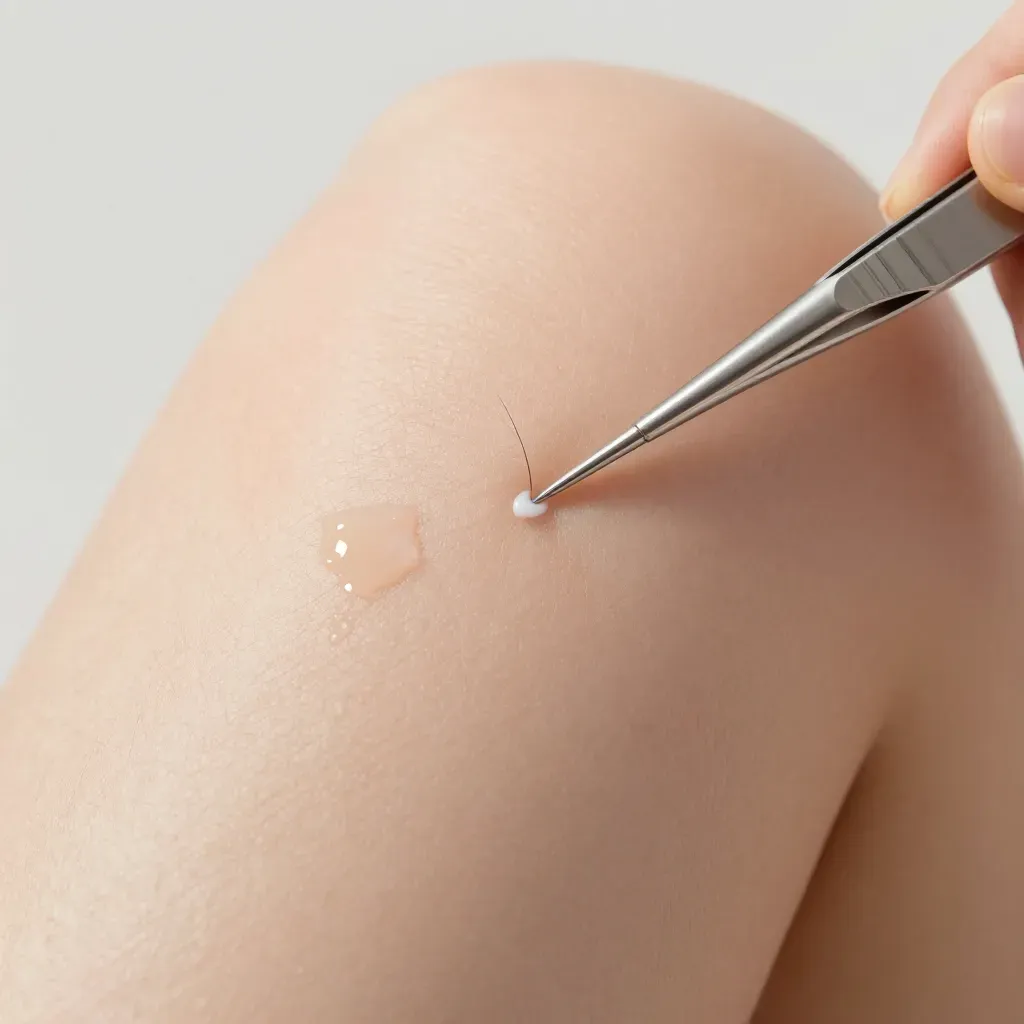
Remove safely using sterile tweezers after warm compresses.
Disinfect tools and skin first.
Apply antibiotic ointment after extraction.
Avoid swimming, tight clothes, and sweat for 24 hours.
Prevent future ingrowns by exfoliating 2-3 times weekly with scrubs or acids.
Time exfoliation 24 hours before hair removal.
Seek medical care for spreading redness, red streaks, fever, or persistent bumps.
People with diabetes or weak immunity need immediate attention.
Chronic cases benefit from laser hair removal.
Question | Answer |
|---|---|
What causes ingrown hairs? | Shaving, waxing, tight clothing, and clogged pores force hair to grow sideways. |
How do I safely remove one? | Use warm compresses then lift hair with sterile needle and tweezers. |
How can I prevent them? | Exfoliate 2-3 times weekly before hair removal. |
When should I see a doctor? | See a doctor for spreading redness, fever, or pus. |
What are infection signs? | Red streaks, warmth, yellow pus, or fever signal infection. |
Identify what causes ingrown hairs and their symptoms
Primary Causes
Ingrown hairs occur when hair grows sideways into skin instead of upward. Shaving too close creates sharp tips that pierce follicle walls. Waxing and plucking leave broken fragments beneath surface. Tight clothing presses against skin, forcing hairs back inward. Curly hair types experience higher rates due to natural curl pattern. Dead skin cells clog pores and block normal growth. Friction from athletic gear and synthetic fabrics worsens the problem. Improper exfoliation allows debris to accumulate around follicles. Men often get them on beard area and neck. Women commonly experience them on bikini line, legs, and underarms.
Symptoms Checklist
Sign | What to Look For | Timing |
|---|---|---|
Red bumps | Small inflamed lesions, often itchy | 1-3 days post-removal |
Pain | Tenderness when touched | Immediate |
Pustules | White/yellow center indicates infection | 2-5 days |
Visible hair | Dark loop under skin surface | 3-7 days |
Dark spots | Post-inflammatory hyperpigmentation | Weeks after healing |
Use sterile tools to extract ingrown hairs safely
Required Tools
Tool | Purpose | Sterilization Method |
|---|---|---|
Sharp-tipped tweezers | Grasp and pull hair | Alcohol wipe, 60 seconds |
Sterile needle or lancet | Lift hair from skin | Flame then alcohol, or autoclave |
Rubbing alcohol | Disinfect tools and skin | 70% isopropyl |
Cotton pads | Apply products | Use single-use only |
Step-by-Step Process
- Wash hands with antibacterial soap for 30 seconds
- Apply warm compress for 3-5 minutes to soften skin
- Disinfect ingrown area with alcohol swab
- Insert sterile needle parallel to skin to gently lift hair loop
- Grasp exposed hair with tweezers, pull in growth direction
- Apply antibiotic ointment immediately after extraction
- Cover with clean bandage if area is irritated
What to Avoid
- Using non-sterile household items
- Extracting before warm compress preparation
- Pulling against hair growth direction
- Touching area with unwashed fingers
- Applying makeup or shaving immediately after
Apply proper aftercare to prevent infection
Immediate Care Steps
- Rinse area with sterile saline or gentle cleanser
- Pat dry with clean tissue, never rub
- Apply thin layer of antibiotic ointment within 5 minutes
- Cover with breathable bandage if clothing will touch area
- Wash hands thoroughly before touching treated spot
Recommended Products
Product | Benefit | Application Frequency |
|---|---|---|
Neosporin | Kills bacteria | 2-3 times daily for 3 days |
1% Hydrocortisone | Reduces swelling | Once daily, max 5 days |
Tea tree oil (diluted) | Natural antiseptic | 2 times daily |
Aloe vera gel | Soothes irritation | As needed for comfort |
24-Hour Restrictions
- No swimming pools, hot tubs, or baths
- Avoid tight clothing that creates friction
- Skip workouts that cause heavy sweating
- Do not apply makeup or deodorant over area
- Keep site dry except when cleaning
Exfoliate regularly to prevent future ingrown hairs
Exfoliation Methods
Two types prevent ingrowns: physical scrubs and chemical acids. Physical scrubs manually remove dead skin cells with granules or brushes. Chemical exfoliants dissolve debris that blocks hair growth using acids. Use both types on alternating days for best results.
Product Selection by Skin Type
Skin Type | Physical Option | Chemical Option | Frequency |
|---|---|---|---|
Normal | Sugar scrub | Glycolic acid 5% | 3x weekly |
Sensitive | Soft cloth | Lactic acid 2% | 2x weekly |
Oily | Salicylic scrub | Salicylic acid 2% | Daily |
Dry | Oatmeal scrub | Mandelic acid 5% | 2x weekly |
Dark skin | Soft cloth only | PHA 5% | 2x weekly |
Correct Technique
- Exfoliate 24 hours before hair removal, never immediately after
- Use gentle circular motions for 30 seconds maximum
- Apply light pressure, especially on sensitive areas
- Focus on bikini line, beard area, and lower legs
- Rinse with lukewarm water
- Moisturize within 3 minutes
Timing Schedule
When | What to Do | Why |
|---|---|---|
24 hrs pre-shave | Gentle exfoliation | Lifts trapped hairs |
48-72 hrs post-removal | Avoid exfoliation | Prevents irritation |
Weekly maintenance | 2-3 sessions | Stops buildup |
Before waxing | 48 hrs prior | Reduces breakage |
Common Mistakes
- Scrubbing too hard creates micro-tears
- Exfoliating on same day as hair removal
- Using body scrubs on face
- Skipping moisturizer after
- Continuing when skin shows irritation
Know when to seek medical treatment
Red Flag Symptoms
Spreading redness, warmth, severe pain, or red streaks from bump require immediate medical care. Yellow-green pus, foul odor, or fever above 100.4°F signal serious infection. Ingrown hairs larger than a pea or growing rapidly need doctor evaluation.
Symptom | Action |
|---|---|
Mild redness | Continue home care |
Painful swelling | See doctor |
Red streaks | Urgent care |
Fever | Same-day appointment |
Bump persists 2+ weeks | Schedule visit |
High-Risk Conditions
People with diabetes, HIV, cancer treatment, or immunosuppressive drugs must see doctors at first sign of ingrown hair. Poor circulation and blood disorders increase complication risks. Blood thinner users need medical assessment for any bleeding.
Medical Treatment Options
Procedure | Purpose | Timeline |
|---|---|---|
Incision and drainage | Remove pus and hair | 3-5 day recovery |
Oral antibiotics | Treat infection | 7-10 day course |
Steroid injection | Reduce inflammation | 24-48 hour relief |
Laser hair removal | Permanent prevention | 6-8 sessions |
Retinoid cream | Prevent blockages | Daily use |
When to Stop Home Treatment
- Three failed extraction attempts
- Multiple clustered ingrowns
- Scarring or dark marks appear
- Same spot recurs monthly
- Any sign of infection