
Table of Contents
Blackheads and ingrown hairs look similar but need different treatments.
Blackheads are clogged pores with oxidized oil.
Ingrown hairs are trapped hair shafts growing sideways under skin.
Key differences: blackheads are flat, dark dots, usually painless on face.
Ingrown hairs are raised, red, often painful bumps in shaved areas.
Identification matters because wrong treatment causes scarring and infection.
Safe at-home removal requires sterile tools and gentle technique.
Professional treatments like laser hair removal and chemical peels offer permanent solutions.
Prevention involves daily salicylic acid use and proper shaving methods.
Seek medical help for infections showing red streaks, fever, or severe pain.
Persistent cases after four weeks also need professional care.
Consistent prevention beats aggressive treatment.
Question | Answer |
|---|---|
How can you tell blackheads from ingrown hairs? | Blackheads feel flat and smooth while ingrown hairs feel raised and tender. |
What is the safest at-home blackhead removal method? | Use a sterilized comedone extractor with gentle pressure after steaming. |
When should you seek medical attention for an ingrown hair? | See a doctor if you see red streaks, have fever, or severe pain. |
Can professional treatments permanently eliminate these conditions? | Yes, laser hair removal stops ingrown hairs and chemical peels control blackheads long-term. |
What daily habit prevents both conditions? | Use salicylic acid exfoliant and proper shaving technique consistently. |
Understanding the difference between blackheads and ingrown hairs
Blackheads and ingrown hairs look similar but stem from different causes. Recognizing the difference guides proper treatment.
Core distinction
Blackheads form when clogged pores trap oil and dead skin. Ingrown hairs occur when shaved or waxed hair grows sideways under skin. One involves sebum blockage. The other involves trapped hair shafts. Different problems need different solutions.
Feature | Blackheads | Ingrown Hairs |
|---|---|---|
Cause | Oil and dead skin blocking pores | Hair trapped beneath skin surface |
Appearance | Small dark dots on skin surface | Red bumps, sometimes with visible hair |
Location | Face, nose, chin, forehead | Beard, bikini line, legs, armpits |
Sensation | Usually painless | Often itchy or painful |
Contents | Oxidized sebum plug | Trapped hair and sometimes pus |
Prevention | Salicylic acid, retinoids | Proper shaving technique, exfoliation |
Professional fix | Extractions, chemical peels | Laser hair removal, electrolysis |
Blackhead characteristics
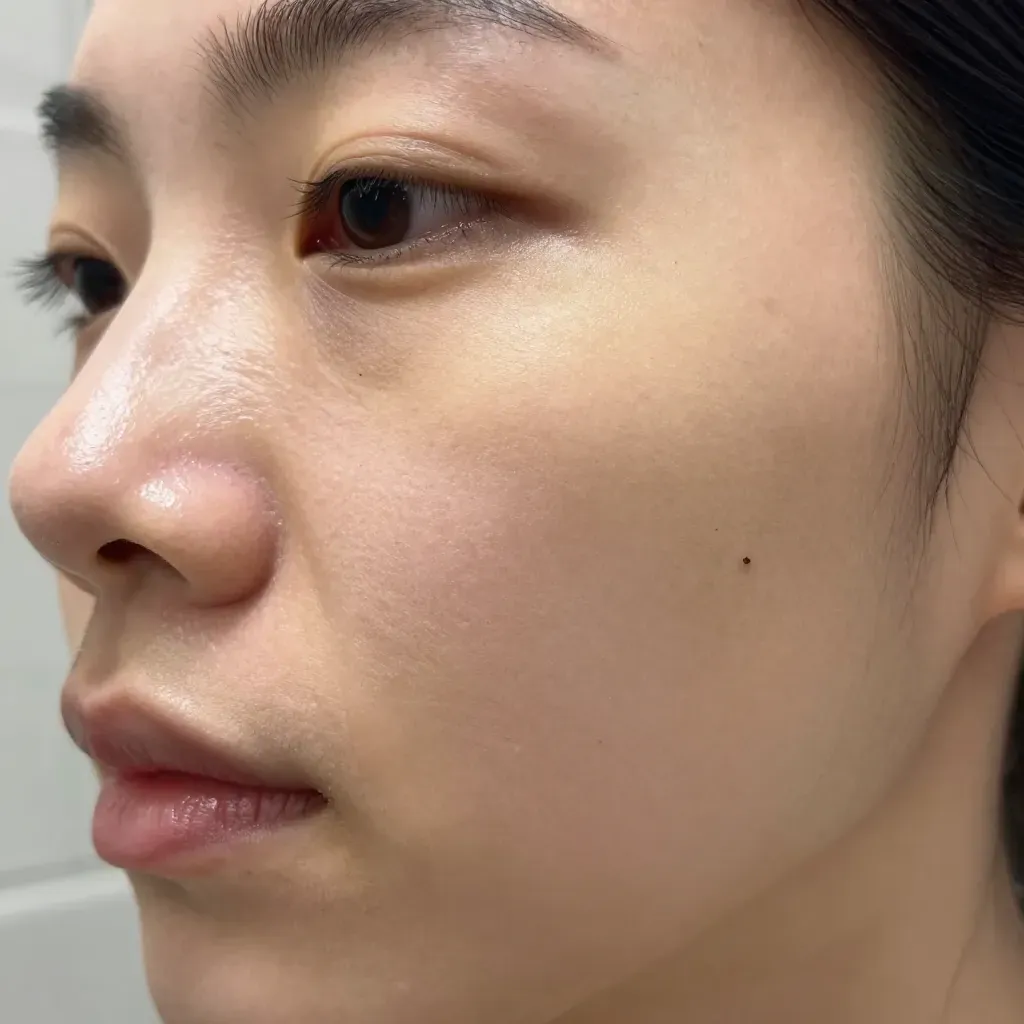
Blackheads are open pore blockages. The dark color comes from oxidation, not dirt. They sit flush with skin surface. Common on oily areas like T-zone. Caused by excess sebum production and dead skin cell buildup. Hormonal changes increase risk. Picking spreads bacteria and causes scarring. They rarely become inflamed unless infected.
Ingrown hair characteristics
Ingrown hairs create raised red bumps. Sometimes show a hair loop at the surface. Often develop after shaving or waxing. More common in curly hair types. Can become infected and form pus-filled lesions. Pseudofolliculitis barbae affects beard area. Tight clothing worsens the problem. They cause more discomfort than blackheads.
Why confusion happens
Both conditions create bumps. Both appear in hair follicle openings. Both can contain dark material. Both respond to exfoliation. The key difference: blackheads contain sebum plugs while ingrown hairs contain actual hair. The treatment approaches differ completely.
Tactile identification method
Run a clean finger over the spot. Blackheads feel smooth and flat. Ingrown hairs feel raised and tender. The texture difference reveals the condition. Ingrown hairs often have a subtle prickly sensation. This simple test works immediately.
Visual inspection guide
- Blackheads show uniform dark color across the opening
- Ingrown hairs often have redness surrounding a bump
- Look closely for a tiny hair loop—definitive ingrown sign
- Multiple uniform dots suggest blackheads
- Isolated inflamed bumps indicate ingrown hairs
- Blackheads look like tiny seeds stuck in pores
- Ingrown hairs resemble small pimples with a hair shadow
Context clues
Consider recent activities. Shaved yesterday? Ingrown hair likely. Started new moisturizer? Blackheads possible. Wearing tight leggings? Ingrown risk increases. Using heavy makeup? Blackhead risk rises. Hormonal fluctuations trigger blackheads. Friction from clothing triggers ingrown hairs. Your recent routine reveals the culprit.
Safe at-home removal techniques for blackheads and ingrown hairs
Safe black head and ingrown hair removal at home needs proper tools and technique. Blackheads require extraction. Ingrown hairs need release. Both demand sterile conditions.
Blackhead safe extraction
Wash hands. Cleanse face with gentle cleanser. Steam for 5-10 minutes to soften pores. Disinfect comedone extractor with alcohol. Place loop directly over blackhead. Apply gentle downward pressure. Rock tool slightly side to side. Stop immediately if plug doesn't release. Wipe away debris with clean tissue. Apply salicylic acid toner to prevent refilling.
Ingrown hair release technique
Wash hands and affected area thoroughly. Apply warm compress for 3-5 minutes to soften skin. Gently exfoliate with soft washcloth in circular motions. Sterilize needle by passing through flame then wiping with alcohol. Carefully lift only the tip of trapped hair. Use clean tweezers to pull hair straight out. Apply antiseptic solution. Leave area uncovered to heal.
Tool sanitization table
Tool | Purpose | Sanitization method |
|---|---|---|
Comedone extractor | Blackhead removal | 70% alcohol wipes before/after |
Sharp needle | Lifting ingrown hair tips | Flame sterilization + alcohol |
Slant-tip tweezers | Grasping hair | Alcohol wipe or boiling water |
Soft washcloth | Gentle exfoliation | Hot water wash after each use |
Blackhead extraction checklist
- Wash hands with soap
- Cleanse face completely
- Steam 5-10 minutes
- Disinfect extractor tool
- Position loop precisely
- Apply gentle pressure only
- Rock tool if needed
- Clean area post-extraction
Ingrown hair release checklist
- Wash area with antibacterial soap
- Warm compress 3-5 minutes
- Exfoliate surface layer
- Sterilize needle properly
- Lift hair tip gently
- Pull straight out with tweezers
- Apply antiseptic immediately
- Avoid covering with tight clothing
Absolute prohibitions
Chemical removal alternatives
Salicylic acid 2% dissolves blackheads without physical trauma. Glycolic acid removes dead skin cells. Benzoyl peroxide kills bacteria. Retinoids prevent future clogs. These methods eliminate need for manual extraction.
Post-removal care
- Apply cold compress to reduce inflammation
- Use non-comedogenic moisturizer
- Avoid makeup for 24 hours minimum
- Keep hands away from treated area
- Watch for increasing redness or pus
When to abort and seek help
Stop if bleeding occurs. Stop if hair remains buried after 5 minutes. Stop if pain intensifies. Stop if urge to dig deeper arises. These indicate need for professional dermatologist or esthetician intervention.
Professional treatments that eliminate both conditions permanently
Professional treatments target root causes. Medical-grade technology delivers permanent results. Dermatologists customize protocols based on severity and skin type.
Laser hair removal for ingrown hairs
Destroys follicles preventing regrowth. Eliminates ingrown hairs permanently. Requires 6-8 sessions spaced 4-6 weeks apart. Costs $150-500 per session. Best for dark hair on light skin. Not effective on blonde or gray hair. May cause temporary redness. Learn more about laser hair removal on ingrown hairs protocols.
Fractional laser for blackheads
Shrinks oil glands reducing sebum production by 50-70%. Decreases pore size. Requires 3-5 sessions. Costs $400-800 per treatment. Results visible after 2-3 months. Maintenance needed annually.
Chemical peels dual action
Salicylic acid dissolves blackhead plugs. Glycolic acid prevents follicle blockage. Series of 4-6 peels recommended. Costs $100-300 per session. Downtime 2-7 days depending on strength. Treats both conditions simultaneously.
Microdermabrasion plus extraction
Mechanical exfoliation removes dead skin layer. Prevents pore clogging and hair trapping. Monthly treatments maintain results. Costs $75-200 per session. No downtime. Safe for all skin types.
Prescription retinoids
Normalize skin cell turnover. Prevent blackhead formation. Reduce ingrown hair inflammation. Tretinoin, adapalene, tazarotene available. Results take 8-12 weeks. Costs $20-200 with insurance. Daily application required. Photosensitivity increases.
Treatment comparison
Treatment | Best for | Sessions needed | Total cost range | Permanence |
|---|---|---|---|---|
Laser hair removal | Ingrown hairs | 6-8 | $900-4000 | 5+ years |
Chemical peels | Blackheads | 4-6 | $400-1800 | 6-12 months |
Fractional laser | Blackheads + texture | 3-5 | $1200-4000 | 2-3 years |
Electrolysis | Small area ingrown hairs | 15-30 | $450-3000 | Permanent |
Combination therapy approach
Layer treatments for maximum results. Laser hair removal plus chemical peels address both issues. Prescription retinoids maintain results between sessions. Reduces total treatment time by 30%. More cost-effective long-term.
Electrolysis alternative
Destroys individual follicles with electric current. 100% permanent hair removal. Works on all hair colors. Better for small areas like eyebrows. Requires 15-30 sessions. Costs $30-100 per session. Time-intensive process.
Insurance coverage
Most treatments considered cosmetic. Insurance rarely covers costs. Exceptions exist for severe ingrown hair infections. Document medical necessity. Some plans cover prescription retinoids. Flexible spending accounts may reimburse. Check provider benefits before starting.
Prevention strategies to avoid future blackheads and ingrown hairs
Prevention beats treatment. Blackheads need oil control. Ingrown hairs need proper hair removal technique. Both require consistent routine.
Strategy | Blackheads | Ingrown Hairs |
|---|---|---|
Primary weapon | Salicylic acid 2% | Proper shaving technique |
Secondary defense | Retinoids nightly | Physical exfoliation |
Product type | Non-comedogenic | Non-comedogenic |
Frequency | Daily without fail | Before each shave |
Key avoidance | Heavy creams | Tight clothing friction |
Daily skincare routine
Morning: Gentle foaming cleanser removes overnight oil. Salicylic acid toner dissolves dead skin. Oil-free moisturizer hydrates without clogging. Broad-spectrum SPF 30+ protects. Evening: Double cleanse removes makeup and grime. Retinoid treatment speeds cell turnover. Lightweight night cream maintains barrier.
Shaving best practices
- Use single-blade razor or safety razor
- Replace blade every 5-7 shaves maximum
- Apply warm compress 3 minutes before
- Use thick shaving cream, not soap
- Shave with hair growth direction
- Rinse blade after every stroke
- Don't pull skin taut
- Apply cold water rinse after
Exfoliation schedule
Chemical exfoliants work best. Use salicylic acid 2-3 times weekly. Physical scrubs once weekly maximum. Over-exfoliation damages barrier and worsens both conditions. Sensitive skin needs gentler frequency. Listen to your skin's response.
Product selection rules
Read labels. Choose "non-comedogenic" and "oil-free". Avoid coconut oil, cocoa butter, and heavy oils. Pick water-based or gel formulations. Test new products on small area first. Ditch products causing breakouts within 2 weeks.
Lifestyle adjustments
Change pillowcases twice weekly. Clean phone screens daily with alcohol wipes. Keep hands off face. Wear loose, breathable fabrics. Shower immediately after sweating. Use clean towels only once. These reduce bacteria and friction.
Long-term permanent solutions
Consider laser hair removal for ingrown hairs. Eliminates need for shaving. Prevents future ingrown hairs completely. For blackheads, prescription retinoids provide lasting control. Professional chemical peels every 3 months maintain clear pores.
Warning signs to watch
- Increased redness means over-treatment
- Pain indicates infection brewing
- Rapid multiplication signals product reaction
- Dark spots show post-inflammatory hyperpigmentation
- Scarring means technique too aggressive
When to seek medical attention for infected or persistent cases
Red streaks spreading from bump indicate serious infection. Fever over 100.4°F means systemic involvement. Rapid swelling or severe pain requires immediate attention. Pus drainage that smells foul suggests bacterial overgrowth. Warmth around area signals inflammation. These signs need antibiotics within 24 hours.
Infection red flags
Symptom | Action needed |
|---|---|
Red streaks radiating outward | Emergency room immediately |
Fever over 100.4°F | Doctor within 6 hours |
Rapidly increasing swelling | Urgent care same day |
Severe pain (level 7-10) | Doctor within 24 hours |
Pus with foul odor | Doctor within 24 hours |
Warmth and tenderness | Monitor closely |
Persistent case criteria
Same spot recurs 3+ times despite proper care. Bump remains after 4 weeks of treatment. Multiple ingrown hairs cluster in one area. Scarring begins forming. Hyperpigmentation darkens. These need professional intervention to prevent permanent damage.
Medical treatments available
- Prescription antibiotics for bacterial infections
- Steroid injections reduce inflammation within 24 hours
- Incision and drainage provides immediate relief
- Isotretinoin for severe chronic blackheads
- Laser hair removal eliminates ingrown hair source permanently
- Chemical peels with higher concentrations
Specialist selection
Dermatologist for skin-specific issues and procedures. GP for general infections and prescriptions. Plastic surgeon for scar revision after healing. Med spa for maintenance treatments and prevention.
Pre-appointment preparation
Document timeline with photos. List all products used. Note previous treatments tried. Bring current skincare routine. Write down questions. This maximizes appointment efficiency and leads to faster diagnosis.
Cost considerations
Copays range $25-75 with insurance. Without insurance, visits cost $150-400. Prescription medications add $10-200. Delaying treatment increases total cost. Scarring treatment costs $500-3000 later. Early treatment prevents expensive procedures.