
Table of Contents
Tired of the endless cycle of shaving, waxing, or dealing with painful ingrown hairs in your most sensitive area? You're not alone. Many people seek a more permanent solution than temporary fixes that leave skin irritated or bumpy. This is where exploring the brazilian laser hair removal meaning becomes relevant. It's not just another beauty treatment; it's a method promising lasting smoothness and freedom from tedious upkeep.
Understanding Brazilian Laser Hair Removal Meaning
Understanding Brazilian Laser Hair Removal Meaning
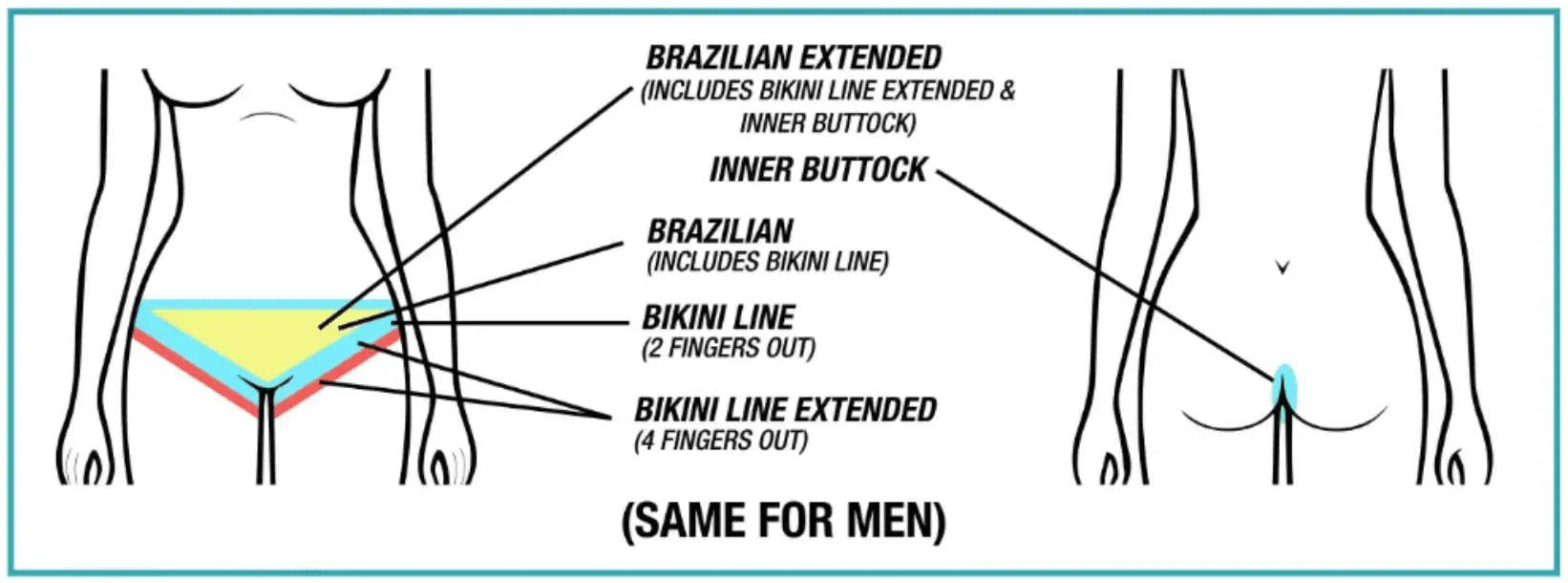
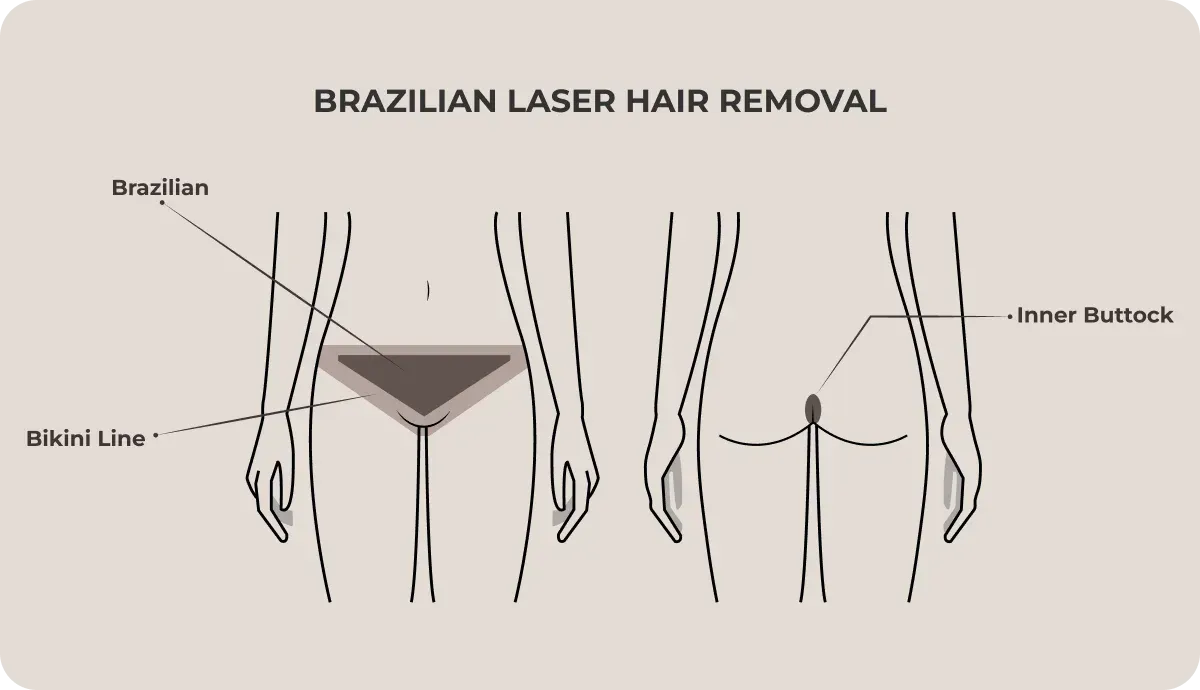
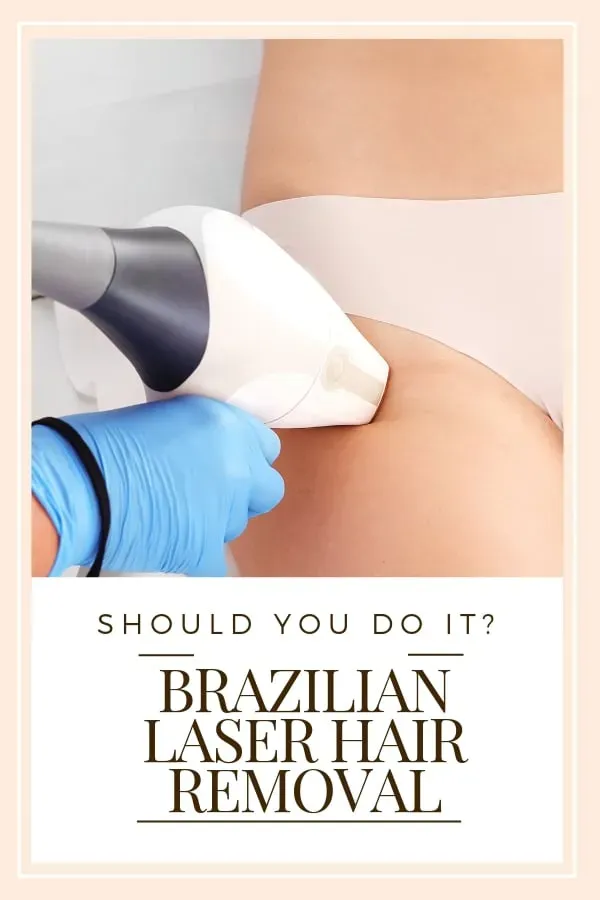
Let's get straight to it. When someone talks about the brazilian laser hair removal meaning, they're referring to a process that uses concentrated light energy to target hair follicles in the entire pubic region. Unlike a standard bikini line treatment that just cleans up the edges, a "Brazilian" typically involves removing almost all or all of the hair from the front, sides, and the area between the buttocks. Think of it as a comprehensive clearance operation using focused light pulses instead of painful pulling or scraping. The goal isn't instant, one-and-done removal, but a significant, long-term reduction in hair growth by damaging the follicle's ability to produce new hair. It's a shift from temporary management to a more permanent solution for smooth skin in that area.
The Science Behind Brazilian Laser Hair Removal

The Science Behind Brazilian Laser Hair Removal
Targeting the Root of the Problem
So, you're wondering how a beam of light gets rid of hair? It's pretty clever, actually. The science behind Brazilian laser hair removal hinges on something called selective photothermolysis. Big word, simple idea: the laser targets the pigment, or melanin, in your hair. Think of melanin like a tiny antenna inside each hair shaft. The laser emits a specific wavelength of light that's strongly absorbed by this melanin. It's like shining a focused spotlight on just the dark parts of the hair, ignoring the surrounding skin (mostly).
This focused light energy travels down the hair shaft, reaching the follicle, which is the little pocket in your skin where the hair grows from. The darker and coarser the hair, the more melanin it contains, and the better it absorbs the laser light. This is why laser hair removal generally works best on darker hair colors and lighter skin tones – there's a strong contrast for the laser to work with. It's less effective on very light blonde, red, white, or gray hair because they lack enough melanin to absorb the laser energy effectively.
Heating and Damaging the Follicle
Once the melanin absorbs the laser light, that light energy rapidly converts into heat. This heat is intense enough to damage the hair follicle. It essentially zaps the structures within the follicle responsible for hair growth. This damage isn't about vaporizing the hair instantly (though you might smell something like burnt hair during the process, which is just the hair shaft getting heated). It's about injuring the follicle's ability to produce new hair in the future.
Imagine the follicle as a tiny factory making hair. The laser heat disrupts the machinery in that factory. After a successful treatment, the damaged follicle struggles to grow hair, or the hair it does produce is much finer, lighter, and grows slower. This is the core mechanism that leads to long-term hair reduction rather than just temporary removal. It's a targeted strike against the source of the problem.
Comparing Methods
Method | Mechanism | Longevity |
|---|---|---|
Shaving | Cuts hair at skin surface | Hours to days |
Waxing/Plucking | Pulls hair from follicle | Weeks |
Laser Hair Removal | Damages hair follicle | Months to years (reduction) |
Why Multiple Sessions Are Necessary
Now, here’s the catch: your hair doesn't all grow at the same rate or stage. Hair follicles cycle through different phases: growth (anagen), transition (catagen), and resting (telogen). The laser is most effective on hair follicles that are in the active growth (anagen) phase because that's when the hair shaft contains the most melanin and is firmly attached to the follicle.
At any given time, only a percentage of the hairs in your Brazilian area are in this prime growth phase. The others are either transitioning or resting. The laser pulse will hit hairs in all phases, but it won't effectively damage follicles in the transition or resting phases because the hair isn't connected in the same way, or there isn't enough melanin present. This is why you need multiple sessions spaced several weeks apart. Each session targets the hairs that have cycled into the active growth phase since your last visit. Over a series of treatments, like those offered at hairawaybylaser.com, you gradually treat the majority of follicles as they enter their vulnerable growth stage, leading to significant overall reduction.
Your Brazilian Laser Hair Removal Session: What Happens
Your Brazilian Laser Hair Removal Session: What Happens
Getting Ready for Your Appointment
so you've decided to explore the brazilian laser hair removal meaning for yourself and booked a session. What should you do before you show up? Preparation is key to a smooth (pun intended) experience and good results. First, you need to shave the area about 12-24 hours before your appointment. Yes, shave! This might seem counterintuitive, but the laser targets the pigment in the hair follicle *below* the skin's surface. Shaving removes the hair shaft on top, preventing the laser energy from being wasted on the surface hair and reducing the risk of burns. Don't wax, pluck, or use depilatory creams for at least four weeks prior, because these methods remove the hair follicle entirely, leaving nothing for the laser to target.
You should also avoid sun exposure and tanning beds for a few weeks before treatment. Tanned skin contains more melanin, which can absorb the laser light intended for the hair follicle, potentially leading to burns or pigmentation changes. Skip the self-tanner too. Arrive with clean skin, free of lotions, oils, or perfumes in the treatment area. Some clinics might ask you to wear specific clothing or provide disposable undergarments. Don't hesitate to ask your technician about their specific pre-care instructions; they'll give you the rundown.
What Happens During the Treatment
When you get into the treatment room, your technician will likely cleanse the area again. You'll be given protective eyewear – wear it! The laser light is intense and can damage your eyes. The technician will then use a handheld laser device. They'll press it against your skin and deliver pulses of light to target the follicles. Each pulse feels different for everyone. Some describe it as a rubber band snap, others a quick pinprick, or a warm sensation. Modern lasers often have cooling systems built-in, like a chilled tip or a blast of cold air, to help manage the heat and discomfort. It's not exactly a spa treatment, but it's usually over pretty quickly – a Brazilian area can take anywhere from 15 to 30 minutes, depending on the size of the area and the specific laser technology used.
The technician will work methodically across the entire area you've chosen to treat, covering the front, sides, and back if you're going for the full Brazilian laser hair removal meaning. You might smell that faint singed hair scent we mentioned earlier. It's normal. Communicate with your technician about how you're feeling. They can adjust settings or take short breaks if needed. They are there to make the process as comfortable and effective as possible.
- Shave the area 12-24 hours before.
- Avoid sun exposure and tanning for several weeks prior.
- Do not wax or pluck for at least four weeks before.
- Clean the skin thoroughly before the appointment.
- Wear protective eyewear during the session.
- Communicate any discomfort to your technician.
After Your Brazilian Laser Session
Right after the session, the treated area might look a little red or feel slightly swollen, similar to a mild sunburn. This is totally normal and usually subsides within a few hours or a day or two. You might also see tiny red bumps around the follicles – this is perifollicular edema, another normal reaction indicating the follicle responded to the treatment. Applying a cool compress or aloe vera gel can help soothe the skin. Avoid hot showers, baths, saunas, or intense exercise for the first 24-48 hours, as heat can irritate the treated skin. Stick to loose, comfortable clothing.
Over the next week or two, you'll notice the treated hairs starting to shed. They might look like little black dots pushing out of the skin – don't pick at them! Exfoliating gently a few days after the treatment can help the shedding process. Between sessions, you can shave as needed, but avoid waxing or plucking. Remember, it takes multiple sessions to see significant results because of the hair growth cycle, so don't be discouraged if you still see growth after the first treatment. The hairs that regrow will likely be patchier, finer, and lighter.
Real Benefits of Brazilian Laser Hair Removal
Real Benefits of Brazilian Laser Hair Removal
Goodbye Razor Burn, Hello Smoothness
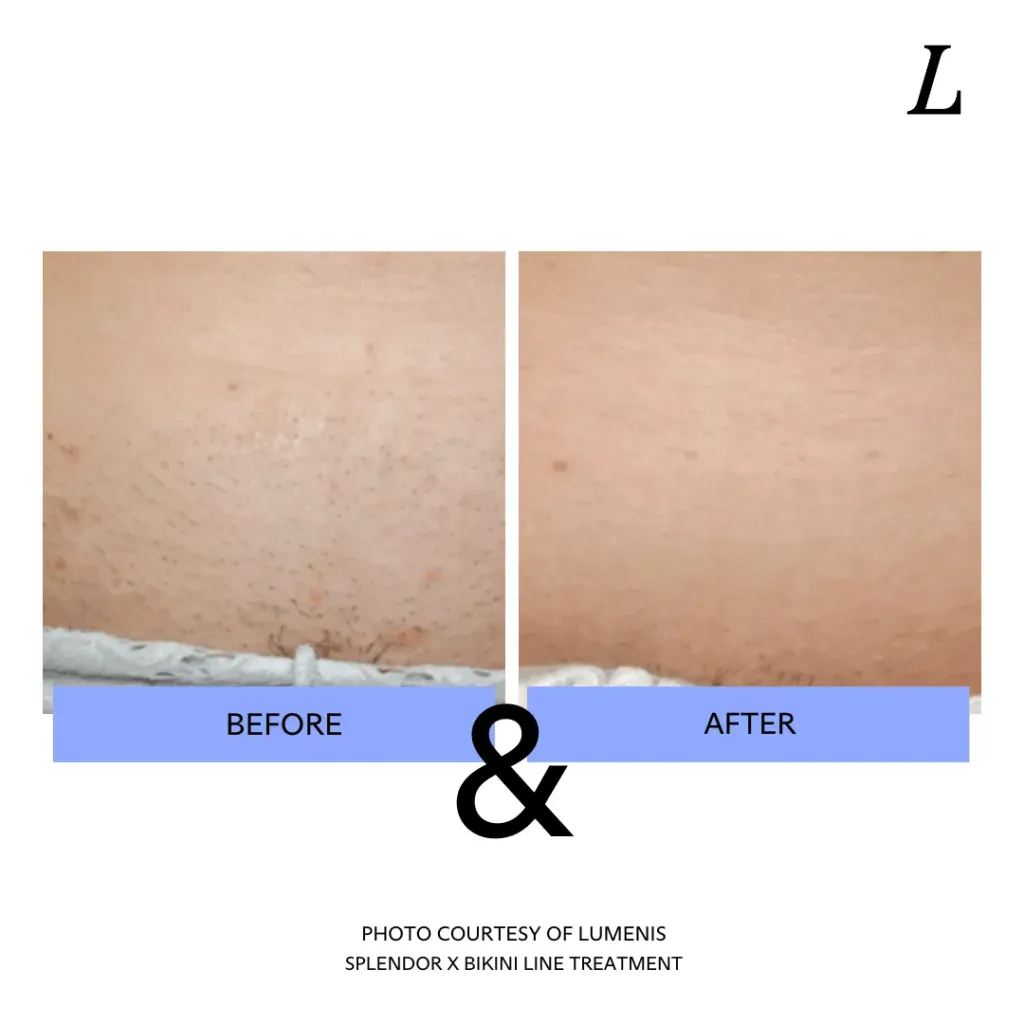
we've covered the science and the session itself. Now, let's dig into why people actually commit to this treatment. What are the tangible upsides of Brazilian laser hair removal? It's more than just looking smooth. One major win is ditching the constant battle with razor burn and those infuriating ingrown hairs. If you've ever dealt with painful red bumps or infected follicles in that sensitive zone, you know the relief this offers is huge. Then there's the sheer convenience. Imagine reclaiming all the minutes spent shaving or the hours booked for waxing appointments. That time adds up. Long-term reduction means less maintenance, less hassle. And honestly, there's a definite confidence boost. Not having to worry about hair downstairs gives you a certain freedom, whether you're hitting the beach or just feeling good in your own skin.
Brazilian Laser Hair Removal Meaning for You: FAQs
Brazilian Laser Hair Removal Meaning for You: FAQs
Does Brazilian Laser Hair Removal Hurt?
Let's be real, nobody signs up for pain, especially in that area. So, does exploring the brazilian laser hair removal meaning involve signing up for torture? Most people describe the sensation as a quick snap, like a rubber band hitting the skin, or a feeling of warmth. It's usually fleeting, happening only when the laser pulses. The discomfort varies depending on your pain tolerance, the specific area being treated (some spots are more sensitive than others), and the type of laser technology used. Modern machines often incorporate cooling features, like chilled tips or blasts of cold air, which significantly reduce the sensation. Compared to waxing, many find laser less painful in the long run. It's uncomfortable, yes, but typically manageable and over quickly.
How Many Sessions Will I Need and How Long Do Results Last?
This isn't a one-and-done deal. Achieving a significant reduction in hair requires multiple sessions because, as we discussed, the laser only effectively targets hair in the active growth phase. The exact number varies per person based on hair color, skin type, hair density, and hormonal factors, but most people need between 6 to 8 sessions to see optimal results. These are typically spaced 4 to 8 weeks apart to catch the hair in its growth cycle. After completing the initial series, you can expect a dramatic reduction in hair growth. The results are often described as permanent *reduction*, not necessarily permanent *removal*. You might need occasional touch-up sessions, maybe once or twice a year, to maintain that smooth finish, but the difference from before is substantial. At hairawaybylaser.com, they'll map out a plan tailored to your needs during your consultation.
Common Question | Typical Answer |
|---|---|
Does it hurt? | Feels like a quick snap or warmth, less painful than waxing for many. |
How many sessions? | Usually 6-8 sessions needed for significant reduction. |
How long do results last? | Long-term reduction, often requiring occasional touch-ups. |
Can I shave between sessions? | Yes, shaving is allowed and encouraged. |
What Are the Potential Side Effects?
Like any procedure involving energy and skin, there are potential side effects, though they are usually minor and temporary. The most common are redness, swelling, and a slight sensitivity in the treated area, similar to a mild sunburn. These typically subside within a few hours to a couple of days. Less common side effects can include temporary changes in skin pigmentation (either lighter or darker spots), blistering, or scarring, but these are rare, especially when treated by a qualified and experienced technician using appropriate equipment for your skin type. Following the pre- and post-care instructions diligently, like avoiding sun exposure and heat, significantly minimizes risks. Always discuss any concerns you have with your technician before starting treatment to ensure you understand the brazilian laser hair removal meaning fully, including potential outcomes.
Wrapping Up the Brazilian Laser Hair Removal Meaning
Understanding the brazilian laser hair removal meaning goes beyond just knowing it removes hair. It represents a shift from temporary fixes to a longer-term strategy for managing unwanted hair in a sensitive area. While it requires commitment through multiple sessions and isn't a one-and-done miracle for everyone, the potential for significantly reduced hair growth and fewer ingrown hairs is a compelling trade-off for many. It's a practical choice for those seeking lasting smoothness, provided they manage expectations and follow through with the recommended treatment plan. Consider it an investment in less fuss and more comfort down the line.