
Table of Contents
Hair removal creams dissolve hair at the skin's surface using chemicals, making them less likely to cause ingrown hairs than shaving but more so than laser treatments. Proper application and aftercare are essential to minimize risks, especially for those with sensitive skin or curly hair. Avoid using these creams on compromised skin or sensitive areas to prevent irritation and infection.
Question | Answer |
|---|---|
Do hair removal creams cause ingrown hairs? | They can contribute to ingrown hairs but are generally less likely to than shaving or waxing. |
How do hair removal creams work? | They use chemicals like thioglycolate to dissolve hair protein at the skin's surface. |
When should hair removal creams be avoided? | Avoid on sensitive skin, broken skin, sunburned areas, or near moles and scars. |
How Hair Removal Creams Work on Your Skin
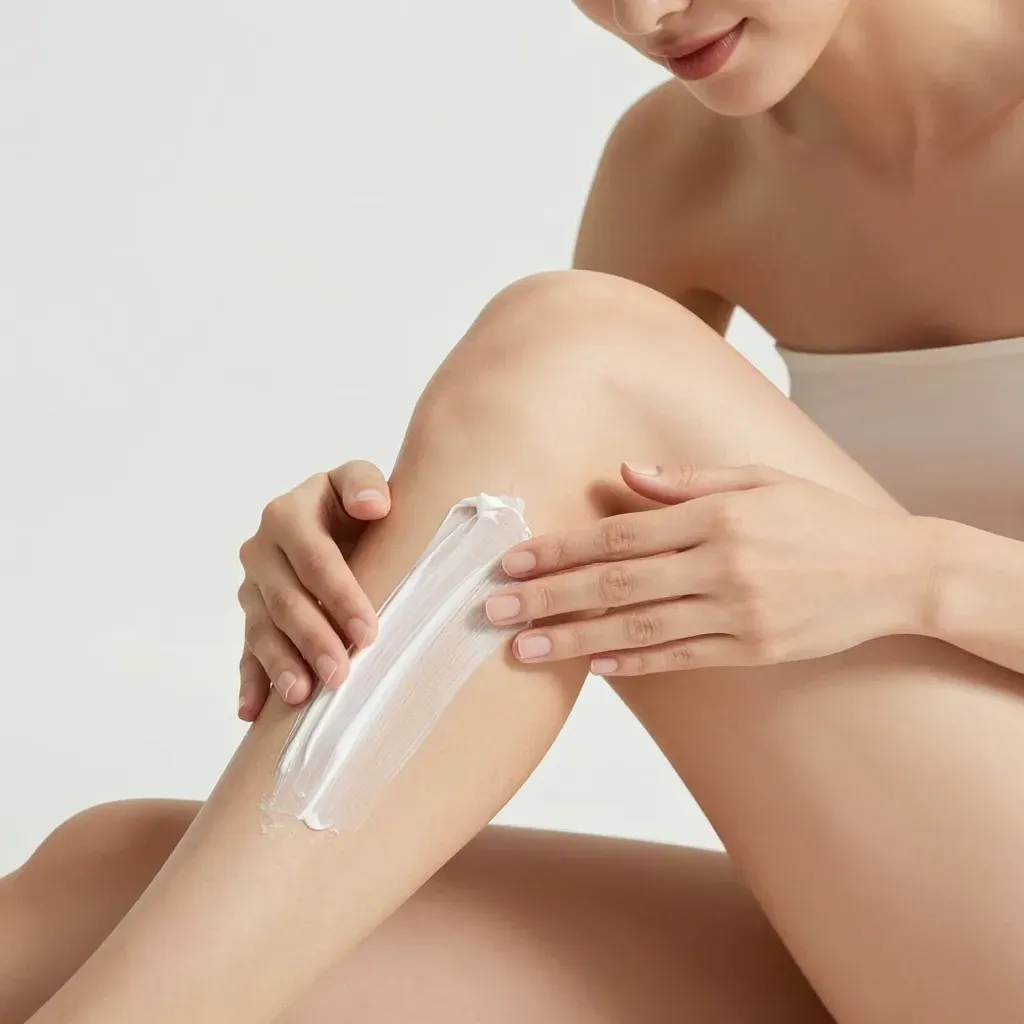
Hair removal creams, also known as depilatories, work through a chemical process that dissolves hair at the skin's surface. The active ingredients in these creams, typically thioglycolate compounds, break down the protein structure of hair, allowing it to be wiped away easily.
Chemical Process of Hair Removal Creams
The primary mechanism involves:
- Thioglycolic acid or calcium thioglycolate as the main active ingredient
- pH levels maintained between 12-13.5 for optimal effectiveness
- Reaction time typically 3-10 minutes depending on hair thickness
Surface-Level vs. Root-Level Hair Removal
Unlike waxing or laser treatments that target the hair follicle, depilatory creams only dissolve hair above the skin's surface. This creates several important differences:
Aspect | Hair Removal Creams | Shaving | Waxing |
|---|---|---|---|
Hair Removal Level | Surface | Surface | Root |
Hair Regrowth Time | 2-3 days | 1-2 days | 3-4 weeks |
Sharp Edges | No | Yes | No |
Skin Irritation Risk | Moderate | High | High |
Why Hair Ends Are Different
The chemical action of depilatory creams creates frayed and weak hair ends, unlike the sharp, clean cuts created by razors. This difference in hair structure affects how hair regrows and its likelihood of becoming ingrown.
The Connection Between Depilatory Creams and Ingrown Hairs
Hair removal creams can contribute to ingrown hairs through several mechanisms, though they are generally less likely to cause them compared to other hair removal methods. Understanding these connections helps users make informed decisions about their hair removal routine.
Surface-Level Removal and Hair Regrowth
Since depilatory creams only dissolve hair at the skin's surface, new hair growth can sometimes become trapped beneath the skin. This occurs because:
- The hair follicle remains intact and continues producing hair
- Without addressing the follicle, hair can curl back into the skin
- The chemical process can alter hair structure, affecting how it grows
Chemical Effects on Hair Follicles
The chemicals in hair removal creams can impact follicles in ways that increase ingrown hair risk:
Chemical Effect | Impact on Ingrown Hairs |
|---|---|
Weakened hair structure | Hair breaks unevenly, creating irregular growth patterns |
Follicle irritation | Inflammation can cause hair to grow sideways or inward |
pH disruption | Altered skin environment may affect normal hair growth direction |
Individual Factors That Increase Risk
Certain conditions make some people more susceptible to ingrown hairs when using depilatory creams:
- Curly or coarse hair texture
- Sensitive skin prone to inflammation
- Areas with tight clothing friction
- Improper application or leaving cream on too long
The Role of Folliculitis
Depilatory creams can sometimes trigger folliculitis, which increases the likelihood of ingrown hairs. The weakened hair follicles become more vulnerable to bacterial infection and inflammation, creating an environment where hair is more likely to grow incorrectly.
Comparing Hair Removal Creams to Other Hair Removal Methods
Your choice of hair removal method directly impacts your risk of getting ingrown hairs. Hair removal creams offer a different risk profile compared to shaving, waxing, and laser treatments.
Hair Removal Creams vs. Shaving
Shaving is a primary cause of ingrown hairs. Razors cut hair at a sharp angle, creating a pointed tip that can easily pierce the skin and grow back inward. Depilatory creams dissolve hair, leaving a softer, blunter end. This makes creams a better option for preventing ingrowns. Some studies suggest creams can reduce ingrown hairs by up to 80% compared to shaving.
Hair Removal Creams vs. Waxing and Plucking
Waxing and plucking pull hair directly from the root. This process can damage the hair follicle. When the hair eventually regrows from the damaged follicle, it may grow sideways or get trapped under the skin. While effective for longer-lasting smoothness, waxing still carries a significant risk of causing ingrown hairs.
Hair Removal Creams vs. Laser Hair Removal
Laser hair removal offers the best long-term solution for preventing ingrown hairs. It works by targeting the hair follicle with light energy, damaging it to prevent future growth. With fewer hairs growing back, the chance of them becoming ingrown is drastically reduced. While more expensive, it addresses the root cause of ingrown hairs. Laser treatment is a more permanent fix.
Method | Ingrown Hair Risk | Mechanism |
|---|---|---|
Hair Removal Cream | Low | Dissolves hair at the surface |
Shaving | High | Cuts hair, leaving a sharp edge |
Waxing/Plucking | Medium-High | Pulls hair from the root, can damage follicle |
Laser Hair Removal | Very Low | Damages the follicle to prevent regrowth |
Tips to Prevent Ingrown Hairs When Using Hair Removal Creams
Preventing ingrown hairs while using hair removal creams requires proper technique and aftercare. Following these guidelines can significantly reduce your risk of developing painful ingrown hairs.
Pre-Treatment Preparation
Proper skin preparation is essential before applying hair removal cream:
- Exfoliate gently 24 hours before treatment to remove dead skin cells
- Cleanse the area with a mild, non-irritating cleanser
- Ensure skin is completely dry before application
- Do a patch test 48 hours before full application to check for sensitivity
Proper Application Techniques
How you apply the cream affects your risk of ingrown hairs:
Step | Correct Method | Common Mistake |
|---|---|---|
Timing | Follow package instructions precisely | Leaving on too long |
Coverage | Apply evenly in thick layer | Spotty or thin application |
Removal | Use provided spatula or damp cloth | Rough scrubbing or pulling |
Post-Treatment Care
After using hair removal cream, proper aftercare prevents ingrown hairs:
- Apply a fragrance-free moisturizer immediately after treatment
- Avoid tight clothing for 24 hours
- Continue gentle exfoliation 2-3 times per week
- Consider using products with salicylic acid to prevent clogged follicles
Additional Prevention Strategies
Beyond the basic steps, these strategies can further reduce your risk:
- Alternate hair removal methods to give skin recovery time
- Use creams specifically formulated for sensitive areas
- Apply a warm compress before treatment to open pores
- Consider using an ingrown hair prevention serum after treatment
When to Avoid Hair Removal Creams for Your Skin Type
Hair removal creams are not suitable for every skin type or situation. Using them on compromised skin can lead to severe irritation, chemical burns, or worsening of existing conditions. Knowing when to avoid these products is crucial for skin health.
Skin Conditions and Depilatory Creams
Avoid using hair removal creams if you have any of the following skin conditions:
- Extremely Sensitive Skin: If your skin reacts easily to new products, the chemicals in depilatories are likely to cause redness and burning.
- Eczema, Psoriasis, or Dermatitis: The active ingredients can trigger flare-ups and exacerbate inflammation.
- Active Acne or Folliculitis: Applying cream over breakouts can worsen infection and irritation.
- Sunburned Skin: Sunburned skin is already damaged and inflamed. Chemicals will cause significant pain and further damage.
Areas of Caution
Do not apply hair removal cream to certain sensitive areas, even if your skin is generally tolerant. These include:
- On the face, unless the product is specifically formulated for facial use.
- Directly on genital areas, nipples, or around the anus.
- Over moles, scars, warts, or broken skin like cuts and scrapes.
If you have severely inflamed or infected ingrown hairs, do not apply cream over them. This can worsen the infection. Instead, see a professional for ingrown hair removal.
Condition | Reason to Avoid |
|---|---|
Allergic Reaction | Chemicals can cause hives, rashes, and severe irritation. |
Broken Skin | High risk of intense pain and infection. |
Recent Exfoliation | Skin is too sensitive and prone to chemical burns. |
For those with unsuitable skin types, exploring professional hair removal options offers a safer alternative.