
Table of Contents
Ingrown hairs happen when removed hair curls back into skin.
Shaving and waxing cause this by cutting hair at angles or pulling from roots.
Curly, coarse hair suffers most in bikini lines, underarms, and beard areas.
Laser hair removal destroys 80-90% of follicles in one session with light energy converted to heat.
This permanently eliminates ingrown hairs by destroying the follicle source.
Most need 4-6 sessions spaced 4-8 weeks apart to catch all growth cycles.
Laser beats waxing and electrolysis for prevention and costs less long-term.
Aftercare includes hydration, SPF, and gentle exfoliation.
Question | Answer |
|---|---|
How does laser hair removal stop ingrown hairs permanently? | It destroys the follicle with heat so hair cannot regrow and curl back into skin. |
How many laser sessions do most people need? | Most need 4-6 sessions spaced 4-8 weeks apart to catch all hair growth cycles. |
Is laser better than waxing for ingrown hair prevention? | Yes, laser eliminates follicles permanently while waxing leaves them intact and can worsen ingrown hairs. |
What does laser hair removal cost compared to waxing? | Laser costs $1,500-3,000 total while lifetime waxing exceeds $10,000. |
Can laser treat ingrown hairs on all skin types? | Yes, laser works on all skin types when performed correctly and targets melanin in hair shafts. |
Ingrown hairs happen when hair curls back into skin after removal.
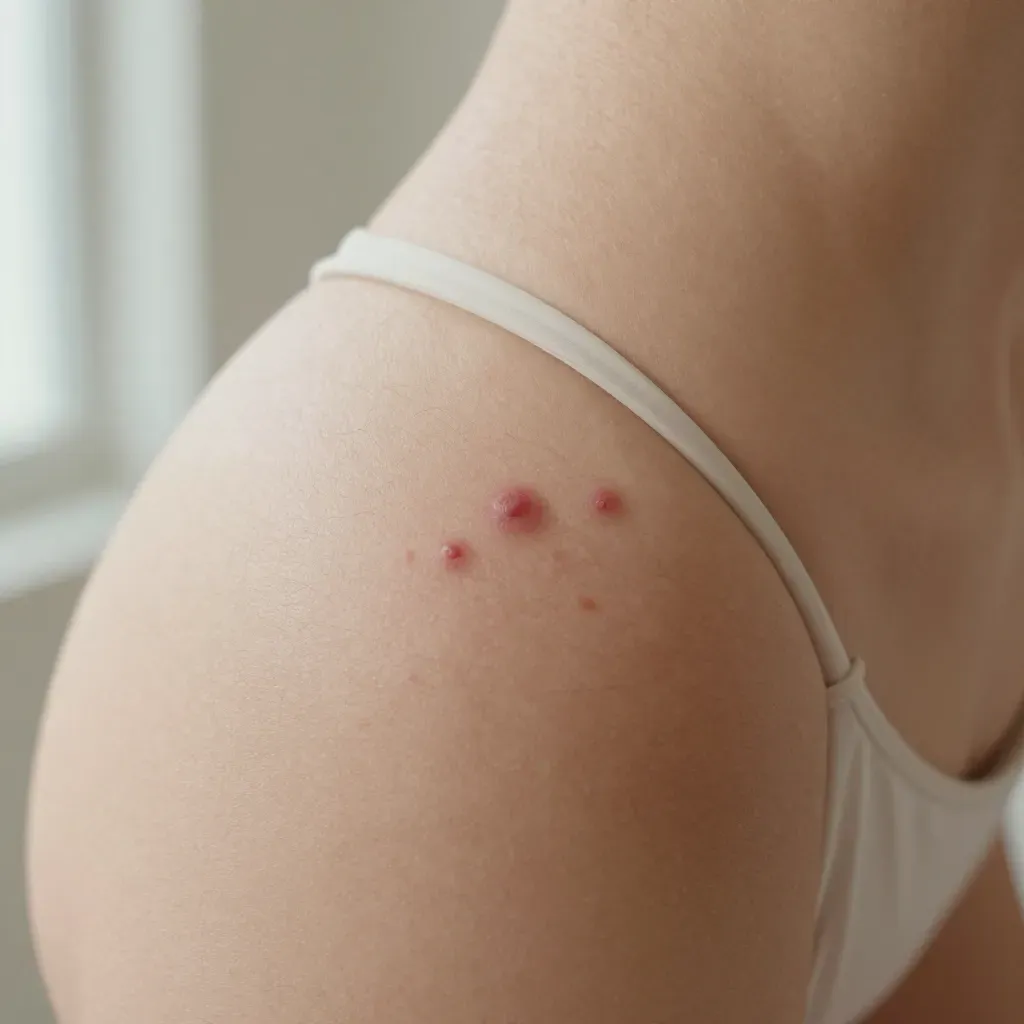
Ingrown hairs develop when hair regrowth curves downward or sideways, re-entering the skin instead of growing outward from the follicle. This creates raised red bumps, sometimes with visible trapped hair beneath the surface.
Why Shaving and Waxing Cause Ingrown Hairs
Method | How It Creates Ingrown Hairs |
|---|---|
Shaving | Cuts hair at an angle, leaving sharp edges that pierce skin when regrowing |
Waxing | Pulls hair from root, but follicle remains intact so hair grows back with curved path |
Plucking | Weakens follicle structure, causing hair to grow at abnormal angles |
Common Problem Areas
- Bikini line and pubic region
- Underarms
- Beard area and neck
- Legs
- Back and chest
Who Gets Ingrown Hairs Most Often
People with curly or coarse hair experience ingrown hairs more frequently. The natural curl pattern makes regrowth more likely to re-enter the skin. Those with thicker hair textures see the highest rates of this condition.
Repeated hair removal in the same area increases cumulative damage to follicles, making future ingrown hairs more likely. Each cycle of shaving or waxing slightly alters follicle direction, compounding the problem over time.
Understanding this mechanism explains why surface-level hair removal methods fail to solve the problem permanently. The follicle itself must be addressed to prevent the cycle from continuing.
Laser treatment destroys follicles to stop ingrown hairs permanently.
Laser hair removal converts light energy into heat that destroys the hair follicle and bulb. This eliminates the source of ingrown hairs entirely rather than just treating symptoms.
How Laser Targets Follicles
- Concentrated light energy seeks melanin in hair shafts
- Heat travels down to follicle root
- Destroys follicle's ability to produce hair
- Prevents regrowth that could curl back into skin
Effectiveness vs Other Methods
Method | Ingrown Hair Reduction | Mechanism |
|---|---|---|
Laser | 80-90% after one session | Destroys follicle permanently |
Electrolysis | 50% | Individual follicle destruction |
Waxing | 60% | Temporary removal, follicle remains |
The laser heat can force existing ingrown hairs trapped below the skin to surface for extraction. This dual action eliminates current problems while preventing future ones. Unlike waxing that leaves follicles intact or shaving that creates sharp edges, laser treatment removes the biological source of hair growth.
Clinical studies show significant improvement in razor bumps after just a few treatments. The procedure targets follicles directly without damaging surrounding skin tissue. This precision makes it safe for all skin types when performed correctly.
Because treatment disables follicles during active growth phases, multiple sessions ensure complete coverage. Each session builds on the last until the area becomes permanently smooth and bump-free.
One session eliminates 80-90% of follicles immediately.
The laser delivers concentrated light energy that converts to heat. This heat destroys 80-90% of actively growing follicles immediately. The process takes milliseconds per pulse. Each pulse treats multiple follicles simultaneously.
First Session Impact
Result | Percentage | Timeline |
|---|---|---|
Follicles destroyed | 80-90% | During treatment |
Hair shedding | 100% of treated hairs | 1-3 weeks post-treatment |
Ingrown hair reduction | 70-80% | 2-4 weeks |
Hair Growth Cycle Reality
- Anagen (active growth): Laser targets these follicles effectively
- Catagen (transition): Follicle shrinks, laser has limited effect
- Telogen (resting): Hair detached, follicle dormant, laser cannot target
- 20-30% of hair is in anagen phase at any given time
The first session provides immediate relief. You will notice fewer bumps within days. Hair appears to grow back lighter and finer. This is because damaged follicles produce weaker hair shafts that cannot curl back into skin effectively.
Some follicles survive the first session. These require additional treatments. Each subsequent session targets follicles that were in resting phase during previous treatments. Spacing sessions 4-8 weeks apart ensures maximum follicle destruction.
Skin texture improves rapidly after the first session. Redness and inflammation from existing ingrown hairs diminishes. The area becomes smoother as treated hairs shed naturally.
Results beat waxing and electrolysis for long-term prevention.
Long-term Prevention Comparison
Method | Reduction Rate | Prevention Duration | Root Cause Addressed |
|---|---|---|---|
Laser | 80-90% | Permanent | Yes, destroys follicle |
Electrolysis | 50% | Permanent | Yes, but inefficient |
Waxing | 60% | 3-6 weeks | No, follicle remains |
Waxing actually increases ingrown hair risk over time. Repeated pulling damages follicles, causing abnormal growth patterns. The temporary smoothness comes at the cost of worse ingrown hairs later. Laser eliminates this cycle completely.
Electrolysis treats one hair at a time, requiring 15-30 minutes for a small area. A full Brazilian could take 20+ hours. Laser treats entire areas in minutes. The speed difference makes laser practical for large treatment zones.
Cost per session favors laser long-term. While waxing appears cheaper initially, lifetime costs exceed $10,000. Electrolysis costs $50-150 per hour, totaling thousands for complete treatment. Laser packages average $1,500-3,000 for full courses with permanent results.
Skin health improves with laser. Waxing causes repeated trauma and inflammation. Electrolysis can leave tiny scars. Laser's precision preserves skin integrity while solving the underlying problem. This means no more redness, bumps, or dark spots from constant irritation.
Most people need 4-6 sessions for complete results.
Laser only targets actively growing follicles. At any moment, 20-30% of hair is in this phase. Multiple sessions catch all follicles as they cycle through growth stages.
Session Progression
Session | Target Follicles | Cumulative Reduction | Interval |
|---|---|---|---|
1 | 20-30% | 20-30% | Initial |
2-3 | Next 20-30% | 50-70% | 4-6 weeks |
4-6 | Remaining | 90-95% | 6-8 weeks |
Treatment Realities
- Can treat areas with active ingrown hairs
- May experience temporary flare-up early on
- Hair sheds 1-3 weeks post-treatment
- Skin texture improves progressively
Spacing is critical. Too soon misses dormant follicles. Too late allows regrowth. Face treatments need 4-6 week intervals. Body areas need 6-8 weeks.
Aftercare maximizes results. Use hydration, SPF, gentle exfoliation. Do not pick shedding hairs. This prevents infection and scarring.
Most see dramatic improvement after session two. By session four, ingrown hairs are rare. Final sessions eliminate any remaining follicles permanently. The investment in multiple sessions pays off with lifelong smooth, bump-free skin.