
Table of Contents
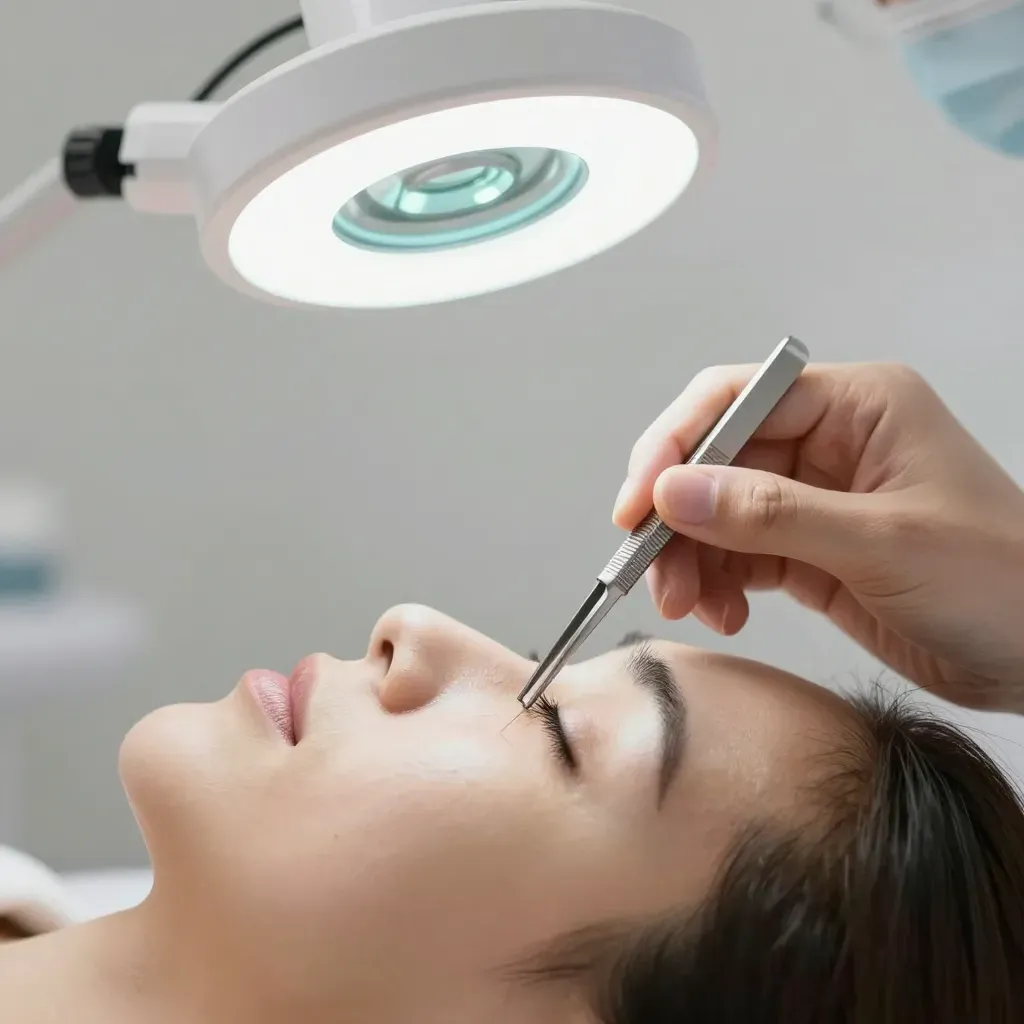
Estheticians safely extract ingrown hairs using sterile lancets and precision tweezers.
Professional treatment costs $50-150 per session and prevents infection and scarring.
DIY extraction causes dark spots in 60% of cases and costs $300-1000 to repair.
Three methods treat ingrown hairs: manual extraction for immediate removal, chemical peels to prevent recurrence, and laser therapy for permanent reduction.
Sessions include skin assessment, gentle removal, and personalized aftercare planning.
Regular exfoliation and proper shaving techniques prevent future ingrown hairs.
Professional treatment stops the recurring cycle and provides long-term solutions.
Question | Answer |
|---|---|
What tools do estheticians use for ingrown hair extraction? | Sterile lancets, precision tweezers, magnifying lamps, and high-frequency devices. |
How much does professional extraction cost? | $50-150 per session with most clients needing 1-3 sessions total. |
Why is DIY extraction dangerous? | DIY methods cause dark spots and scars in 60% of cases by pushing bacteria deeper. |
How many laser sessions are needed for permanent results? | Laser therapy requires 6-8 sessions for 85-95% permanent reduction. |
What prevents future ingrown hairs? | Regular exfoliation 2-3 times weekly and proper hair removal techniques prevent recurrence. |
Estheticians safely extract ingrown hairs using sterile professional tools.
Professional extraction tools
Licensed estheticians use sterile medical instruments. These prevent infection and reduce skin damage. All tools are autoclaved or single-use.
Tool | Purpose |
|---|---|
Sterile lancet | Punctures skin to free trapped hair |
Precision tweezers | Lifts hair without breakage |
Exfoliating serum | Removes dead skin blocking follicle |
Magnifying lamp | Sees hair direction clearly |
High-frequency device | Kills bacteria and calms redness |
Extraction procedure
Estheticians cleanse skin first. Warm compress softens the area. Lancet opens skin parallel to hair growth. Tweezers lift hair in natural direction. Treatment ends with antibacterial application and soothing products.
Safety protocols
- Single-use needles and blades only
- Gloves worn at all times
- Disinfect work area between clients
- Check for active infections before treatment
- Provide aftercare instructions
- Refer severe cases to doctors
Professional vs DIY
DIY causes scarring and dark spots. Estheticians assess hair type and skin condition. They know when to refer medical cases. Cost ranges $50-150 per session. Most need 1-3 sessions total.
Professional treatment prevents infection and reduces scarring risk.
DIY extraction dangers
DIY picking with fingers or unsterile tools pushes bacteria deep into follicles. This causes painful abscesses and permanent dark scars. Research shows 60% of DIY extractions cause post-inflammatory hyperpigmentation that lasts months. Breaking hair beneath skin creates foreign body reaction and chronic inflammation.
Professional sterilization protocols
Estheticians follow medical-grade sanitation standards. They autoclave all tools at 270°F for 30 minutes or use single-use disposables. They disinfect treatment rooms with hospital-grade solutions between clients. This eliminates 99.9% of bacteria, viruses, and fungi. Estheticians wear fresh gloves for each procedure and never double-dip tools.
Method | Infection Risk | Scarring Risk | Cost to Fix |
|---|---|---|---|
Fingers/unclean tools | Very High | High | $300-1000 |
Store-bought tools | High | Medium | $200-600 |
Professional extraction | Very Low | Very Low | $50-150 |
Techniques that minimize skin trauma
Estheticians use precise angles and gentle pressure. They extract hairs following natural growth direction. This prevents follicle rupture and surrounding tissue damage. Magnification tools ensure complete removal without breakage. High-frequency devices kill bacteria instantly after extraction and reduce inflammation by 50%.
Post-extraction care protocols
- Antibacterial serums with benzoyl peroxide or tea tree oil applied immediately
- Hydrocolloid patches absorb fluid and prevent bacterial entry for 24-48 hours
- Silicone gel sheets promote flat healing and prevent raised scars
- Broad-spectrum SPF 30+ prevents dark spots during healing
- Follow-up appointments monitor healing and catch complications early
- Prescription-strength retinoids prevent future clogging
Long-term prevention benefits
Professional treatment stops the cycle of recurring ingrown hairs in same follicle. This prevents repeated inflammation that causes permanent scarring. Most clients see 90% reduction in future problems after 3 sessions. Estheticians identify underlying causes like improper shaving technique and provide personalized prevention plans.
Methods include manual extractions, chemical peels, and laser therapy.
Manual extractions
Estheticians use sterile lancets and precision tweezers to physically remove trapped hairs. This method works best for visible ingrown hairs with clear entry points. Procedure takes 15-30 minutes. Immediate results. Pain level: mild to moderate. Cost: $50-100 per session. Recovery: 1-2 days of redness.
Chemical peels
Alpha hydroxy acids (glycolic, lactic) and beta hydroxy acids (salicylic) dissolve dead skin blocking follicles. Estheticians apply 20-30% concentration peels. Multiple sessions needed for severe cases. Pain level: mild tingling. Cost: $75-150 per session. Recovery: 2-5 days of light peeling. Prevents future ingrowns by keeping follicles clear.
Laser therapy
Laser targets hair follicles to stop growth permanently. Best for chronic ingrown sufferers. Diode and Nd:YAG lasers work on all skin tones. Requires 6-8 sessions spaced 4-6 weeks apart. Pain level: moderate (feels like rubber band snap). Cost: $150-400 per session. Recovery: minimal, slight redness for 24 hours. Reduces ingrowns by 90% after full treatment.
Method | Best For | Sessions Needed | Cost Total | Long-term Results |
|---|---|---|---|---|
Manual extraction | 1-5 ingrown hairs | 1-3 | $50-300 | Removes current hairs only |
Chemical peel | Clogged follicles | 3-6 | $225-900 | Prevents new ingrowns 3-6 months |
Laser therapy | Chronic/recurring | 6-8 | $900-3200 | Permanent reduction 85-95% |
Combination treatments
Estheticians often combine methods for best results. Manual extraction clears current ingrown hairs. Chemical peels maintain clear follicles between sessions. Laser therapy provides permanent solution for recurring problem areas. Most clients start with extraction plus peel, then add laser for stubborn zones.
Choosing your method
- Occasional ingrowns: Manual extraction only
- Monthly breakouts: Extraction + chemical peels
- Chronic ingrowns: Laser therapy series
- Dark skin: Nd:YAG laser, gentle peels
- Coarse curly hair: Laser therapy most effective
- Budget under $200: Manual extraction + at-home care
Sessions involve skin assessment, gentle removal, and aftercare planning.
Initial skin assessment
Estheticians examine skin under 5x magnification to identify ingrown patterns, skin type, and infection signs. They check for active infections, open wounds, or severe inflammation that requires medical referral. Assessment includes hair texture analysis—coarse, curly hair needs different treatment than fine, straight hair. They photograph the area to track progress and ask about home hair removal methods. This determines if manual extraction, chemical peel, or laser therapy is appropriate. Assessment takes 10-15 minutes.
Gentle removal process
Estheticians cleanse with antibacterial solution and apply warm compresses for 5-10 minutes to soften skin. They use sterile lancets to create tiny openings parallel to hair growth, then lift hairs with precision tweezers. High-frequency devices kill bacteria and reduce inflammation immediately. Process takes 15-45 minutes depending on severity. Pain level is mild—most describe it as pressure. Cost: $75-150 per session.
Aftercare planning
Estheticians create personalized home care protocols with written instructions and product recommendations. Follow-ups scheduled 2-4 weeks later assess healing and prevent recurrence.
Timeframe | Care Steps | Products |
|---|---|---|
First 24 hours | Keep clean, avoid touching, no makeup | Antibacterial serum, hydrocolloid patch |
Days 2-7 | Gentle cleansing, light exfoliation day 3 | Salicylic acid 0.5%, fragrance-free moisturizer |
Weeks 2-4 | Regular exfoliation, monitor for new ingrowns | Glycolic acid pads, tea tree oil spot treatment |
Ongoing | Preventive routine, change hair removal method | Exfoliating serum, proper shaving cream |
Follow-up schedule
Most clients need 1-3 extraction sessions. Estheticians schedule follow-ups based on severity and compliance. Maintenance visits every 4-6 weeks prevent new ingrowns. Laser therapy requires 6-8 sessions. Chemical peels need treatments every 2-4 weeks initially, then monthly maintenance.
Product recommendations
- Antibacterial cleansers with benzoyl peroxide or tea tree oil
- Chemical exfoliants: salicylic acid 0.5-2%, glycolic acid 5-10%
- Physical exfoliants: gentle scrubs with round beads
- Moisturizers: non-comedogenic, fragrance-free
- Spot treatments: hydrocolloid patches for active ingrowns
- Prevention oils: tea tree, jojoba, grapeseed oil
Medical referral criteria
Estheticians refer clients to dermatologists for abscesses larger than 5mm, spreading redness, fever, or recurrent infections. They also refer severe scarring or keloid formation. Insurance covers medical treatment but not cosmetic extraction. Estheticians coordinate with doctors for combined care plans.
Regular exfoliation and proper techniques prevent future ingrown hairs.
Exfoliation schedule
Exfoliate 2-3 times weekly with chemical acids or gentle scrubs. Chemical exfoliants work best—salicylic acid 0.5-2% dissolves oil plugs, glycolic acid 5-10% removes dead skin cells. Physical exfoliants like soft brushes or round bead scrubs work for sensitive skin. Over-exfoliation damages skin barrier and causes more ingrowns. Start with once weekly, increase as tolerated.
Exfoliant Type | Frequency | Best For | Products |
|---|---|---|---|
Salicylic acid | Daily to every other day | Oily, acne-prone skin | Pads, toners, serums |
Glycolic acid | 2-3 times weekly | Normal to dry skin | Peels, creams |
Physical scrubs | 1-2 times weekly | Body areas, tough skin | Sugar scrubs, brushes |
Enzyme exfoliants | Daily | Very sensitive skin | Papaya, pineapple based |
Proper hair removal techniques
Shave with sharp single-blade razors, never dull multi-blade cartridges. Use shaving cream with glycerin or aloe. Shave in direction of hair growth, not against. Rinse blade after each stroke. For waxing, ensure hair is ¼ inch long. Pull wax strip parallel to skin, not upward. Apply pressure immediately after removal to reduce trauma. Avoid waxing same area twice in one session.
Prevention product routine
- Cleanse: Antibacterial wash with benzoyl peroxide or tea tree oil
- Exfoliate: Chemical or physical as scheduled above
- Treat: Salicylic acid spot treatment on prone areas daily
- Moisturize: Non-comedogenic lotion to maintain skin barrier
- Protect: SPF 30+ daily to prevent dark spots
- Soothe: Tea tree oil or witch hazel after hair removal
Professional maintenance schedule
Monthly professional treatments prevent buildup estheticians can’t reach at home. Schedule extraction sessions every 4-6 weeks for problem areas. Chemical peels every 4 weeks maintain clear follicles. Laser therapy requires 6-8 sessions then annual maintenance. Estheticians adjust treatment seasonally—more exfoliation in summer, gentler care in winter.
Clothing and lifestyle factors
Wear loose breathable fabrics after hair removal. Tight clothing traps sweat and causes friction. Change out of sweaty clothes within 30 minutes. Shower after workouts. Use clean towels and washcloths daily. Avoid touching areas prone to ingrowns. Keep bedding clean—change pillowcases weekly and sheets bi-weekly.