
Table of Contents
Ingrown hairs form when hair grows sideways into skin, triggered by close shaving, waxing, tight clothes, and dead skin blocking follicles.
Untreated bumps become infected, cause scarring and dark spots.
Best treatments use salicylic acid, glycolic acid, and anti-inflammatory cica to free trapped hair and calm redness.
Apply chemical exfoliants, microneedle patches, or benzoyl peroxide directly to active bumps.
Prevent future ingrowns with single-blade razors, shaving with hair growth, and exfoliating 2-3 times weekly.
Laser hair removal permanently stops ingrowns by destroying follicles.
Use products after showering, never pick bumps, and wear SPF 30+ daily when using acids.
Question | Answer |
|---|---|
What causes ingrown hairs? | Close shaving, waxing, tight clothing, and dead skin block hair from exiting follicles. |
What ingredients treat ingrown hairs best? | Salicylic acid, glycolic acid, and cica free trapped hair and reduce inflammation. |
How do you prevent ingrown hairs? | Use single-blade razors, shave with hair growth, and exfoliate 2-3 times weekly. |
What works for deep painful ingrowns? | Microneedle patches deliver salicylic acid directly into the bump within six hours. |
Can laser hair removal stop ingrowns permanently? | Yes, laser destroys follicles and requires 6-8 sessions for permanent results. |
Identify what causes ingrown hairs and why treatment matters
What triggers ingrown hair formation
Ingrown hairs develop when hair grows sideways or curls back into skin instead of exiting the follicle. Shaving too close cuts hair at an angle that encourages regrowth into skin. Waxing pulls hair from the root, causing new growth to follow a distorted path. Tight clothing creates friction that forces fine hair tips back into follicles. Curly and coarse hair types face higher risk due to natural growth patterns. Dead skin cells block follicle openings, trapping newly growing hair beneath the surface.
Why proper treatment prevents complications
Untreated ingrown hairs escalate from minor bumps to painful infections. Inflammation causes red, itchy lesions that can develop into pus-filled cysts. Repeated irritation creates post-inflammatory hyperpigmentation and permanent scarring. Active infections require complete resolution before professional treatments like laser hair removal. Proper treatment eliminates current bumps while preventing future occurrences through regular exfoliation and follicle maintenance.
Cause | Mechanism | Solution |
|---|---|---|
Close shaving | Sharp angled cuts encourage inward growth | Use single-blade razors, shave with grain |
Dead skin buildup | Blocks follicle exit point | Chemical exfoliants 2-3x weekly |
Tight clothing | Mechanical pressure redirects hair | Loose fabrics post-hair removal |
Coarse hair texture | Natural curl pattern grows inward | Pre-shave oils and regular exfoliation |
Key ingredients that work
Effective hair ingrown removal products contain specific active compounds. Salicylic acid penetrates oil-filled follicles to dissolve dead skin and free trapped hair. Glycolic acid provides surface exfoliation to prevent future blockages. Lactic acid offers gentler action for sensitive bikini and facial areas. Benzoyl peroxide kills acne-causing bacteria that infect irritated follicles. Anti-inflammatory agents like cica and licorice root reduce redness and swelling.
Product Type | Best For | Application Frequency |
|---|---|---|
Serums with acids | Spot treatment on active ingrowns | Daily until resolved |
Exfoliating scrubs | Prevention on legs and arms | 2-3 times per week |
Microneedle patches | Deep, painful ingrown hairs | Single use per bump |
Creams with peroxide | Infected or cystic lesions | Once daily |
- Apply products after showering when pores are open
- Avoid picking or squeezing visible ingrowns
- Test new products on small area first
- Discontinue use if severe irritation occurs
Compare the best product types for ingrown hair removal
Chemical exfoliants
Chemical exfoliants dissolve dead skin cells that trap hair beneath the surface. Serums penetrate deep into follicles with salicylic acid to unclog pores and release trapped hair. Creams combine multiple acids for broader coverage on larger areas like legs and bikini line. These products work gradually over several days and suit regular prevention routines.
Product Type | Pros | Cons | Best For |
|---|---|---|---|
Serums | Fast absorption, targeted application | Can cause dryness | Face, underarms |
Creams | Moisturizing, larger coverage | Slower results | Bikini area, legs |
Lotion | Daily use, gentle | Lower concentration | Maintenance phase |
Physical exfoliants
Physical exfoliants use abrasive particles or textures to manually buff away dead skin. Buffing bars contain fine polishing particles that smooth skin surface and free emerging hair tips. Scrubs with sugar or salt crystals provide stronger exfoliation for stubborn areas. Use 2-3 times weekly to prevent buildup without over-irritating skin.
- Buffing bars: Gentle enough for sensitive skin, use before shaving
- Sugar scrubs: Effective on coarse hair areas, avoid on active ingrowns
- Dry brushes: Increase circulation, use on dry skin pre-shower
Targeted treatments
Microneedle patches deliver active ingredients directly into the bump. These patches contain dissolving microdarts with salicylic acid, cica, and licorice root that reduce inflammation within six hours. Spot treatments with benzoyl peroxide kill bacteria in infected ingrowns. Apply only to active bumps, not prevention.
Treatment | Speed | Key Ingredients | Use Case |
|---|---|---|---|
Microneedle patches | 6 hours | Salicylic acid, cica | Deep, painful ingrowns |
Spot treatment gel | 24-48 hours | Benzoyl peroxide | Infected bumps |
Hydrocolloid patches | Overnight | None | Surface-level irritation |
Professional solutions
Laser hair removal stops ingrown hairs at the source by destroying follicles. Mild to moderate ingrowns do not prevent treatment. Laser sessions resolve current ingrown hair while preventing future ones. Active infection or open wounds require healing before starting laser. Multiple sessions provide permanent reduction in hair growth and ingrown formation.
Evaluate key ingredients in effective treatment products
Acid-based exfoliants
Salicylic acid penetrates oil-filled follicles and dissolves dead skin cells that trap hair. It works at 1-2% concentration for daily prevention. Glycolic acid provides surface exfoliation with smaller molecules that speed cell turnover. Lactic acid gives gentler action for sensitive bikini and facial areas at 5-10% strength. Mandelic acid combines antibacterial properties with mild exfoliation for darker skin tones.
Acid Type | Strength | Best Area | Frequency |
|---|---|---|---|
Salicylic | 1-2% | Oily skin, body | Daily |
Glycolic | 5-10% | Face, arms | 3-4x/week |
Lactic | 5-10% | Sensitive areas | Daily |
Mandelic | 5-10% | Dark skin | Alternate days |
Anti-inflammatory agents
Cica reduces redness and swelling while promoting healing. Licorice root extract calms irritation and fades post-inflammatory hyperpigmentation. These botanicals work within six hours when delivered via microneedle patches. They prevent scarring and dark spots from repeated ingrown trauma. Green tea extract provides antioxidant protection and soothes ongoing irritation.
Antibacterial components
Benzoyl peroxide kills acne-causing bacteria that infect irritated follicles. Use 2.5-5% concentration to avoid excessive dryness. Tea tree oil provides natural antibacterial action at 5% dilution. These ingredients target infected ingrowns with pus formation. Apply only to active bumps to prevent resistance.
Ingredient | Target | Concentration | Warning |
|---|---|---|---|
Benzoyl peroxide | Bacteria | 2.5-5% | Can bleach fabrics |
Tea tree oil | Bacteria | 5% dilution | Can irritate if undiluted |
Sulfur | Fungus/bacteria | 3-10% | Strong odor |
Supporting ingredients
Hyaluronic acid maintains skin hydration during aggressive exfoliation. Trehalose protects skin barrier function. Niacinamide reduces inflammation and strengthens skin barrier. Avoid products with heavy oils that clog follicles. Check pH levels between 3.5-4.5 for optimal acid effectiveness.
- Test new acid products on small patch first
- Never combine multiple strong acids simultaneously
- Apply sunscreen daily when using exfoliating acids
- Stop use if severe burning or peeling occurs
Learn proper application techniques for best results
Prep skin correctly
Cleanse with gentle soap to remove oil and debris. Pat skin completely dry before applying acid-based products. Apply treatments after shower when pores open. Wait 30 minutes post-shaving before using active ingredients.
Apply active treatments
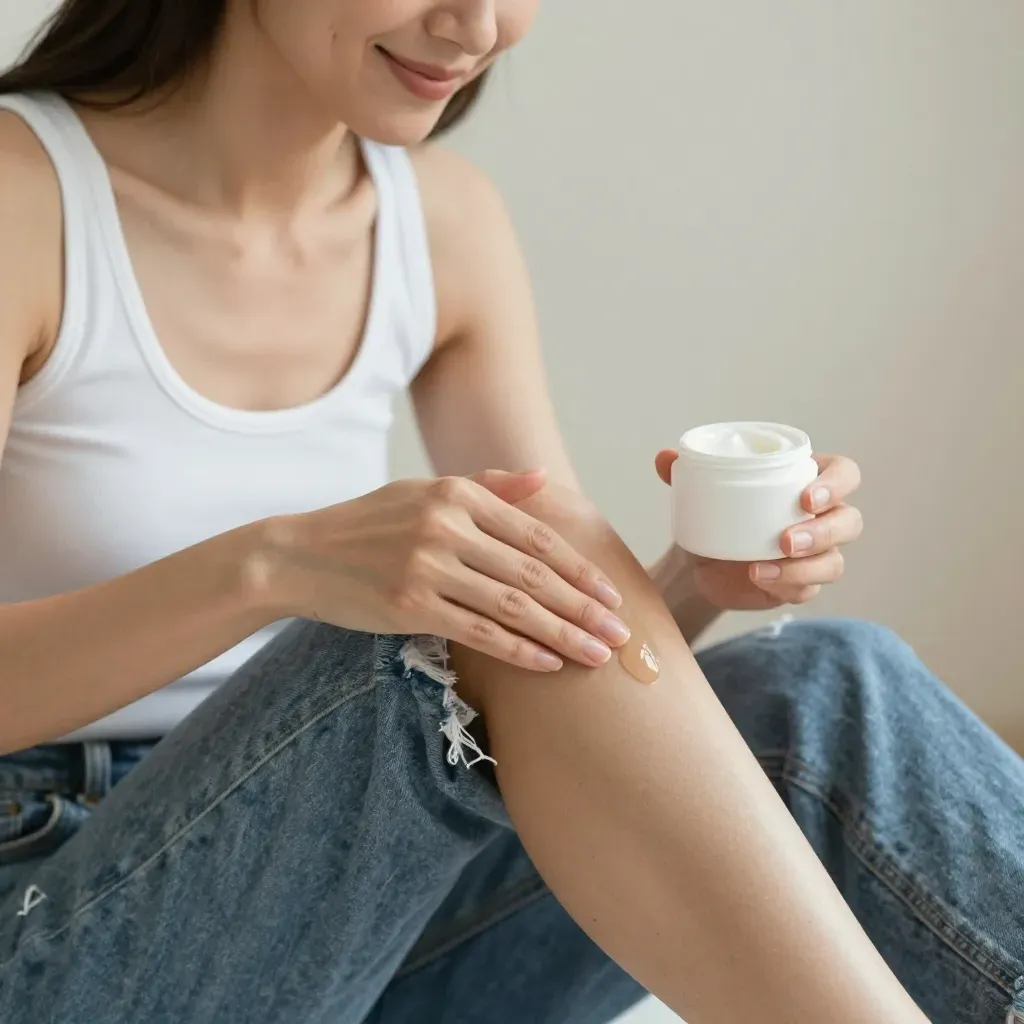
Spot treatments need precise application directly on bump. Use clean cotton swab for benzoyl peroxide. Pat serums gently; do not rub aggressively. Press microneedle patches firmly for 10 seconds. Cover entire affected area with thin layer of chemical exfoliants.
Product | Method | Amount | Timing |
|---|---|---|---|
Serum | Pat with fingers | Pea-sized | PM only |
Cream | Spread evenly | Thin layer | AM/PM |
Patch | Press firmly | One patch | 6 hours |
Scrub | Gentle circles | Dime-sized | Pre-shower |
Layer products properly
Apply chemical exfoliants before moisturizers. Wait 5 minutes between layers. Never mix benzoyl peroxide and retinoids. Use hyaluronic acid serum after exfoliants. Seal with non-comedogenic moisturizer.
- Day: Cleanse -> Exfoliant -> Moisturizer -> SPF 30+
- Night: Cleanse -> Exfoliant -> Hydrating serum -> Moisturizer
- Active bump: Cleanse -> Spot treatment only
Safety protocols
Patch test new products on inner arm for 48 hours. Stop immediately if severe burning occurs. Do not apply on broken skin. Avoid sun exposure after acids; SPF 30+ mandatory. Rotate acid types weekly to prevent resistance.
Implement prevention strategies to stop future ingrown hairs
Modify hair removal techniques
Switch to single-blade safety razors instead of multi-blade cartridges.
Shave in direction of hair growth, never against it.
Replace blades after 5-7 uses to maintain sharpness.
Apply pre-shave oil to soften hair and reduce friction.
Leave slight stubble instead of shaving too close.
Consider laser hair removal for permanent ingrown prevention.
Build consistent exfoliation schedule
Exfoliate 2-3 times weekly with chemical acids or physical scrubs.
Time exfoliation 24 hours before any hair removal session.
Resume exfoliation 48 hours after shaving or waxing.
Use daily salicylic acid pads on high-risk areas like bikini line.
Dry brush legs and arms before showering to boost circulation.
Exfoliant Type | Frequency | Best Timing | Areas |
|---|---|---|---|
Salicylic acid serum | Daily | Evening | Face, bikini |
Glycolic scrub | 2-3x/week | Pre-shower | Legs, arms |
Buffing bar | 2x/week | Before shaving | Body |
Dry brush | Daily | Pre-shower | Legs, arms |
Optimize skin barrier function
Apply non-comedogenic moisturizer twice daily.
Choose oil-free formulas for acne-prone areas.
Keep skin hydrated to reduce friction and irritation.
Avoid heavy body butters that clog follicle openings.
Wear loose cotton underwear to minimize pressure.
Professional prevention solutions
Laser hair removal destroys follicles and stops ingrowns permanently.
Most clients need 6-8 sessions for lasting results.
At-home laser devices maintain results between professional sessions.
Mild ingrowns do not prevent laser treatment; severe infections do.
Multiple sessions reduce hair density and eliminate ingrown formation.
- Change out of sweaty workout clothes immediately
- Never pick or squeeze visible ingrowns
- Patch test all new products before full use
- Apply SPF 30+ daily when using exfoliating acids
- Keep razor clean and dry between uses