
Table of Contents
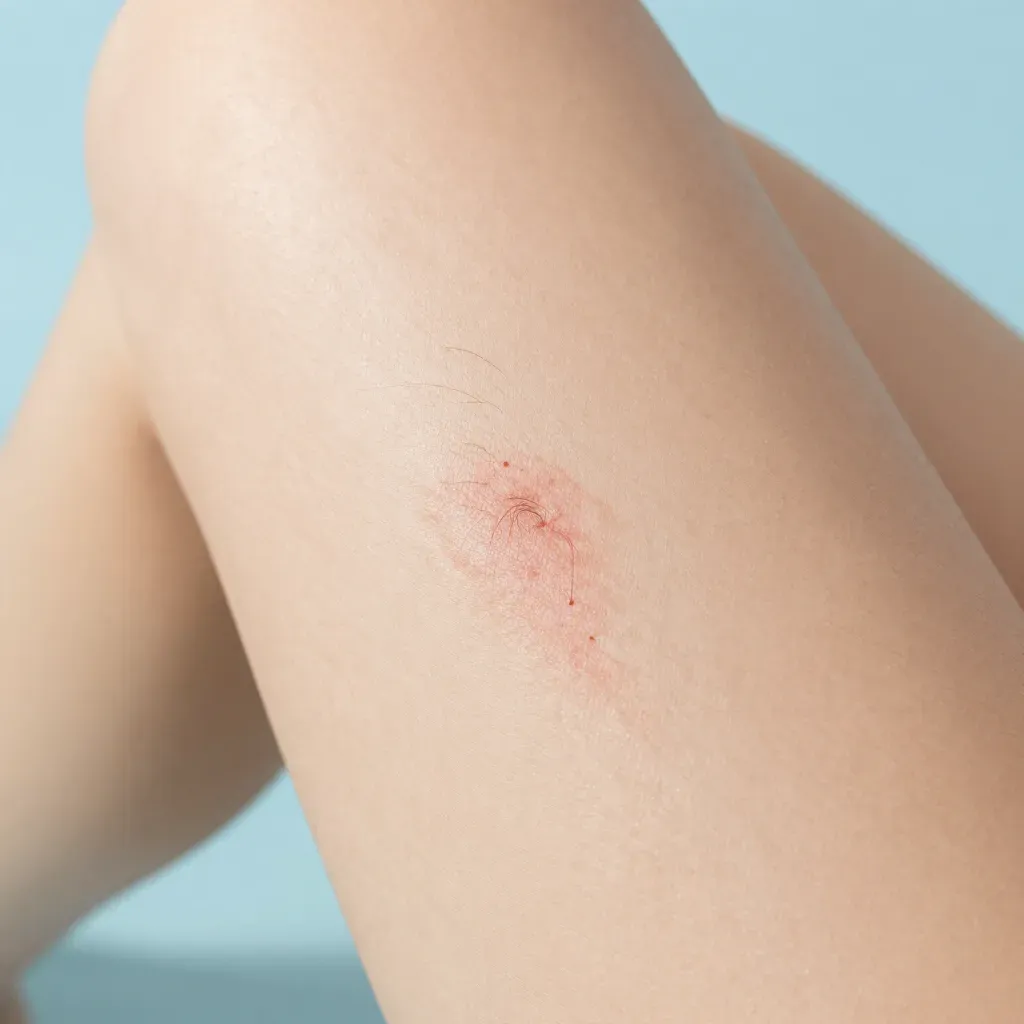
Depilatory creams cause ingrown hairs by chemically dissolving hair below skin, leaving sharp fragments that curl back into follicles and pierce tissue.
High-risk areas include bikini line, underarms, inner thighs, and lower legs, especially with curly or coarse hair.
Chemical trauma weakens follicle walls and repeated use makes the problem worse.
Prevent ingrowns by exfoliating exactly 24 hours before with salicylic acid or gentle physical scrubs.
Apply cream to dry skin in thick layer, then moisturize within 3 minutes after removal using ceramide-based products.
Wear loose clothing for 24 hours and wait minimum 72 hours between applications to reduce ingrowns by up to 60%.
Question | Answer |
|---|---|
Why do depilatory creams cause ingrown hairs? | They chemically break hair below skin, leaving sharp fragments that curl back into follicles and pierce tissue. |
Which body areas are most affected? | Bikini line, underarms, inner thighs, and lower legs with curly or coarse hair face highest risk. |
When should I exfoliate before using depilatory cream? | Exfoliate exactly 24 hours before application to remove dead cells without causing irritation. |
What moisturizer should I use after removal? | Apply fragrance-free ceramide-based moisturizer within 3 minutes while skin is still damp. |
How often can I safely use depilatory creams? | Wait minimum 72 hours between applications to avoid weakening skin barrier and increasing ingrown risk. |
Depilatory creams cause ingrown hairs when chemicals break hair unevenly below skin.
Chemical depilatories dissolve hair protein structure through active ingredients like calcium thioglycolate. This process leaves hair fragments with blunt, sharp tips beneath the skin surface. These broken hairs regrow at unnatural angles and pierce surrounding skin tissue.
Chemical breakdown creates sharp hair stubs.
The cream weakens keratin bonds but rarely removes entire hair uniformly. Residual hair shafts curl back into follicles during regrowth phase. This trapped hair triggers inflammatory response, creating painful red bumps.
Method | Ingrown Risk | Reason |
|---|---|---|
Depilatory Creams | High | Blunt tips grow sideways |
Shaving | Medium | Sharp angle cuts hair |
Waxing | Low | Removes full hair from root |
Body areas most affected.
Curly or coarse hair increases ingrown probability. High-risk zones include:
- Bikini line
- Underarms
- Inner thighs
- Lower legs
Skin trauma from harsh chemicals weakens follicle walls, making it easier for new hair to penetrate adjacent tissue instead of exiting normally. Repeated use intensifies this cycle.
Prevent ingrown hairs by exfoliating before cream application and moisturizing after.
Exfoliate skin exactly 24 hours before applying hair removal cream.
This timing allows skin to recover while still removing dead cell buildup.
Dead skin cells block hair follicle openings and force hair to grow sideways.
Effective exfoliation methods.
Use chemical exfoliants containing 2% salicylic acid for best results.
Salicylic acid dissolves oil inside pores and releases trapped hair tips.
Physical exfoliants with jojoba beads offer gentler alternative for sensitive skin.
Avoid products with alcohol that dry out and irritate skin barrier.
Never exfoliate immediately before cream application; this increases chemical burn risk.
Apply depilatory cream to completely dry, clean skin only.
Water or sweat dilutes active chemicals and creates patchy hair removal.
Patchy removal leaves uneven hair stubs that easily become ingrown.
Use thick layer covering all hair completely; thin spots cause incomplete breakdown.
Moisturizing protocol after hair removal.
Rinse cream off with lukewarm water after recommended time.
Pat skin dry with soft towel; never rub or scrape.
Apply fragrance-free moisturizer within 3 minutes while skin is damp.
This locks in water and repairs chemical-induced barrier damage.
Time | Action | Product Type |
|---|---|---|
24 hours before | Exfoliate | Salicylic acid cleanser |
0 minutes | Apply cream | Depilatory cream |
5-10 minutes | Remove cream | Damp cloth |
Within 3 min after | Moisturize | Ceramide cream |
48 hours after | Continue care | Gentle moisturizer |
- Use moisturizers with ceramides, hyaluronic acid, or glycerin.
- Avoid shea butter or coconut oil on acne-prone areas.
- Reapply moisturizer every 8 hours for first two days.
- Wear loose clothing for 24 hours to prevent friction.
- Friction pushes broken hair tips back into follicles.
Wait minimum 72 hours between depilatory cream applications.
Repeated chemical exposure weakens skin barrier and increases ingrown risk.