
Table of Contents
Ingrown hairs form when removed hair grows back into skin instead of outward.
Hair curls back after shaving or waxing, or dead skin clogs follicles.
They appear most on face, legs, armpits, and pubic area.
Curly hair, shaving against grain, dull blades, tight clothing, and skipping exfoliation increase risk.
Treat at home with 10-15 minute warm compresses several times daily.
Exfoliate 2-3 times weekly using physical scrubs or chemical acids like salicylic acid.
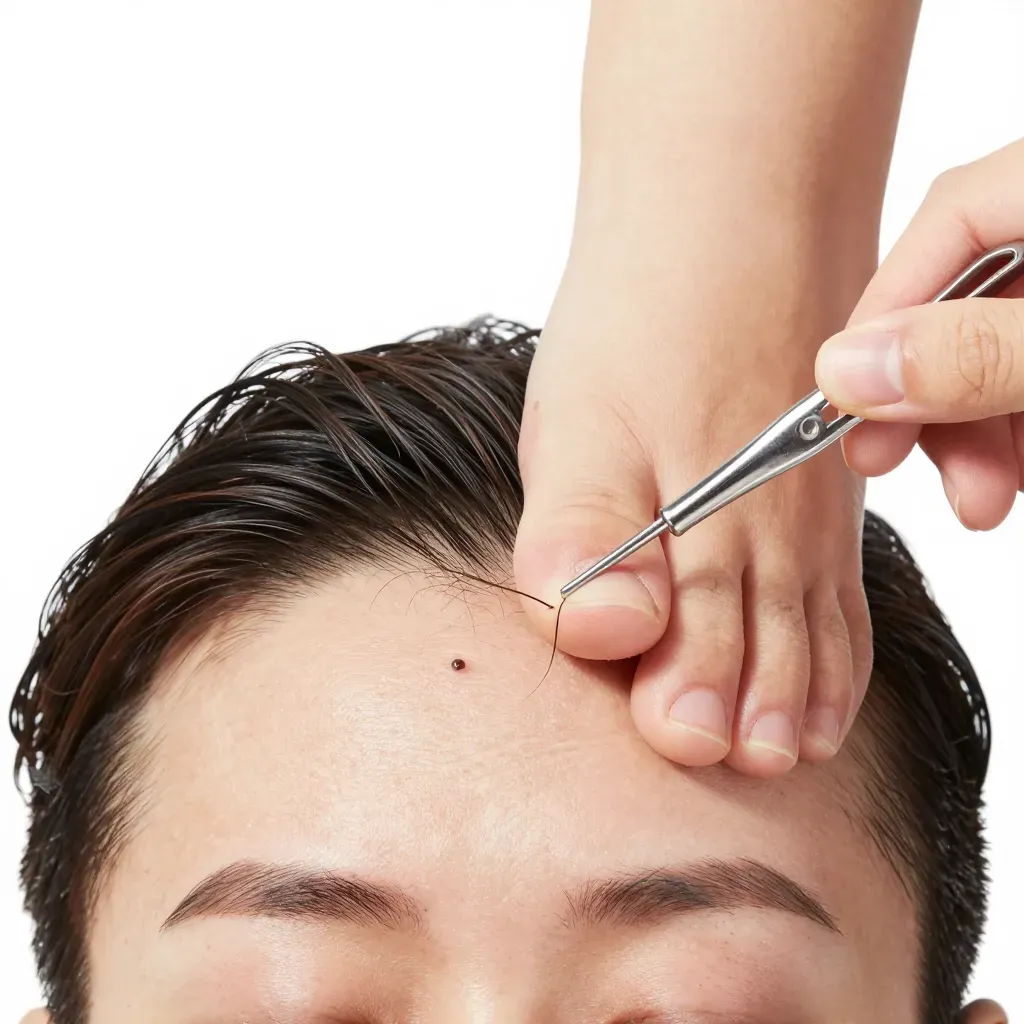
For visible hair loops, sterilize a needle and tweezers, lift the hair, grasp it, twist, and pull in growth direction.
Never dig for buried hairs.
See a doctor for persistent cases, infection signs, or clusters.
Doctors prescribe steroid or antibiotic creams.
Laser hair removal and electrolysis provide permanent solutions.
Prevent by shaving with the grain, using sharp razors, exfoliating regularly, and moisturizing daily.
Question | Answer |
|---|---|
What causes ingrown hairs? | Hair curls back into skin after removal or dead skin clogs follicles. |
How do I treat ingrown hairs at home? | Apply warm compresses and exfoliate regularly with scrubs or salicylic acid. |
When should I see a doctor for ingrown hairs? | Seek care for persistent cases, infection signs, or clusters of bumps. |
How can I prevent ingrown hairs? | Shave with the grain, use sharp razors, exfoliate 2-3 times weekly, and moisturize daily. |
What permanent solutions exist for ingrown hairs? | Laser hair removal and electrolysis destroy follicles to prevent regrowth. |
What ingrown hairs are and why they form
Ingrown hairs occur when hair grows back into the skin instead of outward. This common condition creates itchy, tender bumps that can become inflamed or infected. The problem stems from disrupted hair growth patterns.
Two mechanisms cause ingrown hairs
- Hair curls back into the skin after shaving, tweezing, or waxing
- Dead skin cells clog the follicle opening, forcing sideways growth instead of upward
Common names
People call them razor bumps, barber's itch, shave bumps, or pseudofolliculitis barbae.
Where they appear
Ingrown hairs develop anywhere hair grows, but concentrate in areas where you regularly remove hair.
Common Locations | Primary Cause |
|---|---|
Face | Daily shaving routine |
Legs | Frequent shaving |
Armpits | Curly hair texture + friction |
Pubic area | Coarse hair + tight clothing |
Key risk factors
- Curly or coarse hair texture
- Shaving against hair growth direction
- Using dull razor blades
- Wearing tight clothing
- Skipping regular exfoliation
- Dry shaving without cream
Remove them at home with warm compresses and exfoliation
Apply warm compresses to soften skin and draw trapped hairs out. Soak a clean washcloth in warm water and hold it on the affected area for 10-15 minutes. Repeat several times daily until the hair emerges. The heat opens pores and encourages natural hair release.
Exfoliate to clear blocked follicles
Remove dead skin cells that trap hairs beneath the surface. Choose between physical or chemical exfoliants based on your skin sensitivity.
Method | Examples | Frequency |
|---|---|---|
Physical | Sugar scrubs, coffee scrubs, dry brushing | 2-3 times weekly |
Chemical | Salicylic acid, lactic acid, glycolic acid | Daily to weekly |
Massage gently in circular motions. Avoid aggressive scrubbing that damages skin.
Salicylic acid penetrates deep
Salicylic acid dissolves hardened proteins blocking pores. Apply directly to ingrown hairs after cleansing. This beta hydroxy acid prevents future blockages by keeping follicles clear.
Natural remedies
- Tea tree oil: dab on bumps for antibacterial action
- Aloe vera gel: reduces redness and irritation
- Salt scrub: mix with oil for gentle body exfoliation
- Apple cider vinegar: dilute and apply to balance pH
- Baking soda paste: mix with water for spot treatment
- Aspirin paste: crush tablets with water for anti-inflammatory benefits
Use sterile tools to lift trapped hairs safely
Only remove ingrown hairs when you see a visible hair loop near the skin surface. Never dig for buried hairs.
Prepare properly
- Wash skin with soap and warm water
- Sterilize tweezers or needle with rubbing alcohol
- Pat area completely dry
Step-by-step removal
- Insert sterile needle under hair loop
- Gently lift trapped tip upward until it emerges
- Grasp hair center with tweezers
- Twist both directions to free entire strand
- Pull out in direction of growth
Safe Practice | Risky Behavior |
|---|---|
Use sterile instruments only | Using unsterilized tools |
Work on surface-level loops | Cutting into skin |
Stop if bleeding occurs | Squeezing or popping bumps |
Apply antiseptic after | Ignoring signs of infection |
When to stop and see a doctor
- Hair remains trapped after multiple attempts
- Area becomes increasingly red or swollen
- Pus or severe pain develops
- You cannot see the hair loop clearly
Get professional help for persistent cases
Consult a dermatologist when ingrown hairs become chronic or infected. Medical intervention prevents scarring and permanent skin damage.
When to seek medical care
- Multiple ingrown hairs cluster in one area
- Bumps remain after two weeks of home treatment
- Increasing redness, swelling, or pus appears
- Severe pain limits daily activities
- You develop fever or spreading redness
Professional treatments
Dermatologists use sterile instruments to extract deeply embedded hairs safely. They may prescribe:
- Steroid creams to reduce inflammation
- Antibiotic creams for mild infection
- Oral antibiotics for widespread infection
Permanent hair removal options
Treatment | Mechanism | Effectiveness |
|---|---|---|
Laser hair removal | Pulses of light destroy follicles | Dramatically reduces hair growth |
Electrolysis | Electric current destroys follicles | Permanent hair removal |
Both procedures require multiple sessions performed by qualified professionals. Laser treatment works best on dark hair and light skin combinations.
Cost considerations
Professional extraction costs $100-300 per session. Laser hair removal averages $285 per session. Electrolysis runs $30-100 per hour. Insurance rarely covers cosmetic procedures.
Prevent future ingrown hairs with proper care
Prevention beats treatment every time. Follow a consistent routine before, during, and after hair removal to stop ingrown hairs before they start.
Prepare skin before hair removal
- Take a warm shower or apply warm compress for 5-10 minutes
- Massage skin to stimulate blood flow
- Apply shaving cream or gel—never dry shave
Shaving technique matters most
Do This | Avoid This |
|---|---|
Shave in hair growth direction | Shaving against grain |
Use sharp, clean razor | Using dull blades |
Use minimal strokes | Repeated passes over same area |
Rinse razor after each stroke | Letting hair clog blade |
Exfoliate and moisturize regularly
Exfoliate 2-3 times weekly with salicylic acid or gentle scrubs. Moisturize daily to keep skin soft and pliable. Avoid alcohol-based products—they dry skin and close pores.
Try alternative hair removal
- Depilatory creams dissolve hair at surface level
- IPL devices reduce hair growth over time
- Laser hair removal destroys follicles permanently
- Electrolysis provides permanent results for small areas