
Table of Contents
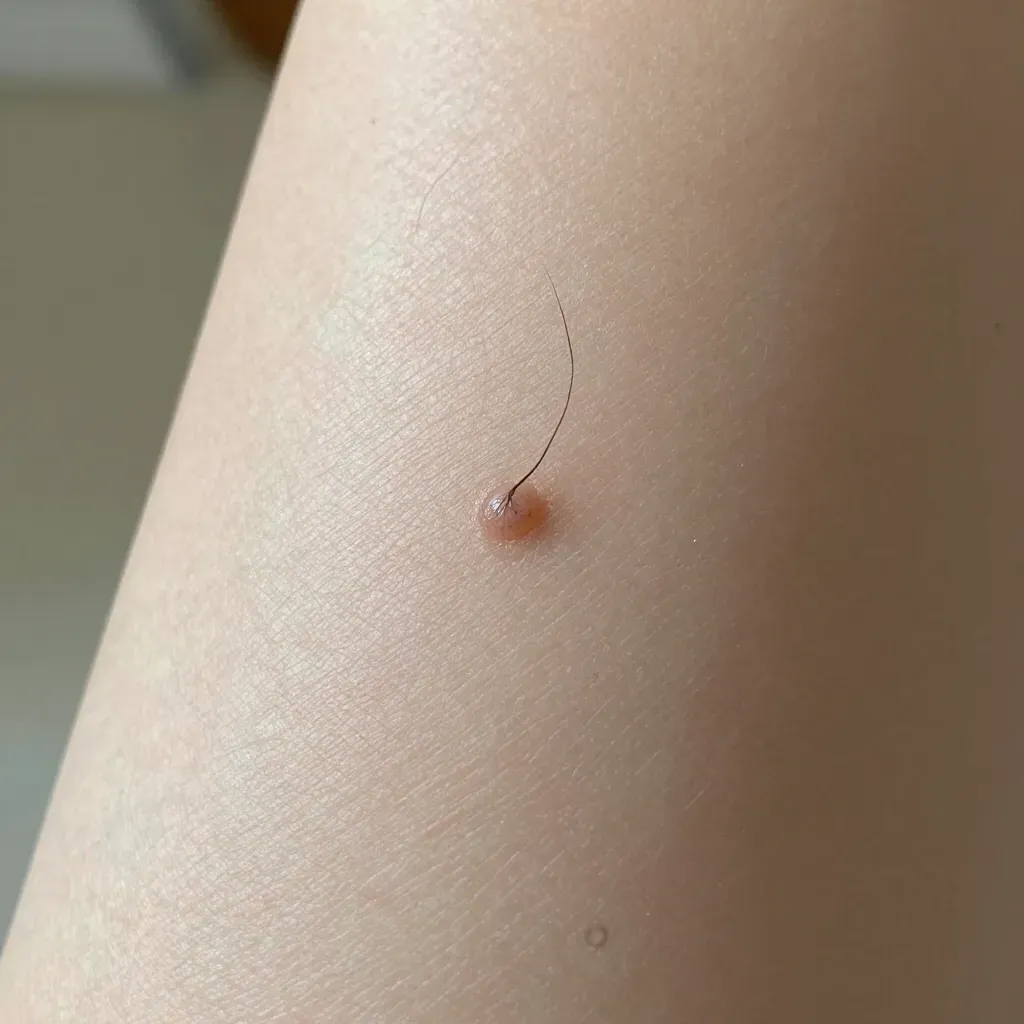
Ingrown hairs happen when hair curls back into skin or dead skin blocks follicles.
Curly hair, bad shaving, and clogged pores cause most cases.
Common spots: bikini line, armpits, legs, beard area.
Home treatment: warm compresses, salicylic acid exfoliation, retinoid creams.
Extract only when hair loops are visible.
Never squeeze, pop, or shave over bumps.
See doctor for spreading redness, pus, severe pain, fever.
Prevention: shave with hair growth, sharp blades, daily exfoliation.
Permanent removal: laser or electrolysis destroys follicles forever.
Question | Answer |
|---|---|
What causes ingrown hairs? | Hair curling back into skin or dead skin blocking follicles. |
How do I treat ingrown hairs at home? | Use warm compresses, daily salicylic acid, and extract visible hairs only. |
When should I see a doctor? | If you notice spreading redness, pus, severe pain, or fever. |
How can I prevent ingrown hairs? | Shave with hair growth, use sharp blades, and exfoliate daily. |
What permanently stops ingrown hairs? | Laser or electrolysis destroys follicles and stops them forever. |
Learn what causes ingrown hairs
Primary Mechanism: Hair Re-Entry
Ingrown hairs occur when a removed hair fails to exit the skin properly. This happens in two main ways. First, the hair curls back and re-enters the skin. Second, dead skin cells block the hair follicle, forcing the growing hair to grow sideways beneath the surface. Both create a red, itchy bump often called a razor bump or pseudofolliculitis barbae.
Key Contributing Factors
Certain factors dramatically increase your risk.
- Hair Type: Naturally curly or coarse hair is more likely to bend back into the skin as it grows.
- Dead Skin Buildup: Clogged follicles from poor exfoliation trap hairs.
- Shaving Technique: Dull blades, shaving against the grain, stretching skin taut, or multiple passes over the same spot.
- Hair Removal Method: Any method that cuts hair below the skin surface (shaving, waxing, tweezing) can cause it.
- Friction: Tight clothing rubbing against freshly shaved skin.
Hair Removal Methods That Trigger Ingrown Hairs
Any process that removes hair at or below the skin can lead to ingrowns. Shaving is the most common culprit because it creates a sharp, blunt tip that easily pierces the skin as it grows. Waxing and tweezing remove hair from the root, but if the hair breaks unevenly during removal, it can still grow sideways. Even without removal, clogged follicles from dead skin can cause hairs to grow inward.
Common Locations
Ingrown hairs appear anywhere hair is removed but are most frequent in:
- Bikini line and pubic area (Brazilian)
- Armpits
- Legs
- Neck and face (especially in men with curly beard hair)
Remove them safely at home
Start With Heat
Apply warm damp cloth to bump for 10-15 minutes. Softens skin and opens pores. Brings trapped hair closer to surface. Repeat 3-4 times daily until hair loop emerges. Heat is safest first step before any other treatment.
Exfoliate Daily
Remove dead skin cells blocking hair growth. Use soft washcloth in gentle circular motions for several minutes each day. Chemical exfoliants work better: salicylic acid or glycolic acid dissolve the skin barrier trapping hair. Apply these once daily. Stop if you notice burning or increased redness.
Use Targeted Treatments
Product Type | What It Does | How To Use |
|---|---|---|
Adapalene gel (OTC retinoid) | Speeds up cell turnover | Thin layer nightly |
Benzoyl peroxide cream | Dries bumps and kills bacteria | Spot treat morning |
Hydrocortisone cream | Reduces swelling and itching | Thin layer twice daily |
Antibiotic ointment | Prevents infection after extraction | Apply after removal |
Extract Only When Visible
Wait until hair loop shows above skin. Sterilize tweezers or needle with rubbing alcohol. Gently lift loop—do not yank hard. Goal is freeing hair, not removing it completely. Apply antibiotic ointment immediately after. Never dig into skin to find hidden hair.
Common Mistakes To Avoid
- Never squeeze or pop ingrown hairs like pimples
- Do not use dirty tools or fingers
- Avoid picking at scabs or crusts
- Skip abrasive scrubs on already inflamed areas
- Do not shave, wax, or tweeze over active bumps
- Never apply alcohol or hydrogen peroxide directly
Know when medical help is needed
Red Flag Symptoms
See a healthcare provider if you notice these warning signs. They indicate infection or complication requiring prescription treatment.
Warning Sign | What It Means |
|---|---|
Redness spreading beyond bump | Cellulitis risk |
Severe throbbing pain | Deep infection possible |
Skin feels hot to touch | Inflammation or abscess |
Yellow/green pus | Bacterial infection present |
Fever or chills | Systemic infection |
No improvement after 4 days | Needs stronger treatment |
What Doctors Can Do
Medical professionals use sterile tools and prescription medications for faster results.
Medical Treatment | Purpose |
|---|---|
Sterile needle/blade extraction | Removes deep embedded hairs safely |
Prescription retinoids | Accelerates skin cell turnover |
Oral/topical antibiotics | Treats active infection |
Steroid creams | Reduces severe inflammation |
Laser hair removal | Permanent prevention by destroying follicle |
When Home Treatment Fails
Stop self-treating if:
- Ingrown hairs recur in same spot
- Dark spots or scars develop
- Multiple bumps cluster together
- Hair grows deeper despite warm compresses
- You have diabetes or immune issues
Prevent them from returning
Shave Smarter
Change your technique to minimize irritation and prevent hairs from curling back.
Do This | Never Do This |
|---|---|
Shave with hair growth direction | Shave against the grain |
Use sharp single-blade razors | Use dull multi-blade cartridges |
Replace blade every 5-7 shaves | Reuse blades beyond 7 shaves |
Rinse blade after each stroke | Press razor into skin |
Apply shaving gel/cream | Dry shave or use soap |
Use minimal strokes | Stretch skin taut while shaving |
Daily Skin Care Routine
Consistent exfoliation and hydration keep follicles clear.
Step | Product Type | Frequency |
|---|---|---|
Exfoliate | Salicylic/glycolic acid | Daily |
Cleanse | Non-comedogenic soap | Before/after shaving |
Moisturize | Fragrance-free lotion | After every shave |
Treat | Ingrown hair serum | 2-3 times weekly |
Choose Better Tools
Your razor choice impacts ingrown hair risk significantly.
- Safety razors: Single blade cuts at skin level, less likely to trap hair
- Electric shavers: Hold just above skin surface, avoid close cuts
- Sharp blades: Replace cartridges frequently to prevent tugging
- Exfoliating gloves: Use Italy towels or similar to clear dead skin
Alternative Hair Removal Methods
Stop shaving entirely to eliminate the problem.
Method | Ingrown Risk | Duration |
|---|---|---|
Depilatory creams | Low | 1 week |
Laser hair removal | None (destroys follicle) | Permanent |
Electrolysis | None (destroys follicle) | Permanent |
Waxing/threading | Medium-high | 3-6 weeks |
Consider permanent removal options
Why Permanent Removal Works
Permanent hair removal eliminates ingrown hairs by destroying the follicle. No follicle means no hair growth and zero chance of hairs curling back into skin. This is the only guaranteed prevention method. Once follicle is destroyed, skin remains smooth permanently.
Laser Hair Removal
Laser targets melanin in hair with light pulses that heat and destroy follicles. Best for large areas like legs, bikini, and back. Requires 6-8 sessions spaced 4-6 weeks apart. Works best on dark hair and lighter skin tones. Newer lasers can treat darker skin safely. Each session takes 15-60 minutes depending on area.
Area | Sessions Needed | Typical Cost | Time per Session |
|---|---|---|---|
Bikini/Brazilian | 6-8 | $150-300 | 20-30 min |
Underarms | 6-8 | $100-200 | 15-20 min |
Full legs | 8-10 | $300-500 | 45-60 min |
Electrolysis
Electrolysis uses a tiny needle to deliver electric current to each individual follicle. Destroys follicle permanently. Works on all hair colors including blonde and gray. Best for small areas like chin, upper lip, or eyebrows. Requires weekly sessions for several months. More time-intensive but universal solution. Each session lasts 15-60 minutes.
Laser vs Electrolysis Comparison
Factor | Laser Hair Removal | Electrolysis |
|---|---|---|
Speed | Fast (treats large areas) | Slow (one follicle at a time) |
Hair Colors | Best for dark hair | All hair colors |
Skin Types | Most skin types (with right laser) | All skin types |
Cost | Per session, higher upfront | Per hour, adds up over time |
Permanence | Long-term reduction (80-90%) | 100% permanent |
Session Count | 6-8 sessions | 12+ sessions |
What To Expect
Both methods cause mild discomfort—like a rubber band snap. Redness and swelling last 24-48 hours. Avoid sun exposure before and after treatments. Results appear gradually over weeks. Final results visible after completing full treatment series. Some hairs may regrow lighter and finer, requiring occasional maintenance.
Is It Worth It?
Consider permanent removal if you get chronic ingrown hairs, have thick curly hair, or spend excessive time managing bumps. Calculate current spending on razors, creams, and treatments versus one-time permanent solution. Most patients report significant improvement in skin texture and confidence after completing treatments. Professional consultation determines which method suits your skin and hair type best.