
Table of Contents
Ingrown pubic hairs cause painful red bumps when removed hair grows back into skin.
Treat with warm compresses and exfoliation.
Prevent through proper technique and aftercare.
Laser removal offers permanent solution.
See doctor for infection signs or bumps over two weeks.
Question | Answer |
|---|---|
What causes ingrown pubic hairs? | Shaving, waxing, or plucking makes hair grow back into skin. |
How do I treat them at home? | Apply warm compresses and gently exfoliate daily. |
When should I see a doctor? | See doctor for spreading redness, pus, fever, or bumps over two weeks. |
What's the best prevention? | Exfoliate before removal, shave with the grain, moisturize after. |
What permanently stops them? | Laser hair removal destroys follicles permanently after 6-8 sessions. |
Identify ingrown pubic hairs and common symptoms.
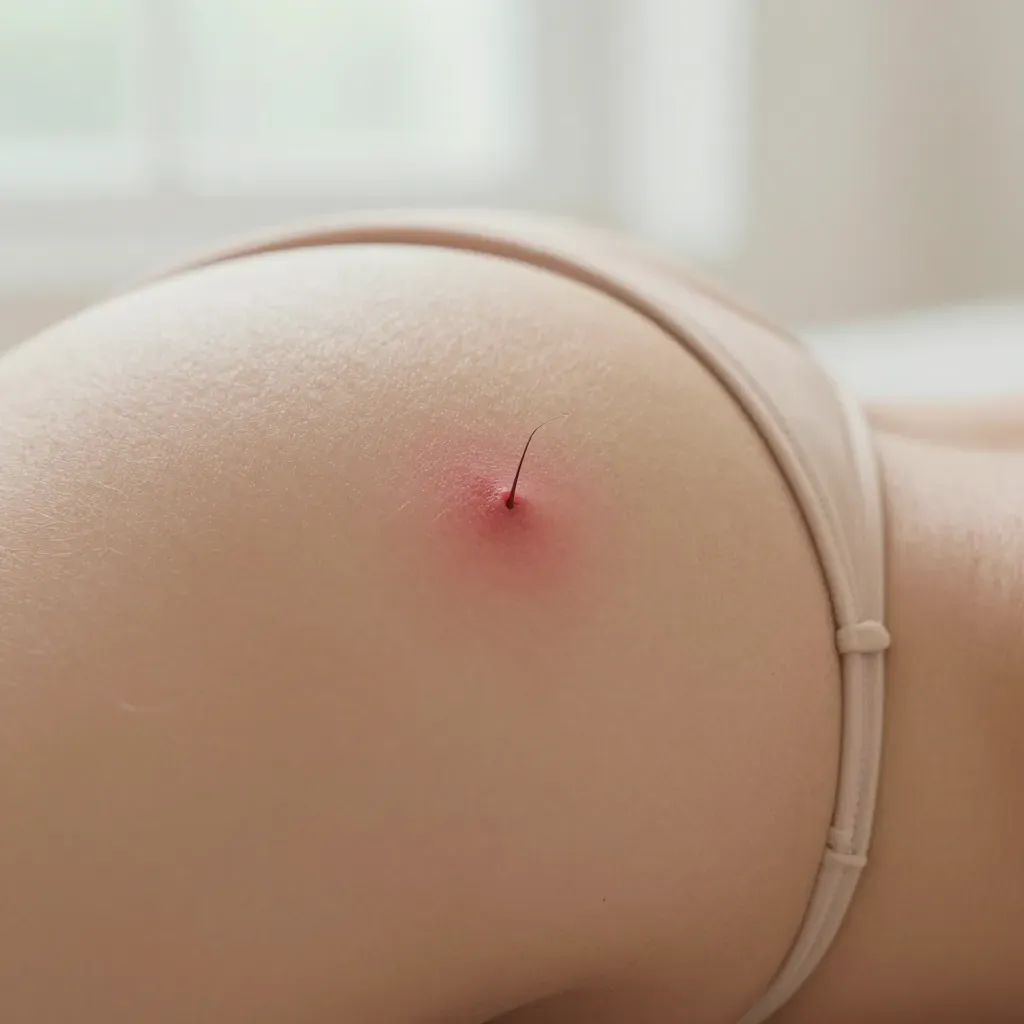
Ingrown pubic hair develops when shaved, waxed, or plucked hair grows back into the skin instead of emerging from the follicle. This trapped hair creates inflammation and irritation in the sensitive bikini area.
Visual identification markers
- Small red or pink bumps appearing within days after hair removal
- Razor bumps with a visible hair loop trapped beneath the skin surface
- Pus-filled lesions resembling pimples or acne cysts
- Darkened skin patches forming around irritated follicles
- Clusters of bumps in areas of repeated shaving or waxing
Physical symptoms checklist
Sensation | Description |
|---|---|
Itching | Intense urge to scratch the affected pubic region |
Tenderness | Painful response to touch, friction, or pressure from clothing |
Swelling | Inflamed, raised bumps above skin level |
Burning | Stinging sensation during urination, sweating, or exercise |
Discomfort | General soreness that interferes with daily activities |
Infection warning signs
Seek medical attention if you notice increased redness spreading beyond the bump, warmth radiating from the area, yellow or green pus discharge, fever, or rapidly intensifying pain. These symptoms indicate bacterial infection requiring professional treatment.
Coarse pubic hair texture and delicate skin make the bikini line particularly susceptible to this condition. Brazilian laser hair removal eliminates the problem permanently by destroying hair follicles. Laser treatments specifically target ingrown hairs and prevent future occurrences.
Most ingrown hairs resolve spontaneously within one to two weeks if you stop removal methods and allow skin to heal. Distinguish ingrown hairs from folliculitis, which causes similar bumps but stems from bacterial infection rather than trapped hair. Persistent lumps lasting over a month, unusually large cysts, or symptoms that worsen despite home treatment warrant professional evaluation to rule out serious skin conditions.
Apply warm compresses and gentle exfoliation for home treatment.
Start treatment immediately when you notice an ingrown pubic hair. Warm compresses and exfoliation work together to soften skin, reduce inflammation, and guide the trapped hair to the surface.
Warm compress technique
Apply a warm, wet washcloth to the affected area for 10-15 minutes, three to four times daily. This heat therapy opens pores, increases blood flow, and relaxes the skin barrier. For deeper ingrown hairs, extend compress time to 20 minutes. Always use clean cloths to prevent bacterial introduction. The compress should feel warm, not hot, to avoid burning sensitive pubic skin.
Time of Day | Duration | Expected Result |
|---|---|---|
Morning | 10 minutes | Softens overnight skin buildup |
Midday | 10 minutes | Maintains pore openness |
Evening | 15 minutes | Prepares for overnight healing |
Before bed | 15 minutes | Maximizes skin recovery during sleep |
Exfoliation methods
Gentle exfoliation removes dead skin cells blocking the hair follicle. Use circular motions with light pressure to avoid further irritation. Physical exfoliants include soft washcloths, gentle scrubs, or soft-bristled brushes. Chemical exfoliants containing glycolic acid or salicylic acid penetrate deeper and work continuously. Apply chemical exfoliants once daily, starting with lowest concentrations to test skin tolerance.
- Physical: Soft washcloth massage during shower
- Chemical: Salicylic acid pads designed for bikini area
- Natural: Sugar scrub with coconut oil base
- Advanced: Home laser devices prevent future ingrown hairs by reducing regrowth
Safe extraction process
Only attempt removal when you see the hair loop clearly at the surface. Sterilize tweezers with rubbing alcohol. Gently lift the hair tip without plucking completely. Pulling the hair out creates new sharp edge that may re-enter skin. Stop immediately if you encounter resistance or bleeding. Apply hydrocortisone cream afterward to reduce redness and itching.
Avoid picking, squeezing, or digging at the bump. These actions push bacteria deeper and increase infection risk. Waxing over ingrown hairs worsens inflammation and traps hairs further. If no improvement after three days of consistent treatment, discontinue home methods and consult a dermatologist. Persistent bumps lasting over two weeks require professional removal using sterile needle or blade.
Prepare skin before hair removal and maintain proper aftercare.
Pre-removal prep steps
Exfoliate 1-2 days before hair removal to clear dead skin cells. Wash pubic area with mild soap and warm water to open pores. Apply sensitive-area shave gel or cream. Skip alcohol-based products that dry skin.
When | What to do | What to use |
|---|---|---|
2 days before | Gentle exfoliation | Glycolic acid scrub |
1 day before | Deep moisturize | Fragrance-free lotion |
Day of | Cleanse and soften | Warm water, mild soap |
Before shaving | Apply shave gel | Shave cream for sensitive skin |
Shaving technique
Use sharp, clean razor—replace blades after 3-4 uses maximum. Shave in direction of hair growth with single, deliberate strokes. Don't stretch skin taut. Rinse blade after every stroke to prevent clogging and bacteria buildup.
- Shave with the grain
- One pass only—no re-shaving same spot
- Use thick shave gel for smooth glide
- Keep strokes short and light pressure
- Rinse with cool water when finished
Aftercare routine
Apply alcohol-free moisturizer immediately after shaving. Start exfoliating every 2-3 days beginning 48 hours post-shave. Wear loose, breathable cotton underwear. Avoid tight clothing, sweating, and sexual activity for 24 hours minimum.
Timeframe | Action | Product |
|---|---|---|
0-24 hours | Moisturize and rest | Aloe vera gel, hydrocortisone cream |
24-48 hours | Gentle cleansing only | Mild soap, cool water |
48+ hours | Begin exfoliation | Salicylic acid pads |
Daily ongoing | Light moisturize | Non-comedogenic lotion |
Long-term prevention strategy
Brazilian laser hair removal eliminates ingrown hairs permanently by destroying follicles. Waxing can remove surface hairs but often worsens inflammation. Maintain consistent exfoliation schedule. Never pick or squeeze bumps.
Professional laser treatment takes 6-8 sessions for permanent reduction. Home laser devices offer maintenance between professional treatments.
Seek medical attention for persistent or infected ingrown hairs.
Most ingrown hairs heal within two weeks. Medical treatment becomes necessary when symptoms worsen or fail to improve with home care.
Infection warning signs
Symptom | Action Required |
|---|---|
Spreading redness beyond bump | See doctor within 24 hours |
Heat radiating from area | Immediate medical evaluation |
Pus or yellow discharge | Antibiotics likely needed |
Fever or chills | Urgent care required |
Rapidly intensifying pain | Same-day appointment |
Medical treatments available
Doctors use sterile instruments to extract deeply embedded hairs safely. They prescribe medications to control inflammation and prevent infection.
- Sterile needle or scalpel removal
- Steroid cream for swelling and irritation
- Antibiotic treatment for bacterial infection
- Swab testing for recurrent cases
- Prescription-strength chemical exfoliants
When to stop home treatment
Schedule a doctor visit if bumps persist beyond two weeks despite consistent care. Recurring ingrown hairs in the same spot indicate improper technique or underlying skin issues. Large, painful cysts or darkened skin patches lasting over a month need professional evaluation.
Stop all hair removal methods until skin fully heals. Continuing to shave or wax over irritated follicles traps more hairs and worsens inflammation. Laser hair removal offers permanent solution by destroying follicles. Professional treatment eliminates recurring ingrown hairs in sensitive areas.
Doctors differentiate ingrown hairs from folliculitis, cysts, or other skin conditions requiring different treatments. Persistent lumps that don't respond to standard care may need biopsy to rule out serious conditions. Find a qualified provider for long-term hair removal solutions.
Explore alternative hair removal methods to prevent future issues.
Switching removal techniques eliminates ingrown hairs at the source. Different methods cut hair without creating sharp regrowth that penetrates skin.
Depilatory creams
Chemical creams dissolve hair protein below skin surface. No sharp edge remains to re-enter skin. Apply for recommended time, wipe away hair. Results last 3-7 days. Patch test first—chemicals irritate sensitive pubic skin. Nair Bikini Cream offers bikini-specific formulations.
Electric trimming
Trimmers cut hair above skin surface without direct contact. Zero ingrown hair risk. Use electric bikini trimmers with guard attachments. Trim weekly. Safe, painless, causes no irritation. Braun Silk-épil Bikini Styler prevents ingrowns entirely.
Laser hair removal
Laser destroys follicles permanently. Eliminates ingrown problem completely. Professional treatments need 6-8 sessions. Brazilian laser hair removal targets entire pubic area. Home laser devices offer maintenance between professional visits.
Method | Ingrown Risk | Duration | Cost |
|---|---|---|---|
Shaving | High | 1-3 days | Low |
Waxing | Medium | 3-6 weeks | Medium |
Depilatory cream | Low | 1 week | Low |
Trimming | None | 1 week | Low |
Professional laser | None | Permanent | High |
Professional vs at-home
Professional treatments use medical-grade equipment for faster results. Sessions cost $200-400 per treatment. At-home devices cost $300-500 one-time and need more frequent use. Both work best on dark hair and light skin. Multiple sessions needed for permanent reduction.
Stop all removal for 2-3 weeks before laser consultation. Avoid sun exposure. Shave area before laser—don't wax or pluck. Laser targets hair root, so root must be present.