
Table of Contents
Ingrown hair cysts are firm lumps where trapped hair causes inflammation under skin.
Identify by red tender bumps with visible hair or pus.
Common sites: pubic area armpits beard thighs.
Treat with warm compresses 3-4 times daily 10-15 minutes each.
Healing takes 2-4 weeks with consistent care.
See doctor if cyst persists >1 week exceeds 1cm or shows infection like fever foul discharge.
Never cut or drain cysts yourself.
Prevent by stopping hair removal during treatment exfoliating twice weekly using sharp razors and wearing loose clothing.
Chronic cases may need laser hair removal.
Picking doubles healing time and increases scarring risk 70%.
Question | Answer |
|---|---|
How do I identify an ingrown hair cyst? | Look for firm red bumps that itch or hurt often with visible trapped hair. |
What is the best home treatment? | Apply warm compresses 3-4 times daily 10-15 minutes each session. |
When should I see a doctor? | Seek care if cyst persists >1 week exceeds 1cm or shows infection signs. |
How long does healing take? | Most cysts heal within 2-4 weeks with consistent care. |
How can I prevent future cysts? | Stop hair removal during treatment exfoliate twice weekly use sharp razors. |
Identify ingrown hair cysts by firm lumps under skin
Ingrown hair cyst removal requires recognizing these sacs that form lumps under skin at sites where shaved tweezed or waxed hair grows back into the skin.
These cysts develop deeper and larger than simple ingrown hairs creating firm noticeable bumps.
Visual identification markers
Scan your skin for red bumps that itch or cause tenderness.
The surrounding area appears swollen warm and discolored.
Cysts create distinct lumps beneath the surface you can both see and feel.
- Firm raised bumps located under skin surface
- Red brown or purple discoloration marks the spot
- Itchy inflamed appearance develops over time
- Visible hair trapped inside the bump
- Pus discharge signals infection
- Area feels warmer than surrounding skin
- Bumps larger than 1cm need medical review
Prime locations for cysts
These cysts target areas with thick curly or tightly coiled hair.
Pubic region ranks highest risk followed by armpits beard and neck.
Tight clothing rubbing against skin pushes hairs back into follicles.
High Risk Areas | Why They Occur |
|---|---|
Pubic region | Curly hair plus friction |
Armpits | Constant movement and shaving |
Beard/neck | Coarse hair curls easily |
Inner thighs | Clothing pressure |
Touch test for confirmation
Apply gentle pressure to suspected areas.
Ingrown hair cysts feel substantially firmer than regular pimples and create a distinct lump under the skin.
Infected cysts increase pain levels when pressed.
Normal ingrown hairs remain shallow near the surface.
Stop hair removal immediately when you identify a cyst.
Continuing to shave wax or tweeze worsens the condition and increases infection risk.
The cyst forms because the hair cannot break through the skin surface causing inflammation and fluid buildup.
Curly hair types face higher risk as hair naturally loops back into skin.
Improper shaving technique with dull razors also triggers cyst formation.
Clogged pores from dead skin cells trap growing hairs beneath the surface.
Apply warm compresses daily to soften and release hair
Apply warm compresses as the first line treatment for ingrown hair cyst removal at home. Heat softens the skin surface opens pores and encourages trapped hair to release naturally. This method works best on small cysts that show no signs of infection.
Proper warm compress technique
- Soak a clean washcloth in warm water not hot water. Test temperature on your wrist first.
- Wring out excess water to prevent dripping and ensure good skin contact.
- Place the cloth directly on the cyst covering the entire affected area.
- Re-warm the cloth when it cools to maintain consistent temperature throughout the 10-15 minute session.
- Wash the cloth after each use with hot water and soap to prevent bacteria spread.
- Pat skin dry gently after each session using a clean towel.
- Apply a thin layer of antiseptic solution after drying to prevent infection.
Treatment schedule
Frequency | Duration | Timing | Consistency |
|---|---|---|---|
3-4 times daily | 10-15 minutes per session | Continue for 1-2 weeks | Do not skip days |
Expected results timeline
- 24-48 hours: Skin softens and pain decreases slightly
- 3-5 days: Inflammation reduces and cyst may shrink
- 5-7 days: Pore opens allowing trapped hair to surface
- 7-10 days: Cyst drains naturally without picking
- 10-14 days: Hair becomes fully visible and extractable
- 14+ days: Complete healing with proper care
Critical precautions during treatment
Combine warm compresses with gentle cleansing using mild soap and water twice daily.
Keep the area clean and dry between treatments to prevent bacterial growth.
Stop all hair removal methods during treatment period.
Shaving waxing or tweezing irritates the cyst and delays healing by 50% or more.
Avoid tight clothing that creates friction over the affected area.
If the cyst shows no improvement after one week of consistent warm compress therapy seek medical evaluation.
Persistent cysts may require professional drainage steroid injections or antibiotic treatment.
For larger cysts or those showing infection signs warm compresses remain helpful but must accompany medical care.
The heat prepares the cyst for professional drainage and speeds recovery post-treatment by reducing inflammation.
Monitor cyst daily for changes in size color pain level or discharge amount.
Document progress with photos to track healing or identify worsening conditions for your doctor.
Consider combining warm compress therapy with gentle exfoliation after 3-4 days to remove dead skin cells.
Use a soft washcloth in circular motions for 2-3 minutes then rinse thoroughly.
Seek medical help for infected or persistent cysts
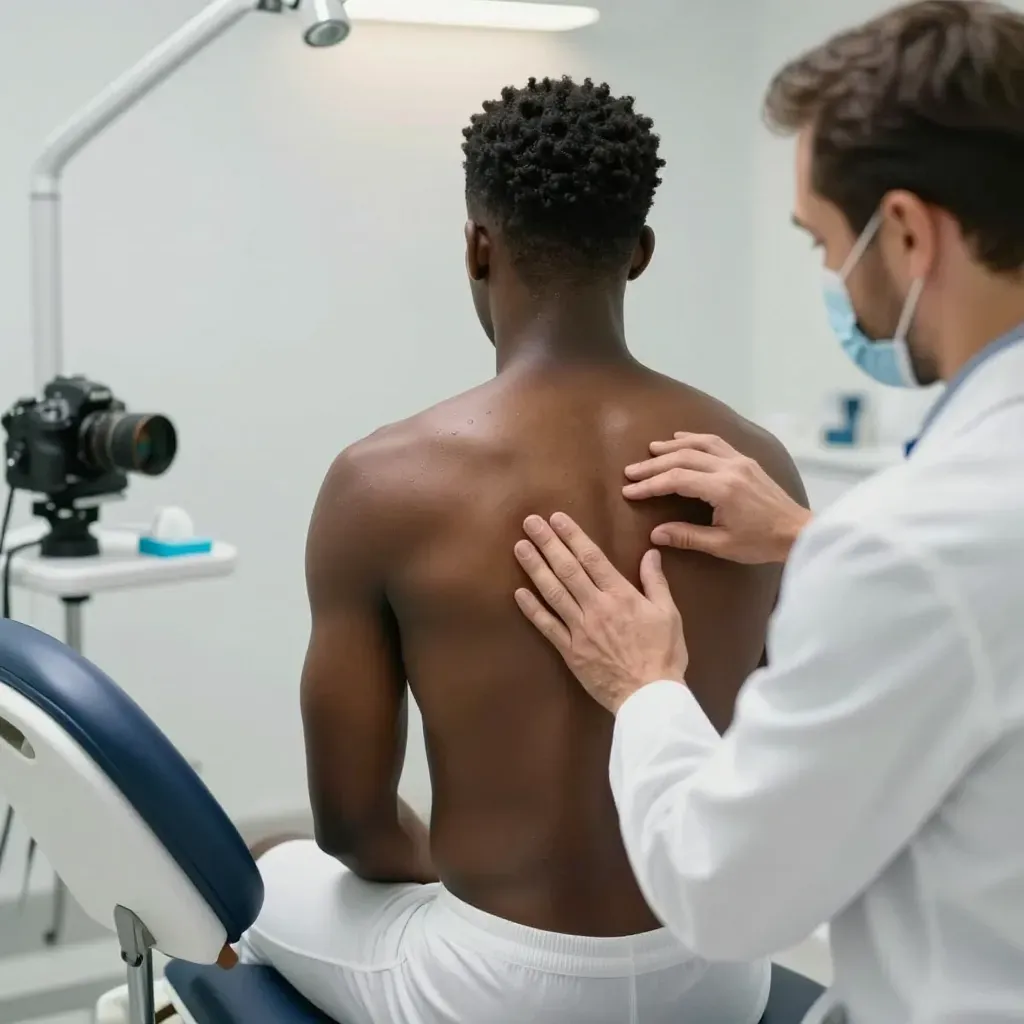
Seek immediate medical attention for ingrown hair cyst removal when home treatment fails or infection develops.
Medical intervention prevents complications and speeds healing for severe cases.
Red flag symptoms requiring doctor visit
- Cyst persists beyond one week despite warm compress therapy
- Bump grows larger than 1cm in diameter
- Severe pain that worsens rather than improves
- Increasing redness spreading beyond the immediate area
- Area feels hot to touch indicating inflammation
- Pus discharge with foul odor
- Fever or chills develop
- Cyst located near genitals or face where infection risk is higher
Medical treatment options
Treatment Type | Method | Recovery Time |
|---|---|---|
Oral Antibiotics | Pills to fight infection internally | 7-10 days |
Topical Antibiotics | Cream applied directly to cyst | 5-7 days |
Incision & Drainage | Surgical cut to release trapped hair and fluid | 1-2 weeks |
Steroid Injections | Shot to reduce inflammation quickly | 2-3 days |
Laser Hair Removal | Permanent solution to prevent recurrence | Multiple sessions |
What happens during medical removal
The doctor numbs the area with local anesthesia first.
They make a small incision using sterile instruments then drain the cyst completely.
The trapped hair gets extracted with sterile needle or blade.
The wound gets packed with sterile gauze to absorb remaining fluid.
You receive antibiotics to prevent secondary infection.
Follow-up appointment checks healing progress and removes packing.
Cost and insurance considerations
Medical ingrown hair cyst removal costs $100-$500 depending on severity and location.
Most insurance plans cover treatment when infection is present or cyst causes significant pain.
Cosmetic removal without symptoms rarely receives coverage.
Laser hair removal for prevention typically requires out-of-pocket payment.
When to choose medical over home treatment
Select medical care immediately if you have diabetes or compromised immune system.
These conditions increase infection risk dramatically.
Multiple recurring cysts in one area indicate underlying follicle damage requiring professional assessment.
Cysts near lymph nodes or in skin folds need medical evaluation due to higher complication rates.
After medical treatment continue warm compresses to speed healing and reduce discomfort.
Keep the area clean and dry as directed by your healthcare provider.
Complete the full antibiotic course even if symptoms improve to prevent resistant bacteria.
Prevent future cysts by stopping hair removal and exfoliating
Stop all hair removal methods immediately when treating an ingrown hair cyst.
Shaving tweezing and waxing irritate the follicle and trap new hairs before the cyst heals.
Let the area rest for 1-6 months to allow complete skin recovery.
Exfoliation routine for prevention
Gentle exfoliation removes dead skin cells that clog pores and trap hairs.
Use a soft washcloth in circular motions for 2-3 minutes twice weekly.
Chemical exfoliants with salicylic acid or glycolic acid work more effectively than physical scrubs.
Apply chemical exfoliant to clean dry skin then rinse after 5 minutes.
Over-exfoliation damages skin barrier and increases ingrown hair risk.
Exfoliation Type | Frequency | Best For |
|---|---|---|
Physical washcloth | 2 times per week | Sensitive skin areas |
Salicylic acid (2%) | 1-2 times per week | Oily skin prone to clogging |
Glycolic acid (5%) | 1 time per week | Thick skin on legs |
Professional chemical peel | Monthly | Chronic cyst sufferers |
Proper shaving technique if you must shave
- Replace razor blades after 3-5 uses maximum
- Shave in direction of hair growth only
- Use shaving cream or gel to reduce friction
- Rinse blade after every stroke
- Avoid stretching skin while shaving
- Apply moisturizer immediately after shaving
Clothing and lifestyle adjustments
Tight clothing creates friction that presses hairs back into follicles.
Choose loose breathable fabrics especially in pubic and underarm areas.
Change out of sweaty workout clothes immediately after exercise.
Moisture and heat create perfect environment for ingrown hairs to develop.
Long-term prevention solutions
Laser hair removal offers the most definitive solution for chronic ingrown hair cysts.
The treatment destroys hair follicles preventing future growth and ingrown formation.
Most patients need 6-8 sessions for permanent results.
Cost ranges $200-500 per session depending on treatment area.
At-home IPL devices provide cheaper alternative but require consistent use.
Maintain clear skin through daily gentle cleansing and moisturizing.
Keep skin hydrated to prevent dead cell buildup that blocks pores.
Use non-comedogenic products that don't clog follicles.
Track your hair removal methods and cyst occurrences in a journal.
Identify patterns linking specific techniques to ingrown hair formation.
Switch methods if you notice recurring cysts in the same area.
Expect healing within a few weeks with proper care
Ingrown hair cysts heal within a few weeks with consistent proper care.
Most resolve completely in 2-4 weeks depending on size and infection status.
Healing timeline breakdown
Time Period | What Happens |
|---|---|
Days 1-3 | Pain and swelling peak then begin decreasing |
Days 4-7 | Inflammation reduces cyst softens |
Days 8-14 | Hair surfaces cyst drains naturally |
Weeks 3-4 | Skin repairs discoloration fades |
Factors affecting healing speed
- Cyst size: Smaller cysts heal faster
- Infection status: Infected cysts take 2-3 weeks longer
- Consistency: Daily treatment speeds recovery
- Location: Pubic area heals slower due to friction
- Immune health: Strong immune system repairs faster
Normal healing signs vs warning signs
Normal: Gradual pain reduction swelling decrease and color returning to normal.
Warning: Increasing pain spreading redness fever or foul discharge.
Post-healing skin care
Continue gentle exfoliation for 2 weeks after healing to prevent recurrence.
Use sunscreen on healed areas to reduce dark spot formation.
Wait 4-6 weeks before resuming hair removal in the area.
Start with gentler methods like trimming before returning to shaving or waxing.
Long-term expectations
Some cysts leave temporary hyperpigmentation that fades over 2-3 months.
Deep cysts may cause small scars but these flatten over time.
Recurrent cysts in same spot indicate damaged follicle requiring laser treatment.
Track healing progress weekly with photos to monitor improvement.
If cyst hasn't improved after 3 weeks of proper home care seek medical evaluation.
Chronic ingrown hair cysts affect 15% of people and may need ongoing management.