
Table of Contents
Apply warm compresses 10-15 minutes three times daily to soften skin and release trapped hairs within 3-5 days.
Exfoliate gently with washcloths or salicylic acid to remove dead skin blocking follicles.
Extract only when hair loop is visible using sterilized tweezers.
Lift gently without plucking.
Use tea tree oil or aloe vera to reduce inflammation.
Prevent future ingrown hairs by shaving with hair direction using sharp single-blade razors.
Replace blades every 5-7 shaves.
Pubic area needs longer compress times and extra gentle care.
Never dig into skin with tools.
Question | Answer |
|---|---|
How long until ingrown hairs clear up | Most ingrown hairs respond within 3-5 days |
When to extract an ingrown hair | Extract only when you see the hair loop at skin surface |
What prevents ingrown hairs while shaving | Shave in direction of hair growth with sharp blades |
Are chemical exfoliants safe for pubic area | Avoid chemical exfoliants on pubic skin |
What natural remedy reduces inflammation | Tea tree oil mixed with carrier oil reduces inflammation |
Apply warm compresses to soften skin and draw out trapped hairs
Heat therapy opens pores and coaxes trapped hairs to the surface. This is the safest first step before extraction.
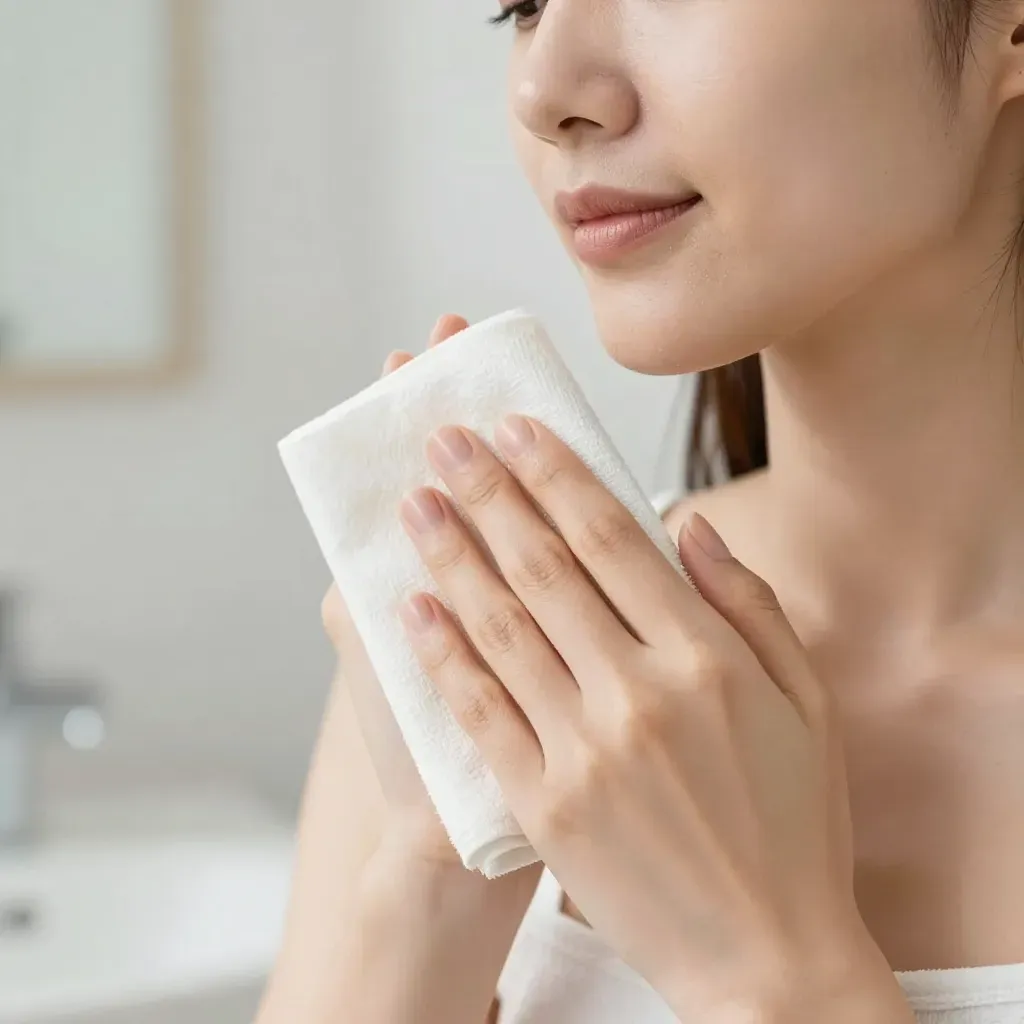
Washcloth compress technique
Fill a clean bowl with warm water. Submerge a washcloth. Wring until damp, not dripping. Place the compress over the ingrown hair for 10-15 minutes. Perform three times daily. During the final 5-10 minutes, move the cloth in slow circles. This loosens dead skin blocking the follicle.
Tea bag alternative method
Steep a black or green tea bag in hot water for 60 seconds. Let it cool until warm. Apply to the spot for 2-3 minutes. Tea's natural tannins reduce redness while heat softens skin. Repeat 2-3 times per session.
Key benefits of heat therapy
- Opens pore and follicle openings
- Softens outer skin layer
- Relaxes contracted hair follicles
- Soothes razor bumps and irritation
- Brings hidden hair loops into view
- Reduces inflammation and swelling
- Increases blood flow for faster healing
Expected treatment timeline
Most ingrown hairs respond within 3-5 days. Deep or chronic cases need 1-2 weeks. Continue daily applications until you see the hair loop at the skin surface. Never extract before the hair is visible.
Special considerations for pubic area
For pubic ingrown hairs, extend time to 15 minutes per session. Coarser hair needs extra softening. Use warm, not hot temperatures. Stop if irritation increases. The pubic region responds better to gentler, longer applications.
Gently exfoliate to remove dead skin blocking hair growth
Dead skin cells create a barrier that traps hairs beneath the surface. Exfoliation clears this blockage and guides hairs to grow outward.
Physical exfoliation methods
Massage gently in circular motions for 2-3 minutes:
- Washcloth: Wet with warm water, use daily on affected spots
- Exfoliating gloves: Use in shower with body wash, ideal for larger areas
- Fine scrubs: Choose non-abrasive particles, apply 2-3 times weekly
Light pressure works best. Stop if redness or pain increases.
Chemical exfoliation options
Acids dissolve dead skin without physical scrubbing:
- Salicylic acid: Penetrates deep into pores, clears follicles, prevents blockage
- Glycolic acid: Removes surface skin cells, keeps follicles open
- Adapalene gel: OTC retinoid that gently exfoliates until hair surfaces
Apply a thin layer once daily. Results appear within several days to two weeks.
Safe application rules
Do | Do Not |
|---|---|
Exfoliate before shaving | Use on irritated or infected skin |
Moisturize immediately after | Scrub aggressively or daily |
Start with once weekly applications | Combine multiple acids simultaneously |
Pubic area precautions
Avoid chemical exfoliants on sensitive pubic skin. Use only exfoliating gloves with gentle pressure. This area irritates more easily and risks infection. If you must use chemical exfoliants, choose the lowest concentration and patch test first.
Carefully extract visible hairs with sterilized tweezers
Attempt extraction only when you see the hair loop at skin surface. Premature digging causes scarring and infection.
Tool sterilization process
Clean tools prevent bacteria introduction. Follow these steps before each use:
- Wash hands with antibacterial soap
- Soak tweezers in rubbing alcohol for 60 seconds
- Boil metal tools for 5 minutes if no alcohol available
- Wipe area with hydrogen peroxide or calendula tincture
- Let tools air dry on clean tissue
Step-by-step extraction
- Apply warm compress for 10 minutes to soften skin
- Position pointy-tipped tweezers parallel to skin
- Gently grasp the hair at the center of the visible loop
- Lift upward with minimal pressure—do not pull
- Twist tweezers slightly left and right to free hair
- Once hair releases, stop. Do not pluck from follicle
Pointy-tipped tweezers work best and cause less skin damage than flat-tipped varieties.
Extraction rules
Do | Do Not |
|---|---|
Wait until hair loop is visible | Dig into skin with tools |
Use gentle lifting motion | Pluck hair completely out |
Disinfect before and after | Squeeze or pop the bump |
Apply soothing gel after | Extract if skin is red/irritated |
Pubic hair extraction
Apply warm compress for 15 minutes minimum. Coarse pubic hair requires extra softening. If skin appears irritable or red, abort extraction. The pubic region heals slower and infects easier. Use only sterilized tools and consider professional removal for deep ingrown hairs in this area.
Use natural remedies like tea tree oil to reduce inflammation
Natural anti-inflammatories soothe irritation and prevent infection without harsh chemicals.
Tea tree oil application
Mix 3 drops tea tree oil with 1 tablespoon carrier oil (coconut, jojoba, or olive oil). Apply to bump with cotton swab twice daily. Reduces redness and fights bacteria. Never apply undiluted—it burns skin.
Aloe vera gel treatment
Extract fresh gel from leaf. Apply directly to ingrown hair. Let dry 15 minutes. Rinse with warm water. Soothes inflammation and speeds healing. Use pure gel, not alcohol-based products.
Witch hazel toner
Apply with cotton pad after hair removal. Natural antibacterial properties prevent inflammation. Use twice daily on affected areas. Alcohol-free versions work best for sensitive skin.
Other effective remedies
- Honey: Dab raw honey on bump for 10 minutes. Antibacterial properties reduce infection risk.
- Apple cider vinegar: Dilute 1:1 with water. Apply as toner to balance skin pH.
- Baking soda paste: Mix 1 tbsp baking soda with water. Apply for 5 minutes. Gently exfoliates and reduces irritation.
Application guidelines
Remedy | Frequency | Warning |
|---|---|---|
Tea tree oil | Twice daily | Always dilute |
Aloe vera | 3-4 times daily | Use pure gel only |
Witch hazel | Twice daily | Avoid broken skin |
Pubic area restrictions
Avoid apple cider vinegar and baking soda on pubic skin. These irritate sensitive mucous membranes. Stick to tea tree oil (diluted) and aloe vera. Witch hazel works only if alcohol-free. Patch test all products on inner thigh before pubic application.
Prevent future ingrown hairs with proper shaving techniques
Correct shaving technique stops ingrown hairs before they form. Follow these dermatologist-approved methods every time you shave.
Essential shaving steps
- Soak skin in warm water for 2-3 minutes to soften hair follicles and open pores
- Apply generous amount of shaving gel or cream to create protective barrier and reduce friction
- Shave in direction of hair growth only—never against grain or direction of growth
- Use single, light strokes without pressing razor into skin or pulling skin taut
- Rinse blade after every stroke to prevent hair buildup and maintain sharpness
- Avoid going over same area multiple times as this irritates skin
- Let razor glide naturally with minimal pressure for clean cut
Blade maintenance and selection
Best Practices | Dangers to Avoid |
|---|---|
Use sharp single-blade razors for cleanest cut | Dull blades push hair back into follicle causing ingrown |
Replace blades every 5-7 shaves maximum | Rusty or old blades cause nicks and infection |
Store razor dry between uses to prevent bacteria | Wet storage breeds bacteria and dulls blade |
Disinfect with alcohol weekly for hygiene | Sharing razors spreads bacteria and infection |
Pre-shave preparation routine
- Exfoliate area once weekly with gentle scrub or exfoliating glove to remove dead skin
- Wash with antibacterial soap to remove oil, dirt, and bacteria
- Apply warm compress for 5-10 minutes to open pores and soften hair
- Trim longer hairs with scissors before shaving to reduce tugging
- Use clean towel to pat area dry before applying shaving gel
Post-shave skin care
- Apply alcohol-free moisturizer within 60 seconds to lock in moisture
- Use witch hazel or tea tree oil toner to prevent inflammation and bacteria
- Wear loose, breathable clothing to reduce friction and irritation
- Do not touch or pick at shaved area which introduces bacteria
- Apply cold compress if irritation occurs to reduce swelling
Permanent prevention solutions
- Depilatory creams: Dissolve hair protein structure without razor risk
- Laser hair removal: Zaps follicle permanently, eliminates ingrown hair risk forever
- Electrolysis: Destroys individual follicles, requires several treatments
- Professional waxing: Proper technique reduces ingrown risk vs home shaving
Pubic area special considerations
- Use extra warm compress time—15 minutes minimum for coarse hair
- Avoid chemical exfoliants on sensitive pubic skin
- Consider professional removal for chronic pubic ingrown hairs
- Never squeeze or poke at pubic ingrown hairs—high infection risk