
Table of Contents
Ingrown hair bumps form when removed hair grows back into skin. Shaving too close, curly hair, dead skin buildup, and tight clothing cause them. Symptoms range from itchy red spots to painful pus-filled cysts. Home treatment: warm compresses 10-15 minutes up to 4 times daily, exfoliate 2-3 times weekly, extract only visible hairs with sterile tools. Natural remedies include tea tree oil, honey, aloe vera, and apple cider vinegar. Prevention: shave with the grain using sharp single-blade razors, exfoliate regularly, moisturize daily, wear loose clothing. See a doctor if no improvement after one week, signs of infection, or severe pain.
Question | Answer |
|---|---|
What causes ingrown hair bumps? | Shaving, waxing, or plucking too close makes hair curl back into skin, especially with curly hair and dead skin buildup. |
How do I treat ingrown hair bumps at home? | Apply warm compresses 10-15 minutes up to 4 times daily, exfoliate 2-3 times weekly, extract only visible hairs with sterile tools. |
What natural remedies help ingrown hairs? | Diluted tea tree oil, honey, aloe vera gel, and apple cider vinegar reduce inflammation and fight bacteria. |
How can I prevent ingrown hairs? | Shave with the grain using a sharp single-blade razor, exfoliate regularly, moisturize daily, and wear loose clothing. |
When should I see a doctor? | See a doctor if bumps don't improve after one week, show infection signs, or cause severe pain. |
Understand what causes ingrown hair bumps and recognize their symptoms
What triggers ingrown hairs
Ingrown hairs develop when hair gets trapped underneath the skin instead of growing upward. This happens after hair removal methods like shaving, waxing, or plucking. Shaving too close creates sharp edges that curl back into the skin. Curly hair types risk more due to natural growth patterns. Dead skin cells clog pores and force hair to grow sideways. Tight clothing presses hair back into the skin. Waxing and tweezing break hair at the follicle, allowing improper regrowth. Worse with dry skin or dull razors that tug at hair. Understanding these triggers helps with ingrown hair bump removal and prevention.
How to identify the symptoms
Ingrown hair bumps appear as red, inflamed spots that cause itching and discomfort. They range from small skin-colored bumps with a dark center (the trapped hair) to pus-filled pimples. Severe cases form hard lumps under the skin when infection creates an abscess or cyst. These bumps can persist for months without proper treatment. Some notice bumps immediately after hair removal while others develop them days later. The location matters too—areas with coarse hair like bikini line or beard area show more pronounced symptoms.
Common locations and risk factors
Ingrown hair bumps appear most frequently on areas where hair is coarse and removal is common. The beard area in men causes "razor bumps" or "barber's itch." Women often experience them on legs, underarms, and bikini line. Pubic area ingrown hairs can be particularly painful due to friction from clothing. People with naturally curly hair face higher risk regardless of location. Sweating and friction from exercise can worsen existing bumps.
Symptom Type | Appearance | Sensation | Duration |
|---|---|---|---|
Mild | Small bump with visible dark hair center | Itchy, mild irritation | Few days |
Moderate | Red, inflamed pimple-like bump | Tender, uncomfortable | 1-2 weeks |
Severe | Large pus-filled bump or hard lump | Painful, swollen | Weeks to months |
- Red and sometimes painful bumps on the skin
- Itching and discomfort in affected areas
- Small pus-filled bumps that may drain
- Skin-colored bumps with dark center showing trapped hair
- Hard lumps under skin when ingrown hair becomes infected
- Post-inflammatory hyperpigmentation especially on brown or Black skin
Apply effective at-home removal techniques for quick relief
Warm compress method
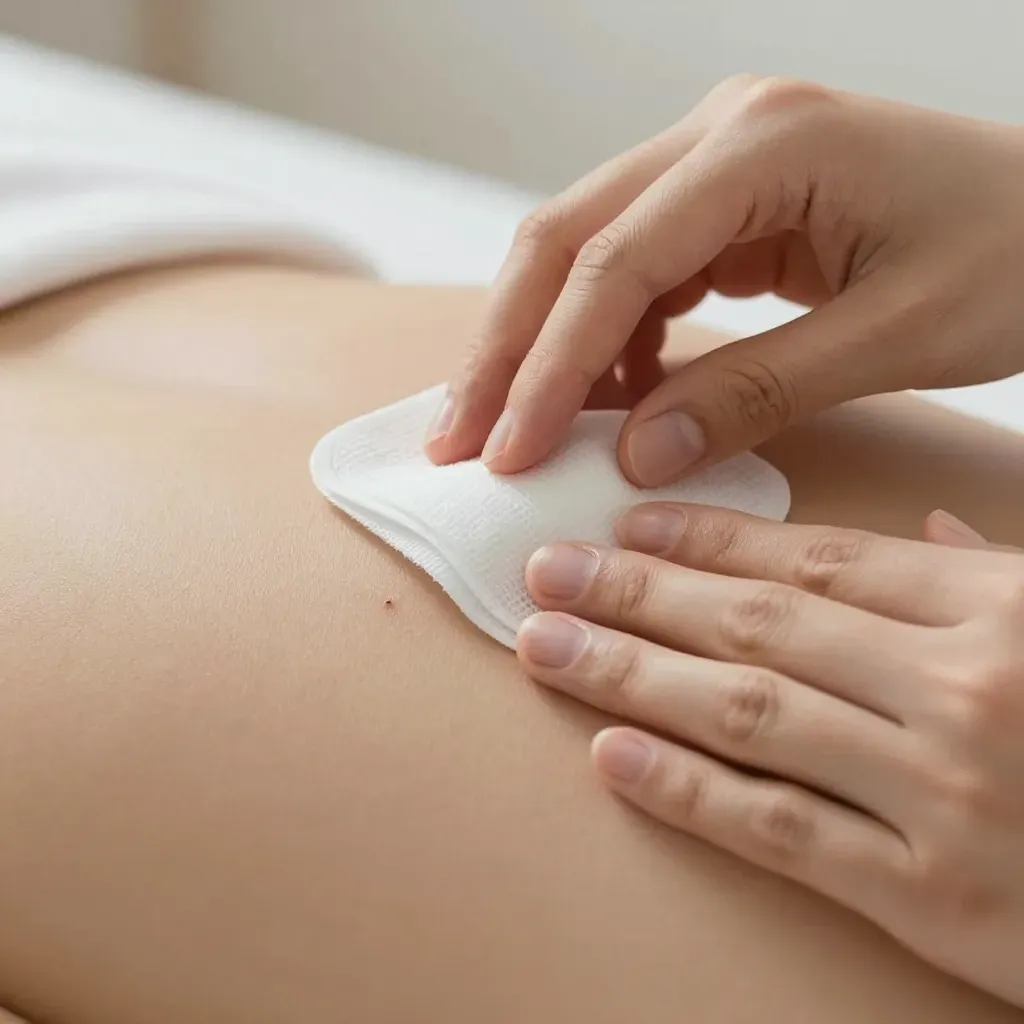
Apply a warm, wet washcloth directly to the ingrown hair bump.
Keep it in place for 10 to 15 minutes per session.
Repeat this treatment up to four times daily for maximum effectiveness.
The heat softens the epidermis and helps trapped hair rise to the surface.
This method works especially well for sensitive skin types.
Consistent application reduces inflammation and irritation quickly.
Exfoliation techniques
Exfoliate the affected area 2-3 times weekly using gentle scrubs.
Remove dead skin cells that block hair from growing straight out.
Chemical exfoliants include salicylic acid, lactic acid, and glycolic acid.
Physical exfoliants like sugar or coffee scrubs provide effective alternatives.
Dry brushing also helps release trapped hairs from skin surface.
Regular exfoliation prevents future ingrown hairs from forming.
Safe extraction with sterile tools
Only attempt extraction when you can clearly see the hair embedded.
Cleanse the area thoroughly with soap and water first.
Disinfect pointed tweezers or a needle with rubbing alcohol.
Gently lift the hair loop without digging into the skin surface.
Pull the hair out completely if it releases easily.
Cleanse the area again after removal to prevent bacteria entry.
Apply antibacterial ointment to protect against infection.
Leave the bump completely alone to heal naturally.
Natural remedies for quick relief
Tea tree oil: Dilute with water and apply for antibacterial benefits.
Witch hazel: Use as a toner to reduce swelling and irritation.
Honey: Spread a thin layer for antimicrobial and anti-inflammatory effects.
Apple cider vinegar: Apply with cotton ball to combat redness and swelling.
Aloe vera: Soothes irritated skin and promotes natural healing.
Gentle massage in circular motions softens skin and encourages hair release.
Over-the-counter treatments
Antibiotic ointments like neomycin treat infected ingrown hairs.
Salicylic acid products keep hair follicles open and clear.
Retinoid creams help remove dead skin cells blocking growth.
Hair growth inhibitor creams like eflornithine reduce future regrowth.
These work best when combined with proper exfoliation routine.
Method | Frequency | Duration | Key Benefit |
|---|---|---|---|
Warm compress | Up to 4x daily | 10-15 minutes | Softens skin |
Exfoliation | 2-3 times weekly | As directed | Removes dead skin |
Natural remedies | 1-2 times daily | 10-20 minutes | Reduces inflammation |
- Cleanse area thoroughly before any treatment
- Never squeeze or pick at ingrown hair bumps
- Stop hair removal until bump heals completely
- Apply moisturizer after treatment to prevent dryness
- Seek medical help if no improvement after one week
Use natural remedies to soothe and treat ingrown hair bumps
Tea tree oil and witch hazel combination
Tea tree oil delivers antibacterial and antiseptic benefits that prevent inflammation.
Witch hazel acts as a natural toner with similar antibacterial properties.
Mix a few drops of tea tree oil with warm water.
Apply the solution directly to the affected area.
Follow with witch hazel as a toner to reduce swelling.
This combination works best immediately after hair removal.
Honey and apple cider vinegar treatments
Honey possesses antimicrobial and anti-inflammatory properties.
Apply a thin layer of raw honey to the ingrown hair bump.
Let it dry completely before rinsing with warm water.
Apple cider vinegar's anti-inflammatory properties combat redness and swelling.
Apply apple cider vinegar with a cotton ball.
Leave on for 10 minutes then rinse thoroughly.
Both remedies help reduce infection risk naturally.
Aloe vera and gentle massage
Aloe vera soothes irritated skin and promotes healing.
Apply pure aloe vera gel directly from the plant or bottle.
Massage the area gently in circular motions with light pressure.
This softens skin and encourages the trapped hair to release.
Repeat twice daily for best results.
Massage also improves blood circulation to the area.
DIY exfoliating scrubs
Rice powder scrub: Mix rice powder with curd and a pinch of turmeric.
Baking soda and oatmeal mixture creates an effective exfoliant.
Yogurt and oatmeal mix soothes while removing dead skin cells.
Apply scrubs gently in circular motions to avoid irritation.
Focus on areas prone to ingrown hairs 2-3 times weekly.
These scrubs remove cellular buildup that traps hairs.
Anti-inflammatory compress options
Green tea compress: Steep tea bags in warm water.
Apply tea bags to ingrown hair for 2-3 minutes at a time.
Chamomile tea also provides soothing anti-inflammatory benefits.
Warm salt water compress helps draw out infection.
Always use warm (not hot) water to prevent skin damage.
Compresses soften the epidermis and help release trapped hairs.
Remedy | Key Properties | Application Method | Frequency |
|---|---|---|---|
Tea Tree Oil | Antibacterial, antiseptic | Dilute with warm water, apply | 1-2 times daily |
Honey | Antimicrobial, anti-inflammatory | Thin layer, let dry, rinse | Once daily |
Apple Cider Vinegar | Anti-inflammatory | Cotton ball, 10 min, rinse | Once daily |
Aloe Vera | Soothing, healing | Direct application | 2 times daily |
- Always patch test natural remedies on small skin area first
- Never apply undiluted essential oils directly to skin
- Stop use if irritation or allergic reaction occurs
- Combine multiple remedies for enhanced effectiveness
- Consistency is key for natural treatments to work
Implement proven prevention strategies to avoid future bumps
Proper shaving techniques
Wet skin and hair with warm water before shaving.
Apply shaving gel or cream to create protective barrier.
Use single-blade razor instead of multi-blade versions.
Shave in direction hair grows naturally.
Rinse razor blade after every stroke to remove buildup.
Change razor blade frequently to prevent irritation.
Use sharp razor rather than dull one that tugs hair.
Essential skincare routine
Exfoliate 2-3 times weekly with gentle scrubs or chemical exfoliants.
Moisturize daily to keep skin hydrated and prevent irritation.
Use non-comedogenic products that won't clog pores.
Apply salicylic acid products to keep follicles open.
Consider retinoids to remove dead skin cells effectively.
Alternative hair removal methods
Laser hair removal dramatically reduces ingrown hair risk and is permanent.
Electrolysis requires several treatments but provides permanent removal.
Depilatory creams are less likely to cause ingrown hairs than shaving.
Leave hair longer when possible to avoid too-close removal.
Consider waxing with proper technique—apply with growth, remove against.
Lifestyle adjustments
Wear loose-fitting clothing especially cotton underwear.
Shower immediately after exercising or sweating.
Avoid tight clothing that presses hair back into skin.
Take breaks from hair removal if ingrown hairs persist.
Use bump fighter razors specifically designed to prevent ingrowns.
Prevention Method | Frequency | Key Benefit |
|---|---|---|
Exfoliation | 2-3 times weekly | Removes dead skin cells |
Moisturizing | Daily | Prevents irritation |
Proper shaving | As needed | Reduces sharp hair edges |
Laser removal | Multiple sessions | Permanent solution |
- Consistency in prevention methods is key to keeping skin smooth
- Combine multiple strategies for best results
- Monitor skin reaction and adjust routine as needed
- Consider professional consultation for persistent issues
- Early prevention stops ingrown hairs before they start
Know when to seek professional medical treatment
Warning signs that need immediate attention
Seek medical care if ingrown hairs don't improve after one week of consistent home treatment. Watch for increased redness, swelling, warmth, or pus drainage around the bump. Fever, severe pain, or hard lumps under skin require immediate evaluation. Red streaks spreading from bump indicate serious infection that needs urgent treatment. Recurring ingrown hairs in same spot warrant professional assessment. If bumps limit daily activities or become increasingly painful, don't wait.
Medical procedures for severe cases
Doctors perform sterile needle extraction to pull trapped hair to surface without causing trauma. Incision and drainage shrinks cysts and removes deeply embedded hairs. Steroid creams reduce swelling and irritation quickly. Oral antibiotics treat bacterial infections that spread beyond follicle. Retinoid medications remove dead skin cells blocking hair growth. Laser hair removal offers permanent solution for chronic recurrent cases. These procedures provide relief when home methods fail.
What to expect during medical appointment
Healthcare provider examines the affected area to assess infection severity. They may take bacterial culture if infection suspected. Treatment plan includes prescription medications or minor procedures. Doctor demonstrates proper extraction technique for future reference. They'll discuss prevention strategies tailored to your skin type. Follow-up appointment scheduled if needed. Bring list of current skincare products and hair removal methods used.
Special risks for darker skin tones
Brown and Black skin faces higher risk of post-inflammatory hyperpigmentation from ingrown hairs. Traumatic treatments can cause permanent scarring and discoloration. Keloid formation possible in predisposed individuals. Find dermatologist experienced with darker skin tones. Early intervention prevents long-term skin damage. Chemical peels and certain treatments require adjusted concentrations. Ask about specific protocols for your skin type.
Symptom | Required Action | Timeline |
|---|---|---|
No improvement with home care | Schedule doctor visit | After 1 week |
Signs of infection (pus, fever) | Seek immediate medical care | Same day |
Large painful cyst formation | Medical intervention needed | Within 24-48 hours |
Post-inflammatory hyperpigmentation | Dermatologist consultation | As soon as possible |
Recurrent ingrown hairs | Consider laser hair removal | When pattern established |
- Home treatments fail after consistent application for one week
- Signs of infection appear including pus, increased redness, or fever
- Painful cysts develop or hard lumps form under skin
- Post-inflammatory hyperpigmentation or scarring occurs
- Ingrown hairs recur frequently despite prevention efforts
- Area becomes too painful for normal daily activities
- You notice spreading redness or red streaks from bump