
Table of Contents
Ingrown nose hairs occur when cut or plucked hair curls back into skin causing painful red bumps and infection risk.
Plucking waxing and shaving distort follicles or create sharp tips that pierce nasal tissue.
Curved hair growth coarse texture and moist nasal environment also contribute.
Home treatment only works for visible surface hairs using warm compresses and sterile tweezers to gently lift hair.
Never squeeze dig deep or use non-sterile tools.
Seek medical care for pus fever spreading redness or no improvement after 3 days.
Prevent by trimming with rounded scissors every 2-3 weeks and avoiding plucking waxing completely.
Clean tools with alcohol wash hands before touching nose and use saline rinses weekly.
The nose is part of the danger triangle where infections can spread to brain through facial veins.
Question | Answer |
|---|---|
What causes ingrown nose hairs? | Plucking waxing or shaving distorts follicles and creates sharp tips that grow into skin. |
How can I safely remove one at home? | Use warm compresses and sterile tweezers to gently lift only visible surface hairs. |
When should I see a doctor? | Get medical help for pus fever spreading redness or no improvement after 3 days. |
How do I prevent them? | Trim every 2-3 weeks with rounded scissors or electric trimmers and avoid plucking completely. |
What removal methods are dangerous? | Plucking waxing and digging with sharp objects cause trauma and high infection risk. |
What causes ingrown nose hairs
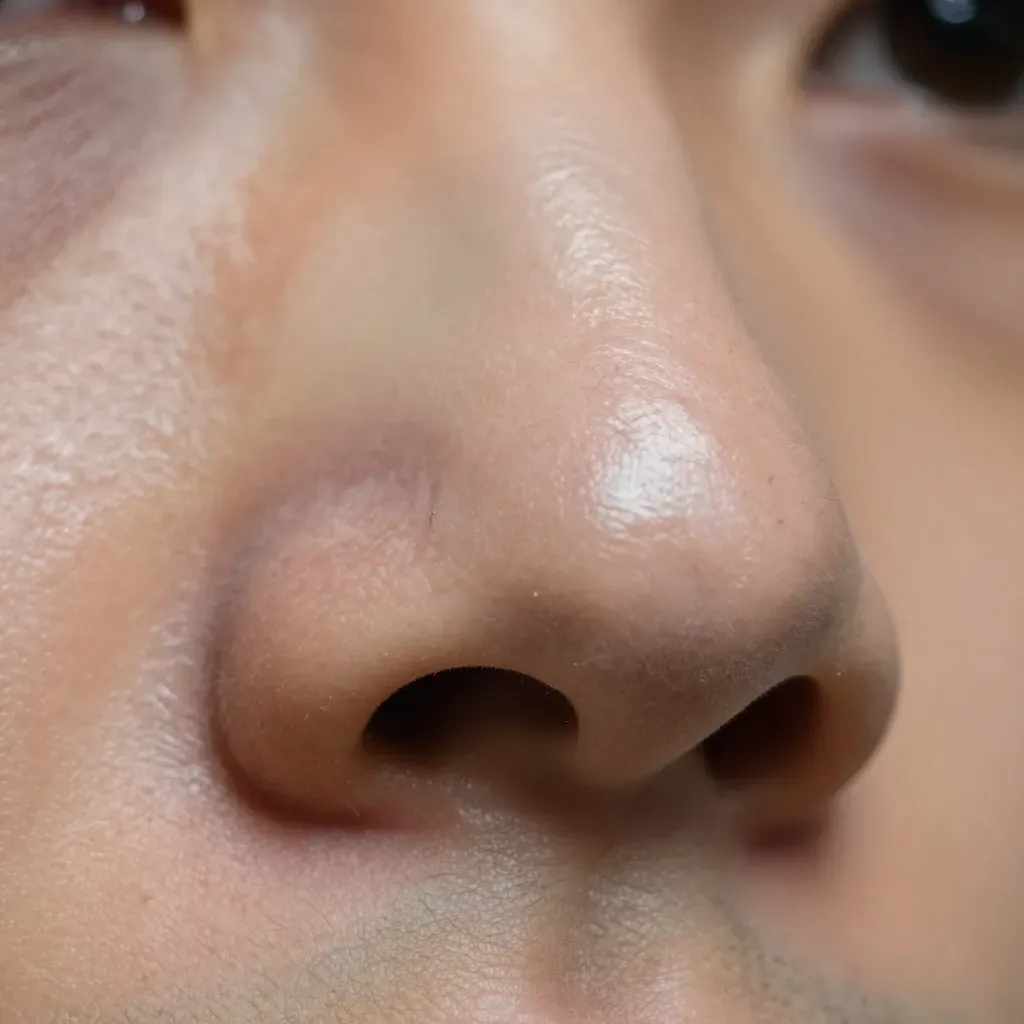
Ingrown nose hairs happen when cut or plucked hair curls back and grows into skin. This triggers inflammation, red bumps, pain, and sometimes pus inside the nostril.
Hair removal triggers
- Tweezing/plucking: Pulls hair at the root and distorts follicle direction. Creates empty follicle that closes over before new hair emerges
- Waxing: Removes multiple hairs at once. Causes trauma that changes natural growth patterns
- Shaving: Cuts hair at an angle leaving sharp tips that pierce surrounding nasal tissue
- Any removal method: Disrupts normal growth cycle and can cause hair to regrow sideways into skin
Natural and biological factors
- Curved or spiral hair growth patterns that naturally turn back toward skin
- Thick coarse hair texture that struggles to emerge straight from follicle
- Nasal secretions soften skin and create moist environment for hair to embed
- Environmental irritants like dust or allergens inflame follicle openings
- Individual follicle shape traps growing hair
Behavioral and technique problems
- Picking or scratching at nasal hairs pushes them deeper into tissue
- Using non-sterile tools introduces bacteria that cause infection
- Digging deeply into skin to extract hairs creates wounds and scarring
- Touching nose with unwashed hands transfers bacteria and irritants
- Blowing nose too vigorously dislodges short hairs into surrounding tissue
- Over-cleaning or harsh scrubbing damages protective skin barrier
Infection development
Infected bumps grow larger and more painful. Pustules form with pus around follicles. Discoloration appears as red brown or purple marks. Infection can lead to scarring and requires medical treatment. The nose naturally harbors bacteria making infection risk higher than other body areas.
How to safely remove them at home
Home removal works only for visible hairs near the surface. Deep or infected bumps need medical care.
Gentle extraction method
- Wash hands with antibacterial soap for 30 seconds
- Hold warm compress on nostril for 5 minutes to soften tissue
- Clean area with saline rinse or povidone-iodine solution
- Position sterile tweezers or needle at hair tip only
- Gently lift hair until it releases from skin
- Pull entire hair out following natural growth direction
- Dab antibiotic ointment on any broken skin
- Wash hands again to prevent spreading bacteria
Non-extraction remedies
These methods help hair surface naturally without tools:
- Warm compress therapy: Apply for 10-15 minutes, 3-4 times daily. Reduces swelling and brings hair to surface
- Saline solution rinse: Mix 1/4 teaspoon salt in 1 cup warm water. Rinse nostril 2-3 times daily to clean and reduce inflammation
- Diluted tea tree oil: Mix 1 drop with 1 teaspoon carrier oil. Apply with cotton swab for antibacterial benefits
- Aloe vera gel: Apply thin layer to soothe irritation and reduce redness
- Stop hair removal: Pause all plucking, waxing, and trimming in affected nostril until fully healed
Critical safety rules
- Never squeeze, pick, or pop the bump – pushes hair deeper
- Do not insert tweezers or needles more than 2mm into nostril
- Avoid using non-sterile household tools
- Skip alcohol, hydrogen peroxide, or acne creams inside nose
- Wash hands before and after any nasal contact
- Do not blow nose vigorously during treatment
When medical treatment becomes necessary
Critical warning signs
- Bump doubles in size within 24-48 hours
- Throbbing pain that worsens with any touch
- Yellow or green pus with foul odor
- Red streaks extending from nostril onto cheek
- Fever above 100.4°F (38°C)
- Swelling that blocks nasal passage
- Multiple ingrown hairs forming a cluster
- No improvement after 3 days of home treatment
- Recurrent ingrown hairs more than twice monthly
- Scarring or dark marks from previous ingrown hairs
Doctor-administered treatments
- Incision and drainage: Sterile cut releases trapped hair and drains pus pocket
- Professional extraction: Magnified view and proper tools prevent tissue damage
- Laser hair removal: Destroys follicle at root for permanent prevention
- Chemical depilation: Prescription creams weaken hair growth long-term
Medications prescribed
- Topical steroids: Reduce inflammation and itching (triamcinolone, hydrocortisone)
- Oral antibiotics: Treat bacterial infections (cephalexin, doxycycline)
- Topical antibiotics: Mupirocin ointment for localized infection
- Antiseptic washes: Chlorhexidine for daily nasal cleaning
Symptom | Home Care OK | See Doctor |
|---|---|---|
Small bump, mild pain | Yes, up to 3 days | If no improvement |
Pus present | No | Same day |
Fever | No | Immediately |
Spreading redness | No | Within 24 hours |
Extreme tenderness | No | Within 24 hours |
Prevention methods that actually work
Prevent ingrown nose hairs by changing removal techniques and daily habits. The nose is high-risk for infection due to natural bacteria presence.
Safe hair removal techniques
- Trimming with scissors: Use small cuticle or embroidery scissors with rounded tips. Cut only visible hairs protruding from nostril edge. Never insert more than 3mm inside nasal passage.
- Electric trimmers: Battery-powered devices designed for nasal curves. Choose models with safety guards and hypoallergenic blades. Turn on before inserting and use light circular motions.
- Trim frequency: Groom every 2-3 weeks. Over-trimming creates sharp hair ends that pierce surrounding skin.
- Avoid plucking: Pulling hair at root distorts follicle direction. Creates empty follicles that close over new growth causing ingrown hairs.
- No waxing: Removes multiple hairs at once and damages delicate nasal skin. High infection risk and trauma.
Hygiene and tool care
- Wash hands with antibacterial soap for 30 seconds before touching nose
- Clean scissors and trimmers with 70% isopropyl alcohol before and after each use
- Never share nasal grooming tools with others – bacterial transfer risk
- Replace trimmer heads every 3-6 months to maintain sharpness
- Store tools in clean dry case, not bathroom drawer where moisture breeds bacteria
- Use single-use tissues or cotton pads for cleaning, not reusable cloths
Daily habits that prevent ingrown hairs
- Stop picking or scratching inside nostrils – pushes hair deeper into tissue
- Blow nose gently to avoid dislodging short hairs into surrounding tissue
- Apply saline rinse 2-3 times weekly to keep nasal passages clean and reduce inflammation
- Manage stress levels – stress lowers immunity and slows healing time
- Let small hairs grow out between trims – don't over-groom
- Avoid touching nose throughout day – transfers bacteria from hands
Environmental control
- Keep indoor humidity at 40-50% to prevent nasal dryness and irritation
- Avoid smoke and chemical fumes that inflame nasal lining
- Use HEPA air filters to reduce dust and allergen exposure
- Stay hydrated to maintain healthy nasal mucus consistency
Do This | Not This |
|---|---|
Trim every 2-3 weeks | Pluck daily |
Use sterile tools | Use dirty scissors |
Trim visible hairs only | Dig deep into nostril |
Apply warm compress if irritation starts | Squeeze or pop bumps |
Wash hands before/after | Touch nose with dirty fingers |
Dangerous removal methods to avoid
Plucking and waxing
- Pulling hairs at root distorts follicle direction. Creates empty follicles that close over new growth, causing ingrown hairs
- Waxing removes multiple hairs and damages delicate nasal skin. High infection risk
- Both cause trauma that guarantees future ingrown hairs
- Leads to nasal vestibulitis – painful inflammation of nasal lining
Sharp objects and digging
- Inserting needles, pins, or sharp tweezers deep into nostril punctures tissue
- Digging into skin creates wounds and permanent scarring
- Sharp ends of cut hairs pierce surrounding tissue
- Causes bleeding and opens pathway for bacteria
Contaminated tools
- Non-sterile household scissors or tweezers introduce bacteria directly into nose
- Sharing tools transfers bacteria between people
- Tools stored in moist bathroom drawers breed infection-causing organisms
- Results in folliculitis and abscess formation requiring drainage
Consequences
- Nasal infections can spread to brain through connected veins (danger triangle of face)
- Chronic scarring permanently alters hair growth patterns
- Painful abscesses require medical drainage and antibiotics
- Can cause antibiotic-resistant infections in nasal cavity
Dangerous Method | Specific Risk |
|---|---|
Plucking with tweezers | Distorts follicles, causes ingrown hairs, infection |
Waxing inside nose | Damages skin, removes protective hairs, high infection risk |
Shaving with razor | Creates sharp hair ends, cuts nasal lining |
Digging with needles | Tissue damage, scarring, spreads infection |
Using dirty tools | Bacterial contamination, folliculitis |