
Table of Contents
Ingrown hairs on legs appear as red, tender bumps 12-24 hours after shaving.
Check for infection signs like spreading redness, pus, or severe pain before attempting removal.
Disinfect the area with antibacterial wash, isopropyl alcohol, or salicylic acid cleanser.
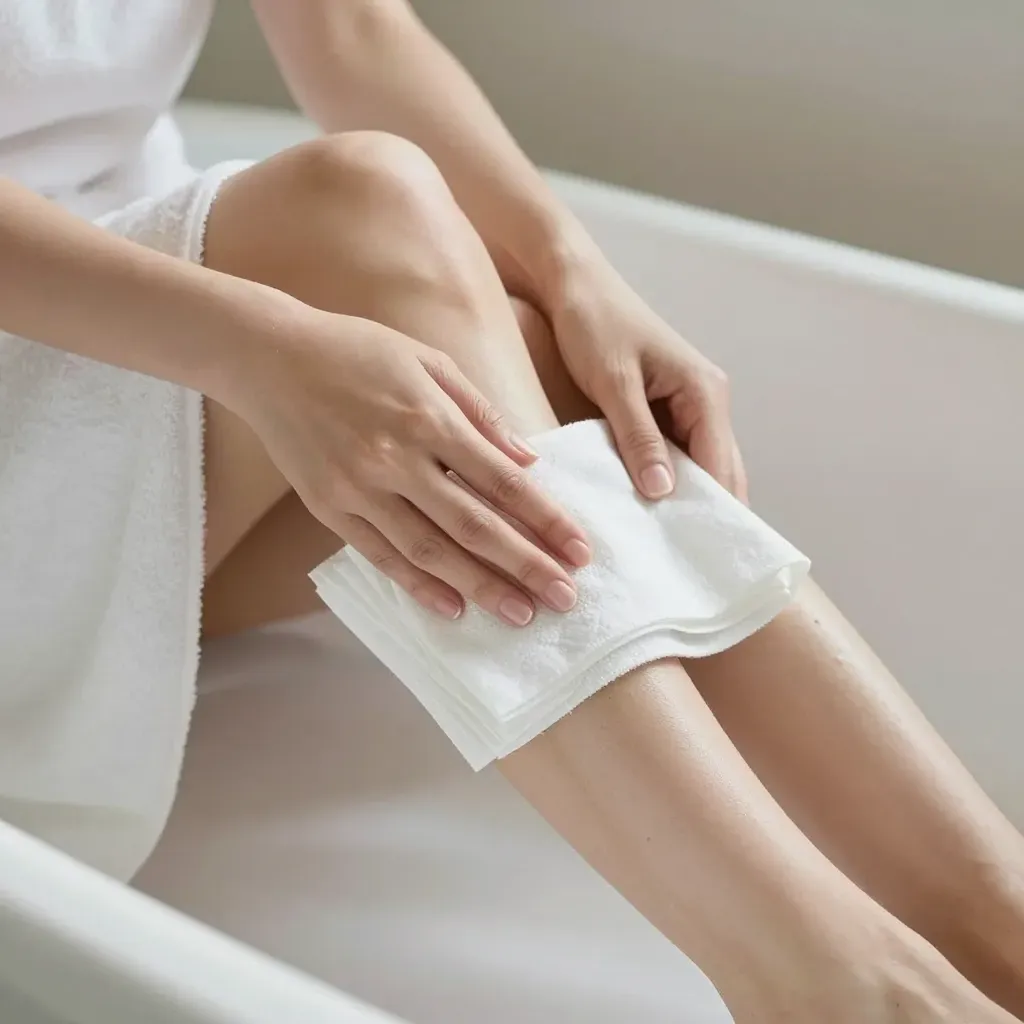
Apply warm compress for 5-10 minutes to soften skin and open pores.
Gently exfoliate to remove dead skin cells blocking the trapped hair.
Only extract hair when visible using sterilized tweezers.
Pull in direction of hair growth with gentle upward motion.
Stop immediately if resistance, bleeding, or severe pain occurs.
Prevent future ingrowns by using sharp razors and shaving with the grain.
Apply moisturizer after shaving and consider laser removal for chronic cases.
Question | Answer |
|---|---|
What do ingrown hairs look like? | Small red bumps appearing 12-24 hours after shaving, often tender with visible hair. |
When should I see a doctor? | For spreading redness, pus, severe pain, fever, or rapidly growing lumps. |
How do I prepare for removal? | Apply warm compress 5-10 minutes then gently exfoliate. |
How do I extract safely? | Use sterilized tweezers to pull visible hair in growth direction. |
How can I prevent future ingrowns? | Shave with sharp razors in hair growth direction and moisturize after. |
Identify the ingrown hair and disinfect the area
Recognize the signs
Ingrown hairs on legs appear as small red bumps resembling pimples. They often feel tender, itchy or painful to touch. The trapped hair may be visible beneath the skin surface as a dark shadow or line. These bumps typically appear 12-24 hours after shaving in areas where hair is coarse. The surrounding skin may feel slightly raised and irritated compared to nearby areas.
- Red or pink raised bump
- Whitehead or pus-filled tip
- Itchiness and mild discomfort
- Hair visible under thin skin layer
- Localized swelling around follicle
- Dark spot where hair curls back into skin
Check for infection first
Do not attempt removal if you see signs of infection. Forcing extraction spreads bacteria and worsens inflammation. Infected ingrown hairs require medical treatment from a dermatologist who can prescribe antibiotics if needed.
- Increasing redness spreading beyond the bump
- Warmth and swelling in surrounding area
- Severe pain or throbbing
- Yellow or green pus
- Fever or general illness
- Rapidly growing lump
Disinfect the area
Clean skin prevents bacteria from entering opened pores during extraction. Use products containing buffered fatty alcohol for effective disinfection without excessive drying. Prepare your tools before starting the removal process. Proper disinfection reduces risk of scarring and secondary infection.
Method | Application | Wait Time | Notes |
|---|---|---|---|
Antibacterial wash | Gentle circular motion | 30 seconds | Rinse thoroughly |
Isopropyl alcohol (70%) | Cotton pad, dab lightly | Air dry | Can sting slightly |
Salicylic acid cleanser | Apply to bump only | 60 seconds | Also exfoliates |
Benzoyl peroxide gel | Thin layer over area | 2 minutes | Strongest option |
Pat dry with clean towel. Do not rub irritated skin. Wash hands thoroughly and sterilize any tools like tweezers with alcohol before use. Work in a well-lit area with clean surfaces.
Apply warm compress to soften skin and open pores
Benefits of heat therapy
Warm compresses increase blood circulation to the affected area, reducing inflammation and swelling. The heat softens the outer layer of skin, making it easier to release trapped hairs without force. This method also opens pores naturally, allowing the hair to break through the surface. Heat therapy minimizes pain during extraction and reduces risk of scarring.
- Softens keratin plug blocking hair follicle
- Increases skin elasticity for easier extraction
- Reduces tenderness and discomfort
- Promotes natural drainage if pus present
- Prepares skin for gentle exfoliation
Proper application technique
Use clean materials only to avoid introducing bacteria. Test temperature on inner wrist before applying to prevent burns. The compress should feel warm, not hot. Reheat and reapply as needed to maintain consistent warmth throughout the treatment.
Step | Action | Duration | Tips |
|---|---|---|---|
1 | Soak washcloth in hot water | 30 seconds | Use clean, soft cotton cloth |
2 | Wring out excess water | 5 seconds | Cloth should be damp, not dripping |
3 | Apply to ingrown hair area | 5-10 minutes | Press gently, do not rub |
4 | Reheat cloth if needed | Every 2-3 minutes | Maintain consistent warmth |
5 | Pat area dry | 10 seconds | Use clean towel, no rubbing |
Alternative heat methods
Shower or bath immersion provides full-leg treatment when multiple ingrown hairs exist. Steam from hot shower opens pores across larger surface area. Soak legs in warm bath for 10-15 minutes before attempting removal. This method works best for widespread ingrown hairs after waxing or shaving large areas.
- Shower: Stand under warm stream for 10 minutes
- Bath: Submerge legs for 15 minutes with water temperature 100-105°F
- Heating pad: Set to low, wrap in thin cloth, apply 5 minutes
- Warm tea bag: Chamomile provides anti-inflammatory benefits
Frequency and timing
Apply warm compress 2-3 times daily for persistent ingrown hairs. Perform treatment immediately before extraction attempts. Continue for 2-3 days after hair removal to prevent new ingrowns. Morning applications reduce overnight stiffness, while evening treatments promote healing during sleep.
Exfoliate gently to release trapped hair
Why exfoliation releases trapped hair
Dead skin cells block hair from breaking through the skin surface.
Exfoliation removes this barrier and unclogs pores.
It reduces inflammation and prevents new ingrowns.
- Removes keratin plugs blocking follicles
- Reduces pore-clogging debris
- Softens skin for easier hair release
- Prevents future ingrown formation
Choose your exfoliation method
Physical exfoliants work best for leg skin.
Chemical options treat sensitive areas more gently.
Type | Products | Best For | Frequency |
|---|---|---|---|
Physical | Exfoliating gloves, body scrubs, washcloths | Legs, arms | 1-2 times weekly |
Chemical | Salicylic acid, glycolic acid, benzoyl peroxide | Sensitive skin, face | Daily (low concentration) |
Proper technique for legs
Exfoliate immediately after warm compress treatment.
Use gentle circular motions, not aggressive scrubbing.
Focus on lower legs and thighs where ingrowns occur most.
Over-exfoliation damages skin and increases infection risk.
- Work in small sections using light pressure
- Spend 10 minutes on entire leg area
- Rinse thoroughly with warm water
- Pat dry gently, never rub
Product recommendations
OTC treatments with acne medication ingredients work effectively.
These remove dead skin cells while treating inflammation.
Ingredient | Concentration | Application | Benefit |
|---|---|---|---|
Salicylic acid | 0.5-2% | Leave-on lotion | Unclogs pores |
Glycolic acid | 5-10% | Weekly treatment | Dissolves dead cells |
Benzoyl peroxide | 2.5-5% | Spot treatment | Kills bacteria |
Critical precautions
Stop if skin shows redness, stinging, or increased sensitivity.
Reduce frequency or switch to gentler products.
Never exfoliate open wounds or severely inflamed ingrown hairs.
Wait until active infection resolves before resuming.
Extract visible hair with sterile tweezers
Only extract visible hair
Wait until hair loop or tip shows at skin surface. Deep digging causes scarring and infection. If hair stays hidden after compress and exfoliation, repeat those steps tomorrow. Forcing extraction damages follicle and creates permanent dark spots. Some hairs resolve on their own without intervention.
Sterilize tweezers completely
Clean tools eliminate bacteria. Boil tweezers 5 minutes or soak in rubbing alcohol 30 seconds. Flame works but cool fully before use. Wipe with alcohol pad. Store in clean container. Never share tweezers. Replace old tools with rust or damage.
Method | Time | Notes |
|---|---|---|
Boiling water | 5 minutes | Most effective |
Rubbing alcohol (70%) | 30 seconds | Quick, convenient |
Flame | 5 seconds | Cool completely first |
Proper extraction steps
Work in bright light with magnifying mirror. Stretch skin taut. Position tweezers parallel to skin. Grab hair at base near follicle. Lift gently upward. Pull in direction of growth with smooth steady motion. Stop immediately if resistance or pain occurs.
Step | Action | Key Point |
|---|---|---|
1 | Stretch skin taut | Improves visibility |
2 | Position parallel | Grab at base |
3 | Lift upward | No sideways pull |
4 | Pull with growth | One smooth motion |
5 | Stop if resistance | Try again later |
Know when to quit
Abandon if hair breaks, skin bleeds, or pain is severe. Apply pressure with clean gauze 5 minutes. Disinfect area. Persistent ingrown hairs need professional extraction. Dermatologists use sterile lancets and prevent scarring.
- Bleeding over 5 minutes
- Hair breaks below surface
- Severe pain during attempt
- Multiple failed tries
- Signs of infection
Post-extraction care
Apply antibiotic ointment immediately. Cover with bandage if needed. Avoid shaving spot for 3-4 days minimum. Let skin heal completely. Watch for infection signs over next week.
Prevent future ingrown hairs through proper shaving habits
Use sharp, clean razors only
Dull blades tug hair and create sharp angles that curl back into skin. Replace disposable razors every 3-4 shaves. Rinse blade after every stroke. Clean with rubbing alcohol after each use. Dry completely before storage. Never use rusty or damaged blades.
Razor Type | Uses Before Replace | Cleaning Method |
|---|---|---|
Disposable | 3-4 shaves | Alcohol wipe |
Cartridge | 5-7 shaves | Hot water rinse + alcohol |
Safety razor | Replace blade weekly | Disassemble, dry fully |
Shave with proper technique
Always shave in direction of hair growth. Use short, light strokes without pressure. Avoid stretching skin taut. Rinse blade frequently. Let shaving cream sit 2-3 minutes before starting.
- Shave with the grain, not against
- Minimal pressure - let razor weight do work
- Short strokes of 1-2 inches maximum
- Rinse blade after every 2-3 strokes
- Never shave over same spot twice
Prepare skin before shaving
Exfoliate legs 24 hours before shaving, not immediately before. Soak legs in warm water 5 minutes to soften hair and open pores. Apply thick layer of moisturizing shaving cream or gel. Avoid soap - it dries skin and increases friction.
Post-shave care routine
Rinse with cool water to close pores. Pat dry gently. Apply alcohol-free moisturizer immediately. Wear loose clothing for 24 hours. Avoid sweating or swimming for 12 hours. Exfoliate again 48 hours after shaving.
Consider permanent solutions
Chronic ingrown hair sufferers should evaluate laser hair removal. This treatment destroys follicles and stops hair growth entirely. Professional treatments cost more but deliver permanent results. At-home devices work for smaller areas. Most people need 6-8 sessions for complete removal.
Method | Ingrown Hair Risk | Maintenance |
|---|---|---|
Shaving | High | Daily/weekly |
Waxing | Medium | Every 4-6 weeks |
Depilatory creams | Medium | Weekly |
Laser removal | Very low | Annual touch-ups |
Depilatory creams dissolve hair at skin surface but may irritate sensitive skin. Test on small area first. They cause fewer ingrown hairs than shaving but more than laser treatment.