
Table of Contents
Pubic ingrown hairs result from shaving and waxing that leaves sharp hair tips curling back into skin.
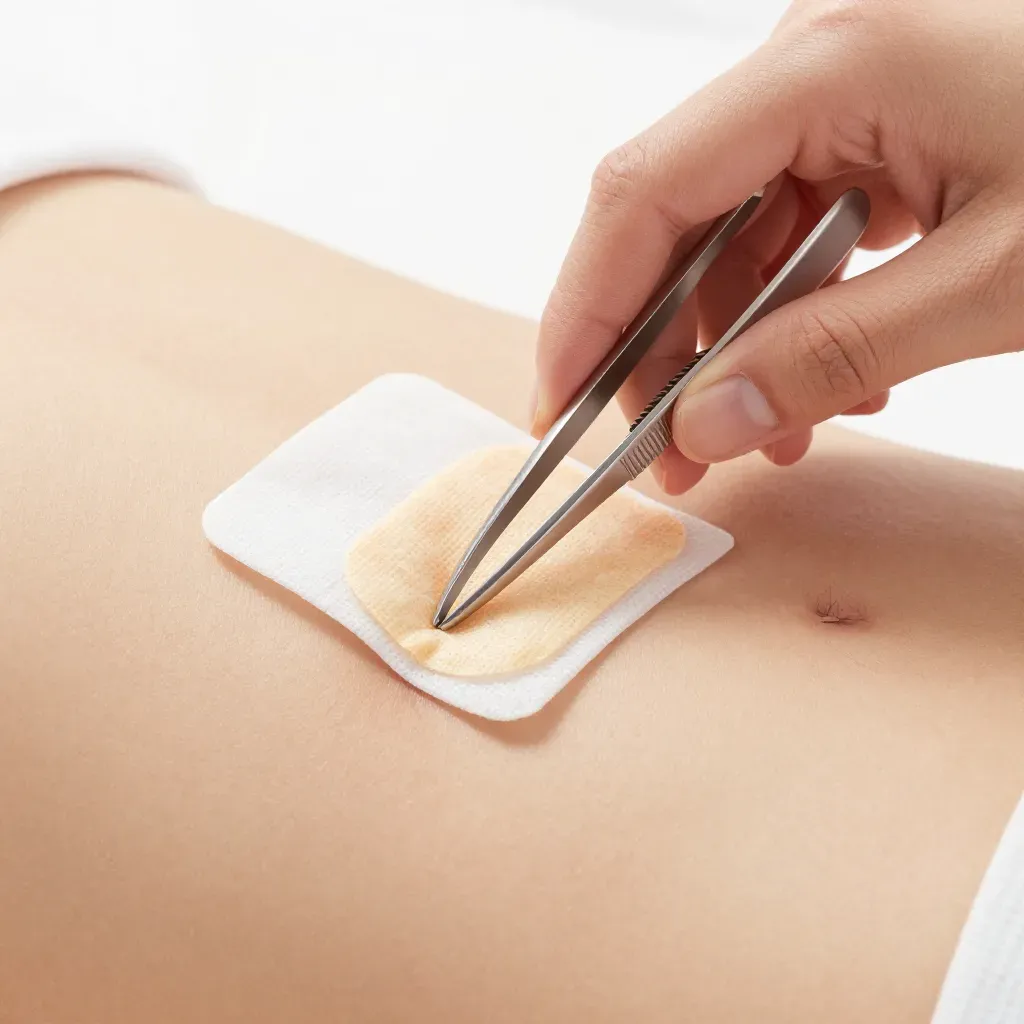
Extract only visible loops with sterilized tools after warm compresses.
Prevent by shaving with the grain, exfoliating 2-3 times weekly, and wearing loose cotton underwear.
Home remedies like diluted tea tree oil reduce inflammation.
See a doctor for spreading redness, pus, foul odor, fever, or worsening pain.
Question | Answer |
|---|---|
What causes pubic ingrown hairs? | Shaving and waxing create sharp tips that curl back into skin. |
How do I safely extract an ingrown hair? | Apply warm compresses, then use sterilized tools to lift and pull visible hair loops in their growth direction. |
What home remedies help healing? | Diluted tea tree oil, aloe vera, and witch hazel reduce inflammation and kill bacteria. |
How can I prevent future ingrown hairs? | Shave with the grain, exfoliate 2-3 times weekly, and wear loose cotton underwear. |
When is medical attention necessary? | Seek care for spreading redness, pus, fever, or worsening pain after 48 hours. |
Understanding the causes of pubic ingrown hairs helps prevent them.
Ingrown hairs occur when shaved or tweezed hair grows back into skin instead of outward. The pubic region faces higher risk due to coarse, curly hair texture and frequent removal demands.
Primary hair removal culprits
Shaving causes most pubic ingrown hairs. Multi-blade razors create sharp-tipped hairs that curl easily under the skin. Waxing and plucking can leave fragmented hair pieces beneath the surface.
Removal Method | Risk Factor | Mechanism |
|---|---|---|
Shaving | Very High | Sharp cut angle, hair retracts below skin level |
Waxing | High | Hair breaks below surface, grows sideways |
Plucking | Medium-High | Distorts follicle, changes growth direction |
Depilatory creams | Medium | Chemical irritation weakens follicle structure |
Biological and environmental factors
Coarse, curly hair naturally curls back toward skin. Tight underwear creates constant friction that forces hair into skin. Dead skin cells block follicle openings and trap growing hairs.
- Hair type: Curly/coarse textures curl back into skin easily
- Clothing: Tight synthetic fabrics increase friction 3x
- Skin buildup: Dead cells clog follicles, force hair sideways
- Technique errors: Shaving against grain, pulling skin taut
- Product irritation: Harsh soaps dry skin, tighten pores
How to remove ingrown hairs from pubic area starts with prevention
Sharp single-blade razors cut cleanly without pulling hair below skin. Exfoliate gently 2-3 times weekly with chemical exfoliants like salicylic acid. Wear loose cotton underwear to reduce friction and allow proper airflow.
Safe extraction techniques minimize pain and scarring.
Extract only visible ingrown hairs with a clear loop above skin. Never dig for embedded hairs. This prevents infection and scarring.
When to extract vs. when to wait
Extract if: | Wait if: |
|---|---|
Hair loop visible at surface | No visible hair (red bump only) |
White head present | Area is painful, hot, or swollen |
Pus can drain easily | Multiple clustered bumps |
Single isolated bump | Dark purple or black discoloration |
Step-by-step safe extraction
- Wash hands thoroughly with antibacterial soap for 30 seconds
- Apply warm compress for 5-10 minutes to soften skin and open pores
- Disinfect needle and tweezers with rubbing alcohol, let air dry
- Gently lift hair loop with needle tip only, avoid breaking skin
- Grasp exposed hair with tweezers, pull in growth direction
- Stop immediately if you feel resistance or sharp pain
- Clean area with antiseptic solution after removal
- Apply cold compress for 2 minutes to reduce swelling
Essential tools and preparation
Tool | Purpose | Sterilization Method |
|---|---|---|
Sharp needle | Lift hair loop gently | Alcohol wipe, 30 seconds |
Pointed tweezers | Grasp hair precisely | Alcohol soak, 60 seconds |
Warm compress | Soften skin, open pores | Fresh washcloth, hot water |
Antiseptic | Prevent infection | Benzoyl peroxide or tea tree oil |
Immediate aftercare protocol
Apply thin layer of antibiotic ointment. Cover with breathable bandage for 24 hours. Avoid shaving the area for 3-5 days minimum. Wear loose cotton underwear to prevent friction. Exfoliate gently after 48 hours to prevent recurrence.
Home remedies reduce inflammation and promote healing.
Natural treatments calm irritation and speed recovery without harsh chemicals. Apply remedies after warm compress preparation for best absorption.
Anti-inflammatory compresses
Alternate warm and cold therapy. Warm compresses open pores for 5 minutes before treatment. Cold compresses reduce swelling for 2 minutes after.
Compress Type | Benefit | Frequency |
|---|---|---|
Warm (104°F) | Opens follicles, softens skin | 3x daily before other treatments |
Cold (ice pack) | Reduces redness, numbs pain | 2x daily after extraction |
Green tea bag | Antioxidants reduce inflammation | 2x daily, cooled used bags |
Natural antiseptic applications
- Tea tree oil: Mix 2 drops with 1 tsp coconut oil. Apply with cotton swab twice daily. Kills bacteria, reduces swelling.
- Aloe vera gel: Use pure gel directly from leaf. Apply thin layer 3x daily. Soothes irritation, promotes healing.
- Witch hazel: Dab with cotton ball 2x daily. Natural astringent, reduces inflammation.
- Honey: Apply raw honey for 10 minutes, rinse. Antibacterial, moisturizes skin.
Gentle exfoliation to release trapped hairs
Exfoliate every 48 hours to prevent dead skin buildup. Avoid scrubs on active, inflamed bumps.
Exfoliant | Recipe | Application |
|---|---|---|
Sugar scrub | 1 tbsp sugar + 1 tbsp olive oil | Gentle circular motions, 30 seconds |
Baking soda paste | 1 tsp baking soda + few drops water | Apply 2 minutes, rinse thoroughly |
Oatmeal soak | 1/4 cup ground oats in warm water | Soak 10 minutes, pat dry |
Post-treatment moisturizing
Lock in healing with natural emollients. Apply after skin is completely dry.
- Coconut oil: Antimicrobial, lightweight moisture barrier
- Shea butter: Deep hydration for dry, irritated skin
- Vitamin E oil: Reduces scarring, speeds tissue repair
Prevention strategies stop ingrown hairs before they start.
Proper shaving technique
Shave with hair growth direction using single-blade razor. Replace blades after 3-5 uses. Rinse blade after every stroke.
Do This | Avoid This |
|---|---|
Use sharp single-blade razor | Multi-blade razors (lift-and-cut) |
Shave with the grain | Against-the-grain strokes |
Apply minimal pressure | Pulling skin taut while shaving |
Use shaving cream, not soap | Dry shaving or soap lather |
Exfoliation schedule
Exfoliate 2-3 times weekly with chemical exfoliants. Physical scrubs work but cause micro-tears.
- Salicylic acid 2%: Apply after shower, let dry
- Glycolic acid toner: Use every other day
- Soft washcloth: Gentle circular motions daily
- Benzoyl peroxide wash: Kills bacteria, prevents infection
Clothing choices that reduce friction
Fabric | Risk Level | Reason |
|---|---|---|
Loose cotton | Low | Breathable, minimal friction |
Bamboo fiber | Very Low | Moisture-wicking, antibacterial |
Synthetic blends | High | Traps heat and moisture |
Tight elastic | Very High | Constant pressure on follicles |
Alternative hair removal timing
Consider longer-term solutions. Laser hair removal eliminates the problem permanently. Professional treatments work best for pubic area.
- Laser hair removal: 6-8 sessions, permanent reduction
- Trimming only: Zero ingrown risk, maintains hygiene
- Professional waxing: Proper technique removes entire hair
- Depilatory creams: Use sparingly, test patch first
Pre-shave preparation routine
Prep skin 24 hours before shaving. Hydrate hair follicles for easier cutting.
Step | Product | Timing |
|---|---|---|
Exfoliate | Chemical exfoliant | 24 hours pre-shave |
Moisturize | Fragrance-free lotion | Night before |
Soak | Warm water 5 min | Immediately before |
Lubricate | Shaving cream | During shave |
Medical attention is necessary for severe or infected cases.
Infection warning signs
Normal ingrown hairs resolve within 3-7 days. Infected ones worsen and spread.
Normal Healing | Infected - See Doctor |
|---|---|
Mild redness | Spreading redness >1 inch |
Small whitehead | Pus, foul odor |
Slight tenderness | Severe pain, throbbing |
Improves daily | Worsens after 48 hours |
Red flags requiring immediate care
- Fever: Temperature over 100.4°F indicates systemic infection
- Abscess formation: Hard lump under skin, extremely painful
- Multiple lesions: Clustered bumps spreading across area
- Diabetes or immunosuppression: Any sign of infection needs urgent evaluation
Medical treatment options
Treatment | When Used | Recovery Time |
|---|---|---|
Antibiotic ointment | Mild infection | 3-5 days |
Oral antibiotics | Moderate infection | 7-10 days |
Incision and drainage | Abscess present | 7-14 days |
Steroid injection | Severe inflammation | 24-48 hours |
Professional hair removal alternatives
Doctors can prescribe treatments that prevent recurrence.
- Retinoids: Increase cell turnover, prevent follicle clogging
- Professional extraction: Dermatologist removes deep hairs with sterile tools
- Laser hair removal: Permanent solution for chronic sufferers
- Chemical depilatories: Prescription-strength, less irritating formulas