
Table of Contents
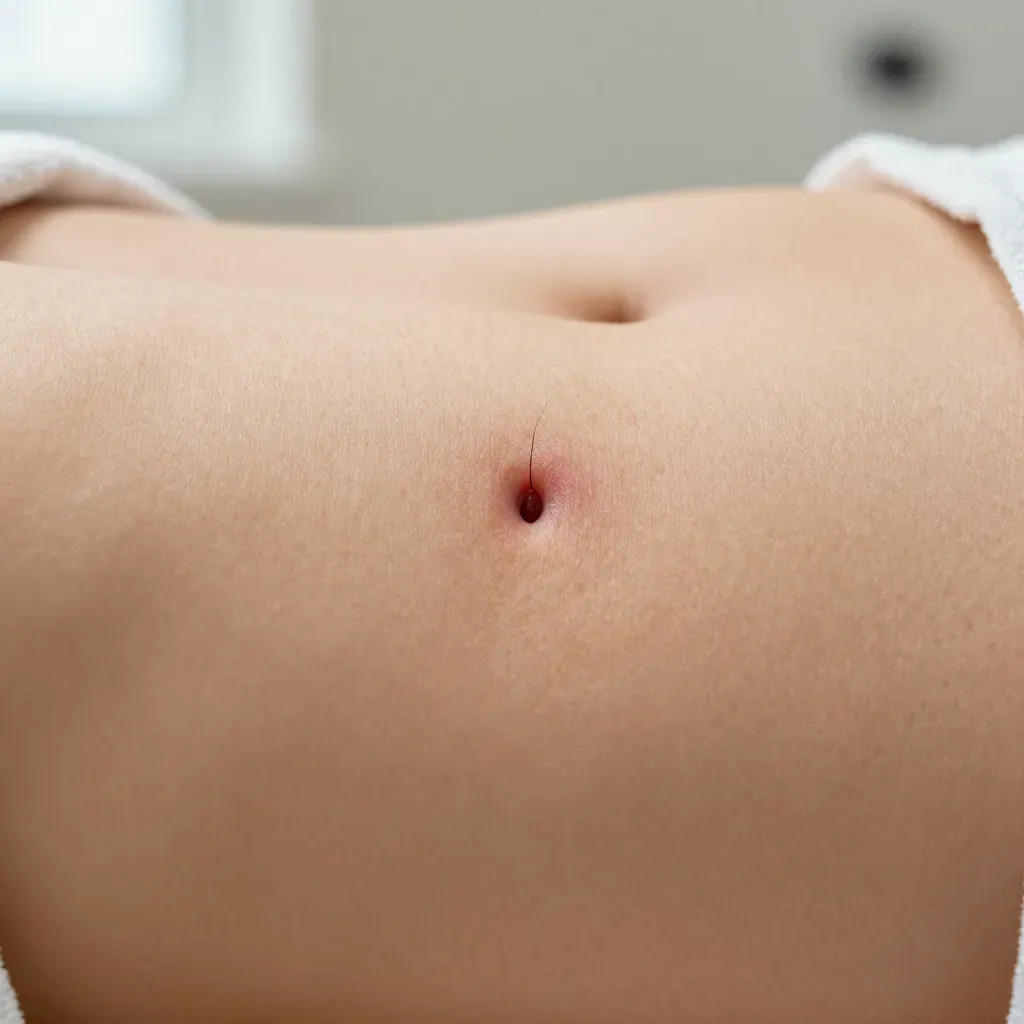
Ingrown pubic hairs look like red bumps with dark centers and cause itching.
Prepare by cleaning skin, using warm compresses, and sterilizing tools with alcohol.
Lift the hair with a sterile needle and pull with tweezers along growth direction.
Apply antibiotic ointment immediately and wash the area twice daily for 5-7 days.
Prevent by shaving with the grain, exfoliating regularly, wearing loose cotton underwear, or using laser treatment.
Question | Answer |
|---|---|
How can you identify an ingrown hair in the pubic area? | Look for small red bumps with a dark dot at the center and mild itching. |
What tools do you need to remove an ingrown hair safely? | You need a sterile needle, sharp tweezers, rubbing alcohol, and antibiotic ointment. |
When should you stop trying to remove an ingrown hair? | Stop if you feel severe pain, see more than pinprick bleeding, or cannot see the hair after three attempts. |
How do you prevent infection after removal? | Apply antibiotic ointment within five minutes and wash the area twice daily with gentle soap. |
What prevents future ingrown pubic hairs? | Shave with the grain using a single-blade razor, exfoliate 2-3 times weekly, and wear loose cotton underwear. |
Identify ingrown hairs in your pubic area
Visual identification
Ingrown hairs appear as small raised bumps on pubic skin.
Color ranges from red to pink or skin-toned.
Look for dark dot at center—that's trapped hair.
Some develop white or yellow pus heads.
They cluster along bikini line or shaved areas.
Surrounding skin may darken.
Deep ones form larger cyst-like lumps.
Tiny blood spots appear if scratched.
Physical sensations
Area feels itchy or mildly irritated.
Tenderness increases with touch or pressure.
Discomfort worsens after shaving or waxing.
Deeper ones cause throbbing sensation.
Skin feels rough or bumpy.
Walking or underwear friction aggravates irritation.
Some cause no sensation until touched.
Distinguish from other conditions
Many skin conditions look similar.
Feature | Ingrown Hair | Razor Burn | Folliculitis | Herpes | Acne |
|---|---|---|---|---|---|
Main sign | Visible hair inside | Red streaks, no hair | Many small pimples | Fluid blisters | Whiteheads, no hair |
Number | 1-5 bumps | Patchy rash | 20+ bumps | Clustered sores | Scattered lesions |
Pain level | Mild discomfort | Burning sting | Tender & sore | Severe pain | Moderate |
Healing time | 3-7 days | 1-3 days | 1-2 weeks | 2-4 weeks | 5-7 days |
Cause | Hair growing inward | Blade irritation | Bacterial infection | Virus | Hormones/oil |
When to worry
Normal ones resolve within one week.
See doctor if redness spreads beyond bump.
Seek help for severe pain or fever.
Get medical care for pea-sized or larger bumps.
Red streaks indicate serious infection.
Chronic recurring ones need dermatologist.
Abscess or boil formation requires treatment.
Diabetics or immunocompromised need earlier care.
Prepare skin safely before removal
Clean the area
Wash pubic skin with warm water.
Use mild antibacterial soap only.
Avoid scented feminine washes—they irritate.
Rinse thoroughly to remove soap residue.
Pat dry with clean towel.
Wait 10-15 minutes for complete drying.
Do not apply lotions or oils beforehand.
Clean skin prevents bacteria entering follicle.
Soften skin and hair
Apply warm compress for 10-15 minutes.
Use clean washcloth soaked in hot water.
Test temperature on forearm first.
Re-warm cloth every 3-4 minutes.
Softening helps hair break surface.
Alternative: steam from hot shower for 15 minutes.
Never use scalding water—burn risk is high.
Soft skin reduces extraction trauma.
Gather and sterilize tools
Collect these essentials:
- Sterile needle or lancet
- Sharp tweezers with fine point
- Rubbing alcohol (70% isopropyl)
- Cotton balls or pads
- Antiseptic ointment
- Clean gauze
- Small bowl for alcohol
Sterilize needle and tweezers:
Method | Steps | Time |
|---|---|---|
Alcohol soak | Submerge tips in alcohol. Air dry. | 5 minutes |
Flame | Hold tips over lighter. Cool 1 minute. | 2 minutes |
Boiling | Boil water. Submerge tools 10 minutes. | 15 minutes |
Re-sterilize between multiple spots.
Do not touch sterilized tips with fingers.
Reduce pain and inflammation
Apply ice pack for 3-5 minutes.
Wrap ice in clean cloth.
Take ibuprofen 30 minutes prior if needed.
Avoid numbing creams—they irritate mucous membranes.
Work in well-lit area with magnifying mirror.
Wash hands after tool prep.
Wear disposable gloves.
Position yourself comfortably.
Good lighting prevents digging or over-picking.
Remove hairs with sterile tools
Basic extraction steps
Wash hands again before touching skin.
Position magnifying mirror for clear view.
Hold surrounding skin taut between fingers.
Insert needle tip parallel to skin surface.
Gently tease hair loop upward.
Grasp exposed hair with sterile tweezers.
Pull in direction of hair growth only.
Remove entire hair shaft completely.
Stop if hair breaks midway.
Tool technique guide
Tool | Purpose | Proper technique | Warning |
|---|---|---|---|
Sterile needle | Lifting trapped hair | Slide under hair loop at shallow angle | Never puncture skin vertically |
Sharp tweezers | Removing hair | Firm grip at base, steady pull | Do not twist or jerk |
Lancet | Deep or stubborn hairs | Make tiny surface nick only | Avoid—higher scarring risk |
Safety stop rules
- Bleeding more than pinprick—stop immediately
- Severe pain beyond mild sting—stop
- No hair visible after 3 gentle attempts—stop
- Bump larger than pea—see doctor instead
- Red streaks spreading—seek urgent care
- Hair too deep—leave it to heal naturally
What never to do
Never squeeze bump like a pimple.
Do not dig with fingernails or pins.
Avoid shaving over active ingrown hairs.
Never apply toothpaste, lemon juice, or vinegar.
Do not reuse tools without re-sterilizing.
Never share extraction tools with others.
Immediate after removal
Dab site with alcohol-soaked cotton ball.
Apply thin layer of antibiotic ointment.
Cover with small bandage if area rubs clothing.
Remove bandage after 4-6 hours.
Let skin breathe overnight.
Wash area gently next morning.
Apply aftercare to prevent infection
Immediate treatment
Apply antibiotic ointment within 5 minutes of removal.
Use thin layer—thick coating traps bacteria.
Cover with breathable bandage for 4-6 hours.
Remove bandage before sleeping.
Let skin air out overnight uncovered.
Avoid touching area with unwashed hands.
Daily care routine
Wash twice daily with warm water and gentle soap.
Pat dry with clean towel—never rub.
Reapply ointment after each wash for 3 days.
Wear loose cotton underwear only.
Avoid friction from tight clothing.
Skip workouts for 24-48 hours.
No swimming pools or hot tubs for 3 days.
Change underwear twice daily until healed.
Products guide
Safe to Use | Avoid Completely |
|---|---|
Antibiotic ointment | Scented lotions |
Fragrance-free cleanser | Alcohol-based toners |
Hydrocortisone 1% | Exfoliating acids |
Tea tree oil (diluted) | Retinoids |
Aloe vera gel | Heavy moisturizers |
Infection warning signs
- Redness spreading beyond bump
- Skin feels hot to touch
- Pus or yellow drainage
- Swelling increases daily
- Fever or chills
- Red streaks up groin
- Severe pain when walking
- Bump larger than pea size
- Crusting or scabbing with oozing
Care timeline
Day 1-3: Ointment after every wash.
Day 4-7: Switch to aloe vera gel.
Week 2: Resume normal gentle cleansing.
Total healing time: 5-7 days.
Stop treatment when bump flattens.
Monitor site for 1 week after.
Resume shaving only after full healing.
Prevent future ingrown hairs
Prevent ingrown hairs in pubic area with technique changes and better skin care.
Right methods stop recurrence completely.
Change shaving habits
Use single-blade razor or safety razor.
Shave with hair growth direction only.
Soak skin 5 minutes before shaving.
Apply fragrance-free shaving cream.
Replace blade every 3-4 shaves maximum.
Rinse blade after each stroke.
Use light pressure—never press down.
Limit to one pass per area.
Shave every 3-4 days not daily.
Switch hair removal methods
Consider laser hair removal for permanent reduction.
Professional waxing removes hair correctly.
Electric trimmers leave hair slightly longer.
Depilatory creams work for some skin types.
Sugaring causes fewer ingrowns than waxing.
Avoid plucking individual hairs repeatedly.
Learn proper removal techniques before attempting.
Exfoliate regularly
Use chemical exfoliant 2-3 times weekly.
Physical scrubs too harsh for pubic area.
Salicylic acid 2% prevents follicle clogging.
Glycolic acid pads work gently.
Lactic acid lotions hydrate while exfoliating.
Wait 48 hours after hair removal before exfoliating.
Stop if redness or burning occurs.
Wear proper clothing
Choose loose cotton underwear daily.
Avoid synthetic fabrics that trap sweat.
Change out of sweaty clothes immediately.
Skip tight jeans or leggings after shaving.
Go commando at night when possible.
Wash new underwear before first wear.
Build daily skin routine
Wash pubic area once daily with mild soap.
Moisturize after showering with gentle lotion.
Apply salicylic acid treatment weekly.
Keep area dry but not overly dry.
Check skin weekly for early signs.
Never pick or scratch bumps.
Get professional help
See dermatologist for chronic ingrown hairs.
At-home laser devices work for some.
Professional Brazilian laser treatments offer permanent results.
Get prescription retinoids for severe cases.
Consider safety factors before at-home treatments.
Method | Effectiveness | Cost | Frequency |
|---|---|---|---|
Proper shaving | Moderate | Low | Daily |
Chemical exfoliants | High | Low-Med | 2-3x/week |
Professional laser | Very High | High | 6-8 sessions |
Professional wax | Moderate | Med-High | Monthly |