
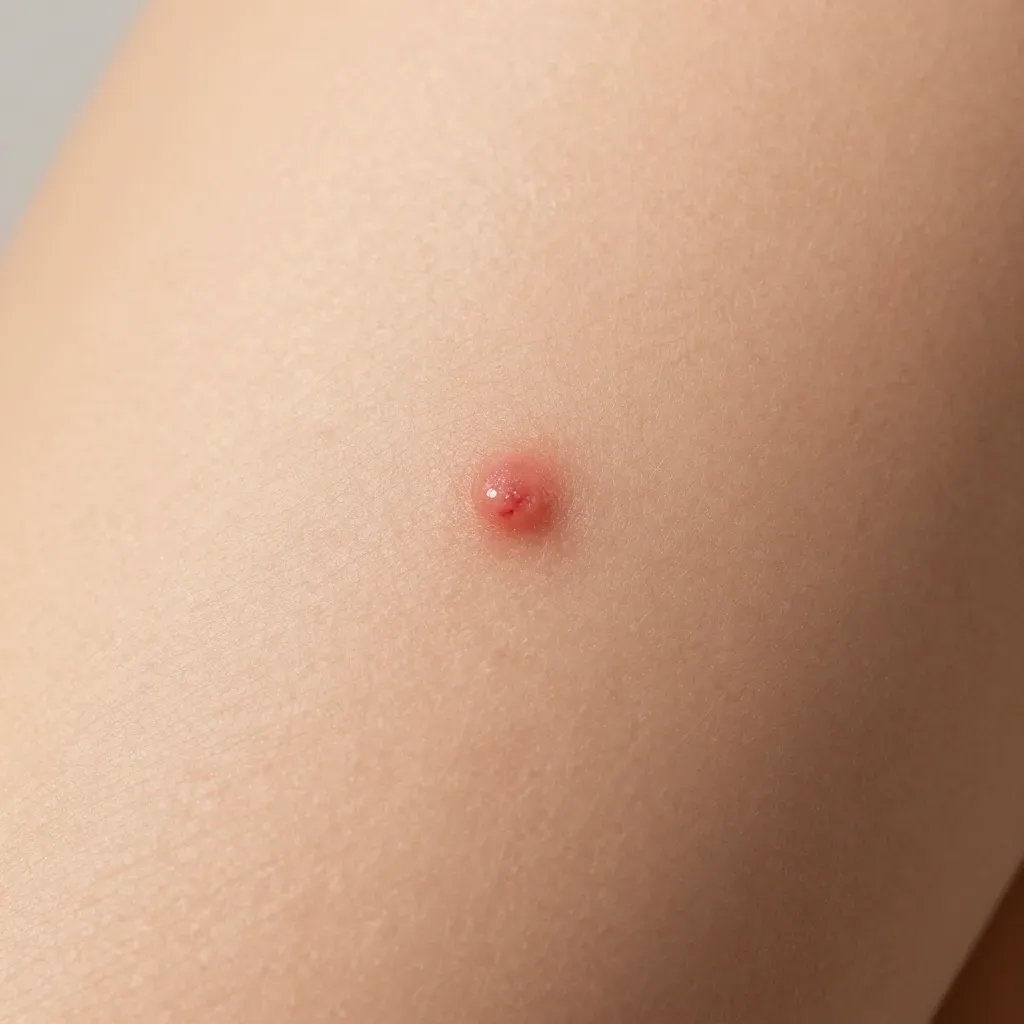
Table of Contents
Treat ingrown hairs with warm compresses to open pores and soften trapped hair.
Gently exfoliate to remove dead skin barriers.
Lift visible hair tips with sterile needles only.
Stop all hair removal until skin fully heals.
Consider laser treatment for chronic recurring cases.
Question | Answer |
|---|---|
How do warm compresses help ingrown hair removal? | Heat expands blood vessels and softens skin, allowing trapped hair to surface naturally. |
How often should you exfoliate for ingrown hair removal? | Exfoliate body areas 2-3 times weekly and sensitive zones daily with low-concentration chemicals. |
When is it safe to use a needle for ingrown hair removal? | Only use a needle when the hair tip is visible above the skin surface. |
How long must you stop hair removal after an ingrown hair? | Wait 3-10 days based on severity until all redness and swelling disappear. |
What permanently solves chronic ingrown hair removal issues? | Laser hair removal destroys follicles and prevents recurrence after 6-8 sessions. |
Apply warm compress to open pores
Why heat works
Heat from a warm compress causes vasodilation. Blood vessels expand. This increases blood flow to the area. The heat also softens the outer skin layer and the hair itself. Open pores allow trapped hair to surface naturally. Sebum, the skin's natural oil, softens. This reduces the hair's grip on the skin.
How to apply
- Use a clean washcloth. Soak it in hot tap water. Wring out excess water.
- Press the warm, damp cloth against the ingrown hair.
- Hold for 5 to 10 minutes. Re-warm the cloth as it cools.
- Repeat 2 to 3 times daily until hair emerges.
Best compress materials
Material | Pros | Cons |
|---|---|---|
Cotton washcloth | Reusable, soft, easy to find | Needs frequent reheating |
Muslin square | Breathable, gentle on skin | Thinner, cools faster |
Gel heat pack | Maintains heat longer | Must cover with cloth, not direct skin |
Consistency is key. Apply after a shower when pores are naturally open. This improves results. Never force the hair. Let warmth do the work.
Gently exfoliate the affected area
Why exfoliation matters
Dead skin cells form a barrier. This barrier traps growing hairs beneath the surface. Gentle exfoliation removes this barrier. Hairs can then break through naturally. Exfoliation also prevents new ingrown hairs from forming.
Physical vs chemical exfoliation
Method | How it works | Best for | Frequency |
|---|---|---|---|
Physical scrub | Small particles manually remove dead cells | Body areas, tough skin | 2-3 times weekly |
Chemical (AHA/BHA) | Dissolves bonds between dead cells | Face, sensitive zones | Daily (low concentration) |
Dry brush | Bristles sweep away surface cells | Legs, arms before shower | Every other day |
Proper technique
- Apply gentle pressure. Use circular motions for 30-60 seconds.
- Focus on the ingrown hair area. Extend to surrounding skin.
- Rinse with lukewarm water. Pat dry with clean towel.
- Moisturize immediately to maintain skin barrier.
Exfoliate before hair removal. This lifts hairs away from skin. It reduces the chance of them growing inward. For stubborn ingrown hairs, exfoliate gently for up to 10 minutes. This extended time softens skin without causing trauma.
Lift hair tip with sterile needle
When to use this method
Use only when hair tip is visible above skin. If hair remains under skin, do not dig. This causes infection and scarring. Wait until hair emerges naturally or with warm compress. The goal is to lift, not extract.
Preparation steps
- Wash hands thoroughly with soap and water.
- Clean the area with rubbing alcohol or antiseptic.
- Sanitize a fine-tipped needle by holding it over flame for 10 seconds. Let it cool.
- Clean the needle again with alcohol before use.
Proper technique
- Hold skin taut with one hand.
- Gently insert needle tip at the side of the hair loop.
- Lift the hair tip out of the skin. Do not push needle under skin.
- Use tweezers to grab the exposed hair tip. Pull gently.
Safety considerations
Risk | Prevention |
|---|---|
Infection | Use sterile tools. Clean area before and after. |
Scarring | Never dig under skin. Lift only visible hair. |
Spreading bacteria | Use new needle each time. Do not reuse. |
After removal, apply antibiotic ointment. Cover with clean bandage. Watch for signs of infection: increased redness, pus, or warmth. If these occur, stop treatment and consult a doctor.
Stop hair removal until healed
Why this matters
Hair removal creates micro-cuts in skin. These cuts trap new hairs under healing tissue. This creates more ingrown hairs. The irritated area needs recovery time. Continuing to shave or wax spreads bacteria. This increases infection risk.
Healing timeline
Ingrown severity | Minimum wait time |
|---|---|
Small bump, no pain | 3 days |
Visible hair loop | 5-7 days |
Red, inflamed | 7-10 days |
Infected with pus | Until fully healed |
What to avoid completely
- Shaving over the affected spot
- Waxing or sugaring the area
- Depilatory creams - chemicals irritate
- Tweezing any hairs near the bump
- Threading or dermaplaning
Safe alternatives
Trim hair with clean cuticle scissors if growth causes discomfort. Cut close to skin surface. Do not pull. This prevents new ingrowns while skin heals. Keep area clean and dry except when applying treatment.
Resume hair removal only when skin looks normal. No redness, swelling, or tenderness remains. Use proper technique to prevent recurrence.
Consider laser for chronic cases
When laser makes sense
Try laser when ingrown hairs keep returning after every shave or wax. Consider it if you get them weekly or monthly. Laser works best on dark hair and light skin. It destroys hair follicles. This stops new hairs from growing inward permanently.
Professional vs at-home devices
Type | Power level | Cost range | Best for |
|---|---|---|---|
Professional diode | Strongest | $150-500 per session | Brazilian, face, chronic cases |
Professional IPL | Medium | $100-400 per session | Legs, arms, larger areas |
At-home IPL | Lowest | $200-600 device | Maintenance, mild cases |
Treatment process
- 6-8 sessions needed for permanent reduction
- Each session takes 15-60 minutes
- Works on short hair - shave before treatment
- 4-6 weeks between sessions
Cost considerations
Brazilian laser costs $200-450 per session. Full legs cost $400-800. Underarms $150-250. At-home devices cost $200-600 one-time. Calculate total cost based on number of sessions needed. Many clinics offer package deals.
Safety and side effects
Possible redness and swelling for 24-48 hours. Rare burns or pigment changes. Avoid sun before and after treatment. Do not use on tanned skin. Consult dermatologist if you have dark skin - some lasers work better. Stop using retinoids one week before treatment.