
Table of Contents
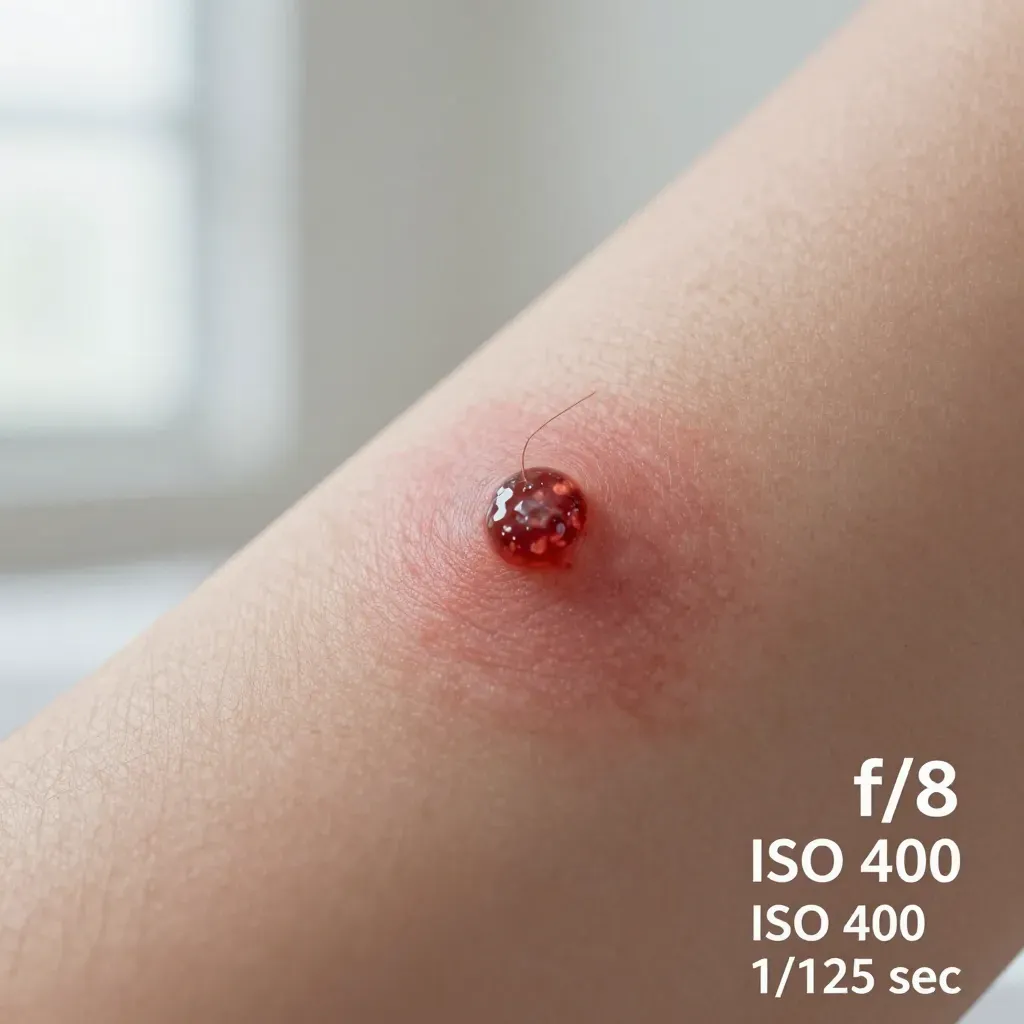
Infected ingrown hairs appear as red pus-filled bumps that feel hot and painful. Never squeeze them. Remove safely with sterile needles warm compresses and antibiotic ointment. Seek medical care immediately for red streaks fever or severe pain. Prevent future problems through single-blade shaving daily exfoliation and loose breathable clothing. Laser hair removal permanently eliminates chronic ingrown hairs after 6-8 sessions.
Question | Answer |
|---|---|
What do infected ingrown hairs look like? | Red pus-filled bumps with yellow-white centers that feel hot and tender. |
How do I safely remove them? | Use sterile needles warm compresses and tweezers never squeeze the bump. |
When should I see a doctor? | Go immediately for red streaks fever over 100.4°F or severe throbbing pain. |
How can I prevent them? | Use single-blade razors shave with hair growth and exfoliate daily. |
What is the permanent solution? | Laser hair removal destroys follicles permanently after 6-8 sessions. |
Identify infected ingrown hairs by their appearance as pus-filled bumps or cysts under the skin.
Visual signs
- Red or purple bumps that feel hot
- Pus pockets with yellow-white centers
- Hard lumps under skin surface
- Pain increases with touch
- Itchy tender skin around follicle
- Multiple bumps cluster together
Bacteria enter through broken skin around trapped hair. Body sends white blood cells creating pus. Hair follicle swells into cyst-like structure.
Infection stages
Stage | Looks like | Feels like | Action needed |
|---|---|---|---|
Early 1-2 days | Small red dot slight swelling | Mild itch tenderness | Warm compress |
Developing 3-5 days | Visible pus pocket | Sharp pain heat | Sterile needle removal |
Advanced 5+ days | Large abscess spreading redness | Severe pain fever | Doctor antibiotics |
Common locations
- Bikini line pubic area
- Beard neck region
- Underarms
- Inner thighs
- Lower legs
Danger signals
- Red streaks spreading from bump
- Fever over 100.4°F
- Swollen lymph nodes nearby
- Severe throbbing pain
- Multiple abscesses form
Perform safe removal using sterile needles and warm compresses without squeezing.
What you need
- Sterile hypodermic needle or lancet
- Alcohol prep pads
- Antiseptic skin wash
- Sharp tweezers sterilized
- Clean gauze pads
- Topical antibiotic ointment
- Fresh washcloth
- Disposable medical gloves
Prep your skin
- Wash hands thoroughly with antibacterial soap for 30 seconds
- Clean infected area gently with antiseptic solution
- Sterilize needle and tweezers by wiping with alcohol
- Prepare warm compress using hot water and clean cloth
- Put on disposable gloves before touching area
Step-by-step removal
Step | Action | Duration |
|---|---|---|
1 | Hold warm compress on bump | 10-15 minutes |
2 | Wipe needle with alcohol pad | 30 seconds |
3 | Gently pierce top skin layer | 10 seconds |
4 | Hook hair loop with needle tip | 20 seconds |
5 | Grasp hair with sterile tweezers | 10 seconds |
6 | Pull entire hair out smoothly | 5 seconds |
7 | Cover with antibiotic ointment | Twice daily |
Critical rules
- Never squeeze or pop the infected bump
- Do not dig deep into skin layers
- Stop immediately if severe pain occurs
- Wait until hair surfaces naturally
- Use only fully sterile tools
- Work in bright lighting to see clearly
Aftercare protocol
- Clean area twice daily with mild soap
- Apply thin layer of antibiotic ointment
- Cover with clean bandage if draining
- Avoid shaving until completely healed
- Watch for spreading redness or fever
- Seek medical care if symptoms worsen
- Do not pick at healing scab
When to stop and get help
- Severe pain during any step
- Heavy bleeding that won't stop
- Hair not visible after 15 min compress
- Bump located too deep under skin
- Multiple infected hairs in cluster
- Feeling faint or dizzy during procedure
Recognize when medical treatment is necessary for severe infections.
Red flag symptoms requiring immediate medical care
- Red streaks spreading from bump toward heart
- Fever over 100.4°F or chills
- Severe throbbing pain unrelieved by OTC pain meds
- Swollen tender lymph nodes near infection site
- Multiple abscesses forming cluster pattern
- Rapidly expanding area of redness within hours
- Thick yellow-green pus with foul odor
- Feeling dizzy weak or generally unwell
- Loss of appetite nausea vomiting
- Difficulty moving affected limb
- Diabetes or immunocompromised status
Infection severity assessment scale
Severity level | Key symptoms | Required action | Timeline |
|---|---|---|---|
Mild | Small red bump slight tenderness no pus | Warm compress watchful waiting | 24-48 hours |
Moderate | Visible pus pocket localized heat pain | Sterile home removal | Same day |
Severe | Spreading redness fever swollen nodes | Doctor appointment antibiotics | Within 24 hours |
Critical | Red streaks systemic symptoms confusion | ER immediately IV antibiotics | Right now |
High-risk body locations
- Face near eyes nose upper lip
- Genital area bikini line inner thighs
- Skin folds prone to moisture friction
- Areas with poor circulation diabetes
- Sites of previous keloid scarring
- Underarms with dense hair growth
Medical treatment options
Treatment type | Best for | How it works | Duration |
|---|---|---|---|
Oral antibiotics | Moderate to severe bacterial infection | Kills bacteria systemically | 7-10 days full course |
Topical antibiotics | Mild localized surface infection | Direct bacteria kill on skin | 3-5 days |
Steroid creams | Inflammation swelling itching | Reduces immune response | 5-7 days short term |
Incision drainage | Large painful abscess | Removes pus pressure | Single procedure |
Professional extraction | Deep embedded hairs | Sterile medical removal | One visit |
Laser hair removal | Recurrent ingrown hairs | Destroys follicle permanently | 6-8 sessions |
When to go to emergency room
- High fever over 102°F (38.9°C)
- Confusion disorientation altered mental state
- Difficulty breathing shortness of breath
- Red streaks rapidly moving up limb
- Large area of skin turning black purple
- Sepsis symptoms rapid heart rate low blood pressure
- Unable to keep down fluids vomiting
- Severe headache with neck stiffness
Prevent future occurrences through proper shaving and regular exfoliation.
Shaving technique that prevents ingrown hairs
- Use single-blade safety razor only
- Shave in direction of hair growth
- Never stretch skin while shaving
- Rinse blade after every single stroke
- Limit to one pass over each area
- Replace blade after 5-7 uses maximum
Exfoliation schedule and methods
Type | Product examples | Frequency | How to apply |
|---|---|---|---|
Chemical | Salicylic acid 2% Glycolic acid 5% | Daily | Apply thin layer after cleansing |
Physical | Soft washcloth Sugar scrub | 2-3 times weekly | Gentle circular motion 1 minute |
Deep | BHA treatment | Weekly | Leave on 10 minutes then rinse |
Pre-shave preparation ritual
- Take warm shower 5 minutes minimum
- Apply shaving cream wait 2 minutes
- Disinfect razor with rubbing alcohol
- Pat skin dry do not rub
- Map hair growth direction before starting
Products to use vs avoid
Use these | Avoid these |
|---|---|
Sharp single blade | Dull multi-blade cartridges |
Fragrance-free shaving cream | Bar soap |
Salicylic acid cleanser | Heavy oily moisturizers |
Light non-comedogenic lotion | Alcohol-based aftershave |
Benzoyl peroxide spot treatment | Scrubs with large particles |
Clothing and friction prevention
- Wear loose breathable cotton underwear
- Avoid tight jeans leggings after shaving
- Change out of sweaty clothes immediately
- Use moisture-wicking fabrics for workouts
- Sleep without tight clothing on affected areas
Weekly prevention routine
Day | Morning | Evening |
|---|---|---|
Sunday | Physical exfoliation | Deep BHA treatment |
Monday-Friday | Chemical exfoliant | Light moisturizer |
Saturday | Shave day with full prep | Post-shave care |
Eliminate recurring problems with professional laser hair removal treatments.
How laser stops ingrown hairs
Laser destroys hair follicle permanently. No follicle means no trapped hair. No trapped hair means no infection. Heat targets melanin in hair shaft. Damaged follicle stops producing hair.
Treatment schedule
- 6-8 sessions required
- 4-6 weeks between sessions
- Each session 15-60 minutes
- Full results after final session
- Yearly touch-ups needed
Cost breakdown
Area size | Per session | Package (6 sessions) |
|---|---|---|
Small (bikini) | $150-300 | $800-1500 |
Medium (underarms) | $300-500 | $1500-2500 |
Large (legs) | $500-900 | $2500-4500 |
Best candidates
- Dark coarse hair
- Chronic ingrown sufferers
- Pseudofolliculitis barbae
- Bikini line problems
- Underarms neck areas
Not suitable
- Blonde gray white hair
- Pregnant women
- Recent sun exposure
- Photosensitive medications
- Active skin infections
Results timeline
After sessions | Hair reduction | Ingrown elimination |
|---|---|---|
1 session | 20% | Minimal |
3 sessions | 50% | Moderate |
6 sessions | 80-90% | 90% |
12 months | 90% | 95% |
Between-session rules
- Shave only no waxing plucking
- Avoid sun 2 weeks before after
- Apply SPF 30+ daily
- No harsh scrubs
- Moisturize twice daily
Side effects vs chronic ingrowns
Effect | Laser (temporary) | Ingrown (chronic) |
|---|---|---|
Redness | 24-48 hours | Recurring |
Pain | Mild during | Severe infected |
Scarring | Rare | Common |
Cost | $150-900/session | Antibiotics ER visits |