
Table of Contents
Laser hair removal destroys follicles to permanently prevent ingrown hairs.
Ingrowns between sessions happen when dormant follicles activate or from improper shaving and waxing.
Complete all 6-8 sessions for 70-90% reduction.
Shave with the grain using light pressure and exfoliate 2-3 times weekly.
Never wax or pluck between sessions.
Treat mild ingrowns during sessions but postpone if infection or severe inflammation present.
Schedule annual maintenance to preserve results.
Question | Answer |
|---|---|
What causes ingrown hairs between laser sessions? | Dormant follicles activate and improper shaving creates sharp tips that curl inward. |
How does laser prevent ingrown hairs? | Heat damages follicles so they cannot produce new hairs. |
Can I shave between sessions? | Yes, shave with the grain using light pressure and a sharp blade only when needed. |
When should I postpone treatment? | Postpone for pus, open wounds, severe swelling, or clustered painful bumps. |
How many sessions for permanent results? | 6-8 sessions plus annual maintenance achieve 70-90% reduction. |
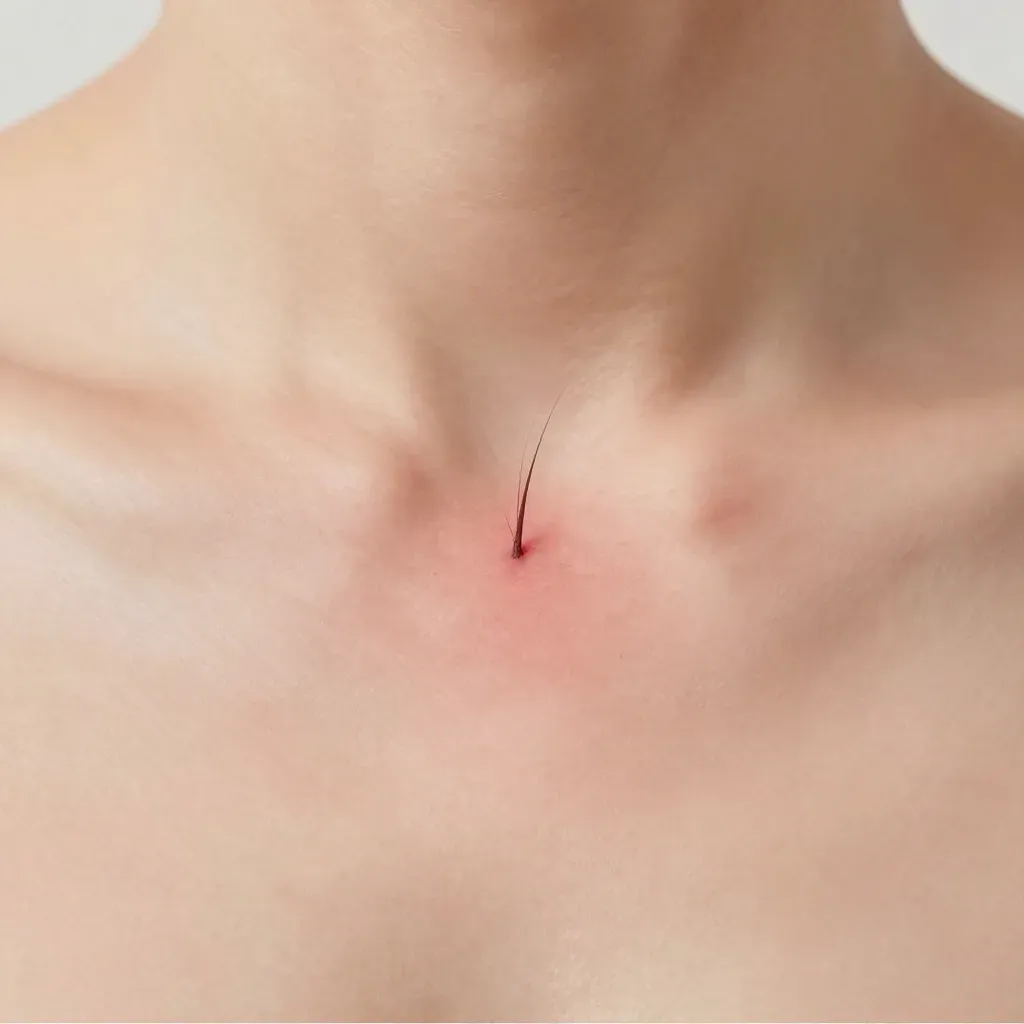
What causes ingrown hairs after laser hair removal sessions
Disrupted hair growth cycle
Laser hair removal only targets active follicles. Dormant hairs remain untouched and can become trapped during natural shedding. The laser weakens follicles but doesn't destroy them instantly. Weakened hairs sometimes curl inward instead of pushing through skin. This creates bumps and inflammation. Each session catches different follicles at active stages. Incomplete treatment series leaves functional follicles that produce ingrown hairs.
Between-treatment hair removal mistakes
Shaving between sessions cuts hair at sharp angles. Sharp tips pierce surrounding skin easily. Waxing or plucking pulls hairs from roots and disrupts the laser's target zone. New growth from waxed follicles gets trapped under skin's surface. These methods defeat laser's purpose and increase ingrown risk. Practitioners advise shaving only when necessary with gentle pressure.
Skin type and hair characteristics
Curly or coarse hair naturally grows back into skin. Dead skin cells block follicle openings and trap hairs. Genetic predisposition makes some people more susceptible. Harsh scrubs and products cause inflammation that closes pores. Dark spots often follow healed ingrown hairs. People with coarse, curly hair experience this most frequently.
Cause | Mechanism | Prevention |
|---|---|---|
Hair cycle disruption | Dormant follicles activate post-treatment | Complete all recommended sessions |
Improper shaving | Creates sharp angled tips | Shave with grain, light pressure |
Waxing between sessions | Removes root, disrupts targeting | Avoid completely during treatment |
Dead skin buildup | Blocks follicle openings | Exfoliate 2-3 times weekly |
Curly hair texture | Natural growth pattern inward | More frequent exfoliation |
Product irritation | Inflammation swells follicle | Use fragrance-free gentle cleansers |
How laser treatment prevents future ingrown hairs from forming
Follicle destruction mechanism
Laser emits concentrated light energy that seeks melanin in hair follicles. Heat travels down the hair shaft to the root and damages follicle's growth structures. Damaged follicles lose ability to produce new hairs. Without new growth, ingrown hairs cannot form. Each session reduces active follicle count permanently. The laser's precision targets only follicles, leaving surrounding skin unharmed.
Comparison with traditional methods
Shaving cuts hair at skin level, leaving sharp tips that curl back into skin easily. Waxing pulls hair but leaves follicle functional, so new hair grows from same active follicle. Laser disables follicle entirely. No follicle means no hair to become ingrown. This fundamental difference makes laser superior for long-term prevention. Traditional methods create cycles of irritation and ingrowth.
Progressive improvement timeline
Results build over treatment series. First sessions reduce hair density and weaken surface follicles. Middle sessions significantly weaken remaining follicles and create patchy clearance. Final sessions target most stubborn follicles. Most clients see 70-90% reduction after 6-8 sessions. Maintenance sessions once or twice yearly preserve results. Consistent treatment schedule maximizes prevention. Skipping sessions allows follicles to recover partially.
Session Phase | What Happens | Ingrown Prevention Rate |
|---|---|---|
Sessions 1-2 | Initial follicle damage, surface hair reduction | 20-30% |
Sessions 3-4 | Significant weakening, patchy clearance | 50-60% |
Sessions 5-6 | Majority follicles disabled | 75-85% |
Sessions 7+ | Stubborn follicle elimination | 90%+ |
Key prevention benefits
- Permanently disables hair follicles
- Eliminates sharp hair tips that cause ingrowns
- Reduces follicle inflammation over time
- Prevents dead skin cell buildup in follicles
- Stops the cycle of repeated irritation
Targeted treatment areas
Laser works on any body part prone to ingrowns. Bikini line benefits most due to coarse curly hair. Underarms see rapid improvement. Face and neck respond well for men with pseudofolliculitis barbae. Legs become smooth without razor bumps. Any area previously shaved or waxed shows dramatic reduction. The treatment adapts to different hair textures and skin types with appropriate laser settings.
Best practices to minimize ingrown hairs between treatments
Shaving technique between sessions
Shave only when hair becomes visible. Use sharp, clean razor blades exclusively. Shave with hair growth direction, never against. Apply light pressure to avoid follicle irritation. Use fragrance-free shaving cream or gel for lubrication. Rinse blade after each stroke to prevent clogging. Replace blades after 3-4 uses maximum. Dull blades create jagged hair tips that curl inward easily. Wait 48-72 hours post-treatment before first shave.
Exfoliation schedule
Exfoliate treated area 2-3 times weekly using gentle chemical exfoliants. Salicylic acid or glycolic acid dissolve dead skin effectively. Avoid harsh physical scrubs that cause micro-tears and inflammation. Exfoliation removes dead skin cells blocking follicle openings. Start exfoliation 48 hours after each laser session. Increase frequency to every other day if prone to ingrowns. Stop immediately if skin shows redness or irritation. Consistent exfoliation prevents trapped hairs.
Product selection
Use fragrance-free, gentle cleansers labeled for sensitive skin. Apply lightweight, non-comedogenic moisturizers daily. Avoid heavy creams that clog pores and trap hairs. Skip retinoids and strong acids 3-5 days before laser appointments. These increase skin sensitivity. Use tea tree oil or witch hazel for natural antibacterial protection. Apply hydrocortisone cream for inflammation if bumps appear. Check all product labels for potential irritants.
Strict avoidance rules
Never wax or pluck hairs between laser sessions. These methods remove hair from the root and disrupt laser targeting completely. Avoid picking or squeezing ingrown bumps. Picking causes infection and permanent scarring. Skip tanning beds and direct sun exposure 2 weeks before treatments. Tanned skin increases laser absorption risks and complications. Don't use depilatory creams or bleaching agents. Chemicals irritate skin and interfere with laser effectiveness.
Practice | Frequency | Benefit |
|---|---|---|
Shaving | As needed, max 2x/week | Maintains laser target zone |
Exfoliation | 2-3 times weekly | Clears dead skin blocking follicles |
Moisturizing | Daily | Keeps skin barrier healthy |
Sun protection | Daily SPF 30+ | Prevents pigmentation issues |
Product check | Before each use | Avoids irritation triggers |
When to treat active ingrown hairs versus postponing laser
Mild to moderate ingrowns
Small red bumps without pus allow treatment to proceed. Laser energy destroys trapped hairs and follicles together. This resolves current ingrowns while preventing future ones. Mild inflammation doesn't interfere. Scattered bumps pose minimal risk. Discomfort may increase slightly but remains safe. Tell practitioner about all active bumps before treatment begins.
Active infection signals
Pus, yellow crust, or spreading redness means postpone. Warmth and fever confirm infection. Clustered painful bumps need medical treatment first. Laser spreads bacteria deeper into skin. This creates severe complications and permanent scars. Clear infection completely then resume laser.
Severe inflammation
Open wounds, bleeding, or ulcers require full healing. Severe swelling distorts laser targeting. Blistered skin from prior sessions must recover. Dark purple marks show tissue damage. Laser on damaged skin causes burns. Wait 2-4 weeks minimum.
Practitioner assessment
Practitioners inspect each ingrown visually. They identify infection signs and inflammation degree. They ask about pain and recent products used. They decide if safe to proceed or need delay. They prescribe topical antibiotics for mild infections. They reschedule severe cases immediately. They document all lesions in records. Honest discussion ensures optimal outcomes.
Condition | Action | Reason |
|---|---|---|
Small red bump, no pus | Proceed | Laser treats ingrown directly |
Pus or yellow crust | Postpone 2 weeks | Prevents infection spread |
Open wound | Postpone 3-4 weeks | Avoids further damage |
Severe swelling | Postpone 1-2 weeks | Ensures accurate targeting |
Clustered painful bumps | Postpone, treat first | Reduces complication risk |
Mild itching only | Proceed | No contraindication |
Long-term results and expectations for bump-free skin
Progressive improvement timeline
First 2 sessions weaken surface follicles. You see 20-30% fewer ingrowns. Sessions 3-4 disable half your follicles. Ingrowns drop 50-60%. Sessions 5-6 knock out most remaining follicles. You reach 75-85% clearance. Final sessions 7-8 eliminate stubborn holdouts. 90%+ reduction achieved. Each session compounds results. Complete the full series. Patience pays off.
Maintenance schedule
Book annual touch-ups to preserve results. Hormones reactivate dormant follicles. Touch-ups catch regrowth early. Schedule once or twice yearly. Skipping maintenance lets follicles recover partially. Budget for ongoing sessions. Consistency locks in smooth skin long-term.
Realistic expectations by hair type
Dark coarse hair responds best. Expect 90-95% reduction. Medium brown hair sees 80-90% improvement. Fine light hair achieves 60-70% reduction. Gray, blonde, red hair shows minimal response. Curly types experience dramatic relief. Straight hair clears faster. PCOS and hormonal conditions need ongoing care. Results vary by genetics and schedule adherence.
Hair Type | Typical Reduction | Maintenance |
|---|---|---|
Dark, coarse, curly | 90-95% | Annual |
Medium brown | 80-90% | Annual |
Fine, light | 60-70% | Bi-annual |
Gray/white | Minimal | Not recommended |
Long-term skin benefits
- Permanent reduction in painful bumps
- Fading of dark spots and scars
- Improved skin texture and smoothness
- No more razor burn or irritation
- Reduced need for hair removal products
- Boosted confidence in skin appearance
Key success factors
Complete all sessions without long gaps. Follow aftercare exactly. Avoid sun exposure. Use proper shaving technique. Schedule maintenance on time. Communicate with practitioner. Combine with gentle exfoliation. Commitment determines results. Most clients achieve near-permanent freedom from ingrowns.