
Table of Contents
Ingrown hair cysts are fluid-filled pubic bumps 5-20mm wide from sideways hair growth.
Look for round shape, redness, pus center, visible hair, tenderness, throbbing.
Only remove cysts under 7mm at home without infection signs.
See doctor for large cysts, red streaks, fever, or severe pain.
Prevent by shaving with hair direction, wearing cotton underwear, exfoliating 2-3 times weekly.
Question | Answer |
|---|---|
What causes pubic ingrown hair cysts? | Sideways hair growth under skin creates fluid-filled bumps. |
How to identify cyst vs regular ingrown hair? | Cysts are 5-20mm, deeper, more painful, last weeks to months. |
Can I remove cysts at home? | Only remove cysts under 7mm without infection using sterile technique. |
When to see a doctor? | See doctor for cysts over 10mm, red streaks, fever, or severe pain. |
How to prevent future cysts? | Shave with hair direction, wear cotton underwear, exfoliate 2-3 times weekly. |
Identify ingrown hair cysts in the pubic area
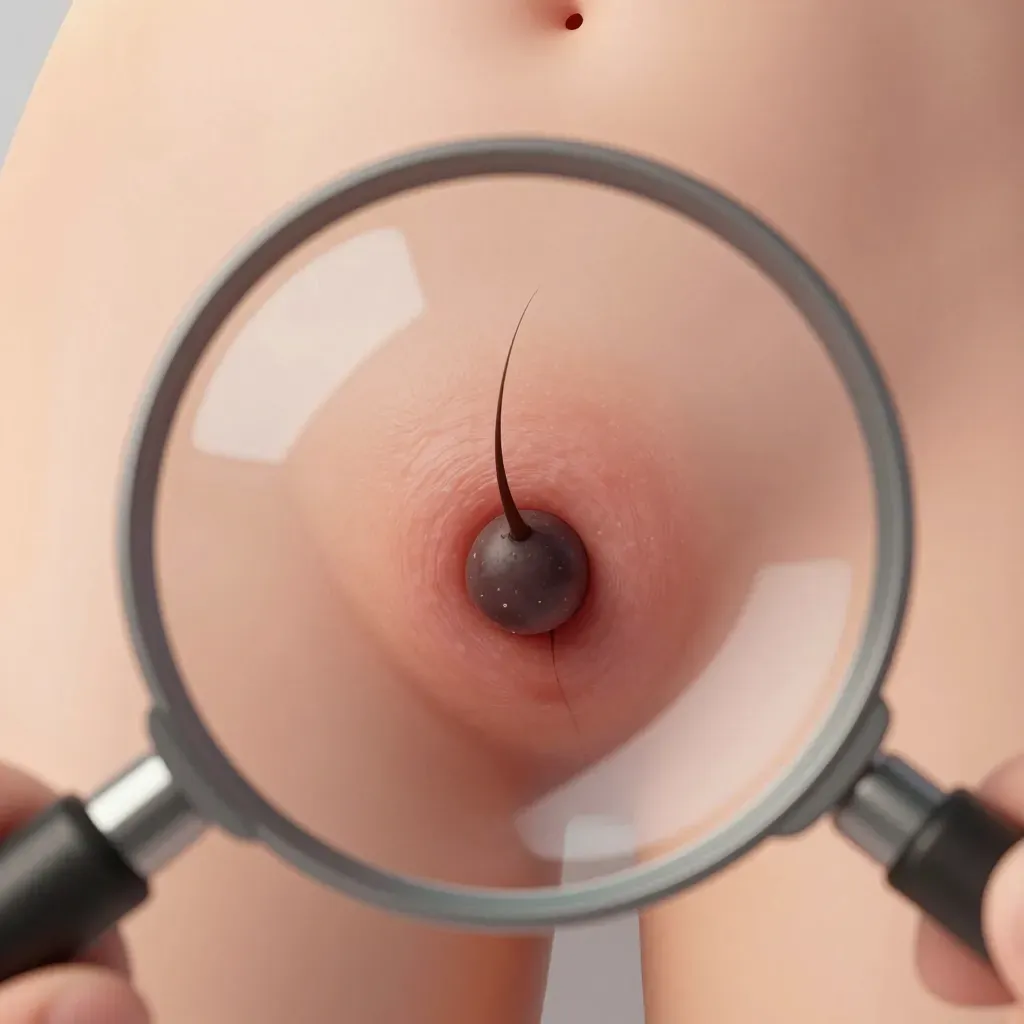
Ingrown hair cysts in the pubic area form when hair grows sideways under skin creating a fluid-filled bump. These appear as larger more painful lumps than simple ingrown hairs developing deeper within hair follicle walls. Proper identification prevents dangerous home removal attempts.
Visual identification signs
- Round bump larger than a pimple often 5-20mm wide
- Red or pink discoloration indicating inflammation
- White or yellow pus-filled center visible through thin skin
- Dark hair visible beneath translucent skin surface
- Shiny stretched skin covering the lump
- No visible pore opening at center
Physical symptoms
- Tenderness when touched or pressed
- Throbbing pain that worsens with movement
- Itching around affected area and nearby skin
- Warmth radiating from cyst indicating inflammation
- Pressure buildup creating uncomfortable fullness
- Pain during sexual activity or tight clothing
Cyst vs regular ingrown hair comparison
Feature | Regular Ingrown Hair | Cyst |
|---|---|---|
Size | Small pinpoint bump | 5-20mm diameter |
Duration | 3-7 days | Weeks to months |
Pain level | Mild irritation | Moderate to severe |
Fluid | Little to none | Pus-filled sac |
Skin surface | Visible hair loop | Smooth dome |
Common triggers in pubic region
- Shaving against natural hair growth direction
- Waxing with improper technique or unsanitary tools
- Tight synthetic underwear causing constant friction
- Curly or coarse hair texture more prone to curling back
- Poor post-hair removal moisturization and care
- Excessive sweating in groin area
- Using dull razors that tug hair instead of cutting cleanly
Typical location patterns
- Along bikini line where shaving occurs most frequently
- Labia majora or scrotum where skin folds create friction
- Upper pubic mound from waxing strips
- Inner thigh creases near groin
- Directly above genitals where hair is coarsest
Safe home removal techniques step by step
Only attempt home removal on small superficial cysts under 7mm without infection signs. Larger deeper cysts require medical intervention.
Preparation requirements
- Wash hands thoroughly with antibacterial soap for 60 seconds
- Clean pubic area with warm water and mild cleanser
- Sterilize needle or tweezers with rubbing alcohol for 3 minutes
- Apply warm compress for 10 minutes to soften skin and open pores
- Put on disposable sterile gloves if available
Step-by-step extraction
- Position sterilized needle parallel to skin surface
- Gently pierce cyst center at shallowest possible angle
- Apply light pressure around cyst base with clean fingertips
- Allow pus and fluid to drain naturally without squeezing
- Use tweezers to grasp visible hair tip only if easily accessible
- Pull hair out following its natural growth direction
- Stop immediately if severe pain or bleeding occurs
Post-removal care
- Apply antibiotic ointment thinly over treated area
- Cover with sterile breathable bandage for 24 hours
- Avoid sexual activity and tight clothing for 48 hours
- Keep area clean and dry changing bandage daily
- Monitor for infection signs for 7 days
Home removal contraindications
Condition | Action Required |
|---|---|
Cyst larger than 7mm | See doctor do not attempt home removal |
Red streaks spreading outward | Medical emergency urgent care needed |
Severe throbbing pain | Professional drainage required |
Fever or chills present | Systemic infection risk see doctor |
Recurrent cysts in same spot | Underlying condition needs evaluation |
What never to do
- Never squeeze or pop cyst like a pimple
- Never use unsterilized tools or fingers
- Never dig deep into skin to find hair
- Never apply harsh chemicals or acids
- Never ignore worsening symptoms
When professional medical treatment becomes necessary
Seek medical care immediately when home treatments fail or infection signs appear. Professional intervention prevents complications and permanent damage.
Immediate emergency signs
Warning Sign | Required Action |
|---|---|
Red streaks radiating outward from cyst | ER visit immediately spreading infection |
Fever over 100.4°F with chills sweats | Same-day urgent care systemic infection |
Cyst doubles size within 24 hours | ER evaluation abscess formation likely |
Severe pain prevents walking sitting | Immediate medical intervention necessary |
Foul green or brown drainage | Same-day doctor possible MRSA infection |
Swollen lymph nodes in groin | Doctor within 24 hours immune response triggered |
Schedule doctor appointment
- Cyst unchanged after 2 weeks home care
- Size exceeds 10mm larger than pea
- Multiple cysts cluster together
- Recurrent cysts same location
- Diabetes or immune compromise
- Pus drainage continues past 3 days
- Pain interferes with sex movement
- OTC treatments completely fail
- Cyst feels hard deep under skin
- Skin becomes thick leathery
Professional treatment options
Procedure | Method | Recovery | Cost |
|---|---|---|---|
Incision drainage | Small sterile cut drains pus hair | 5-7 days | $150-$300 |
Steroid injection | Triamcinolone reduces inflammation | 2-3 days | $100-$200 |
Complete excision | Removes cyst sac prevents recurrence | 10-14 days | $400-$800 |
Oral antibiotics | Treats bacterial infection | 7-10 days | $50-$150 |
Laser hair removal | Destroys follicles prevents future ingrowns | 6-8 sessions | $200-$500 per session |
Medical visit procedure
- Doctor examines cyst depth infection size
- Reviews hair removal methods frequency
- Injects local anesthetic numbs area
- Makes precise incision sterile scalpel
- Drains contents medical-grade tools
- May insert drain tube large abscesses
- Prescribes antibiotics anti-inflammatories
- Schedules follow-up 48-72 hours
- Provides wound care instructions
Dangers of delayed treatment
- Cellulitis spreads to surrounding skin
- Abscess requires surgical drainage
- Sepsis life-threatening bloodstream infection
- Permanent scarring discoloration
- Chronic pain syndrome develops
- MRSA antibiotic-resistant infection
- Hair follicle destruction permanent bald patches
- Sinus tracts connect multiple cysts
- Increased recurrence risk same spot
- Hospitalization IV antibiotics needed
Prevent future ingrown hair cysts effectively
Prevention eliminates need for painful removals. Consistent proper technique stops cyst formation at source.
Shaving technique modifications
- Trim hair to 5mm length before shaving
- Soak area in warm water 5 minutes minimum
- Apply thick shaving gel never dry shave
- Use single-blade safety razor multi-blades trap hair
- Shave with hair growth direction only
- Rinse blade after every single stroke
- Limit passes to maximum two per area
- Replace blade after 3-5 uses
Alternative hair removal methods
Method | Effectiveness | Cyst Risk | Cost |
|---|---|---|---|
Laser hair removal | Permanent | Very Low | $200-$500/session |
Professional waxing | 4-6 weeks | Medium | $50-$100 |
Depilatory creams | 1-2 weeks | Low | $10-$20 |
Electric trimmer | 3-5 days | Very Low | $30-$80 |
Sugaring | 4-6 weeks | Medium | $40-$90 |
Daily skincare routine
- Exfoliate 2-3 times weekly with salicylic acid pad
- Apply non-comedogenic moisturizer twice daily
- Use tea tree oil diluted 1:10 as antibacterial
- Wash with benzoyl peroxide cleanser 3.5% concentration
- Avoid heavy fragrances dyes in pubic area products
- Pat dry never rub with clean towel
Clothing and lifestyle
- Wear 100% cotton breathable underwear only
- Change sweaty clothes within 30 minutes
- Avoid tight jeans leggings in groin area
- Loose-fitting pants reduce friction 60%
- Shower immediately after exercise
- Sleep without underwear allow skin breathe
Post-hair removal care
- Apply cold compress 5 minutes after shaving
- Use witch hazel toner alcohol-free
- Dab hydrocortisone 1% cream for redness
- Avoid touching picking area for 48 hours
- No sexual activity 24-48 hours post-removal
- Wear loose cotton underwear only
Products to avoid completely
- Sharp scrubs with large particles
- Alcohol-based toners cause dryness
- Heavy body butters clog pores
- Scented feminine washes irritate
- DIY chemical peels on pubic skin
- Home waxing kits without training
Recognize infection signs and complications
Early infection signs
- Redness spreads beyond cyst edges daily
- Swelling increases visibly each morning
- Warmth radiates several inches from lump
- Pain escalates from tender to throbbing
- Pus turns yellow green develops foul odor
- Burning replaces itching sensation
- Skin feels tight stretched
Advanced infection warning signs
- Red streaks radiate outward lymphangitis
- Fever exceeds 100.4°F with chills
- Groin lymph nodes swell become tender
- Cyst doubles size within 24 hours
- Skin darkens to purple or black
- Multiple cysts form cluster
- Confusion rapid heartbeat develops
Normal vs infected cyst comparison
Feature | Normal Cyst | Infected Cyst |
|---|---|---|
Color | Light pink | Bright red/purple |
Size | 5-20mm stable | Rapidly expanding |
Pain level | Mild-moderate | Severe throbbing |
Drainage | White/clear | Yellow/green/foul |
Temperature | Normal | Hot to touch |
Systemic signs | None | Fever/chills/illness |
Serious complications
Complication | Consequence | Severity |
|---|---|---|
Cellulitis | Infection spreads to surrounding skin | Moderate |
Abscess | Deep pus pocket requires drainage | High |
Sepsis | Bloodstream infection life-threatening | Critical |
MRSA | Antibiotic resistant bacteria | High |
Sinus tracts | Connected tunnels under skin | High |
Keloid scarring | Permanent raised scar tissue | Moderate |
Emergency red flags requiring ER
- Red streaks moving up abdomen or thigh
- Fever with confusion or disorientation
- Rapid heart rate breathing difficulty
- Inability to sit or walk from pain
- Heavy bleeding from ruptured cyst
- Swelling blocks urination
Long-term complications if untreated
- Permanent hair loss patches
- Keloid scar tissue formation
- Recurrent infections same spot
- Chronic pain syndrome development
- Psychological distress anxiety
- Sexual activity avoidance
- Antibiotic resistance development