
Table of Contents
Ingrown hair cysts form when trapped hairs create fluid-filled sacs under skin after shaving or waxing.
Most cases heal naturally within 1-2 weeks using simple home treatments.
Apply warm compresses 3-4 times daily for 10-15 minutes to reduce swelling and bring cysts to surface.
Gentle exfoliation and topical treatments like benzoyl peroxide or hydrocortisone help clear blockages.
Never pop or squeeze cysts as this causes infection and permanent scarring.
Seek medical care if cyst persists beyond one week, exceeds 1cm, or shows infection signs like pus, fever, or severe pain.
Question | Answer |
|---|---|
What causes ingrown hair cysts? | Trapped hairs curl back into skin after shaving or waxing, triggering fluid-filled sac formation. |
How long does home treatment take? | Most cysts resolve within 1-2 weeks using consistent warm compress therapy. |
What is the best home treatment? | Warm compresses 3-4 times daily plus gentle exfoliation and topical benzoyl peroxide or hydrocortisone. |
Why not pop the cyst? | Popping introduces bacteria, increases infection risk, and causes permanent scarring. |
When to seek medical help? | Contact a doctor if cyst persists beyond one week, exceeds 1cm, or shows infection signs. |
Understanding ingrown hair cysts and why home care works for most cases.
What Is an Ingrown Hair Cyst?
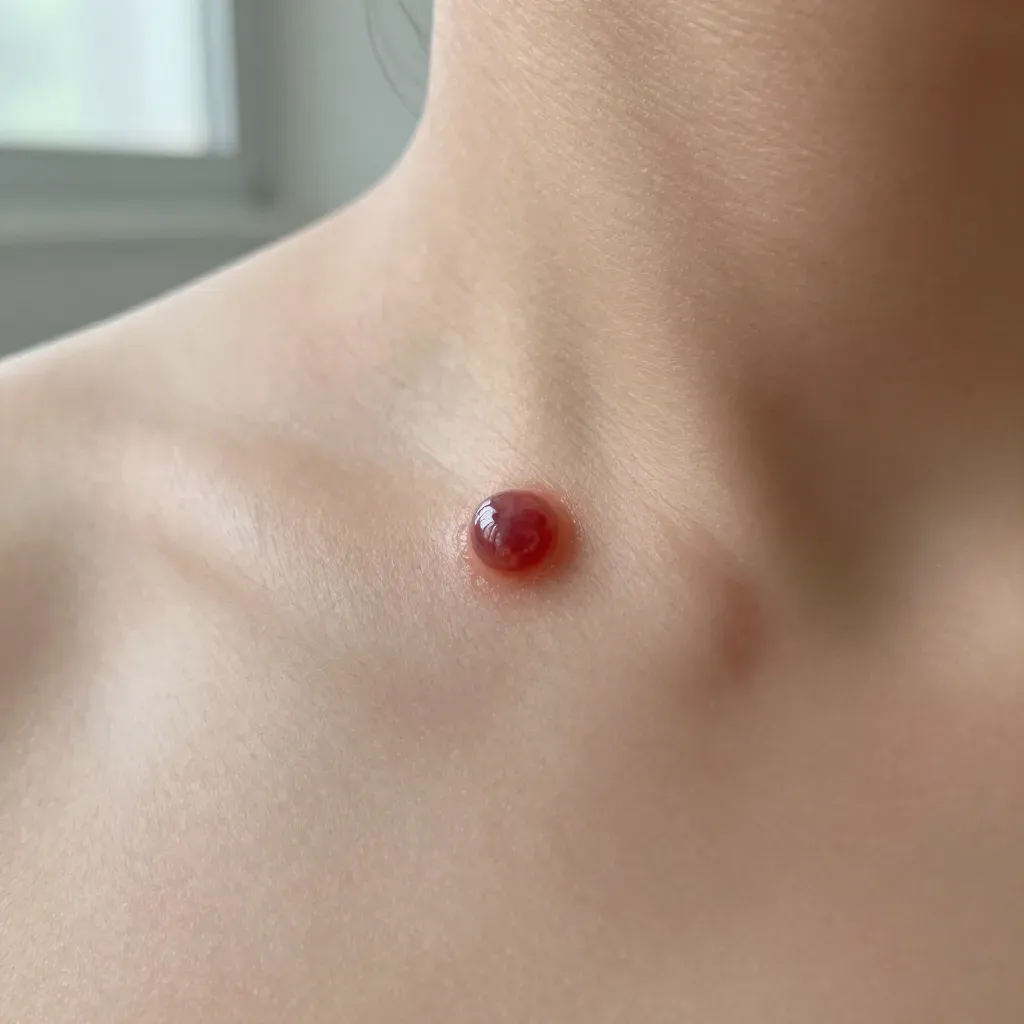
An ingrown hair cyst forms when a trapped hair triggers your immune system to create a fluid-filled sac beneath the skin. This happens after shaving, waxing, or tweezing when hair curls back into the skin instead of growing outward. The cyst may appear as a small bump that can grow larger, become discolored, and feel firm or soft depending on depth. Common locations include armpits, legs, pubic area, and face—anywhere hair removal occurs. The cyst contains fluid, keratin, and sometimes bacteria that get trapped when the follicle becomes blocked.
Why Most Cases Respond to Home Care
Most ingrown hair cysts are harmless and resolve naturally within 1-2 weeks. Home care works because it supports your body's healing process rather than forcing intervention. Warm compresses soften skin and bring the cyst closer to the surface, while gentle exfoliation helps free the trapped hair without trauma. Keeping the area clean prevents infection that would complicate healing. The key is reducing inflammation while encouraging the hair to emerge naturally, which allows the cyst to drain and heal without scarring.
Home Care Advantages | When Medical Care Is Needed |
|---|---|
Non-invasive | Cyst larger than 1cm |
Promotes natural healing | Severe pain or redness |
Prevents scarring | Pus or fever present |
Cost-effective | No improvement after 1 week |
Reduces infection risk | Weakened immune system |
- Success rate: Small cysts clear up with proper home care in most cases
- Healing time: 1-2 weeks for mild cases, longer if infected
- Key principle: Support natural resolution, don't force extraction
- Critical rule: Keep the area clean and avoid all manipulation
- Prevention: Proper hair removal techniques stop recurrence
Apply warm compress therapy 3-4 times daily to reduce inflammation and bring the cyst to the surface.
How to Apply Warm Compresses
Soak a clean washcloth in warm water, wring out excess moisture, and place it directly on the cyst for 10-15 minutes. Reheat the cloth to maintain warmth. Repeat 3-4 times daily. Heat increases blood circulation, softens skin, and encourages hair emergence.
Benefits and Timing
Frequency | Duration | Expected Result |
|---|---|---|
3-4 times daily | 10-15 minutes each | Reduced swelling within 24-48 hours |
Consistent application | 3-5 days minimum | Cyst comes to surface |
Continue until healed | 1-2 weeks total | Complete resolution |
- Water temperature: Warm, not hot (comfortable to touch)
- Cleanliness: Use fresh cloth each time
- Patience: Hair may take several days to surface
- Combine with: Gentle cleansing before and after
- Avoid: Adding irritants like essential oils
When to Modify Treatment
If skin becomes dry or irritated, reduce frequency to 2 times daily. If no improvement after 5 days, or if pain increases, stop treatment and consult a healthcare provider. Warm compresses work best for cysts less than 1cm without active infection signs.
Use gentle exfoliation and topical treatments like benzoyl peroxide or hydrocortisone cream.
Safe Exfoliation Methods
Gentle exfoliation removes dead skin cells that trap the hair beneath the surface. Perform this after warm compresses when skin is softened. Use a soft washcloth or mild scrub with light circular motions for 30 seconds. Avoid harsh scrubbing—it worsens inflammation and can cause scarring. Chemical exfoliants like glycolic acid help but start with low concentrations to test skin tolerance. Exfoliate once daily until hair emerges.
Topical Treatment Options
Apply treatments to clean, dry skin for maximum absorption. Benzoyl peroxide kills bacteria and reduces inflammation. Hydrocortisone cream minimizes swelling and itching. Retinoids prevent future ingrown hairs by keeping follicles clear. Use only one active ingredient at a time to prevent irritation. Apply benzoyl peroxide in morning, hydrocortisone at night for best results.
Treatment | Purpose | How Often | Notes |
|---|---|---|---|
Benzoyl peroxide 2.5-5% | Antibacterial, anti-inflammatory | Once daily | Can bleach fabrics |
Hydrocortisone 1% | Reduces swelling and itching | 2-3 times daily | Safe for short-term use |
Glycolic acid 5-10% | Exfoliates dead skin cells | Every other day | Increases sun sensitivity |
Retinoid cream | Prevents future ingrown hairs | Nightly | Avoid if pregnant |
- Apply after warm compresses when pores are open
- Use pea-sized amount covering cyst and surrounding area
- Wait 10 minutes before applying moisturizer
- Continue 5-7 days until cyst resolves
- Avoid retinoids if pregnant or breastfeeding
- Don't combine multiple actives in one application
What to Avoid
Skip alcohol-based products, harsh scrubs, and multiple active ingredients. These damage skin barrier and delay healing. Don't apply before warm compresses—they won't penetrate effectively. Avoid topical antibiotics unless prescribed to prevent bacterial resistance. Never use on open or draining cysts.
Never pop or squeeze cysts as this causes infection and scarring.
The Dangers of Popping
Popping an ingrown hair cyst introduces bacteria from your fingers and surrounding skin into the wound. This creates a pathway for infection that can spread deeper into tissue. The trauma forces inflammatory fluid into surrounding areas, worsening swelling and pain. Squeezing damages collagen fibers, creating permanent scars that may require dermatological procedures to correct.
Action | Immediate Risk | Long-term Consequence |
|---|---|---|
Squeezing cyst | Introduces bacteria | Scarring, hyperpigmentation |
Popping with needle | Creates open wound | Recurrent cyst formation |
Forcing hair out | Breaks skin barrier | Spreading infection |
Picking at scab | Delays healing | Permanent tissue damage |
Accidental Popping: Emergency Steps
If a cyst ruptures on its own, act quickly to minimize complications. Clean the area immediately with soap and warm water. Pat dry with a clean towel—never rub. Apply a thin layer of over-the-counter antibiotic ointment and cover with a sterile bandage. Contact a healthcare provider within 24 hours to assess if further treatment is needed. Do not attempt to squeeze out remaining contents.
- Resist urges: Place warm compress instead of picking
- Cover it: Bandage prevents touching and contamination
- Distract: Keep hands busy during healing period
- Timeline: Most cysts resolve within 1-2 weeks without intervention
- Warning signs: Increasing pain, redness, or pus requires medical care
- Prevention: Stop shaving until completely healed
Infection Risk Multiplication
Manipulating a cyst transforms a contained inflammation into an open wound. Staphylococcus bacteria naturally present on skin can enter and cause abscess formation. Infected cysts require oral antibiotics and sometimes surgical drainage, turning a minor issue into a medical procedure. The risk increases significantly in moist areas like the pubic region or armpits where bacteria thrive.
Seek medical help if cyst persists beyond one week or shows infection signs.
Warning Signs That Require Medical Care
Monitor your cyst daily. Contact a healthcare provider immediately if you experience:
Symptom | Why It Matters | Action |
|---|---|---|
Fever over 100.4°F | Indicates systemic infection | Urgent care within 24 hours |
Severe or worsening pain | Cyst may be abscessing | Same-day appointment |
Rapidly spreading redness | Infection spreading to surrounding tissue | Emergency evaluation |
Pus or yellow drainage | Active bacterial infection | Antibiotics needed |
Cyst larger than 1cm | Too deep for safe home treatment | Professional drainage |
No improvement after 7 days | Home treatment ineffective | Medical assessment |
Weakened immune system | Higher risk of complications | Prompt medical care |
Medical Treatment Options
Healthcare providers use sterile techniques to treat cysts safely. Treatment depends on severity and infection status.
Procedure | Purpose | Recovery Time |
|---|---|---|
Steroid injection | Reduce inflammation quickly | 24-48 hours |
Oral antibiotics | Clear bacterial infection | 7-10 days |
Incision and drainage | Remove pus and fluid | 3-5 days |
Complete cyst removal | Prevent recurrence | 1-2 weeks |
Laser hair removal | Long-term prevention | Multiple sessions |
- Stop shaving, waxing, or tweezing the area until fully healed
- Doctors can distinguish ingrown hair cysts from folliculitis, acne, or herpes
- Professional drainage uses sterile instruments that prevent complications
- Prescription medications are stronger and more targeted than OTC options
- Medical evaluation identifies underlying conditions causing recurrent cysts
- Insurance typically covers treatment when infection is present
- Recurrent cysts may signal genetic predisposition requiring specialized care