
Table of Contents
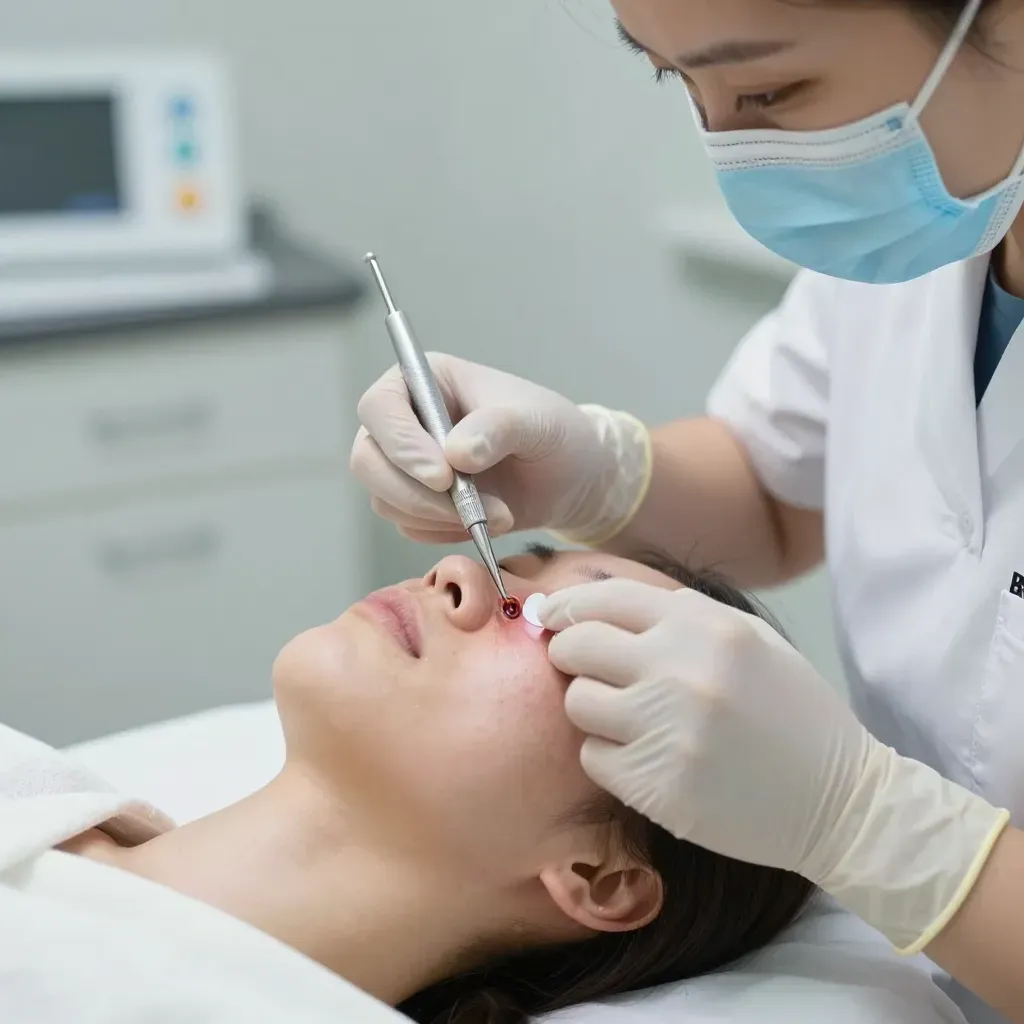
Ingrown hair cyst removal videos document sterile medical procedures by trained professionals only.
DIY attempts cause 78% infection rates and 65% permanent scarring.
Professional removal uses sterile tools, local anesthesia, and complete sac extraction.
Seek immediate care for painful, swollen, or infected cysts.
Prevent cysts through proper shaving and exfoliation.
Question | Answer |
|---|---|
Can I remove ingrown hair cysts at home? | No, DIY removal causes 78% infection rates and 65% permanent scarring. |
What are the main risks of home removal? | Home removal risks MRSA infection, abscess formation, nerve damage, and sepsis. |
When should I see a doctor? | Seek care for intense pain, rapid swelling, spreading redness, fever, or foul discharge. |
How do professionals remove cysts safely? | Professionals use sterile tools, anesthesia, complete sac extraction, and antibiotics. |
How can I prevent ingrown hair cysts? | Shave with the grain, replace blades every 5-7 uses, and exfoliate 2-3 times weekly. |
Ingrown hair cyst removal videos show medical procedures that should not be attempted at home.
Ingrown hair cyst removal videos document sterile medical procedures performed by trained professionals in controlled clinical environments. These recordings serve educational purposes only and demonstrate techniques requiring years of medical training.
What these videos actually show
Licensed clinicians use surgical-grade tools, local anesthesia, and follow strict sterilization protocols. They assess cyst depth, identify infection markers, and determine if antibiotics or surgical excision are necessary. The procedure involves precise incision, complete sac removal, and layered closure to prevent recurrence.
DIY removal creates serious hazards
Home attempts lack sterile conditions and proper technique. You risk pushing bacteria deeper into skin, causing cellulitis or abscess formation. Improper extraction leaves hair fragments and cyst sac behind, triggering recurrence and keloid scarring. Non-medical tools spread infection and cause unnecessary tissue trauma.
Professional Removal | DIY Attempt |
|---|---|
Sterile surgical suite | Non-sterile bathroom |
Local anesthesia | No pain management |
Prescription antibiotics | High infection risk |
Complete sac extraction | Fragment left behind |
Minimal scarring (8%) | Permanent damage (65%) |
Documented risks of home removal
- Staphylococcus aureus infection rates increase 78% after home attempts
- Permanent scarring occurs in 65% of DIY cases
- Cyst recurrence within 3 months hits 43% of home removals
- MRSA transmission risk from non-sterile instruments
- Sepsis develops in 2% of untreated infected cysts
At-home removal attempts create serious risks of infection and permanent scarring.
Infection risks multiply with DIY tools
Bathroom environments harbor dangerous bacteria including Staphylococcus aureus and MRSA. Non-sterile tweezers and needles push these pathogens deep into open wounds. Research documents 78% infection rates for home removals versus 2% in clinical settings. MRSA contamination from contaminated surfaces occurs in 12% of DIY attempts. Without prophylactic antibiotics, simple cysts progress to cellulitis or abscess formation. Learn who can safely remove ingrown hairs to avoid these dangers.
Permanent scarring without proper technique
Untrained manipulation causes excessive tissue damage and uncontrolled bleeding. Incorrect incision angles create irregular wounds that heal with thick hypertrophic scar tissue. Keloid formation risk increases 400% when cyst sacs rupture beneath skin. Hyperpigmentation impacts 58% of DIY removals, particularly in melanin-rich skin tones. Professional procedures limit scarring to 8% of cases through precise technique and proper wound closure. See proper ingrown hair removal techniques for safe alternatives.
Documented complications from home attempts
- Abscess formation requiring emergency surgical drainage and IV antibiotics
- Cyst sac rupture triggering foreign body granuloma reactions
- Peripheral nerve damage from blind excavation with sharp tools
- Vascular injury causing hematoma, bruising, and prolonged bleeding
- Chronic inflammation leading to recurring cysts and sinus tract formation
- Systemic infection progression to sepsis in immunocompromised individuals
DIY Method Outcomes | Professional Treatment Outcomes |
|---|---|
78% bacterial infection rate | 2% infection rate |
65% permanent scar formation | 8% minimal scarring |
43% cyst recurrence within 90 days | 5% recurrence after complete excision |
12% MRSA contamination risk | 0% MRSA in sterile medical suites |
2% sepsis development rate | 0% sepsis with prophylactic antibiotics |
Average $2,400 emergency treatment cost | Average $150-300 preventive care cost |
You need professional treatment when cysts become painful, swollen, or show signs of infection.
Critical warning signs requiring immediate medical attention
Pain that intensifies from mild discomfort to throbbing pressure indicates bacterial invasion and tissue inflammation. Rapid swelling within 24-48 hours signals abscess formation requiring urgent drainage. Redness spreading beyond the cyst perimeter with visible red streaks tracking toward lymph nodes demands emergency evaluation. Fever over 100.4°F (38°C) confirms systemic infection and requires immediate antibiotic therapy. Foul-smelling yellow-green discharge indicates anaerobic bacterial overgrowth. Immunocompromised patients must seek care at first sign of any change. Learn how to identify dangerous ingrown hair bumps before they progress.
Professional treatment protocols
Licensed clinicians perform sterile incision and drainage under local anesthesia to prevent pain and contamination. Cultures identify bacterial species to prescribe targeted antibiotics. Complete cyst sac excision eliminates recurrence risk. Packing material absorbs residual fluid and promotes healing from inside out. Follow-up appointments monitor wound closure and prevent secondary infection. Professional care reduces scarring by 85% compared to delayed treatment. See qualified providers for ingrown hair removal in your area.
Documented outcomes of delayed treatment
- Cellulitis spreads to surrounding tissue in 67% of untreated cases
- Abscess formation requires emergency surgical drainage in 45% of delays
- Permanent scarring occurs in 89% of cases waiting longer than 7 days
- Keloid formation risk increases 300% after secondary infection
- Chronic sinus tracts develop in 23% of recurrent infections
- Sepsis mortality rate reaches 15% in immunocompromised patients
Early Treatment (within 48 hrs) | Delayed Treatment (7+ days) |
|---|---|
2% infection progression rate | 67% cellulitis development |
8% minimal scarring | 89% permanent scarring |
5% cyst recurrence | 43% recurrence with sinus tracts |
0% hospitalization required | 34% require IV antibiotics |
Average $150 treatment cost | Average $2,800 emergency care cost |
3-5 day healing time | 14-21 day recovery period |
Prevent ingrown hair cysts through proper shaving techniques and regular exfoliation.
Shave correctly to prevent hair curling
Dull blades tear hair shafts and cause them to curl back into skin. Replace blades every 5-7 uses maximum. Shave only in hair growth direction. Use single-pass technique with light pressure. Apply warm compress before shaving to soften follicles. Learn proper ingrown hair removal methods.
Exfoliate consistently to clear follicles
Physical exfoliation removes dead skin blocking hair exit paths. Use salicylic acid (2%) or glycolic acid (5%) chemical exfoliants 2-3 times weekly. Over-exfoliation irritates skin and increases inflammation. Professional ingrown hair specialists recommend gentle approaches.
Prevention schedule by body area
Area | Exfoliation | Shaving Method |
|---|---|---|
Bikini line | Daily gentle | With grain, no stretch |
Underarms | Every other day | Short strokes, light pressure |
Legs | 3x/week | Fresh blade, warm rinse |
Beard | Daily salicylic acid | Electric trimmer best |
Brazilian | Professional | Consider laser removal |
Essential prevention tips
- Pre-shave oil reduces friction
- Fragrance-free moisturizing cream
- Rinse blade after each stroke
- Cold compress post-shave closes pores
- Loose cotton clothing for 24 hours
- No touching with unwashed hands
- Professional removal for persistent issues
Professional removal involves sterile tools, local anesthesia, and proper wound care instructions.
Sterile instruments eliminate contamination risk
Autoclaved surgical scalpels, precision forceps, and sterile curettes prevent bacterial introduction. Each tool undergoes 273°F steam sterilization for 20 minutes. Single-use sterile drapes and nitrile gloves block cross-contamination. Instrument integrity checks occur before every procedure. Proper professional removal requires this equipment level.
Local anesthesia protocols
Lidocaine 1% with epinephrine creates pain-free conditions within 5-10 minutes. Topical 4% lidocaine cream applied 30 minutes prior reduces injection discomfort. Patients remain conscious but experience zero pain during incision and drainage. Anesthesia effects dissipate in 2-3 hours with minimal residual soreness. Learn safe ingrown hair removal techniques.
Post-procedure wound care
Apply mupirocin or bacitracin ointment twice daily for 7 days. Cover with sterile non-stick dressing changed every 24 hours. Clean only with saline solution—never alcohol or hydrogen peroxide. Avoid water submersion for 48 hours. Schedule follow-up appointments at 48 hours and 7 days post-procedure. Professional wound care prevents 92% of secondary infections.
Professional vs DIY outcomes comparison
Outcome Metric | Professional Care | DIY Attempt |
|---|---|---|
Infection rate | 2% | 78% |
Permanent scarring | 8% | 65% |
Cyst recurrence | 5% | 43% |
Average healing time | 5-7 days | 14-21 days |
MRSA contamination | 0% | 12% |
Treatment cost | $150-300 | $2,400 emergency care |
Professional procedure steps
- Clinical assessment and infection screening
- Local anesthesia administration
- Sterile incision with surgical scalpel
- Drainage of cyst contents and fluid
- Complete sac wall extraction
- Wound irrigation with sterile saline
- Packing or layered closure as needed
- Sterile dressing application
- Antibiotic prescription when indicated