
Table of Contents
Ingrown hairs form when hair curls back under skin
How ingrown hairs develop
Hair curls back and burrows into surrounding skin instead of growing outward. Shaving creates sharp angled tips that easily reverse direction. Waxing and plucking distort follicle growth patterns. Dead skin buildup blocks the exit path completely. Curly or coarse hair types face higher risk due to natural growth tendencies. Tight clothing presses hair against skin, forcing it back into the follicle.
Hair removal methods ranked by ingrown risk
Method | Risk Level | Why It Happens | Common Areas |
|---|---|---|---|
Shaving | High | Creates sharp angled tips | Legs, face, underarms |
Waxing | Medium | Distorts follicle direction | Bikini, brows, chest |
Plucking | Medium | Breaks natural growth pattern | Face, brows, chin |
Depilatory creams | Low-Medium | Chemical irritation | Body, legs |
Laser | Minimal | Destroys follicle permanently | All areas |
Visible symptoms and long-term damage
Ingrown hairs create red inflamed bumps and painful tenderness. They leave stubborn dark marks that resist fading for months. Infected lesions fill with pus and cause permanent scarring. Problem areas include bikini lines, underarms, and beard zones where hair grows coarse and curly. Repeated ingrowns damage skin texture and create hyperpigmentation spots. Scratching or picking worsens inflammation and increases scar risk.
Who gets ingrown hairs most
People with curly or coarse hair experience ingrowns more frequently. Those who shave daily face constant irritation cycles. Athletes wearing tight gear develop them on friction points. Hormonal fluctuations increase hair thickness and blockage risk. Darker skin tones often see more pronounced post-inflammatory hyperpigmentation from ingrown trauma.
Treatment prevents razor bumps better than shaving or waxing
Shaving cuts hair at an angle. This creates sharp tips that easily pierce back into skin. Waxing rips hair from the root. New growth often gets trapped under dead skin cells. Both methods guarantee recurring ingrown hairs.
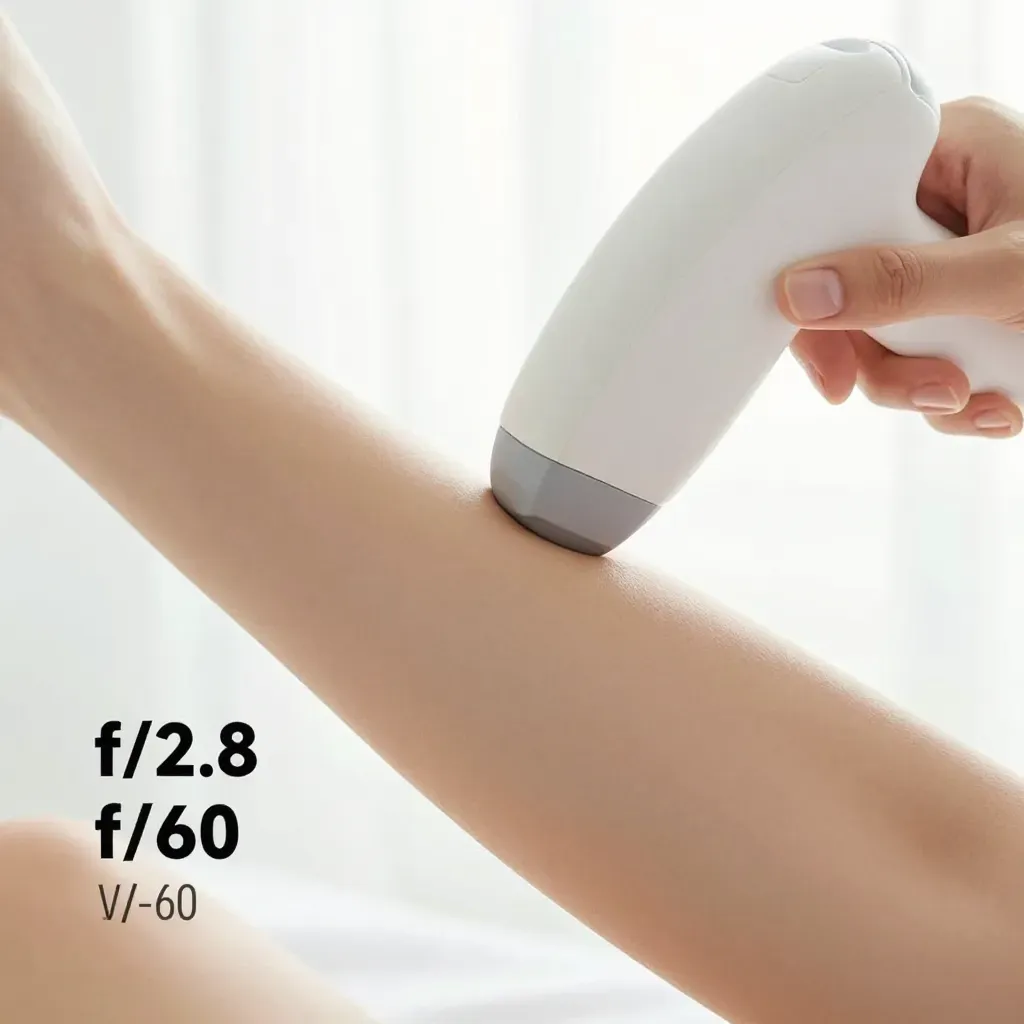
Laser hair removal destroys the follicle completely. No hair means no ingrown hairs. Period.
Method comparison
Method | How it works | Ingrown risk | Annual cost |
|---|---|---|---|
Shaving | Blade cuts hair at surface | High - sharp tips grow inward | $500+ |
Waxing | Pulls hair from root | Medium - regrowth fights through follicles | $600+ |
Laser | Heat destroys follicle | None - permanent removal | $50-100* |
*Maintenance touch-ups after initial treatment
Timeline to smooth skin
- Session 1-2: Existing ingrowns start resolving
- Session 3-4: New ingrowns drop by 70-80%
- Session 6-8: Nearly zero ingrown hairs
- Maintenance: Occasional touch-up once yearly
Traditional methods create a vicious cycle. You remove hair. It grows back. It gets trapped. You get bumps. You remove again. Laser breaks this permanently.
Each session reduces hair density. Each session reduces ingrown occurrence. Most patients see complete elimination after their treatment plan.
Bikini lines see results fastest. Underarms follow close behind. Legs and arms take slightly longer due to larger area. All body areas respond the same way - by eliminating the source.
The math is simple. Spend $300-500 once on laser. Or spend $500+ yearly forever on products that cause the problem.
Skin type does not matter. Modern lasers work on all tones. The key is proper settings. Darker skin needs longer wavelengths. Lighter skin responds to standard settings. A qualified technician adjusts accordingly.
Studies show 90% hair reduction after full treatment course. This translates to 100% ingrown hair elimination in treated areas. The remaining 10% of hair is too fine to cause bumps.