
Table of Contents
Ingrown hair on vag occurs when hair grows back into skin instead of outward.
Main causes: wrong removal technique, clogged follicles, curly hair, friction from tight clothing.
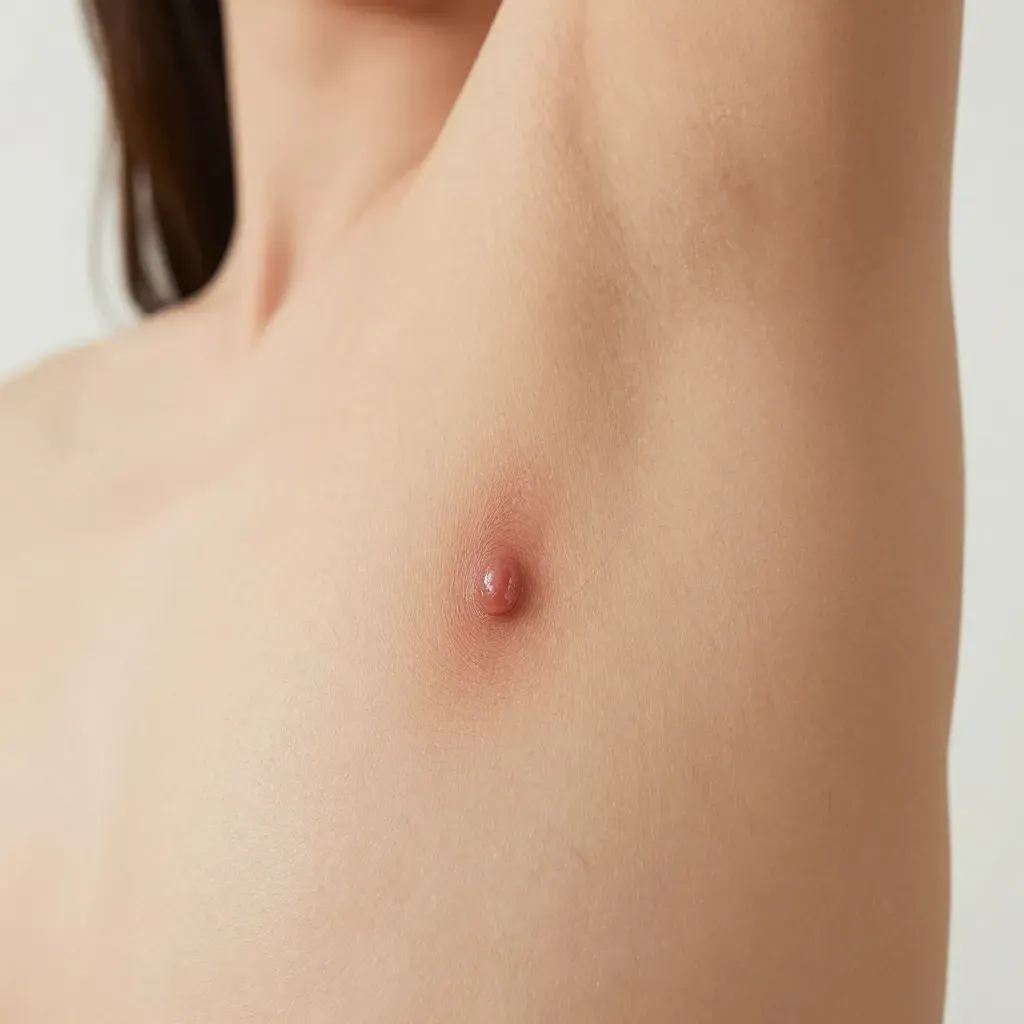
Look for red bumps, visible hair under skin, pain, pus, or itch.
Normal cases heal in 1-2 weeks.
Seek medical care for spreading redness, warmth, severe pain, swelling, foul odor, or fever.
Safe removal: wash hands, sterilize tweezers, apply warm compress 10-15 min, wait 24-48 hrs.
Only lift hair when you see clear loop above skin.
Never dig, squeeze, or force hair out.
Always pull in hair growth direction.
Prevention: shave with hair direction, use fresh blades, fragrance-free gel, exfoliate 1-2x weekly.
Wear 100% cotton underwear and loose clothing.
Consider trimming, depilatory creams, or at-home laser hair removal for pubic area.
See doctor if bumps persist beyond 7 days, show infection signs, or recur more than 3x monthly.
Medical treatments: sterile incision, antibiotics, steroid shots, retinoid creams.
For chronic issues, laser hair removal eliminates ingrowns permanently.
Home remedies cost $0-5 for mild, visible ingrowns.
Professional treatments cost $100-500 but have 95% success for infections and chronic cases.
At-home laser devices ($200-400) pay for themselves within months if you get 3+ ingrowns monthly.
Question | Answer |
|---|---|
What causes ingrown hair on vag? | Shaving against hair direction, clogged follicles, curly texture, tight clothing trap hair under skin. |
How do I safely remove one? | Warm compress 10 min twice daily, wait 24-48 hrs, lift visible hair loop with sterilized tweezers only. |
When should I see a doctor? | Spreading redness, severe pain, pus, fever, or no improvement after 7 days means see doctor. |
How can I prevent future ingrowns? | Shave with hair direction, use fresh blades, exfoliate weekly, wear cotton underwear, avoid tight clothing. |
Does laser hair removal stop ingrowns? | Yes, laser permanently stops hair growth and eliminates ingrowns for suitable candidates. |
Identify what causes ingrown hair on vag and how to spot it.
Main causes
Ingrown hairs happen when hair grows back into skin instead of outward. Common triggers include:
Cause | How it happens |
|---|---|
Wrong removal technique | Shaving/waxing against hair direction redirects growth inward |
Clogged follicles | Dead skin cells block hair exit path |
Hair texture | Curly/coarse hair naturally curls back into skin |
Friction | Tight clothing presses hair into skin |
Visual signs
Look for these indicators:
- Small red bump near hair follicle
- Pain or tenderness when touched
- Hair visible under skin surface
- White pus-filled head resembling pimple
- Itchy or irritated skin around bump
Infection warning signs
Seek medical care if you notice:
Normal ingrown hairs resolve within 1-2 weeks. Persistent bumps beyond 3 weeks need professional evaluation. Dark spots or scarring may indicate chronic issue requiring treatment change.
Remove ingrown hair on vag using safe step-by-step methods.
Prep your tools and space
Wash hands with antibacterial soap 30 seconds. Gather on clean surface:
- Fresh washcloth (never share)
- Warm water in clean bowl
- Tweezers disinfected with 70% rubbing alcohol 5 minutes
- Fragrance-free gentle cleanser
- Hand mirror for clear view
- Cotton pads for patting dry
Seven-step removal process
Step | Action | Key detail |
|---|---|---|
1 | Cleanse vaginal area | Lukewarm water, gentle circular motions |
2 | Apply warm compress | 10-15 minutes, rewarm as needed |
3 | Wait period | 24-48 hours for natural softening |
4 | Exfoliate gently | Soft cloth, circular motions, no pressure |
5 | Check visibility | Hair must show clear loop above skin |
6 | Lift with tweezers | Grasp hair tip only, avoid skin |
7 | Pull outward slowly | Follow hair growth direction |
Absolute safety rules
Post-removal care
- Dab aloe vera gel with clean finger
- Wear 100% cotton underwear, change daily
- Avoid synthetic fabrics and tight pants
- Stop all hair removal until healed
- Pat dry after showering
- No scented products near vagina
- Wash hands before any contact
Hands-off alternative
Most ingrown hairs resolve naturally. Apply warm compress twice daily 10 minutes. Keep area clean and dry. Avoid touching. Within 5-7 days hair surfaces naturally. Eliminates infection risk. If no improvement after 7 days, seek medical evaluation. For recurring issues, permanent hair reduction methods prevent future ingrown hairs.
Prevent future vaginal ingrown hairs with these strategies.
Shave with proper technique
Shave in hair growth direction only. Never against grain. Use single-blade razor or fresh cartridge. Replace blade after 3-5 uses. Apply fragrance-free shaving gel. Never dry shave. Pull skin taut. Use short gentle strokes. Rinse blade after each stroke. Stop after one pass.
Wrong way | Right way |
|---|---|
Against hair growth | With hair direction |
Dry shaving | With lubricant gel |
Dull blades | Fresh blade |
Multiple passes | Single pass only |
Prep and aftercare routine
Exfoliate 24 hours pre-shave. Use soft washcloth or salicylic acid. Skip exfoliation on shave day or active ingrowns. Apply fragrance-free moisturizer post-shave. Wait 48 hours between shaves. Let hair grow quarter-inch minimum. Pat dry never rub.
- Exfoliate 1-2x weekly with gentle scrub
- Moisturize daily with unscented lotion
- Wait 2 days minimum between shaves
- Let hair grow quarter-inch
- Apply cold compress post-shave 5 minutes
Wear right clothing
Tight synthetics trap hair and cause friction. Wear 100% cotton underwear. Change daily. Skip thongs during regrowth. Wear loose pants. Sleep without underwear. Avoid lace seams that rub.
Consider alternative methods
Shaving causes most ingrowns. Try these alternatives:
- Trim with scissors instead of full removal
- Depilatory creams designed for pubic area
- Professional waxing with proper technique
- At-home IPL devices for long-term reduction
- Professional laser hair removal for permanent results
Long-term prevention
For chronic ingrowns, consider permanent hair reduction. At-home laser devices work for suitable skin/hair types. Professional treatments offer guaranteed results. No hair means no ingrowns.
Track removal schedule. Note which methods cause ingrowns. Adjust technique based on results. Every body responds differently. Consistency beats intensity.
Know when to see a doctor for ingrown hair on vag.
Infection warning signs
Symptom | Action needed |
|---|---|
Redness spreading beyond bump | Same day appointment |
Skin hot to touch | Same day appointment |
Pus with foul odor | Within 24 hours |
Severe throbbing pain | Same day appointment |
Fever over 100.4°F | Emergency care |
Swelling doubles in size | Within 24 hours |
Home treatment failure
- Bump persists after 7 days of proper care
- Hair remains trapped despite warm compresses
- New bumps appear daily
- Area becomes increasingly painful
- You cannot see hair but bump grows
Chronic recurring issues
More than 3 ingrown hairs per month signals underlying problem. Doctor evaluates hair removal technique, skin condition, and hair type. May prescribe topical treatments or suggest permanent removal options. Dark spots, scarring, or keloids require dermatologist care. Laser hair removal stops cycle permanently for many patients.
Other red flags
Medical treatments available
Treatment | What it does |
|---|---|
Incision and drainage | Removes pus and trapped hair sterilely |
Topical antibiotics | Treats bacterial infection |
Steroid injection | Reduces inflammation fast |
Retinoid creams | Prevents future clogging |
Professional extraction | Safe removal with sterile tools |
Doctors use proper lighting and magnification. They sterilize equipment. They can prescribe medication if needed. Self-treatment risks deeper infection and scarring. When in doubt, get checked. Better safe than sorry.
Choose between home remedies and professional treatments.
Home remedies
Best for mild, visible ingrowns. Use warm compress 10 min 2x daily. Sterilize tweezers with alcohol. Gently lift visible hair loop only. Cost: $0-5. Success rate: 70% for mild cases. Risk: Infection if you dig. Time: 3-7 days healing.
Professional treatments
Doctors handle infections, deep ingrowns, chronic cases. Treatments: sterile incision, antibiotics, steroid shots, retinoid creams. Cost: $100-500 per visit. Success rate: 95%. Time: Immediate relief. Risk: Minimal. Best for recurring or infected bumps.
Cost and time comparison
Method | Cost | Time | Best for |
|---|---|---|---|
Home care | $0-5 | 3-7 days | Single mild bump |
Doctor visit | $100-500 | Same day | Infection/chronic |
At-home laser | $200-400 | 8-12 weeks | Prevention |
Pro laser | $1000-3000 | 6-8 sessions | Permanent fix |
Decision factors
Choose home treatment if: single bump, visible hair, no infection, no severe pain, first occurrence.
Choose professional if: multiple monthly bumps, pus/odor, spreading redness, fever, invisible hair, diabetes, immune issues, scarring.
Break-even analysis
If you get 3+ ingrowns monthly, calculate: 3 doctor visits/year = $300-1500. At-home laser device = $200-400 one-time. Pays for itself within months. Laser eliminates ingrowns permanently.
Bottom line
Try home method once for mild cases. If fails within 3 days, see doctor. For chronic sufferers, skip to laser. At-home IPL devices work for suitable skin/hair types. Professional laser guarantees results. No hair = no ingrowns. Simple math.