
Table of Contents
Shaving and waxing cut pubic hair at sharp angles, causing it to curl back into vulvar skin and create painful bumps.
Treat ingrown hairs with warm compresses and sterile tweezers only on visible hair loops.
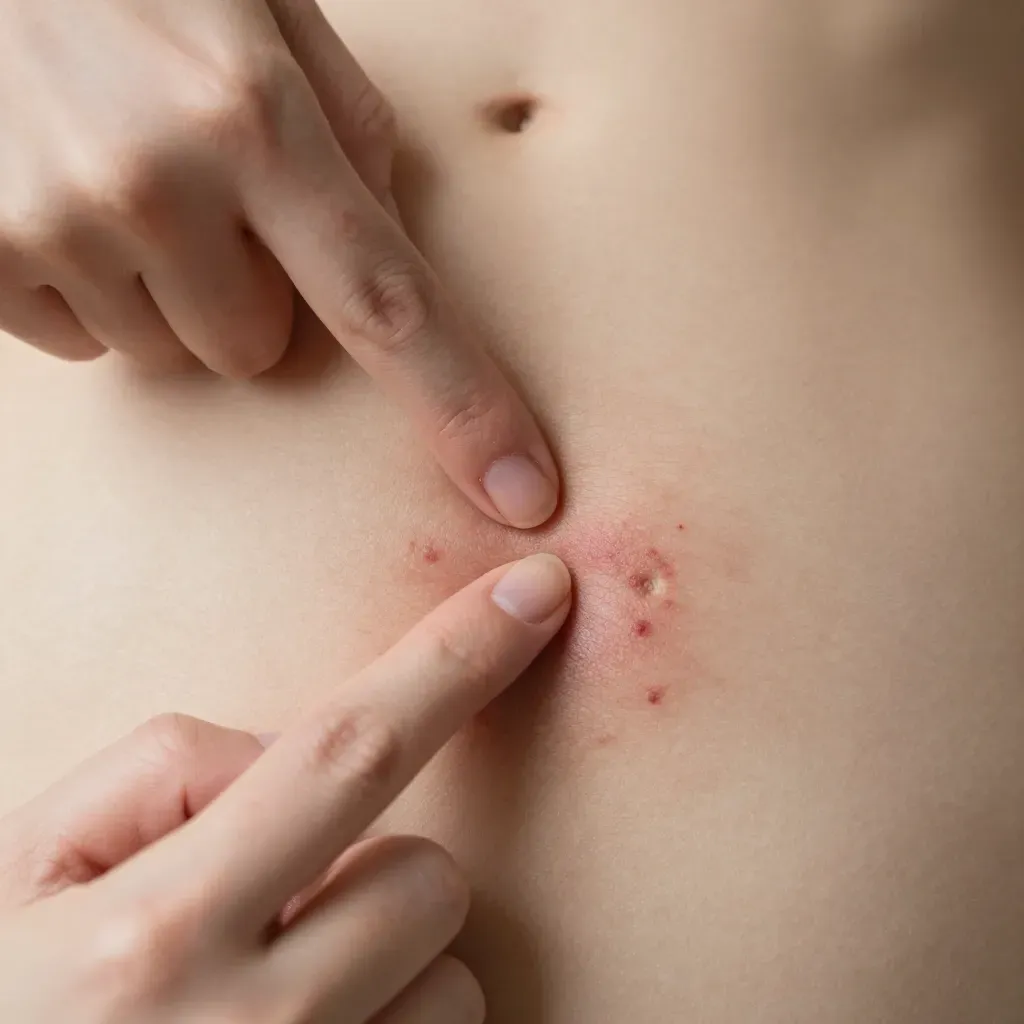
See a doctor for spreading redness, pus, fever, or severe pain.
Prevent them by shaving with the grain, exfoliating 2-3 times weekly, moisturizing daily, wearing loose cotton underwear.
Curly hair and friction increase risk by 300%; consider at-home laser devices or professional laser removal.
Question | Answer |
|---|---|
What causes vulvar ingrown hairs? | Shaving and waxing create sharp tips that curl back into skin. |
How do I safely extract an ingrown hair at home? | Use warm compresses and sterile tweezers on visible hair loops only. |
When should I see a doctor? | Seek care for spreading redness, pus, fever, or severe pain. |
How can I prevent ingrown hairs? | Shave with the grain, exfoliate 2-3 times weekly, moisturize daily, wear loose cotton underwear. |
Does curly hair increase risk? | Yes, curly hair increases risk by 300% due to spiral growth. |
Shaving and waxing cause vulvar ingrown hairs
Shaving and waxing directly cause ingrown hair on vulva removal challenges. These methods cut or pull hair at sharp angles. Hair regrows and curls back into sensitive vulvar skin. This triggers inflammation, painful bumps, and potential infection. The vulva's thin skin makes it especially vulnerable to razor burn and follicle trauma.
Shaving creates sharp hair tips
Shaving cuts hair at skin level. Razor blades create sharp, angled tips. These tips pierce surrounding skin as they grow. Curly or coarse pubic hair increases this risk. Multi-blade razors cut hair below skin surface, worsening bikini line problems.
- Shaving against grain creates 3x more ingrown hairs
- Dull blades break hair instead of cutting
- Dry shaving strips protective oils
- Repeated strokes irritate follicles
Waxing distorts follicles
Waxing rips hair from the root. This damages the hair follicle structure. New hair grows through scarred tissue. Distorted follicles guide hair sideways under skin. Brazilian waxing causes frequent vulvar ingrown hairs and skin irritation.
Risk Factor | Impact on Pubic Area |
|---|---|
Curly hair texture | Spiral growth pattern traps hair |
Tight clothing | Friction pushes hair into skin |
Frequent removal | Chronic follicle damage |
Thick hair density | Competition for growth space |
Exfoliation gaps | Dead skin blocks hair exit |
Friction from underwear traps growing hairs. Shaving against hair direction cuts hair at extreme angles. Dull razors tug and break hair instead of cutting cleanly. These mechanical actions guarantee follicle trauma. The vulva's warm, moist environment breeds bacteria in trapped follicles.
Apply warm compresses and extract safely at home
Safe ingrown hair on vulva removal starts with warm compress therapy. Soak a clean washcloth in warm water (not hot). Apply to the affected area for 10-15 minutes. Repeat this process 3-4 times daily. The heat and moisture soften the skin and open pores. This allows the trapped hair to surface naturally. Always wash hands with soap before touching the vulvar area.
Step-by-step extraction
Never attempt extraction before the hair is visible. Wait until you see a clear hair loop at the bump's surface. Sterilize fine-point tweezers with rubbing alcohol for 30 seconds. Gently lift the hair loop upward using the tweezer's tip. Pull the hair out straight without removing it completely from the follicle. This prevents new ingrown formation. Stop immediately if bleeding occurs or pain intensifies.
- Use only sterile, fine-point tweezers
- Extract only clearly visible hair loops
- Never dig with needles, pins, or fingernails
- Limit extraction attempts to once daily
- Work under bright lighting
Post-extraction care
Apply a thin layer of over-the-counter antibiotic ointment. This prevents bacterial infection in the sensitive vulvar region. Wear loose-fitting cotton underwear to reduce friction. Avoid sexual activity, cycling, or tight clothing for 24-48 hours. Keep the area clean with warm water rinses. Skip exfoliation for two days to prevent further irritation.
Safe Home Treatment | Dangerous Practices to Avoid |
|---|---|
Warm compresses 3-4 times daily | Squeezing or popping bumps |
Sterilized fine-point tweezers | Using non-sterile tools |
Gentle lifting motion only | Digging under skin surface |
Antibiotic ointment application | Household disinfectants (alcohol, peroxide) |
Loose cotton underwear | Tight synthetic fabrics |
Good hand hygiene | Touching with dirty hands |
Monitor for infection signs: spreading redness, yellow pus, increasing pain, fever, or swollen lymph nodes. Seek immediate medical attention if these appear. Deep, painful bumps without visible hair require professional treatment. Do not attempt extraction on lesions that feel firm or hot to the touch.
Seek medical care for infected ingrown hairs
Recognize infected ingrown hair on vulva removal situations immediately. The vulva's warm, moist environment breeds dangerous bacteria. Home treatment fails when infection takes hold. Delayed care risks abscess formation and permanent scarring.
Spot infection warning signs
Normal ingrown hairs show mild redness. Infected bumps develop pus, spreading redness, and severe pain. Fever and swollen lymph nodes signal systemic infection. Red streaks radiating from the bump indicate cellulitis requiring urgent treatment.
Normal Healing | Infection Warning Signs |
|---|---|
Slight pinkness | Bright red, expanding area |
Minimal clear fluid | Yellow/green pus |
Mild tenderness | Severe, throbbing pain |
Improves in 3-5 days | Worsens after 48 hours |
No fever | Fever over 100.4°F |
Seek immediate medical care when
- Bump exceeds 1 cm
- Pus drains with foul odor
- Pain prevents sitting or walking
- Red streaks appear on thighs
- Fever, chills, or body aches develop
- Multiple bumps become infected
- You have diabetes or immune issues
Medical treatments work fast
Doctors perform sterile incision and drainage under local anesthesia. They prescribe oral antibiotics for 7-10 days. Severe cases need IV antibiotics. Never attempt self-drainage. This pushes bacteria deeper and spreads infection.
Dermatologists extract embedded hairs using sterile tools and magnification. Recurrent infections indicate underlying folliculitis. Doctors test for staph colonization. They prescribe antibacterial washes and topical antibiotics. Chronic cases benefit from laser hair removal. Insurance covers laser treatment for medical necessity.
Medical visits cost $150-300. Emergency room drainage costs $800-1500. Early intervention prevents expensive complications. Document symptoms with photos to aid diagnosis.
Prevent ingrown hairs with proper technique
Prevent ingrown hair on vulva removal problems with proper technique. Shave with the grain in single, short strokes. Use a sharp single-blade razor. Replace blades after 3-4 uses. Soak the area in warm water for 5 minutes before shaving. Apply fragrance-free shaving cream liberally.
Exfoliate strategically
Exfoliate 2-3 times weekly with gentle chemical exfoliants. Use lactic acid or salicylic acid pads designed for sensitive areas. Physical scrubs cause micro-tears in vulvar skin. Skip exfoliation 24 hours before and after hair removal. This prevents irritation while clearing dead skin cells.
- Exfoliate Monday, Wednesday, Friday
- Shave or wax on Saturday
- Wait 48 hours between exfoliation and hair removal
- Use only products pH-balanced for intimate areas
Moisturize daily
Apply fragrance-free moisturizer within 3 minutes of bathing. Choose non-comedogenic products. Look for ceramides and hyaluronic acid. Avoid coconut oil and heavy occlusives. They clog hair follicles. Pat dry gently, never rub.
Effective Products | Products to Avoid |
|---|---|
Fragrance-free gel moisturizer | Scented lotions |
Glycolic acid toner (2%) | Physical scrubs |
Salicylic acid cleanser (0.5%) | Benzoyl peroxide |
Aloe vera gel (pure) | Essential oils |
Switch removal methods
Consider electric trimmers instead of razors. Trim hair to 0.5 cm length. This eliminates sharp tips while maintaining hygiene. Laser hair removal offers permanent reduction after 6-8 sessions. Professional treatments cost $200-400 per session. At-home devices work for maintenance. Best at-home laser for Brazilian options cost $200-600.
Wear right clothing
Choose 100% cotton underwear. Avoid thongs during active hair growth. Sleep without underwear to reduce friction. Change out of sweaty workout clothes immediately. Tight leggings trap heat and compress hair follicles.
Curly hair and friction increase risk factors
Curly hair texture dramatically increases ingrown hair on vulva removal frequency. The natural curl pattern forces hair to grow sideways into skin. Coarse pubic hair has a flattened oval shape. This shape causes sharp, curved tips after shaving. Tight curls create a 4x higher ingrown risk compared to straight hair.
Curly hair structure causes natural curl-back
Curly hair follicles grow at curved angles under the skin. When cut, the remaining hair shaft springs back into the follicle wall. The sharp tip pierces follicle lining and grows inward. This creates painful, deep-seated bumps. African American and Hispanic women experience 70% more vulvar ingrown hairs due to hair texture.
- Tight curls trap hair beneath skin surface
- Coarse texture resists breaking through dead skin
- Multiple growth directions cause cluster ingrown hairs
- Sharp shaved tips act like tiny needles
Friction traps hair under skin
Friction from daily activities pushes growing hair back into follicles. Walking, exercise, and sexual activity create constant rubbing. Tight clothing compresses hair against the skin. This mechanical force redirects hair growth inward. The vulvar area experiences high friction from underwear seams and leg movement.
Friction Source | Risk Level | Solution |
|---|---|---|
Thong underwear | Very High | Switch to seamless cotton briefs |
Tight jeans | High | Loose-fitting pants or skirts |
Exercise/Spin classes | High | Remove sweaty clothes immediately |
Sexual activity | Moderate | Wait 48 hours after hair removal |
Crossed legs sitting | Moderate | Sit with legs uncrossed |
High-risk activities and timing
Exercise within 24 hours of hair removal causes 5x more ingrown hairs. Sweat and heat swell hair follicles. This traps hair beneath the surface. Sexual activity creates friction and introduces bacteria. Schedule hair removal 2-3 days before planned activities. Brazilian laser hair removal eliminates this risk permanently. Professional laser treatments target the follicle directly.
Consider at-home laser devices for curly hair maintenance. These devices reduce hair density safely. The vulva's skin tone requires devices with skin tone sensors. Darker skin needs Nd:YAG laser technology. Always test on a small patch first.