
Table of Contents
Ingrown hairs plague Brazilian waxes when hair regrows sideways under skin.
Dead skin cells block follicles, coarse curly hair curls back, and friction traps hair.
Prevent them by exfoliating 24-48 hours pre-wax to clear debris.
Avoid heat and friction for 48 hours post-wax while follicles heal.
Exfoliate 2-3 times weekly long-term with salicylic or glycolic acid to keep pores clear.
Treat existing bumps with warm compresses 2-3 times daily to draw hair out naturally.
Never pick.
Regular waxing beats shaving for fewer ingrowns.
Consistency matters more than intensity.
Question | Answer |
|---|---|
What causes ingrown hairs after Brazilian waxing? | Dead skin blocks follicles, curly hair curls back, friction traps hair, and bacteria cause inflammation. |
When should I exfoliate before a Brazilian wax? | Exfoliate 24-48 hours before your appointment, never the same day. |
What should I avoid after waxing? | Avoid heat, friction, tight clothing, and touching the area for 48 hours. |
How often should I exfoliate long-term? | Exfoliate 2-3 times weekly with chemical exfoliants like salicylic acid. |
How do I treat existing ingrown hairs? | Apply warm compresses 2-3 times daily until the hair surfaces naturally. |
Ingrown hairs occur when hair grows back into skin
Ingrown hairs happen when a hair grows back into the skin instead of rising up through the follicle opening. This creates a raised, inflamed bump that looks like a pimple, sometimes with a visible hair coiled underneath. These bumps can be itchy, painful, and may get infected if bacteria enters the irritated follicle.
What causes ingrown hairs after waxing
- Dead skin cells block follicle openings, forcing hair to grow sideways under the skin
- Hair breaks below the surface instead of being removed completely from the root
- Curly or coarse hair naturally curls back toward the skin as it regrows
- Inflamed follicles swell and trap hairs beneath the surface
- Tight clothing pushes hairs back into follicles through constant friction
- Moisture and bacteria in the area increase irritation and infection risk
Why Brazilian areas are high risk
The pubic area combines coarse, curly hair with delicate, sensitive skin—a perfect storm for ingrown hairs. Friction from underwear elastic and tight pants makes it worse. This zone also deals with moisture, bacteria, and heat, creating ideal conditions for irritation and trapped hairs.
Risk Factor | Why Brazilian Area is Vulnerable |
|---|---|
Hair texture | Coarse, curly hair naturally curls back into skin |
Skin sensitivity | Delicate skin irritates easily, causing inflammation that traps hair |
Friction | Tight clothing pushes hair back into follicles |
Moisture | Sweat and bacteria increase infection risk |
Pressure | Elastic bands and seams press directly on freshly waxed skin |
Exfoliate 24-48 hours before waxing
Why pre-wax exfoliation matters
Exfoliating 24-48 hours before your Brazilian wax removes the layer of dead skin cells that can trap hairs. This allows wax to grip hair more effectively and clears debris from follicle openings. Without this step, dead skin blocks follicles, forcing new hair to grow sideways under the skin rather than up through the surface.
- Removes dead skin cell buildup that clogs follicles
- Prevents hair from getting trapped beneath the surface
- Allows cleaner, more complete hair removal from the root
- Reduces broken hairs that become ingrown
- Helps wax adhere properly to hair, not skin
Best exfoliation methods
Choose gentle methods that won't irritate skin before your appointment. Harsh scrubbing increases sensitivity and inflammation risk.
Physical Exfoliation | Chemical Exfoliation |
|---|---|
Sugar or salt scrubs with smooth particles | AHAs (glycolic, lactic acid) dissolve dead cells |
Exfoliating gloves or soft brush | BHAs (salicylic acid) penetrate deep into pores |
Gentle washcloth in circular motions | Enzyme exfoliants for sensitive skin |
Manual removal of flaky skin | Low-concentration formulas prevent irritation |
Timing rules
- 48 hours before: Start gentle exfoliation once
- 24 hours before: Final exfoliation session
- Day of appointment: Do not exfoliate
- Reason: Same-day exfoliation increases skin sensitivity and irritation risk during waxing
What to avoid before waxing
- Over-exfoliating which causes micro-tears and inflammation
- Harsh scrubs with irregular, sharp-edged particles
- Strong chemical peels that thin the skin
- Exfoliating sunburned, broken, or irritated skin
- Using retinoids or retinol 5-7 days prior
- Any procedure that makes skin more vulnerable to lifting
Avoid heat and friction for 48 hours after
The first 24-48 hours after waxing are critical. Hair follicles remain open and vulnerable, making skin highly susceptible to irritation, bacteria, and inflammation. Any heat or friction during this window dramatically increases ingrown hair risk.
Heat sources to avoid
- Hot baths, showers, or steam rooms
- Saunas and hot tubs
- Direct sunlight and tanning beds
- Heating pads on waxed areas
- Hot yoga or any activity causing excessive sweating
Avoid | Safe Alternative |
|---|---|
Hot showers | Lukewarm water for brief cleansing |
Steam rooms | Cool, dry environments |
Hot tubs | Shower with gentle cleanser |
Sun exposure | Loose clothing coverage |
Friction sources to avoid
- Tight pants, leggings, or synthetic fabrics
- Intense workouts or cycling
- Sexual activity
- Touching, scratching, or picking at the area
- Thongs or synthetic underwear
What to Wear | What to Avoid |
|---|---|
Cotton underwear or go commando | Thongs or lace underwear |
Loose-fitting cotton pants or skirts | Tight jeans or leggings |
Breathable, natural fabrics | Synthetic materials that trap moisture |
Why heat and friction cause problems
Heat increases inflammation and keeps pores dilated, creating entry points for bacteria. Sweat introduces bacteria into open follicles. Friction pushes hair shafts back into follicles before they can grow out properly. Tight clothing creates constant pressure that distorts hair growth direction.
What to apply instead
- Cool compresses to reduce inflammation
- Aloe vera gel for soothing
- Post-wax lotion recommended by your esthetician
- Fragrance-free, gentle moisturizers
- Nothing at all—let skin breathe
Exfoliate 2-3 times weekly long-term
Regular exfoliation prevents dead skin buildup that traps new hairs. Start 48 hours after waxing, then continue 2-3 times weekly. This routine keeps follicle openings clear for hair to grow out properly, not sideways under skin.
Best exfoliants for prevention
Chemical exfoliants outperform physical scrubs for preventing ingrown hairs. They work deeper and more consistently without causing micro-tears.
Chemical Exfoliants | Physical Exfoliants |
|---|---|
Salicylic acid (BHA) dissolves debris in pores | Sugar scrubs with smooth, rounded particles |
Glycolic acid (AHA) breaks down dead cell bonds | Exfoliating gloves with gentle pressure |
Papaya or pineapple enzymes for sensitive skin | Soft brush in light circular motions |
Works daily without scrubbing | Use only 2-3 times weekly max |
Key ingredients that work
- Salicylic acid 2%: Oil-soluble, penetrates follicles, anti-inflammatory
- Glycolic acid 5-7%: Smallest AHA molecule, deep exfoliation
- Niacinamide: Brightens dark spots from old ingrown hairs
- Zinc PCA: Controls oil and prevents bacterial growth
- Witch hazel: Soothes while gently exfoliating
Weekly schedule
Day | Action |
|---|---|
Day 1-2 post-wax | No exfoliation, skin healing |
Day 3-4 post-wax | Gentle chemical exfoliant once |
Day 5-7 post-wax | Physical scrub if needed, light pressure |
Week 2-4 | Chemical exfoliant 2-3 times weekly |
Maintenance | Continue 2-3 times weekly indefinitely |
What to avoid
- Exfoliating too soon after waxing (less than 48 hours)
- Using harsh scrubs daily
- Scrubbing aggressively with pressure
- Applying acids to broken or irritated skin
- Mixing multiple strong actives at once
- Skipping moisturizer after exfoliation
Apply warm compresses to treat existing ingrown hairs
Warm compresses soften skin and increase blood flow to the area, encouraging the trapped hair to rise to the surface naturally. This gentle method reduces inflammation and makes extraction easier without causing damage.
How warmth helps
- Softens hardened skin over the ingrown hair
- Opens pores and relaxes follicle walls
- Increases circulation to the area
- Loosens debris clogging the follicle
- Reduces pain and swelling
Proper application method
Step | Action | Duration |
|---|---|---|
1 | Soak clean washcloth in warm water (not hot) | - |
2 | Wring out excess water | - |
3 | Apply to affected area | 5-10 minutes |
4 | Repeat as cloth cools | 2-3 times per session |
5 | Do this 2-3 times daily | Until hair surfaces |
Timing and frequency
- Start treatment as soon as you notice the bump
- Apply 2-3 times per day for best results
- Continue for 2-5 days until hair emerges
- Consistent application prevents cyst formation
- Stop if skin becomes more irritated
Combine with other treatments
Use warm compresses alongside these methods for faster resolution:
- Apply salicylic acid serum after compress when skin is dry
- Use hydrocortisone cream for severe inflammation
- Apply tea tree oil diluted with carrier oil
- Follow with gentle exfoliation once skin calms
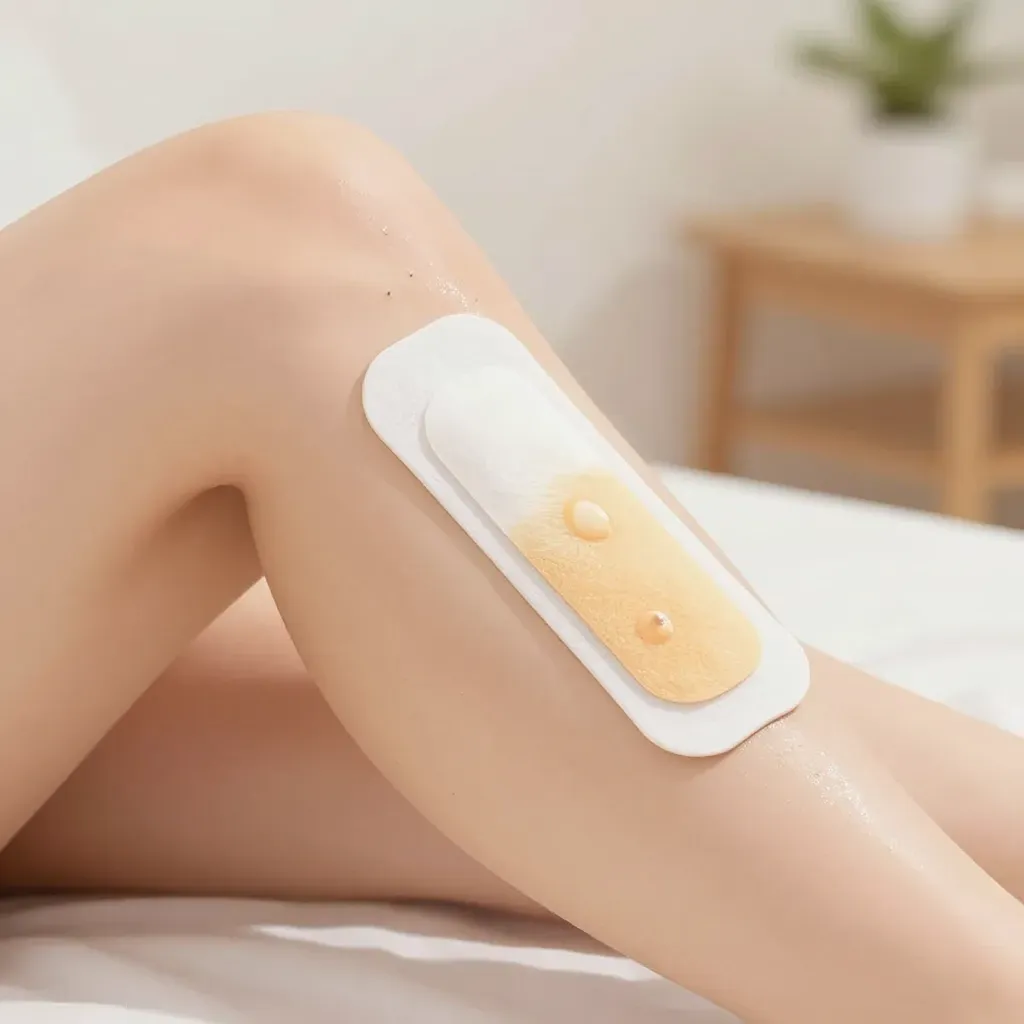
- Use ingrown hair patches overnight
What to avoid during treatment
- Using water that's too hot—causes burns and more inflammation
- Pressing too hard or scrubbing the area
- Applying products immediately before the compress
- Using dirty washcloths that introduce bacteria
- Trying to extract hair before it's ready
- Skipping moisturizer after treatment