
Table of Contents
Ingrown hair removal machines extract trapped hairs using precision tips or micro-suction.
Prioritize adjustable suction, medical-grade 316L steel tips, LED lights, and vibration or thermal aids.
Sterilize tips in 70% isopropyl alcohol for five minutes before use.
Devices work in 30 seconds versus 3-5 minutes manually and cost $40-$80 versus $150-$300 per clinical visit.
Question | Answer |
|---|---|
How do these machines extract hairs? | They use precision tips to hook hairs or micro-suction to lift them to the surface. |
What features matter most? | Choose adjustable suction, medical-grade sterile tips, and LED visualization. |
How do you sterilize the device? | Soak metal tips in 70% isopropyl alcohol for five minutes. |
Are they faster than tweezing? | Yes, they extract hairs in 30 seconds versus 3-5 minutes manually with less scarring risk. |
Which works for sensitive skin? | Micro-suction on low settings or vibration-assisted extraction suits sensitive areas. |
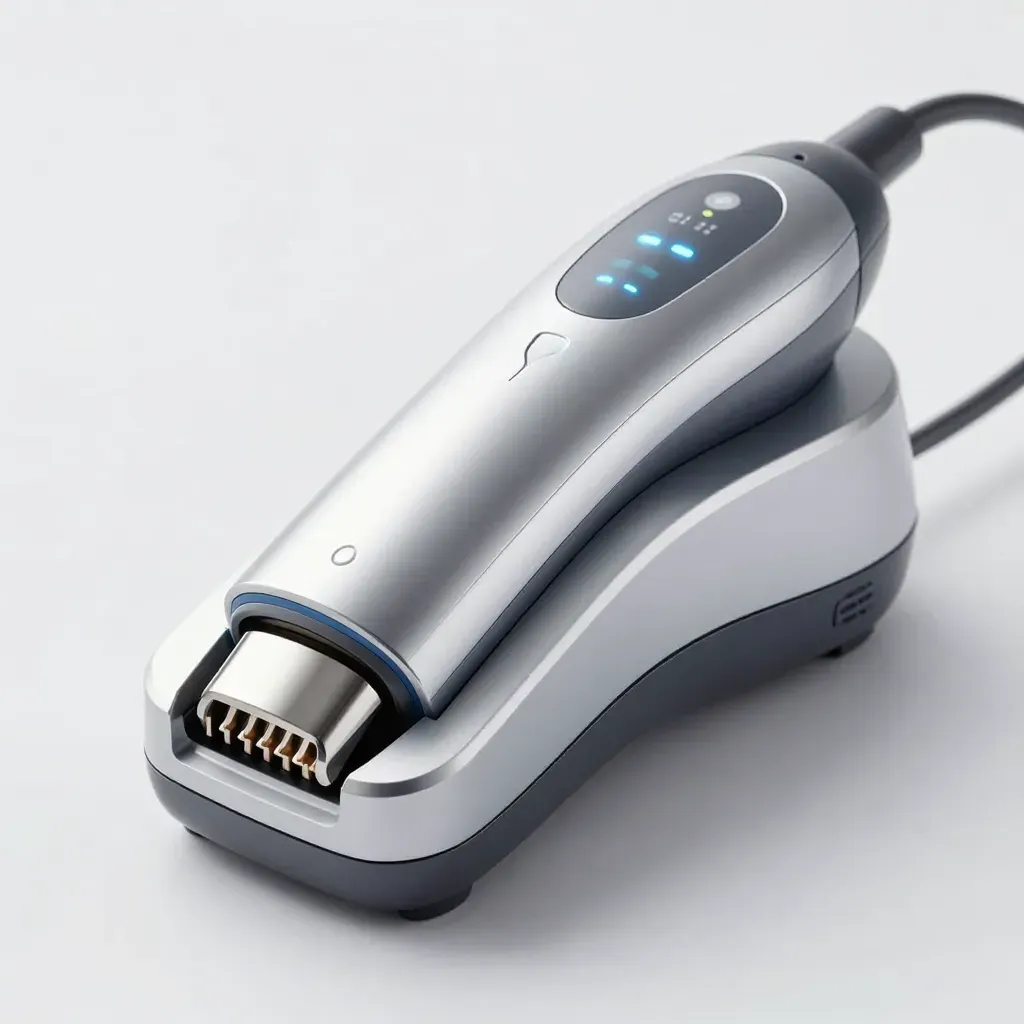
An ingrown hair removal machine extracts trapped hairs using precision tips or micro-suction.
Ingrown hair removal machines target hairs growing sideways under skin. These devices use either mechanical precision tips or vacuum micro-suction to lift trapped follicles without tearing surrounding tissue.
Mechanical Extraction Tools
Precision tip devices feature ultra-fine needles or loops. You center the tip over the bump. The tool pierces the skin surface or hooks the hair loop. This releases the trapped strand. Stainless steel tips work best. They resist rust and sanitize easily.
Micro-Suction Technology
Vacuum-based machines pull the hair upward using gentle suction. These work well for superficial ingrowns. The device creates negative pressure around the bump. This lifts the hair toward the surface. Users adjust suction strength based on skin sensitivity.
Feature | Precision Tip | Micro-Suction |
|---|---|---|
Best for | Deep curled hairs | Surface-level bumps |
Pain level | Minimal prick | Painless pressure |
Skin type | Thick skin areas | Sensitive zones |
Price range | $15-$40 | $30-$80 |
- LED lights help locate buried hairs
- Magnification lenses improve accuracy
- Rechargeable batteries enable portable use
- Interchangeable heads tackle different hair thickness
These machines work faster than manual tweezing. They reduce scarring risk compared to digging with fingernails. Most devices fit in travel cases. You treat ingrowns immediately when they appear.
You should prioritize adjustable suction levels and medical-grade sterile tips when selecting a device.
Adjustable suction prevents skin damage. Low settings suit sensitive areas like bikini lines. High settings tackle coarse beard hairs. You control the extraction force. This customization reduces bruising and broken capillaries.
Medical-grade 316L stainless steel tips resist corrosion. These materials meet surgical instrument standards. They withstand repeated autoclaving or alcohol sterilization. Plastic tips harbor bacteria in microscopic scratches. Metal tips maintain smooth surfaces that sanitize completely.
Suction Level Guidelines
Setting | Skin Area | Hair Type |
|---|---|---|
Low (1-3) | Face, bikini | Fine, shallow |
Medium (4-6) | Arms, legs | Medium curl |
High (7-10) | Back, beard | Coarse, deep |
Tip Material Standards
- 316L surgical steel resists rust
- Titanium tips suit nickel allergies
- Autoclavable materials ensure clinic-level hygiene
- Diamond-dust coating grips slippery hairs
Check seals and gaskets on suction devices. Worn seals lose pressure precision. Replace tips monthly with daily use. Inspect metal edges for burrs that cut skin. Smooth tips slide under hair loops without tearing epidermis.
The best home machines combine LED visualization with painless extraction technology.
LED lights illuminate subcutaneous hairs. You see buried follicles clearly. Magnification lenses enlarge the target area 5x to 10x. This precision prevents digging blind. You extract exactly the trapped hair. No collateral skin damage.
Painless extraction uses vibration or thermal technology. Some devices emit low-frequency pulses. These relax the follicle grip. Others use gentle warmth to soften skin. The hair releases without pulling trauma.
LED Specifications
- 5000K daylight color temperature
- 30,000+ hour bulb life
- Adjustable brightness levels
- Ring lighting eliminates shadows
Pain Reduction Technologies
Technology | Mechanism | Best For |
|---|---|---|
Vibration | Loosens grip | Sensitive skin |
Thermal | Softens tissue | Thick hair |
Cryo-cooling | Numbs surface | Low pain tolerance |
Top devices integrate both systems. You spot the hair with LED. You extract with vibration-assisted suction. Sessions take under two minutes per bump.
Rechargeable lithium batteries power 90-minute sessions. USB-C charging enables travel use. Storage cases protect optical components.
Always sterilize both the device and your skin before attempting any extraction.
Bacteria on extraction tips cause folliculitis.
Staphylococcus aureus enters through micro-cuts.
Sterilize metal components with 70% isopropyl alcohol.
Soak tips for five minutes minimum.
Air dry completely on sterile gauze.
Moisture dilutes alcohol concentration.
UV-C sterilizer boxes sanitize electronic components without liquid damage.
Dirty tools transfer germs directly into open follicles.
This causes painful abscesses requiring antibiotic treatment.
Device Sterilization Protocol
- Disassemble all removable tips
- Submerge in 70% isopropyl alcohol
- Soak minimum five minutes
- Air dry on sterile gauze
- UV sterilization boxes work for battery housings
Skin Preparation Steps
Wash target area with antibacterial soap.
Pat dry with disposable paper towels.
Apply povidone-iodine or chlorhexidine gluconate solution.
Wait thirty seconds for full antimicrobial effect.
These antiseptics kill surface microbes without drying skin excessively.
Let the skin air dry completely before touching with the device.
Exfoliate gently twenty-four hours prior to extraction.
This brings hairs closer to the surface.
Method | Contact Time | Effectiveness |
|---|---|---|
Alcohol wipe | 30 seconds | Moderate |
Alcohol soak | 5 minutes | High |
Autoclave | 15 minutes | Surgical grade |
UV-C light | 10 minutes | Good for electronics |
Change tips between body areas.
Use separate heads for face and bikini line.
Cross-contamination spreads folliculitis rapidly.
Store sterilized devices in sealed pouches between uses.
Replace disposable tips after single use.
These devices remove hairs faster than manual tweezing and cost significantly less than clinical treatments.
Manual tweezing takes three to five minutes per ingrown hair. You hunt blindly under skin. Machines with LED and suction extract hairs in thirty seconds. You locate the target immediately. The vacuum pulls it to surface without digging.
Method | Time per Hair | Cost per Session | Annual Cost |
|---|---|---|---|
Manual tweezing | 3-5 min | $0 | $0 (high scarring risk) |
Home device | 30 sec | $0 | $40-$80 one-time |
Dermatologist extraction | 10 min | $150-$300 | $1,800-$3,600 |
Medical spa | 15 min | $75-$150 | $900-$1,800 |
Clinical extractions require appointments. You wait days for openings. Travel time adds expense. Home devices work immediately when bumps appear. You treat at midnight if needed.
Speed Advantages
- LED lights eliminate searching time
- Suction pulls hair without multiple attempts
- No skin preparation beyond basic cleansing
- Extract ten hairs in five minutes
The break-even point comes after single use. A $60 device pays for itself versus one $150 dermatologist visit. You own the tool for years. Replacement tips cost under $10.
Manual tweezing causes hyperpigmentation. You dig repeatedly. Machines extract cleanly first try. This prevents dark marks that require expensive laser correction later.