
Table of Contents
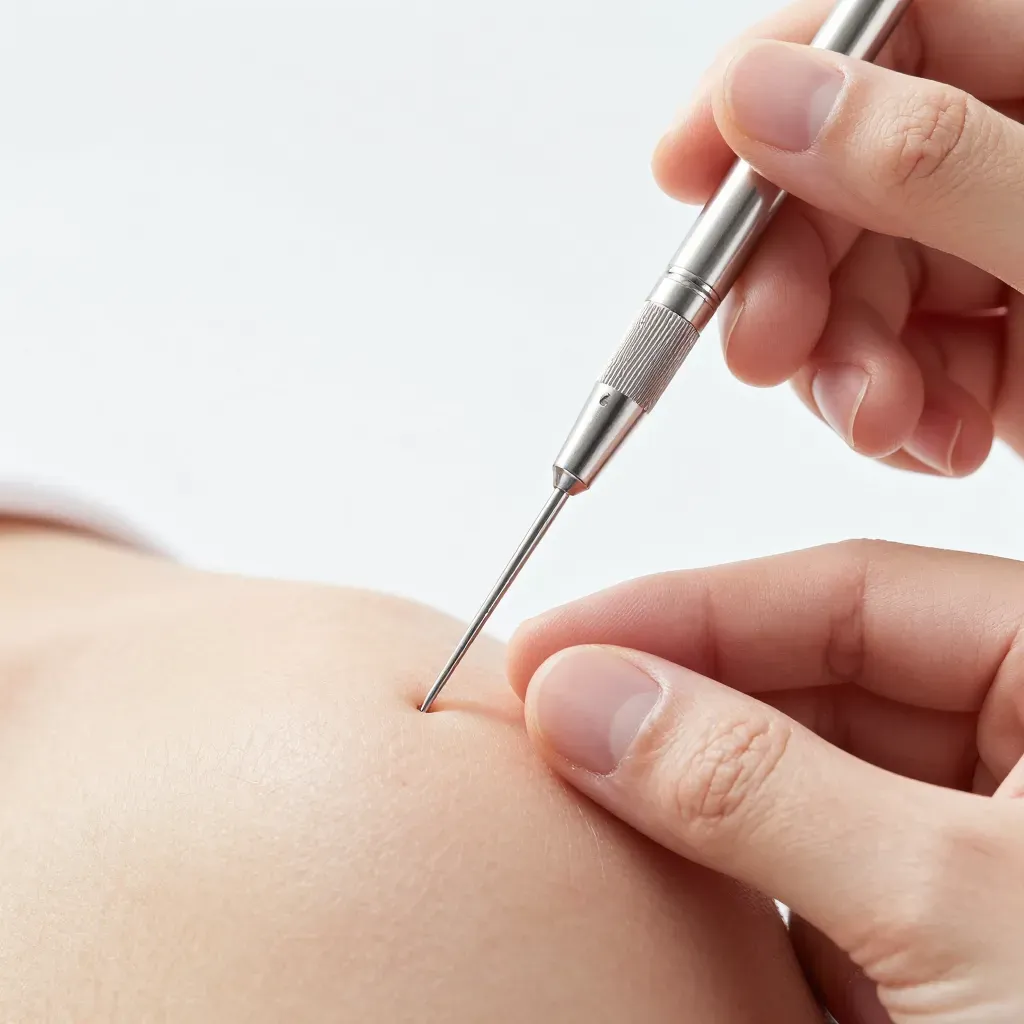
An ingrown hair removal needle lifts trapped hairs from under skin using a sterile pointed tip or hook.
This guide covers safe extraction of surface-level bumps only, sterilization techniques to prevent infection, risks of DIY removal, and prevention strategies including exfoliation and proper shaving.
Question | Answer |
|---|---|
What is an ingrown hair removal needle? | It is a sterile metal tool with a sharp pointed tip or hook that lifts trapped hairs from under the skin surface. |
When should I use this tool? | Use it only on visible surface bumps with hair loops beneath thin skin and never on deep cysts or infected areas. |
How do I sterilize the needle? | Soak it in ninety percent isopropyl alcohol for five minutes or flame-sterilize until the tip glows red. |
What are the main risks of DIY extraction? | Non-sterile tools introduce bacteria causing abscesses and deep digging creates permanent scars or hyperpigmentation. |
When should I see a professional? | Seek help for deep cysts, facial triangle bumps, genital areas, diabetes, or if home attempts fail twice. |
What is an ingrown hair removal needle and when to use one
An ingrown hair removal needle lifts trapped hairs from under the skin. This sterile metal tool features a sharp pointed tip or small hook that pierces the surface layer above the hair loop. Unlike regular sewing needles, professional extraction tools minimize tissue damage and reduce scarring risk when used correctly.
When to use this tool
Use this tool only on visible surface bumps where you can see the hair loop or tip beneath thin skin. Wait until the area shows a clear raised bump with dark spot or visible hair coil. Never dig into deep painful cysts or red inflamed skin.
- Surface-level ingrown hairs with visible hair tips
- Healed bumps without active infection
- Shallow trapped hairs in beard area, legs, or bikini line
- Pre-existing condition cleared by dermatologist
- Hairs trapped by dead skin layers only
When to avoid self-extraction
- Area shows pus, significant redness, or warmth
- Deep painful nodules under skin surface
- You have diabetes, poor circulation, or compromised immune system
- Bump located near eyes or genitals
- Keloid scarring history exists
Tool types compared
Tool Type | Best For | Risk Level |
|---|---|---|
Sharp lancet | Piercing thin skin over hair | Medium |
Loop extractor | Lifting coiled hairs without breaking skin | Low |
Tweezers + needle combo | Grabbing exposed tip after lifting | Low |
Professional comedone extractor | Multiple ingrown hairs, blackheads | Low |
Sterilize the needle with rubbing alcohol or flame before and after each use. Single-use disposable lancets reduce infection risk compared to reusable stainless tools. Store clean tools in dry sealed container away from bathroom humidity.
Step-by-step guide to safely extracting ingrown hairs at home
Prepare area and tools
Wash the bump and surrounding skin with antibacterial soap. Remove all surface oils and bacteria.
Apply warm compress for ten to fifteen minutes. This softens the epidermis and brings the hair closer to the surface.
Sterilize your ingrown hair removal needle completely. Submerge in ninety percent isopropyl alcohol for five minutes or flame-sterilize until the tip glows red. Allow full cooling before skin contact.
Scrub hands with soap for thirty seconds minimum. Wear nitrile gloves to prevent bacterial transfer.
Extract the hair
Position the needle parallel to skin surface. Pierce only the thin layer directly above the visible hair loop.
Gently tease the hair upward. Lift the loop until the tip breaks through. Do not excavate deep tissue.
Switch to sterilized pointed tweezers. Grip the exposed shaft close to the skin.
Pull steadily in direction of natural growth. Remove the entire hair in one motion.
If resistance occurs stop immediately. Reapply warm compress five minutes. Attempt once more. Abort if still stuck. Deep digging causes scars and infection.
Post-extraction care
Cleanse the opened pore with alcohol wipe or antiseptic solution. Remove any blood or debris.
Apply thin layer of over-the-counter antibiotic ointment. Cover with breathable bandage if clothing rubs the area.
Avoid hair removal methods for two days minimum. No shaving waxing or depilatory creams on treated skin.
Monitor for infection signs. Increasing redness warmth or swelling after twenty-four hours indicates bacterial infection. See a doctor promptly.
Essential sterilization techniques to prevent infection
Tool sterilization methods
Submerge the ingrown hair removal needle in ninety percent isopropyl alcohol for five full minutes. This kills surface bacteria and viruses effectively.
Flame sterilization works for metal tools. Heat the tip with a lighter until it glows red. Cool completely before touching skin to avoid burns.
Boil stainless steel tools in water for twenty minutes if alcohol is unavailable. Dry thoroughly immediately to prevent rust formation.
Single-use lancets eliminate cross-contamination risks entirely. Dispose in a sharps container after one use.
Method | Time Required | Effectiveness |
|---|---|---|
Isopropyl alcohol 90% | 5 minutes | High |
Flame sterilization | 10 seconds heat + cooling | High |
Boiling water | 20 minutes | Medium |
UV sterilizer | 30 minutes | Medium |
Skin and surface preparation
Scrub the target area with chlorhexidine or antibacterial soap. Remove all dirt, oil, and dead skin cells.
Wipe the work surface with disinfectant wipes. Lay down a clean paper towel as a sterile field.
Wash hands for thirty seconds minimum under warm water. Use a nail brush to clean under fingernails.
Wear disposable nitrile gloves. Latex alternatives exist for allergy sufferers.
Storage and maintenance
Store clean tools in a sealed plastic case or sterile pouch. Keep away from bathroom humidity which breeds bacteria.
Replace reusable tools every three months or immediately if dropped. Dropped needles pick up floor bacteria even after cleaning.
Never share extraction tools between people. Bloodborne pathogens transfer through microscopic skin breaks.
Risks to avoid and when to seek professional help
Common extraction risks
Breaking skin with non-sterile tools introduces staph and strep bacteria. These cause painful abscesses requiring antibiotic treatment.
Digging too deep damages collagen and creates permanent pits or raised keloid scars. Dark skin tones face higher hyperpigmentation risks after trauma.
Improper angle tears the hair shaft. This leaves fragments under skin that worsen inflammation and trigger new ingrown formation.
Infection warning signs
- Red streaks spreading from the bump
- Warmth and throbbing pain increasing after 24 hours
- Yellow or green pus drainage
- Fever or swollen lymph nodes
- Area doubles in size or becomes hard
When to seek professional help
Situation | Why See a Pro |
|---|---|
Deep cystic bump | Requires surgical incision and drainage |
Facial triangle area | High blood flow risks brain infection |
Genital region | Delicate tissue prone to scarring |
Diabetes or immunosuppression | Delayed healing and sepsis risk |
Recurring same spot | May need laser hair removal or prescription creams |
See a dermatologist if home attempts fail after two tries. Persistent ingrowns often indicate pseudofolliculitis barbae or fungal infection requiring medical treatment.
Prevention strategies to reduce future ingrown hairs
Exfoliation routine
Remove dead skin cells twice weekly. Use chemical exfoliants containing salicylic acid or glycolic acid. These dissolve protein bonds that trap hairs under skin.
Physical scrubs work for tougher areas. Choose synthetic beads over crushed nut shells which create micro-cuts.
Shaving technique
Shave with the grain never against. Use a sharp single-blade razor. Multi-blade systems cut hair below skin level increasing ingrown risk.
Apply shaving gel and let sit two minutes. This softens the hair shaft and reduces tugging.
Rinse blade after every stroke. Build-up forces hair back into follicles.
Prevention Method | Frequency | Best For |
|---|---|---|
Chemical exfoliant | 2x weekly | Face, sensitive areas |
Single-blade razor | Replace every 5-7 shaves | Beard, bikini line |
Loose cotton clothing | Daily | Freshly shaved skin |
Depilatory cream | As needed | Coarse body hair |
Clothing and friction
Wear loose cotton underwear immediately after hair removal. Synthetic fabrics trap heat and sweat against fresh follicles.
Avoid tight jeans or leggings for twenty-four hours post-shave. Friction pushes new growth back into skin.
Professional alternatives
Visit an aesthetician for ingrown hair removal if home methods fail. They perform extractions with sterile lancets and high-magnification lamps.
Consider professional bikini line treatments for chronic issues. Laser targets the follicle itself and stops the cycle permanently.
Waxing pulls hair from the root. Ensure technicians use hard wax for coarse areas not strip wax which breaks hair mid-shaft.