
Table of Contents
Identify ingrown hairs correctly before treating pubic bumps to avoid damaging skin or masking serious conditions.
Apply warm compresses for 10-15 minutes several times daily to soften skin and draw trapped hairs to the surface.
Extract only visible hair loops using sterilized tweezers by pulling upward gently without digging under skin.
Treat immediately with antiseptics like benzoyl peroxide or tea tree oil to prevent infection.
Prevent future ingrowns by switching to single-blade razors, using chemical exfoliants, or choosing laser hair removal.
Question | Answer |
|---|---|
How can I tell an ingrown hair from an infection or STD? | True ingrown hairs show small round bumps with visible hair loops while infections cause severe pain, fever, or red streaks and STDs present as painless dark bumps or fluid-filled blisters. |
When should I stop home treatment and see a doctor? | Stop immediately and seek medical care if you develop fever, see spreading red streaks, experience severe pain, or notice thick yellow drainage from the bump. |
What is the correct way to extract an ingrown hair? | Sterilize fine-point tweezers with alcohol, grasp only clearly visible hair loops, and pull upward gently in the growth direction without breaking skin or digging underneath. |
How do I prevent ingrown hairs from coming back? | Switch to single-blade razors shaving with the grain, apply chemical exfoliants like salicylic acid daily, or undergo laser hair removal to destroy follicles permanently. |
Identify ingrown hairs correctly before attempting any removal procedure
Ingrown hair removal pubic area procedures require positive identification first. Many conditions mimic trapped hairs. Treating the wrong problem causes tissue damage or delays proper medical care.
Visual signs of true ingrown hairs
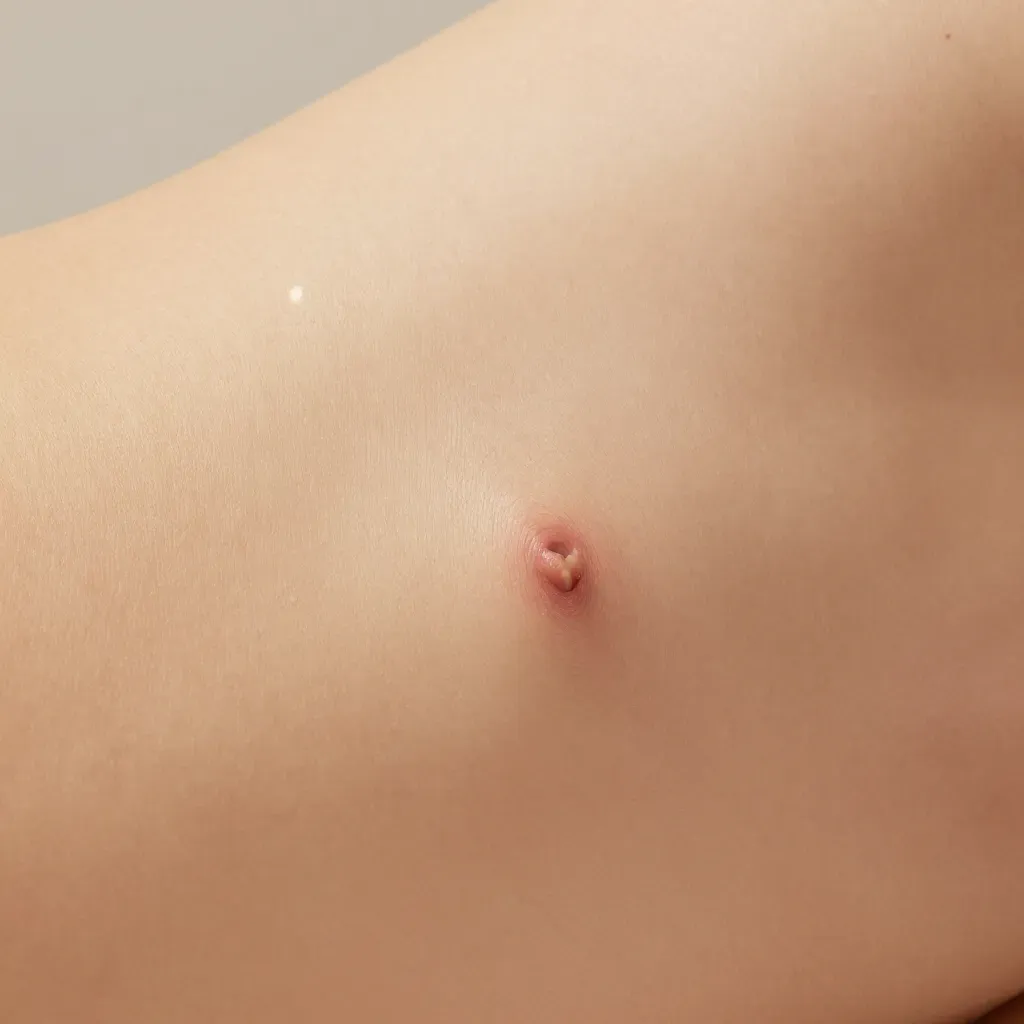
Look for small round bumps with a visible hair loop or tip beneath thin skin. These appear days after shaving or waxing the bikini line. Color ranges from pink to dark brown depending on skin tone. Itchiness and mild tenderness signal early inflammation stages.
Feature | Ingrown Hair | Folliculitis | Boil/Abscess |
|---|---|---|---|
Appearance | Single bump with visible hair | Cluster of small whiteheads | Large painful lump with pus |
Pain level | Mild to moderate | Low | Severe |
Cause | Hair re-entering skin | Bacterial infection of hair follicle | Deep bacterial infection |
Action | Home extraction possible | Topical antibiotics | Doctor visit required |
Red flags that need medical care
- Fever accompanies the bump
- Red streaks spread from site
- Large hard lump persists over two weeks
- Multiple painful ulcers appear
- Thick yellow drainage oozes constantly
Dark raised bumps without pain might be genital warts or molluscum contagiosum. Herpes causes fluid-filled blisters that rupture. Never attempt ingrown hair removal pubic area techniques on these lesions. Misdiagnosis spreads infection and scars tissue permanently.
Check hair growth direction before touching anything. Hairs growing parallel to skin surface create pseudofolliculitis barbae. These look like ingrowns but resolve with exfoliation alone. Deep cystic ingrowns feel like peas under skin and resist simple extraction. When doubt exists, dermatologists provide definitive diagnosis.
Apply warm compresses to soften skin and release trapped pubic hairs safely
Heat dilates blood vessels and softens keratin plugs blocking follicles. Warm compresses draw trapped hairs toward the surface without force. This prepares tissue for safe extraction and reduces trauma during ingrown hair removal pubic area procedures.
Materials and temperature
Clean washcloths work best. Soak in hot tap water or microwave damp cloth for 20 seconds. Test temperature on your inner wrist first. Skin must tolerate heat for 10 minutes without burning. Re-wet cloth every 3-4 minutes to maintain warmth.
Step | Action | Time |
|---|---|---|
1 | Clean pubic area with mild soap | 30 seconds |
2 | Apply warm compress directly on bump | 10-15 minutes |
3 | Rest skin uncovered | 30 minutes |
4 | Repeat application | 3-4 times daily |
Expected results
Hair tips become visible within 48 hours. Skin softens and natural drainage may occur. Whiteheads sometimes form as the body pushes the hair out. Do not force extraction immediately. Wait until the hair clearly breaks through the epidermis.
- Stop if skin blisters
- Stop if sharp pain increases
- Stop if redness spreads beyond bump borders
- Stop if fever develops
These signs indicate thermal injury or spreading infection. Switch to cold compresses and seek medical care. Most cases resolve with consistent heat application alone.
Use sterile extraction tools only on visible hairs without breaking surrounding skin
Wait until the hair loop sits clearly above skin level after compress treatment. Sterilize tweezers or extraction needles with rubbing alcohol for five full minutes. Boil metal tools for ten minutes if alcohol unavailable. Never use bare fingers or dirty bathroom tools. Bacteria cause rapid infection in warm moist pubic tissue. Proper technique prevents scars.
Tool preparation
Use fine-point tweezers with slanted edges only. Sharp needles work solely for buried tips visible under thin skin. Sanitize the bump with antiseptic wipe before touching anything. Work under bright natural light. Magnifying mirrors help spot tiny hair loops precisely. Blunt tools tear tissue and drive bacteria deeper. Keep a clean cloth nearby to dab away any drainage.
Extraction method
Grasp the visible hair loop with gentle pressure. Pull upward slowly in the direction of natural growth. Do not yank or pluck completely. Free the trapped end only. Release the hair above skin level so it grows outward properly. Never dig beneath skin surface with needles or pins. Breaking the epidermis invites staph infection and permanent hyperpigmentation. Wash tools again after use. Dispose of any single-use needles immediately in sharps containers.
Action | Result | Risk |
|---|---|---|
Gentle upward pull | Hair releases | Minimal |
Digging under skin | Scarring | High infection |
Complete pluck | Regrows ingrown | Repeat cycle |
Squeezing bump | Tissue damage | Keloid formation |
- Stop immediately if skin tears
- Stop if any blood appears
- Stop if hair remains buried under skin
- Stop if sharp pain spikes during attempt
See a doctor for deep cysts. Professionals use sterile lancets and local anesthesia. Home digging creates craters and requires clinical repair. Quit while ahead.
Apply topical treatments immediately after to calm inflammation and prevent infection
Clean the area immediately with saline or mild antiseptic. Open follicles absorb bacteria within minutes of exposure. Apply topical treatment within sixty seconds of extraction to block pathogen entry.
First-line topical options
Match product selection to skin sensitivity and extraction trauma severity.
Product | Active function | Frequency |
|---|---|---|
Hydrocortisone 1% | Anti-inflammatory | Thin layer twice daily |
Benzoyl peroxide 2.5% | Antibacterial | Spot treatment once daily |
Witch hazel | Astringent pore closure | Cotton pad dab morning and night |
Tea tree oil (diluted) | Natural antiseptic | 1 drop mixed with carrier oil |
Pure aloe vera gel | Soothe trauma | Generous layer as needed |
Application protocol
Wash hands thoroughly before touching treated skin. Use sterile cotton swabs rather than fingertips to prevent recontamination. Apply thin film only. Thick occlusive layers trap heat and moisture breeding bacteria. Let product dry fully before clothing contact. Wear loose breathable cotton underwear to minimize friction against healing tissue.
- Skip alcohol-based toners that sting and dry excessively
- Skip fragranced lotions containing potential allergens
- Skip retinoids on broken or freshly extracted skin
- Skip heavy petroleum jelly that blocks oxygen flow
Continue topical regimen for seventy-two hours minimum post-extraction. Redness and swelling should decrease within forty-eight hours. Persistent warmth or spreading redness signals bacterial infection requiring medical intervention. Switch to prescription antibiotic ointment immediately if yellow crust or pus develops.
Change your hair removal routine to stop future ingrowns from forming
Prevention beats extraction every time. Modify your removal technique or switch methods entirely to break the cycle of recurring trapped hairs.
Shaving modifications
Ditch multi-blade razors that cut hair below skin level. Single-blade safety razors leave hair at surface height. Shave with grain direction only never against. Use shave gel containing glycolic or salicylic acid to dissolve keratin buildup. Replace blades every five uses maximum. Dull blades tear follicles and create entry points for ingrowns.
Exfoliation schedule
Remove dead skin cells before they trap emerging hairs. Physical scrubs damage delicate pubic tissue. Use chemical exfoliants instead.
Product type | Application | Frequency |
|---|---|---|
Salicylic acid 2% | Swipe on clean dry skin | Daily |
Glycolic acid pads | Gentle wipe across bikini line | Every other day |
Lactic acid lotion | Thin layer post-shower | 3 times weekly |
Permanent solutions
Laser hair removal destroys follicles completely. No hair means zero ingrowns. Sessions target coarse pubic hair specifically. Most patients see permanent reduction after six to eight treatments. At-home devices work for maintenance between professional sessions. Professional laser delivers stronger pulses for dense bikini area hair.
- Wet skin thoroughly before any blade touches tissue
- Wait 48 hours between shaving sessions
- Wear loose clothing for 24 hours post-removal
- Moisturize with fragrance-free lotion daily
- Consider waxing instead of shaving for longer regrowth intervals
Switch routines today. Consistent prevention eliminates painful bumps permanently without future extraction risks.