
Table of Contents
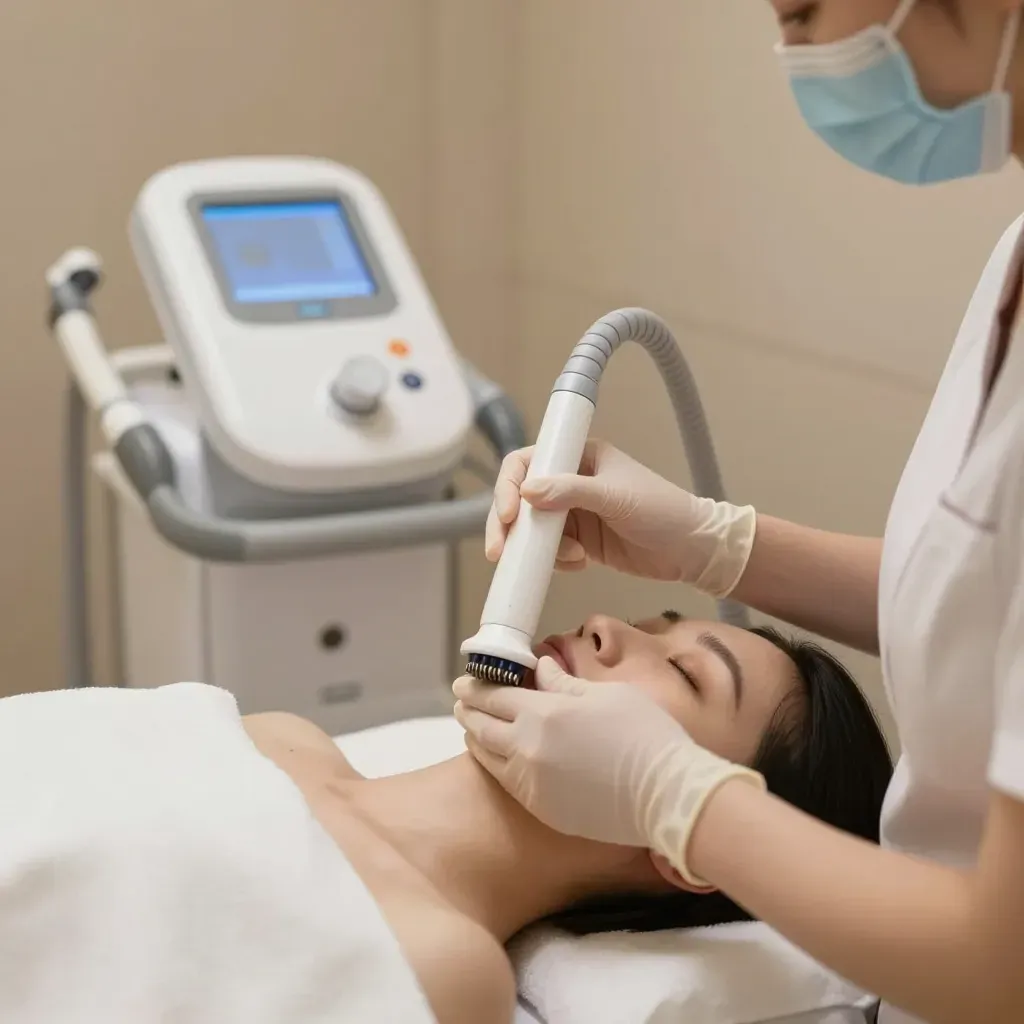
Professional ingrown hair removal spas treat trapped hairs using medical-grade lasers, sterile extraction tools, and prescription-strength chemical peels. Technicians target hairs growing back into skin after shaving or waxing, offering permanent laser solutions, manual extraction for deep trapped hairs, and chemical exfoliation for prevention. These facilities operate under strict sterilization standards with surgical-grade equipment unavailable for home use, reducing healing time from months to weeks while preventing infection and scarring common with DIY attempts. Treatment plans typically involve six to eight laser sessions or monthly extractions with comprehensive aftercare including exfoliation protocols and product recommendations to prevent recurrence.
Question | Answer |
|---|---|
What does an ingrown hair removal spa do? | Spas treat trapped hairs using medical-grade lasers, sterile extraction tools, and chemical peels to remove existing ingrowns and prevent new ones. |
How is professional extraction different from home removal? | Professional technicians use surgical-grade sterilization, magnification, and precise techniques that eliminate infection risks and scarring associated with DIY attempts. |
What should I do before my appointment? | Grow hair to one-quarter inch, stop shaving three days prior, and avoid retinoids one week before your session. |
How long does healing take after professional treatment? | Professional treatment reduces healing time from one to six months to just twenty-four to forty-eight hours for most cases. |
How do I prevent ingrown hairs from returning? | Daily chemical exfoliation with salicylic acid, shaving with the grain using sharp blades, and wearing loose cotton clothing prevent recurrence. |
What is an ingrown hair removal spa and how does professional treatment work
An ingrown hair removal spa specializes in treating trapped hairs using medical-grade equipment and certified technicians.
These facilities target hairs growing back into skin after shaving, waxing, or electrolysis.
Staff use sterile tools and advanced techniques unavailable for home use.
Deep ingrowns occur when shaved or waxed hairs curl under the skin surface.
Spa technicians identify the exact location of trapped hairs before extraction.
Core services offered
Treatment | Method | Result |
|---|---|---|
Laser removal | Targets follicles under skin | Prevents future ingrowns |
Professional extraction | Sterile tweezers/needles | Removes trapped hairs safely |
Chemical treatments | Salicylic acid solutions | Exfoliates and prevents |
Technicians assess skin type and hair condition before selecting treatment methods.
Laser sessions target hair follicles directly with concentrated light energy.
This stops hairs from curling back into skin and causing inflammation.
Manual extraction uses warm compresses to soften skin and expose trapped hairs.
Staff then lift hairs using sterile instruments without breaking skin.
Professional-grade products contain active ingredients like glycolic acid and salicylic acid.
These exfoliate dead skin cells that block hair growth.
Clinics operate under strict hygiene standards to prevent infection.
They provide comprehensive aftercare guidance including product recommendations.
Treatment plans typically schedule follow-up sessions every three to four weeks.
This ensures complete removal and long-term prevention of ingrown hairs.
Spas treat common areas including bikini lines, underarms, legs, and face.
Professional intervention reduces the one to six month healing time associated with deep ingrowns.
Professional treatment eliminates the pain and redness caused by DIY removal attempts.
Professional treatment methods spas use to remove stubborn ingrown hairs safely
Laser hair removal
Medical-grade lasers target hair follicles beneath the skin using concentrated light energy.
This stops the growth cycle and prevents hairs from curling back inward.
Technicians customize wavelength settings based on skin type and hair color.
Most clients require six to eight sessions spaced three to four weeks apart.
Laser treatment works best for chronic ingrown issues requiring permanent solutions.
Manual extraction methods
Staff employ sterile tweezers and specialized needles to release trapped hairs without skin trauma.
Warm compresses soften the epidermis for fifteen minutes before extraction.
The needle method creates precise openings to lift deep ingrowns that have remained trapped for weeks.
Technicians apply antiseptic solutions immediately after to prevent bacterial entry.
This approach eliminates infection risks and scarring associated with home removal attempts.
Chemical exfoliation treatments
Professional-strength salicylic acid and glycolic acid solutions dissolve dead skin cells blocking hair exit routes.
Concentrations range from 10% to 30%, significantly stronger than retail products.
Technicians apply these before extraction or as standalone maintenance protocols.
Targeted serums containing tea tree oil and witch hazel reduce inflammation and prevent recurrence between visits.
Method | Best used for | Recovery time |
|---|---|---|
Laser | Chronic recurring ingrowns | None |
Extraction | Deep trapped hairs | 24-48 hours |
Chemical | Prevention and maintenance | None |
Spas combine these methods based on ingrown severity and skin sensitivity.
Professional facilities maintain sterile environments and use medical-grade equipment unavailable for home use.
Treatment selection depends on hair depth, skin condition, and client pain tolerance.
Deep ingrowns often require combined chemical softening followed by manual extraction.
Key benefits of choosing spa treatment over DIY home removal methods
DIY extraction attempts often push bacteria deeper into skin and cause permanent scarring.
Home tweezers and needles rarely achieve full sterilization standards.
Safety and infection prevention
Professional environments use medical-grade sterilization on all instruments.
Technicians wear gloves and use single-use disposables to eliminate cross-contamination.
Improper home extraction risks bacterial infection and hyperpigmentation that lasts months.
Expertise and precision
Certified technicians identify hair growth patterns invisible to untrained eyes.
They distinguish between simple trapped hairs and infected cysts requiring different approaches.
Skin type assessment prevents aggressive treatments on sensitive or melanin-rich skin.
Equipment advantages
Tool | Spa grade | Home equivalent |
|---|---|---|
Extraction instruments | Surgical steel, autoclaved | Drugstore tweezers |
Magnification | 10x-15x LED lamps | Bathroom mirror |
Preparation solutions | Medical antiseptics | Alcohol wipes |
Professional clinics access technologies like medical lasers and prescription-strength chemical peels unavailable for consumer purchase.
Comprehensive care protocols
Pre-treatment preparation includes skin softening and hair length assessment.
Post-treatment care provides specific product recommendations and healing timelines.
Follow-up scheduling ensures complete resolution rather than partial removal.
Pain management
Professional techniques minimize tissue trauma compared to aggressive home picking.
Topical anesthetics and proper extraction angles reduce discomfort significantly.
Deep ingrowns buried under multiple skin layers require professional intervention and resolve in weeks rather than the one to six months needed for natural healing.
What to expect during your ingrown hair removal session and aftercare
Before your appointment
Consultation determines your skin type and ingrown severity.
Grow hair to at least ¼ inch length for effective extraction.
Stop shaving three days before treatment.
Exfoliate gently to remove surface dead cells.
Avoid retinoids and harsh acids one week prior.
During the session
Technician cleans and assesses the treatment area under magnification.
Warm compresses soften skin for fifteen minutes before extraction.
Sterile instruments lift trapped hairs without breaking surrounding tissue.
Laser treatments apply cooling gel first then deliver light pulses.
Antiseptic solution and soothing serum follow extraction.
Session duration ranges from fifteen minutes for single areas to one hour for multiple zones.
Aftercare protocol
Timeframe | Action required | Avoid |
|---|---|---|
First 24 hours | Keep dry, apply recommended serum | Touching, makeup, tight clothes |
Days 2-7 | Gentle cleansing, light moisturizing | Heavy exercise, hot tubs |
Week 2-4 | Regular exfoliation | Shaving between sessions |
Follow-up appointments occur every three to four weeks for complete resolution.
First session results vary based on hair depth and skin response.
Wear loose cotton clothing to prevent friction on treated areas.
Continue daily exfoliation with approved products to prevent new blockages.
Contact the spa immediately if redness persists beyond 48 hours or signs of infection appear.
Results improve with each session as hair growth patterns normalize.
Prevention strategies spas recommend to stop ingrown hairs from returning
Exfoliation protocols
Dead skin cells block hair exit routes and force growth inward. Spas recommend daily chemical exfoliation with salicylic acid or glycolic acid solutions.
Use physical scrubs twice weekly on tougher areas like legs and arms.
Always exfoliate immediately before shaving or waxing to clear follicle openings.
Continue daily exfoliation between professional treatments to maintain clear pathways.
Hair removal best practices
Shave only with the grain using sharp single-blade razors. Replace blades every five to seven uses to prevent dragging and breakage.
Never dry shave or stretch skin taut during passes. This creates sharp tips that pierce skin easily.
Waxing requires ¼ inch hair length for complete removal without snapping hairs mid-shaft.
Professional maintenance schedule
Method | Frequency | Purpose |
|---|---|---|
Spa checkups | Every 3-4 weeks | Clear early blockages |
Laser sessions | 6-8 treatments total | Permanent prevention |
Chemical peels | Monthly | Deep cell turnover |
Best hair removal methods eliminate the root cause entirely.
Home care essentials
Apply ingrown hair serums containing tea tree oil or witch hazel daily to reduce inflammation.
Use lightweight non-comedogenic moisturizers after every shower to maintain skin elasticity.
Wear loose cotton clothing after hair removal to prevent friction against follicles.
Avoid tight synthetic fabrics that trap heat and bacteria against freshly treated skin.