
Table of Contents
Ingrown hairs happen when shaved or waxed hair curves back into skin, triggering inflammation and bumps.
Social media platforms show viral extraction videos that normalize the condition but hide infection and scarring risks.
Safe home treatment uses warm compresses and salicylic acid exfoliation only, never digging or popping.
Permanent solutions include IPL devices, laser treatments, and proper shaving with the grain using single-blade razors.
See a dermatologist immediately if redness spreads, pus appears, or the bump persists beyond one week, especially for dark skin types prone to keloids.
Question | Answer |
|---|---|
What causes ingrown hairs? | Shaving against the grain or waxing forces hairs to curve back into skin instead of growing outward. |
Why are viral extraction videos dangerous? | They show unsterilized digging and popping that creates bacteria entry points and causes permanent scars. |
How do you safely remove one at home? | Apply warm compresses daily until the hair surfaces, then use sterile tweezers to pull gently with the grain. |
When should you see a doctor? | Seek care immediately for spreading redness, red streaks, colored pus, fever, or bumps lasting over seven days. |
How do you prevent them? | Shave with the grain using sharp single-blade razors, exfoliate daily with salicylic acid, or use IPL and laser devices. |
Ingrown hairs form when hair grows back into the skin after shaving or waxing, creating the inflamed bumps that dominate TikTok feeds.
The Mechanism Behind the Bump
Hair removal causes ingrown hairs. When you shave, wax, tweeze, or use electrolysis, the hair can curve back and burrow into the skin instead of growing outward. Your body treats this trapped hair like a foreign object, triggering inflammation, redness, and swelling.
Visual Characteristics
Stage | Appearance | Sensation |
|---|---|---|
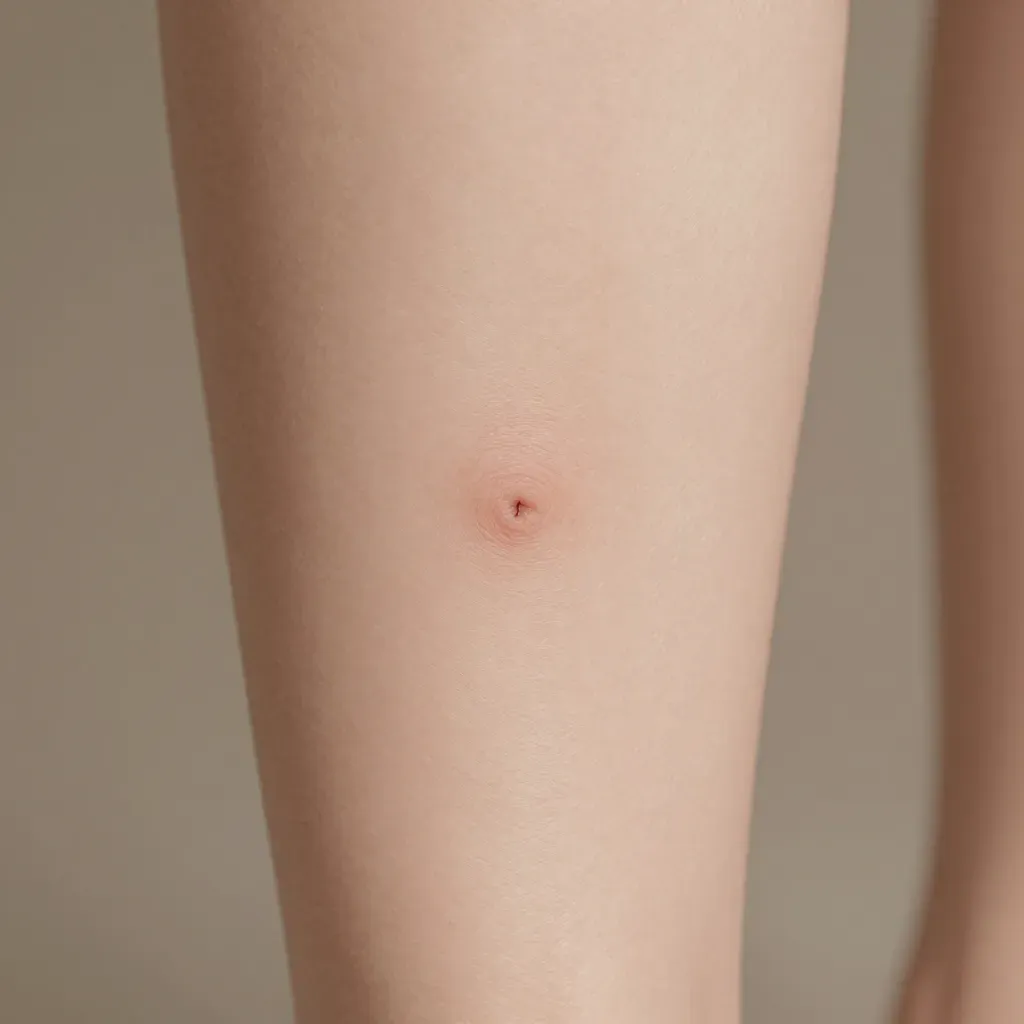
Early | Small solid bumps resembling pimples | Itchy, mild tenderness |
Developed | Pus-filled blisters | Painful, warm to touch |
Advanced | Hyperpigmentation, scarring | Chronic irritation |
The TikTok Effect
The hashtag #ingrownhairremoval generates millions of views. Users share extraction clips, before-and-after reveals, and DIY treatment hacks. Social media powers the global skincare market toward $200 billion by 2026. 61% of 18 to 34-year-olds seek beauty content on Instagram and TikTok. These platforms normalize the condition but rarely show the risks of improper removal.
Common Triggers
- Shaving against the grain
- Waxing on dry skin
- Tight clothing causing friction
- Curly or coarse hair texture
- Dead skin cell buildup blocking follicles
Sites become infected without proper care. Scratching and picking lead to skin color changes and permanent scarring.
Board-certified dermatologists are analyzing viral ingrown hair removal videos to separate dangerous trends from safe extraction techniques.
The Reaction Video Phenomenon
Dermatologists now film reaction content dissecting viral extraction clips. These professionals pause frame-by-frame to identify sterile technique failures and tissue damage risks. They translate medical expertise into accessible warnings for millions of viewers seeking validation before attempting similar extractions at home.
Dangerous Trends Identified
Viral Method | Expert Assessment | Risk Level |
|---|---|---|
Needle digging | Creates entry points for bacteria | High |
Unsterilized tweezers | Spreads infection across skin | High |
Aggressive picking | Causes scarring and hyperpigmentation | Medium |
DIY lancing | Damages hair follicles permanently | High |
The Safety Checklist
Experts approve extraction only when hair surfaces naturally. They recommend warm compresses first, sterile tools second, and gentle technique third. Anything involving breaking the skin surface requires professional intervention. They emphasize that satisfying pops often mask underlying trauma to the dermis.
Platform Accountability
Medical professionals use reaction formats to counter misinformation. They demonstrate proper technique through side-by-side comparisons. Their goal: transform viral entertainment into educational content that prevents skin damage.
Safe removal requires warm compresses, chemical exfoliation with salicylic acid, and sterile tools rather than digging or popping.
Step-by-Step Extraction Protocol
Start with a warm compress. Apply a clean washcloth soaked in warm water to the area for 10-15 minutes. This softens the skin and draws the hair toward the surface. Repeat twice daily until the hair loop becomes visible.
Apply chemical exfoliation daily. Salicylic acid penetrates oil to clear follicle blockages. Glycolic acid dissolves dead skin cells trapping the hair. Use pads or serums containing these acids to gradually free the hair without mechanical trauma.
Approved Tools and Techniques
Method | When to Use | Execution |
|---|---|---|
Sterile tweezers | Hair loop visible above skin | Disinfect with alcohol, grasp only the exposed hair, pull gently in direction of growth |
Needle extraction | Never at home | See dermatologist only |
Manual picking | Never | Causes infection and scarring |
Active Ingredients That Work
- Salicylic acid: Unclogs follicles and reduces inflammation
- Glycolic acid: Exfoliates surface skin to release trapped hairs
- Calamine: Soothes itching and irritation during healing
If the hair remains embedded after one week of compresses and acids, stop home treatment. Deep extraction requires sterile medical equipment and professional technique.
Prevention through IPL devices, laser treatments, and proper shaving techniques eliminates ingrown hairs at the source.
Permanent Hair Reduction
IPL devices and laser treatments target the root cause by reducing hair growth itself. At-home IPL devices offer cost-effective hairlessness without salon visits. These devices emit broad-spectrum light that damages follicles over multiple sessions. Professional laser treatments provide faster results for stubborn areas. Both methods significantly decrease ingrown hair occurrence by eliminating the hair that causes them.
Electrolysis remains the only FDA-approved permanent hair removal method, though it requires more sessions than laser.
Shaving Technique That Works
Step | Action | Why It Matters |
|---|---|---|
Prep | Wet skin with warm water for 3 minutes | Softens hair and opens follicles |
Tool | Use sharp razor, single blade preferred | Multi-blade razors cut hair below skin level |
Direction | Shave with grain, not against | Prevents hair from snapping back into skin |
Aftercare | Rinse with cool water, moisturize | Calms inflammation, prevents dryness |
Chemical Prevention
Daily exfoliation prevents dead skin buildup. Use glycolic and salicylic acid pads between hair removal sessions. These acids keep follicles clear and hairs growing outward rather than curling inward.
Depilatory creams dissolve hair at skin surface without the sharp tip that causes ingrowns. Test for irritation before regular use.
Persistent deep ingrown hairs showing signs of infection demand immediate professional dermatological intervention.
Red Flags That Require Medical Attention
Home treatment fails after seven days of consistent warm compresses and chemical exfoliation. Deep ingrown hairs sit below the skin surface where sterile instruments cannot reach without breaking the barrier. Infection signs include spreading redness, warmth, yellow or green pus, and fever.
Symptom | Indicates | Timeline |
|---|---|---|
Increasing pain | Deep inflammation or abscess | 24-48 hours |
Red streaks | Lymphangitis spreading | Immediate |
Skin hardening | Chronic inflammation or cyst | 1-2 weeks |
Darkening skin | Post-inflammatory hyperpigmentation | Prevention window closing |
Professional Interventions
- Sterile incision and drainage for abscessed follicles
- Corticosteroid injections to reduce deep inflammation
- Prescription retinoids to normalize skin cell turnover
- Professional laser hair removal for recurring cases
- Antibiotic therapy for bacterial infection
Dermatologists use sterile technique and magnification to extract hair without collateral damage. They can identify underlying conditions like pseudofolliculitis barbae or hidradenitis suppurativa that mimic simple ingrowns but require specific management protocols.
Dark skin types face higher risks of keloid formation and hyperpigmentation from DIY extraction. Professional care prevents these complications while treating the underlying issue.