
Table of Contents
Remove ingrown hairs safely using pointed surgical tweezers or needle extractors after softening skin with warm compresses for 5-15 minutes.
Sterilize all metal tools with alcohol before and after use, and abort extraction immediately if you encounter resistance, bleeding, or pain.
Prevent future ingrowns through daily exfoliation with chemical or physical scrubs, shaving with hair growth direction using sharp razors, and wearing loose breathable clothing.
Question | Answer |
|---|---|
What tool works best for deep ingrown hairs? | Pointed surgical tweezers or needle extractors lift embedded hairs without traumatizing surrounding tissue. |
How do I prepare skin before extraction? | Apply a warm compress for 5-15 minutes to dilate pores and soften the affected area. |
When should I stop extracting an ingrown hair? | Stop immediately if you encounter resistance, bleeding, or increasing pain during the procedure. |
How do I prevent ingrown hairs from forming? | Exfoliate daily, shave with hair growth direction, and wear loose breathable clothing to minimize friction. |
What aftercare prevents infection post-extraction? | Apply antiseptic and antibiotic ointment immediately while avoiding makeup and tight clothes for 24 hours. |
Essential ingrown hair removal tools for safe extraction
Precision Extraction Tools
Pointed tweezers remain the most effective solution for safe extraction. Surgical tweezers deliver exceptional precision with sharp, pointed tips that reach difficult areas without trauma to surrounding tissue. Slant tweezers handle surface-level ingrowns but lack the pinpoint accuracy needed for deep embedded hairs. The Tweezerman Ingrown Hair/Splintertweeze features superior calibrated tension and durable stainless steel construction. MR.GREEN tweezers rank among Amazon's best with 4.5+/5 ratings available in short and long varieties for different grip preferences.
Needle extractors tackle deep embedded hairs that tweezers cannot grasp. Proper technique involves lifting the hair tip with the needle, catching it in the eye, then turning and pulling gently. Never force extraction if resistance occurs. Loop extractors feature small metal loops that slide beneath the skin surface to lift stubborn hairs without breaking the epidermis or causing scarring.
Exfoliation and Prevention Tools
Exfoliating brushes and Korean mitts remove dead skin cells daily to prevent follicle blockage that forces hair to grow sideways. Use circular motions on dry skin before showering. Plastic lancets serve as thin sterile instruments that release trapped hairs when mechanical extraction tools fail. Electric tweezers provide painless alternatives ideal for sensitive skin or facial areas.
Tool Materials and Sterilization
Tool Type | Material | Key Benefit |
|---|---|---|
Surgical Tweezers | Stainless steel | Precision tips, autoclavable |
Slant Tweezers | Stainless steel | General use, easy grip |
Needle Extractor | Stainless steel | Deep access, minimal trauma |
Exfoliating Mitt | Natural/synthetic fiber | Daily dead skin removal |
Plastic Lancet | Medical-grade plastic | Single-use sterility |
Sanitize all metal tools with alcohol wipes or hydrogen peroxide before and after each use. Dry thoroughly with clean towels. Autoclave or barbicide cleaning ensures complete sterilization for professional-grade reusable instruments. Replace plastic tools after single use to prevent bacterial contamination.
Step-by-step guide to removing ingrown hairs at home
Preparation Phase
Wash hands thoroughly with antibacterial soap. Cleanse the affected area with gentle, non-irritating cleanser to remove surface oils and debris. Apply a warm, damp compress for 5-15 minutes to soften skin and dilate pores. Sterilize extraction tools by wiping tips with 70% isopropyl alcohol or hydrogen peroxide. Allow tools to air dry completely before contact with skin.
Extraction Technique
Step | Action | Duration/Tip |
|---|---|---|
1 | Gently exfoliate surrounding area | 30 seconds circular motion |
2 | Locate hair beneath skin surface | Use magnification if needed |
3 | Lift hair tip with needle or pointed tweezers | Insert at 45-degree angle |
4 | Grasp exposed hair with tweezers | Pull in direction of growth |
5 | Extract completely or stop if resistant | Never force extraction |
Advanced Needle Technique
For deeply embedded hairs, insert the needle tip parallel to skin surface. Hook the hair in the eye of the needle. Rotate the instrument 180 degrees while maintaining gentle upward pressure. Pull the hair loop outward until sufficient length exposes for tweezers to grip. If the hair does not release with minimal resistance, abort the procedure and apply warm compresses for 24 hours before retrying.
Immediate Aftercare
Dab the extraction site with hydrogen peroxide or antiseptic solution immediately. Apply a thin layer of antibiotic ointment or benzoyl peroxide to prevent bacterial infection. Finish with soothing aloe gel or hydrocortisone cream to reduce inflammation. Avoid touching the area, applying makeup, or wearing tight clothing over the site for 24 hours. Monitor for signs of infection including increased redness, warmth, or pus formation.
Critical safety mistakes to avoid during extraction
Physical Manipulation Errors
Never pop ingrown hairs like pimples. Squeezing ruptures the follicle wall and drives bacteria deeper into tissue, triggering infection and inflammation. Avoid aggressive picking or digging with fingernails or tools. Forceful excavation creates micro-tears, introduces pathogens, and pushes the hair deeper beneath the skin surface. Stop immediately if the hair resists extraction. Continued digging causes permanent scarring, hyperpigmentation, and trauma that transforms a simple ingrown into a chronic cyst.
Hygiene Violations
Mistake | Risk | Prevention |
|---|---|---|
Unsterilized tweezers | Bacterial infection, staph | Alcohol wipe before/after use |
Dirty hands | Pathogen transfer | Antibacterial soap wash |
Reusing plastic lancets | Cross-contamination | Single-use disposal |
Sharing tools | Spread of bacteria/viruses | Individual dedicated sets |
Technical Missteps
- Extracting before the hair tip becomes visible beneath the skin surface
- Pulling against the direction of hair growth, causing breakage below skin level
- Skipping warm compress preparation, forcing extraction through unsoftened tissue
- Using blunt or damaged tweezers that break the hair shaft instead of gripping the root
- Applying makeup or tight clothing immediately after extraction, trapping bacteria
Top-rated tweezers and extractors for professional results
Professional Precision Tweezers
Brand/Model | Key Feature | Rating | Best For |
|---|---|---|---|
Tweezerman Ingrown Hair/Splintertweeze | Superior calibrated tension, surgical-grade stainless steel | 4.8/5 | Deep embedded hairs, splinters |
MR.GREEN Ingrown Hair Tweezers | Needle nose pointed tips, available in short/long types | 4.5+/5 | Precision control, varied grip preferences |
Tweezer Guru Pointed Tweezers | Ultra-sharp precision tips | 4.6/5 | Facial ingrowns, fine hairs |
Suvorna Ador Tweezers | Professional-grade construction | 4.7/5 | Salon-quality home use |
Specialized Extraction Instruments
Needle extractors feature thin, sterile metal shafts designed to hook beneath the skin surface and lift deeply embedded hairs without breaking the epidermis. Look for surgical stainless steel construction with textured grips to prevent slippage during delicate manipulation. Loop extractors utilize small metal loops that slide under the hair shaft to lift it mechanically when tweezers cannot achieve purchase. These tools prove essential for treating coiled or cystic ingrowns that resist standard extraction methods.
Exfoliation Support Tools
- Korean Exfoliating Mitts: Natural fiber construction removes dead skin cells daily to prevent follicle blockage
- Suvorna Exfoliating Brush: Professional-grade bristles for pre-extraction skin preparation
- Plastic Lancets: Single-use sterile instruments for releasing trapped hairs in sensitive areas
Prevention strategies to stop ingrown hairs before they start
Proper Shaving Technique
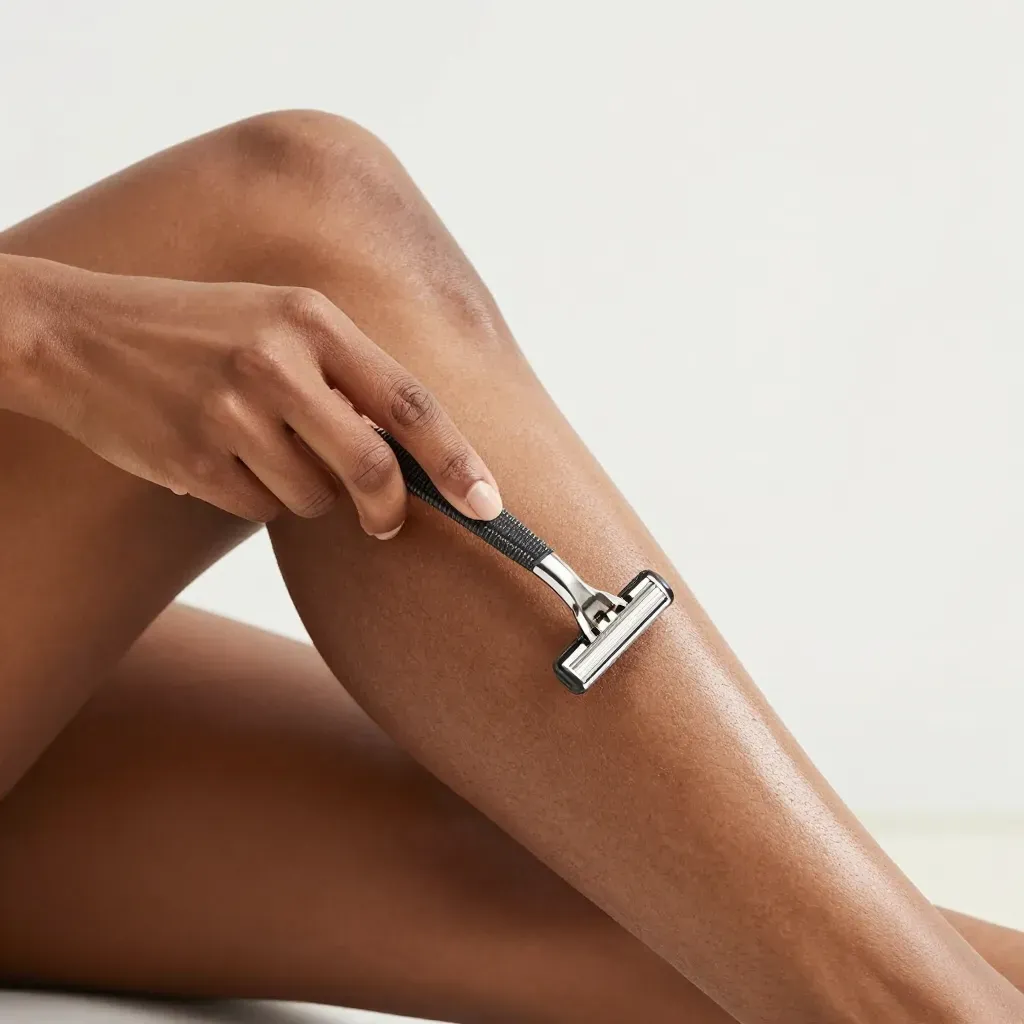
Shave with the direction of hair growth using a sharp, clean razor. Dull blades create angled cuts that curve back into skin upon regrowth. Apply lubricating shaving cream or gel to soften hair before blade contact. Rinse skin thoroughly with cool water post-shave then apply a cool, wet compress for five minutes to close pores and reduce inflammation. Never dry shave or use multi-blade razors that cut hair below skin level.
Exfoliation Protocol
Daily gentle exfoliation prevents dead skin accumulation that clogs follicles and forces horizontal growth. Use chemical exfoliants containing salicylic or glycolic acid to dissolve keratin bonds without abrasion. Physical exfoliants like Korean mitts or soft brushes remove surface debris mechanically. Exfoliate before shaving to release trapped hairs and after 24 hours post-removal to prevent regrowth blockage. Consistency matters more than intensity to maintain clear follicle openings.
Product-Based Prevention
Product Type | Active Ingredient | Function |
|---|---|---|
Chemical exfoliant | Salicylic acid | Unclogs follicles, reduces inflammation |
Antibacterial treatment | Benzoyl peroxide | Prevents infection, reduces swelling |
Hair growth inhibitor | Depilatory enzymes | Dissolves protein structure without cutting |
Moisturizer | Hyaluronic acid/aloe | Maintains skin elasticity, reduces friction |
Lifestyle Modifications
Wear loose-fitting clothing in breathable fabrics like cotton or linen to minimize friction that pushes hair back into skin. Avoid tight underwear or pants in treated areas for 48 hours post-hair removal. Consider professional laser hair removal for permanent reduction in growth density, or explore at-home vs professional options to eliminate the root cause by destroying follicles entirely.