
Table of Contents
Quality ingrown hair removal requires surgical-grade tweezers, extraction needles, and strict sterilization protocols. Safe home extraction demands warm compresses first, pulling hairs with growth direction, and immediate antiseptic application. Top kits like Teenitor serve facial areas while Fur targets bikini lines with specialized handles and soothing formulas. Prevent future ingrowns through Korean exfoliating mitts, salicylic acid treatments, and sharp razor maintenance. Seek dermatologists immediately for infected cysts, spreading redness, fever, or keloid formation. Laser hair removal offers permanent prevention by destroying problematic follicles entirely.
Question | Answer |
|---|---|
What essential tools do I need for ingrown hair removal? | You need surgical-grade tweezers, sterile extraction needles, comedone extractors, alcohol sterilization supplies, and exfoliating mitts. |
How do I safely extract an ingrown hair at home? | Apply a warm compress for 5-10 minutes, sterilize tools with 70% alcohol, then pull hairs gently in their natural growth direction. |
Which kit works best for bikini line ingrown hairs? | Fur SOS kits work best for bikini lines with longer handles and anti-inflammatory serums included. |
How can I prevent ingrown hairs from forming? | Exfoliate 2-3 times weekly with Korean mitts or salicylic acid and replace razors every 5-7 uses. |
When should I see a doctor for an ingrown hair? | Consult a dermatologist immediately if you notice pus drainage, fever, painful cysts lasting over two weeks, or spreading redness. |
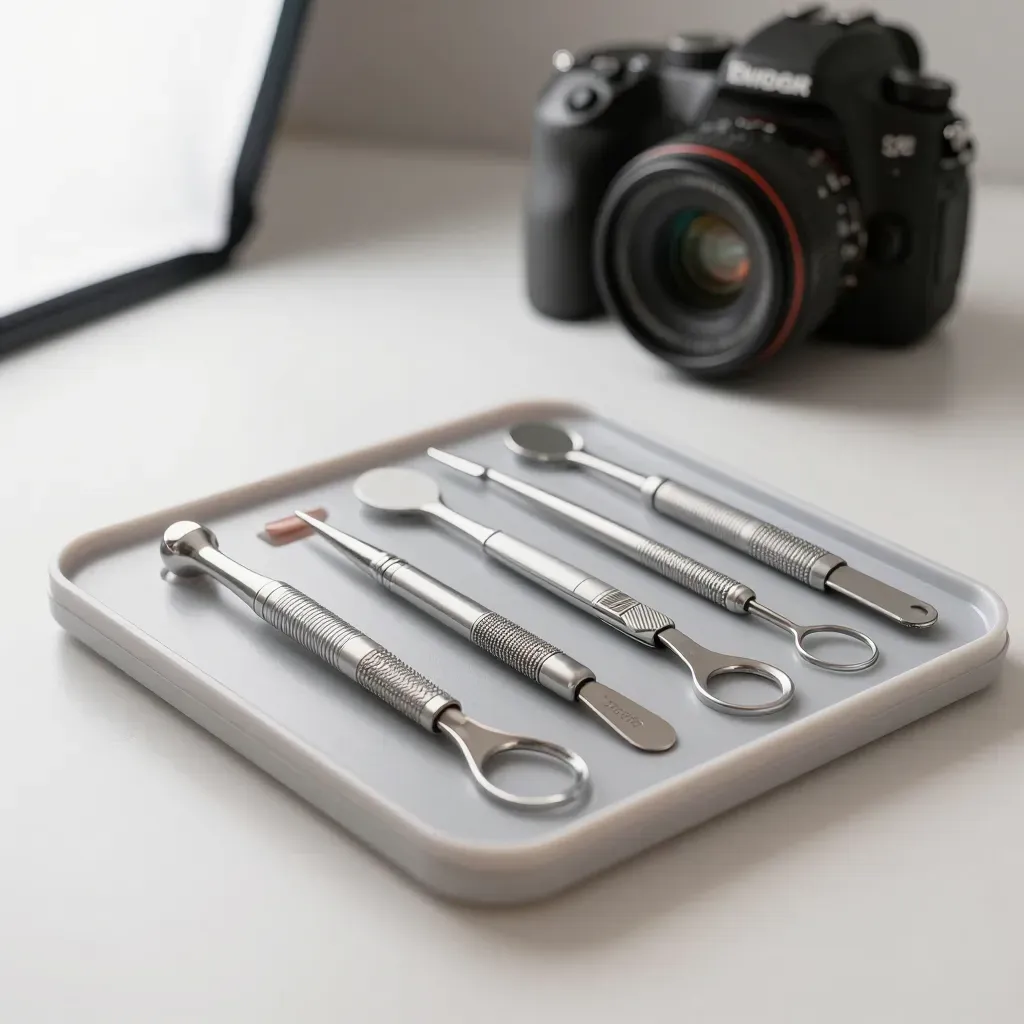
Every quality ingrown hair removal tool kit must include surgical-grade tweezers, extraction needles, and proper sterilization supplies.
Surgical-Grade Tweezers
Your kit needs three tweezer styles. Pointed tweezers extract surface-level ingrowns with surgical precision. Slant tweezers grip visible hairs against the grain. Flat tweezers handle coarse body hair. All require surgical-grade stainless steel construction to maintain sharp edges and resist corrosion during repeated sterilization.
Extraction Needles
Deep ingrowns require specialized needles. These tools lift hair follicles trapped beneath skin layers without creating entry points for bacteria. Sterilized needles pierce the epidermis carefully to free buried hairs. Use them only when warm compresses fail to bring hairs to the surface. Never dig aggressively with needles.
Sterilization Supplies
Infection prevention matters more than extraction technique. Quality kits include alcohol pads, sterilizing cases, or UV light sanitizers. Clean every tool with 70% rubbing alcohol before touching skin. Wipe tools again after use. Store them in dry, sealed containers to prevent bacterial growth between sessions.
Additional Essential Components
Complete kits contain supporting tools beyond metal extractors. Include comedone extractors for applying even pressure around inflamed follicles. Add Korean exfoliating mitts to prevent future blockages by removing dead skin cells. Pack soothing aloe vera gel or tea tree oil to reduce redness post-extraction.
Tool | Function | Material Requirement |
|---|---|---|
Pointed Tweezers | Precision extraction of surface hairs | Surgical stainless steel |
Slant Tweezers | Gripping visible hairs | Stainless steel |
Extraction Needles | Lifting deep trapped follicles | Medical-grade steel |
Comedone Extractors | Even pressure application | Anti-slip stainless steel |
Exfoliating Mitts | Dead skin removal | Textured fabric or silicone |
You can safely extract ingrown hairs at home by using warm compresses first and pulling hairs in their natural growth direction.
Preparation Phase
Apply a warm, damp cloth to the area for 5-10 minutes. Heat softens skin and opens pores. Wash with gentle cleanser. Sterilize all tools with 70% rubbing alcohol before touching skin.
Extraction Technique
Locate the hair loop beneath the surface. Grasp visible hairs with pointed tweezers. Pull gently in the direction of natural growth. Never pull against the grain. For deep ingrowns, use a sterile needle to carefully lift the skin or follicle until the hair tip emerges. Switch to tweezers immediately.
Pressure Application
Apply comedone extractors around the bump for even pressure. Press downward, not inward. Stop immediately if you see blood or feel sharp pain. Never force extraction.
Aftercare Protocol
Apply antiseptic or rubbing alcohol right after. Use aloe vera gel or tea tree oil to calm inflammation. Moisturize daily. Wear loose clothing for 24 hours. Avoid shaving or waxing the area for 3 days.
Do | Don't |
|---|---|
Pull with hair growth direction | Pull against the grain |
Use sterile tools only | Use dirty fingers or tools |
Stop if bleeding occurs | Force deep extractions |
Apply warm compress first | Dig with unsterilized needles |
- Warm compress: 5-10 minutes minimum
- Alcohol sterilization: 30 seconds contact time
- Healing time: 2-3 days for redness to fade
- Avoid hair removal: 72 hours post-extraction
Top-rated kits like Teenitor and Fur offer specialized tools for facial hair, bikini lines, and sensitive skin areas.
Teenitor Facial Precision Kit
The Teenitor Blackhead Remover Tools Pimple Popper Tool Kit consolidates five essential extraction instruments in surgical-grade stainless steel. It includes pointed tweezers for eyebrow shaping, comedone extractors for facial impurity removal, and pore extractors sized for delicate facial skin. The compact design suits beard areas and upper lip regions where precision matters most.
Fur Body Grooming Systems
Fur specializes in bikini line and underarm care. Their kits combine extraction tools with soothing treatment products. The SOS kit targets stubborn ingrowns with anti-inflammatory serums. Their grooming line includes larger-handled extractors for hard-to-reach areas and chemical exfoliants formulated for coarse body hair.
Sensitive Skin Adaptations
Facial kits require smaller, precision tips to avoid scarring. Bikini kits need longer handles for awkward angles. Sensitive skin versions include hypoallergenic materials and extra-soothing aftercare products like Korean aloe gel.
Kit | Best For | Key Tools | Special Features |
|---|---|---|---|
Teenitor | Face, eyebrows, beard | 5 precision extractors | Compact stainless steel |
Fur SOS | Bikini, underarms | Extraction tools + serum | Anti-inflammatory formulas |
Dermatologist Kits | All sensitive areas | Surgical tweezers | Medical-grade sterilization |
- Facial tools: Smaller tips (0.5mm precision)
- Bikini tools: Longer handles (4-5 inches)
- Sensitive skin: Hypoallergenic coatings
- Body kits: Multiple tweezer angles (pointed, slant, flat)
Regular exfoliation and sharp razors prevent most ingrown hairs from forming after hair removal sessions.
Physical Exfoliation Methods
Korean exfoliating mitts remove dead skin cells before they trap emerging hairs. Use circular motions 2-3 times weekly on prone areas. Avoid harsh scrubs that create micro-tears and worsen inflammation. Focus on bikini lines, beard areas, and legs where hair grows coarsest.
Chemical Exfoliation
Salicylic acid dissolves dead skin and penetrates follicles to prevent blockages. Apply 2% BHA solutions daily or immediately after shaving. Glycolic acid pads suit facial areas better than body skin. Chemical methods work deeper than physical scrubs without friction damage.
Proper Shaving Technique
Replace razors every 5-7 uses. Dull blades tug hair and create sharp tips that pierce skin upon regrowth. Shave with hair growth direction using warm water and lubricating gel. Wet skin for 3 minutes before blade contact to soften hair. Never dry shave or stretch skin overstretched.
Prevention Method | Frequency | Target Area |
|---|---|---|
Korean exfoliating mitts | 2-3x weekly | Body, coarse hair |
Salicylic acid 2% | Daily/post-shave | Face, sensitive skin |
Razor replacement | Every 5-7 shaves | All shaving areas |
6-8 sessions | Permanent prevention |
- Exfoliate 24 hours before shaving, never immediately after
- Use sharp single-blade razors for coarse hair to reduce retraction
- Wet skin for 3 minutes before blade contact
- Avoid tight clothing for 24 hours post-hair removal
You should immediately consult a dermatologist if you notice signs of infection or experience painful cysts from deep ingrown hairs.
Infection Warning Signs
Redness spreading beyond the bump edges, warmth radiating from the site, and yellow or green pus discharge indicate bacterial infection. Fever accompanying skin inflammation signals systemic spread. These symptoms require immediate medical intervention. Home extraction with unsterilized tools often triggers these dangerous infections.
Deep Cysts and Keloid Scars
Painful lumps persisting longer than two weeks suggest cyst formation beneath the epidermis. Hard, raised keloid scars from previous ingrowns indicate abnormal collagen production during healing. Both conditions risk permanent skin texture changes and hyperpigmentation without professional treatment. Never attempt to lance cysts at home.
Recurring Patterns and Treatment Options
Ingrowns appearing in identical spots repeatedly signal trapped follicles or structural skin changes. Dermatologists prescribe topical retinoids to normalize cell turnover or corticosteroid injections to reduce inflammation. Laser hair removal offers permanent prevention by destroying follicles entirely. Surgical excision removes persistent cysts.
Symptom | Home Care | Medical Care Needed |
|---|---|---|
Mild redness | Warm compress | No |
Pus or drainage | Never squeeze | Yes - antibiotics |
Painful cyst >14 days | No extraction | Yes - incision |
Fever or spreading redness | None | Yes - emergency |
Keloid formation | Silicone sheets | Yes - steroid shots |
- Book appointment if no improvement after 72 hours of home treatment
- Prescription options: Clindamycin, tretinoin, triamcinolone injections
- Permanent solutions: Laser hair removal eliminates follicles causing repeat ingrowns