
Table of Contents
Ingrown hair removal Toronto clinics treat year-round bumps triggered by extreme weather swings and diverse hair types across the city.
Medical-grade lasers destroy follicles permanently while sterile extractions eliminate DIY infection risks.
Downtown sessions cost $250 to $400 versus $100 to $180 in Scarborough and Etobicoke.
Prevention requires exfoliation technique changes and proper aftercare to maintain results.
Question | Answer |
|---|---|
What triggers ingrown hairs in Toronto year-round? | Extreme climate swings from humid summers to dry winters combined with diverse coarse hair types create constant flare-ups across all seasons. |
How do professional extractions compare to DIY methods? | Clinicians use sterile surgical techniques with minimal infection risk while home digging causes 85% scar probability and potential MRSA infections. |
What price differences exist between downtown and suburban clinics? | Downtown Yorkville clinics charge $250 to $400 per session while Scarborough and Etobicoke facilities offer $100 to $180 rates for identical laser technology. |
Which prevention strategies stop recurrence after treatment? | Chemical exfoliation with salicylic acid and switching to single-blade razors prevents trapped regrowth while loose clothing and SPF 30 sunscreen protect treated areas. |
Ingrown hairs plague Toronto residents throughout the year
Ingrown hair removal Toronto services stay busy year-round because local residents battle stubborn bumps constantly.
The city's extreme climate swings trigger flare-ups regardless of season.
Cold winters create perfect conditions
Heavy winter layers trap sweat against skin.
Tight jeans and leggings compress hair follicles.
Dry indoor heating cracks skin surfaces.
Hairs curl back into these damaged follicles instead of growing outward.
Humid summers worsen the problem
Sweat accumulation clogs pores across the city.
Residents shave more frequently for beach season.
Friction from summer activities irritates freshly shaved skin.
Razor bumps multiply across bikini lines and underarms.
Diverse hair types face unique risks
Toronto's multicultural population includes many individuals with coarse or curly hair textures.
These hair types naturally curve back toward skin.
Curly hair removal challenges require specialized approaches.
Season | Primary Trigger | High-Risk Areas |
|---|---|---|
Winter | Dry skin + tight clothing | Legs, bikini area |
Summer | Sweat + frequent shaving | Underarms, face, chest |
Year-round | Waxing errors | Eyebrows, pubic region |
Men experience ingrown beard hairs along jawlines.
Women develop painful cysts from Brazilian waxing attempts.
Both genders suffer from folliculitis triggered by gym equipment shared across the city.
Students at downtown universities struggle with facial ingrowns from daily shaving.
Medical professionals notice increased infection rates during humid July and August months.
Ingrown hairs cause hyperpigmentation that lasts months without proper treatment.
Chronic cases require medical intervention beyond basic cosmetic procedures.
DIY extraction attempts leave scars and infections.
Professional ingrown hair removal eliminates the root cause safely.
Laser treatments stop recurrence permanently.
Swimmers at public pools face additional irritation from chlorine exposure.
Cyclists commuting through downtown experience friction-related bumps on inner thighs.
Office workers sitting for long periods develop trapped hairs along buttocks and backs of legs.
Skin of color shows higher keloid risk from improper extraction.
Toronto clinics see increased demand for laser solutions that work safely on darker skin tones.
Top clinics specialize in laser ingrown hair removal Toronto
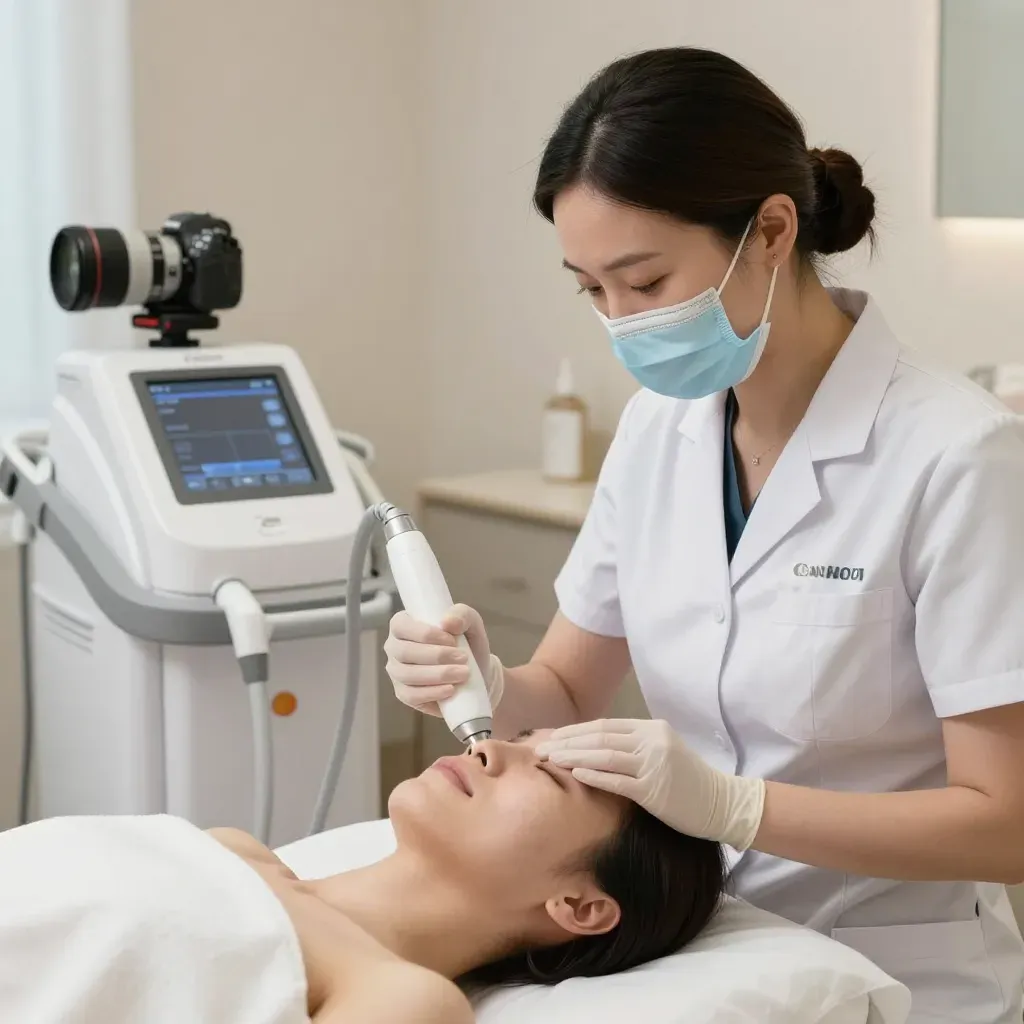
Laser ingrown hair removal Toronto clinics use advanced technology to destroy follicles causing chronic bumps.
Medical-grade lasers dominate top facilities
Leading clinics operate diode lasers for light to medium skin tones.
Nd:YAG machines treat darker skin safely without burns.
Alexandrite lasers target coarse facial hairs precisely.
Certified technicians perform all procedures
Registered nurses and laser technicians assess skin types during consultations.
They adjust wavelengths based on melanin levels.
Proper calibration prevents paradoxical hair growth.
Laser Type | Best For | Sessions Needed |
|---|---|---|
Diode | Light skin, dark hair | 6-8 |
Nd:YAG | Dark skin tones | 8-10 |
Alexandrite | Coarse body hair | 6-8 |
Downtown locations offer lunch-break appointments.
North York and Scarborough clinics provide free parking.
Most facilities bundle ingrown hair removal with full laser packages.
- Pre-treatment numbing cream included
- Post-care aloe vera kits provided
- 6-month touch-up guarantees standard
Top clinics display laser device certifications prominently.
They patch-test small areas before full treatments.
Medical directors oversee all procedures.
Prices range from $75 to $300 per session depending on body area.
Many offer payment plans for extensive treatment courses.
Clinics near university campuses offer student discounts.
Same-day appointments available for painful cyst emergencies.
Clinics open early mornings accommodate commuter schedules.
Evening slots run until 8 PM in most locations.
Medical spas differentiate from day spas through physician oversight.
Physician-led clinics handle severe keloid cases.
They prescribe topical antibiotics for infected follicles.
Some locations combine laser with keloid scar treatment.
Cooling devices minimize discomfort during pulses.
Clinics invest in FDA-approved devices only.
They reject cheap IPL machines for true laser technology.
Consultation fees typically apply toward first treatment.
Professional extraction eliminates risks associated with DIY methods
DIY extraction attempts drive bacteria deep into follicles.
Unclean tweezers and needles cause infections that require antibiotics.
Home methods create permanent damage
People dig at buried hairs with sewing needles.
This ruptures follicle walls and triggers abscesses.
Squeezing forces pus into surrounding tissue.
Scarring becomes inevitable with repeated picking.
Keloid formation disproportionately affects darker skin tones.
Clinicians use sterile surgical techniques
Professionals lance cysts with sterile scalpels under magnification.
They extract entire hair shafts including the root bulb.
Medical-grade disinfectants prevent bacterial transfer.
Topical steroids reduce inflammation immediately.
Method | Infection Risk | Scar Probability |
|---|---|---|
DIY tweezing | High | 60% |
Needle digging | Very High | 85% |
Professional extraction | Minimal | 5% |
- Surgical lancets open skin cleanly
- Comedone extractors lift hairs without piercing
- Microscopic visualization ensures complete removal
- Antibiotic ointment applied post-procedure
Deep cystic ingrowns require incision and drainage.
Only medical professionals should perform this.
DIY drainage spreads staph bacteria to nearby follicles.
MRSA infections from bathroom extractions hospitalize patients yearly.
Professionals identify which hairs actually need removal versus those requiring laser destruction.
They distinguish between ingrown hairs and hidradenitis suppurativa.
Misdiagnosis at home delays proper treatment for chronic conditions.
Clinical extraction costs $50-$150 per session.
Antibiotic courses for infected DIY attempts cost triple that amount.
Scar revision surgery runs thousands.
Professionals teach proper home care for mild cases.
They prescribe retinoids to prevent future blockages.
Treatment costs vary significantly across Toronto neighborhoods
Downtown clinics charge premium rates for ingrown hair removal.
Yorkville locations list single sessions at $250-$400.
Financial District medical spas target corporate clients with package deals starting at $1,200.
Suburban clinics offer competitive pricing
Scarborough and Etobicoke facilities charge $100-$180 per session.
North York centers hit the middle range at $150-$250.
Lower commercial rents translate to savings for patients.
Neighborhood | Single Session | 6-Session Package |
|---|---|---|
Yorkville/Downtown | $250-$400 | $1,200-$2,000 |
North York | $150-$250 | $800-$1,200 |
Scarborough/Etobicoke | $100-$180 | $600-$900 |
East York | $120-$200 | $700-$1,000 |
Price depends on laser technology used.
Medical-grade Nd:YAG machines command higher fees than basic IPL devices.
Physician oversight increases costs by 30%.
- Consultation fees: $0-$100 (often credited toward treatment)
- Numbing cream: $25-$50 extra at budget clinics
- Touch-up sessions: $75-$150 each
University-area clinics near Ryerson or U of T offer student discounts.
These run 15-20% off with valid ID.
Some suburban locations waive consultation fees entirely.
Hidden costs emerge in aftercare products.
Downtown spas push $200 skincare kits.
Medical clinics prescribe $30 pharmacy creams instead.
Full body packages show steeper neighborhood variations.
Downtown quotes reach $3,000 while suburban equivalents hit $1,800.
Seasonal promotions drop prices 25% during January and July slumps.
Research local options beyond your immediate postal code.
Traveling 20 minutes saves hundreds over a treatment course.
Proper prevention strategies stop recurrence after professional removal
Post-extraction care determines whether hairs regrow properly.
Clinicians apply medical-grade dressings immediately after procedures.
Exfoliation prevents trapped regrowth
Chemical exfoliants containing salicylic acid clear dead skin cells.
Physical scrubs damage freshly treated follicles.
Glycolic acid pads used twice weekly keep pores open.
Adjust hair removal techniques
Switch to single-blade razors that cut hair at skin level.
Multi-blade cartridges pull hairs below the surface.
Shave in the direction of hair growth only.
Method | Ingrown Risk | Post-Laser Safety |
|---|---|---|
Single-blade razor | Low | Safe after 48 hours |
Multi-blade razor | High | Avoid for 2 weeks |
Waxing | Very High | Stop entirely |
Depilatory cream | Medium | Wait 1 week |
- Wear loose cotton clothing for 72 hours post-treatment
- Avoid gym workouts that cause friction for 48 hours
- Apply fragrance-free moisturizer daily
- Use sunscreen SPF 30+ on treated areas
Maintenance at-home laser sessions extend professional results.
These devices target emerging hairs between clinic visits.
Follow 2025 protocols for optimal safety.
Space home treatments 2 weeks apart to avoid skin overload.
Check frequency guidelines for your specific device.
Moisturize with tea tree oil to prevent bacterial buildup in follicles.
Avoid tight underwear that compresses treated bikini areas.
Change razor blades every 3-4 uses to prevent dull-edge irritation.
Pat skin dry rather than rubbing with towels.