
Table of Contents
Ingrown hairs form when hair grows sideways or curls back into skin.
Dead skin blocks follicles and traps hair beneath the surface.
Shaving pulls hair below skin level and leaves sharp tips.
Curly hair types naturally curl into skin.
Treat at home using a 10-minute warm compress to soften skin.
Exfoliate with salicylic acid to remove dead cells blocking the follicle.
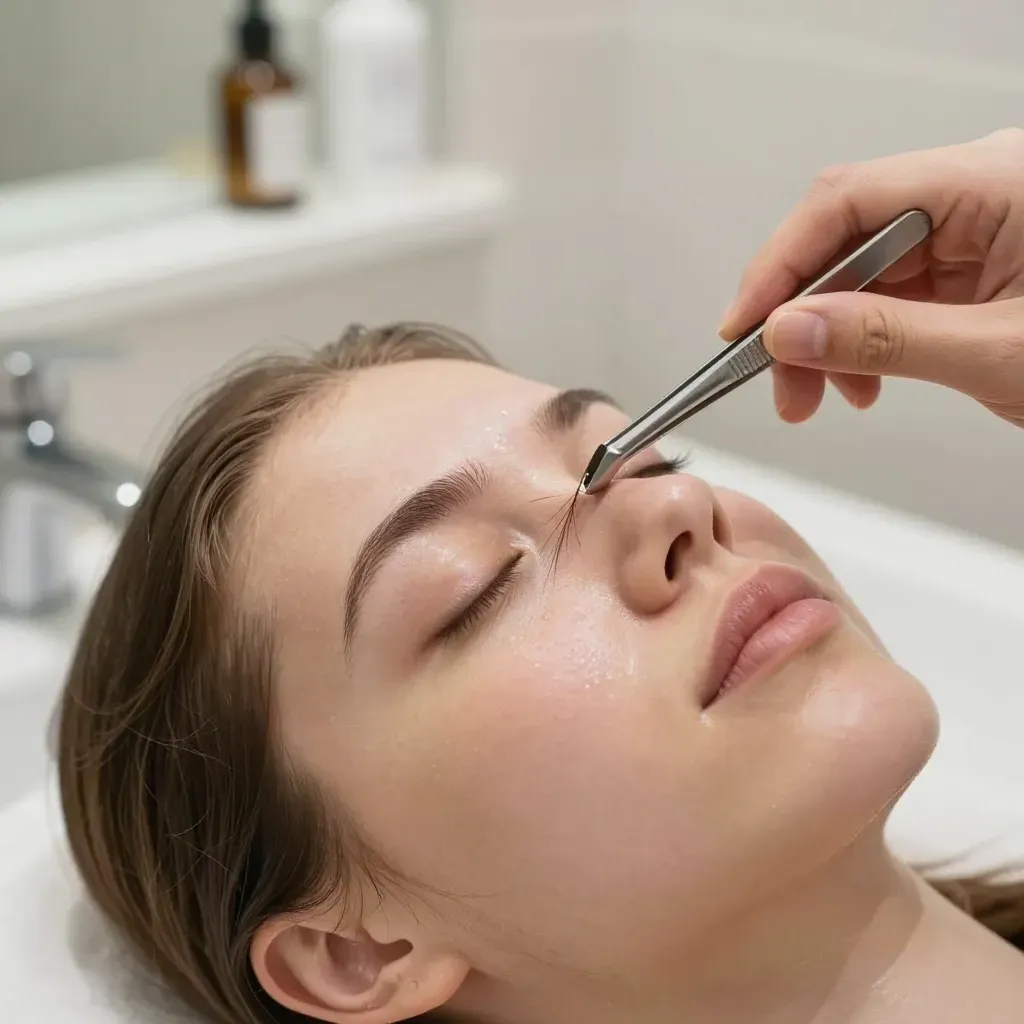
Extract only when the hair loop breaks through using sterilized tweezers.
Pull gently with the grain and stop if you feel resistance.
See a doctor when redness spreads or yellow pus drains.
Doctors use sterile needles to lift the entire hair shaft.
Antibiotics treat infections while corticosteroid injections reduce inflammation.
Prevent ingrowns by soaking skin 3 minutes before shaving.
Use sharp razors and shave with the grain using light pressure.
Exfoliate regularly with salicylic or glycolic acid.
Wear loose cotton clothing to reduce friction.
Laser hair removal destroys follicles permanently after 6-8 sessions.
Effective products include 2% salicylic acid, tea tree oil, and hydrocolloid patches.
Question | Answer |
|---|---|
What causes ingrown hairs? | Hair grows sideways or curls back when dead skin blocks the follicle or shaving leaves sharp tips. |
How do I remove an ingrown hair at home? | Warm the area 10 minutes then extract with sterilized tweezers only when the hair loop is visible. |
When should I see a doctor? | Seek care when redness spreads, yellow pus drains, or pain worsens after 3 days. |
How do I prevent ingrown hairs? | Shave with the grain using sharp blades after soaking skin and exfoliate regularly with acids. |
What products work best? | Use 2% salicylic acid exfoliants, tea tree oil serums, and hydrocolloid patches on active bumps. |
What causes ingrown hairs to form and become painful
Ingrown hair removal treatment works better when you know the cause. Hair grows sideways or curls back into the skin instead of rising above the surface. Dead skin cells block the follicle opening and trap the hair beneath.
Common triggers
- Shaving pulls hair beneath skin level and leaves sharp tips
- Waxing breaks hair shafts unevenly
- Tight clothing rubs hair back into follicles
- Curly or coarse hair types curl naturally into skin
- Clogged pores from oil or dead skin block exits
Why pain develops
Skin treats trapped hair as a foreign invader. White blood cells attack the area. Swelling and redness follow. Bacteria enter through broken skin and create painful pus-filled bumps. Pubic areas face higher infection risk due to heat moisture and friction.
Risk factor | Mechanism |
|---|---|
Curly hair | Natural curl pattern drives hair into surrounding skin |
Thick hair | Strong shafts pierce follicle walls easier |
Oily skin | Excess sebum blocks follicle exits completely |
Dull razors | Torn hair creates sharp angled tips |
Dry shaving | Increases friction and skin irritation |
Deep trapped hairs form cysts. Laser hair removal prevents recurrence by destroying follicles. Professionals extract infected hairs without spreading bacteria.
Safe home removal techniques for mild ingrown hairs
Soften the area first
Apply a warm compress for 10 minutes.
Heat opens pores and softens skin.
Repeat twice daily until hair surfaces.
Pat dry completely before attempting extraction.
Soft skin prevents tearing during removal.
Exfoliate to release trapped hair
Use a soft washcloth or chemical exfoliant with salicylic acid.
Scrub in circular motions for 60 seconds.
This removes dead skin blocking the follicle.
Stop immediately if skin breaks or bleeds.
Exfoliation works best after warming the skin.
Extract only when hair is visible
Sterilize tweezers with rubbing alcohol.
Wait until the hair loop breaks through skin completely.
Pull gently in the direction of growth.
Never dig under skin with needles or pins.
Stop if you feel resistance or pain.
If the hair does not lift easily, wait another day.
Aftercare protocol
Apply a thin layer of antibiotic ointment.
Cover with a breathable bandage.
Avoid shaving the area for 3 days minimum.
Wear loose clothing to prevent friction.
Monitor for signs of infection like increasing redness.
Safe practice | Dangerous mistake |
|---|---|
Sterilize tweezers with alcohol | Digging with dirty needles |
Wait for hair to surface | Squeezing buried bumps |
Pull in growth direction | Plucking against the grain |
Stop at any bleeding | Continuing through pain |
Apply antibiotic ointment | Using harsh astringents |
Professional treatment options for infected or cystic ingrown hairs
When home treatment fails
See a dermatologist when redness spreads beyond the bump, yellow pus drains, or pain worsens after 3 days of home care.
Large cysts deeper than surface level require professional drainage to prevent permanent scarring and keloid formation.
Board-certified dermatologists handle deep embedded hairs without spreading infection to surrounding tissue.
Clinical extraction methods
Doctors use sterile 18-gauge needles or surgical blades to create precise 2-3mm incisions.
They lift the entire hair shaft including the bulb using sterile forceps.
Local anesthesia eliminates pain during the 15-minute procedure.
Sutures close larger incisions and dissolve within 7 days.
Medical interventions for infection
Oral antibiotics like doxycycline treat cellulitis spreading across skin surfaces.
Corticosteroid injections reduce severe inflammation within 24 hours.
For recurring cystic formations, doctors perform incision and drainage under sterile conditions.
Treatment type | Recovery time | Best for |
|---|---|---|
Sterile extraction | 2-3 days | Visible trapped hairs |
Incision and drainage | 1-2 weeks | Pus-filled cysts |
Corticosteroid injection | 24-48 hours | Severe inflammation |
Oral antibiotics | 7-10 days | Spreading infection |
Laser hair removal | None | Chronic recurrence |
Permanent prevention
Laser hair removal destroys follicles to stop growth completely.
This eliminates the source of chronic ingrown hairs in coarse hair types.
Most patients require 6-8 sessions spaced 4-6 weeks apart for permanent reduction.
Prevention habits that stop ingrown hairs before they start
Optimize your shaving technique
Soak skin in warm water for 3 minutes before shaving to soften hair shafts.
Apply shaving cream with glycerin or aloe base to reduce blade drag.
Shave in the direction of hair growth using single strokes.
Rinse the razor after every stroke to prevent clogging.
Replace blades every 5-7 shaves to maintain clean cuts.
Do this | Avoid this |
|---|---|
Sharp single-blade razors | Multi-blade cartridges that pull hair |
Light pressure | Pressing hard to get closer shave |
Short strokes | Long dragging motions |
Shave with grain | Against-the-grain passes |
Exfoliate regularly
Use salicylic acid or glycolic acid cleansers 3 times weekly.
Mechanical exfoliation with soft brushes removes dead skin before it blocks follicles.
Focus on high-friction areas like bikini line and beard zone.
Reduce friction damage
Wear loose cotton underwear instead of tight synthetic fabrics.
Change out of sweaty gym clothes within 30 minutes.
Avoid repeated rubbing from backpacks or tight waistbands on shaved areas.
Switch removal methods
Waxing removes hair from the root but requires 4-6 weeks of growth between sessions.
Depilatory creams dissolve hair below skin surface without sharp tips.
Professional laser treatments permanently reduce hair density and eliminate the source of chronic ingrowns.
Brazilian laser sessions work effectively for coarse hair types prone to curling back into skin.
Best products to treat and prevent ingrown hairs at home
Effective ingrown hair removal treatment starts with the right topical products. Chemical exfoliants dissolve dead skin that traps hairs beneath the surface.
Exfoliating acids
Salicylic acid (BHA) penetrates oil-filled follicles and breaks down keratin plugs. Use 2% concentration daily on prone areas. Glycolic acid (AHA) speeds cell turnover and prevents buildup. Lactic acid offers gentler exfoliation for sensitive skin types. Apply acids 12 hours after shaving to avoid irritation.
Physical exfoliation tools
Soft-bristle body brushes remove dead cells without micro-tears. Konjac sponges provide gentle daily scrubbing. Avoid harsh scrubs with walnut shells or salt crystals that create entry points for bacteria.
Targeted treatment products
Ingrown hair serums combine tea tree oil with willow bark extract to reduce inflammation. Hydrocolloid patches draw out pus and protect healing bumps from friction. Roll-on treatments with witch hazel calm redness immediately after hair removal.
Product type | Active ingredient | When to apply |
|---|---|---|
Chemical exfoliant | Salicylic acid 2% | Evening, post-shower |
Spot treatment | Tea tree oil | On active bumps |
Pre-shave oil | Jojoba oil | Before blade contact |
Soothing gel | Aloe vera | Immediately after removal |
Prevention devices
Electric exfoliating devices with sonic vibration clear follicle openings efficiently. At-home IPL devices reduce hair growth permanently after 8-12 sessions. Combination therapy using acids plus light-based removal stops recurrence.