
Table of Contents
Ingrown hairs occur when hair grows back into the skin instead of rising out of the follicle, creating red bumps that may become infected.
Hair removal methods, dead skin buildup, curly hair texture, and tight clothing cause most cases.
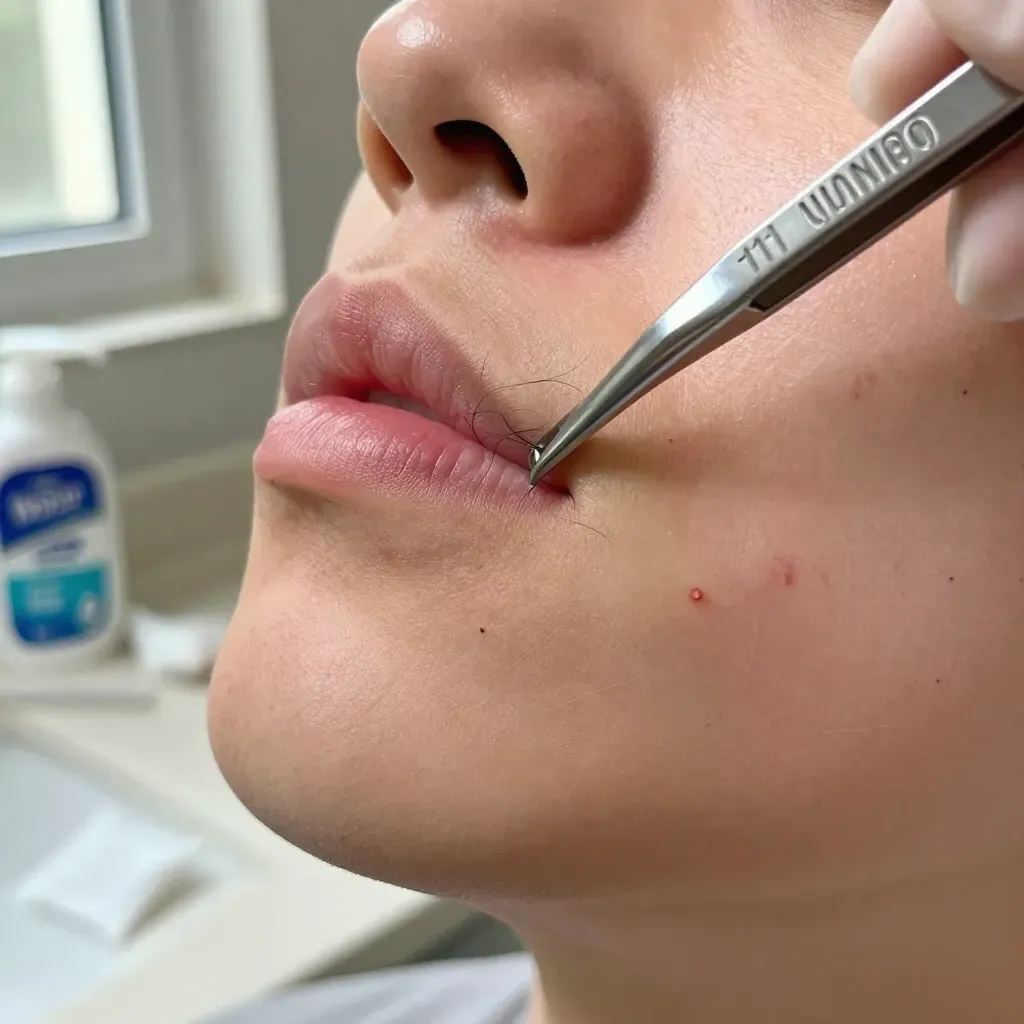
Sharp pointed tweezers work best for extraction because ultra-fine tips precisely lift trapped hairs without damaging surrounding skin.
Safe removal requires cleansing the area, applying warm compresses, exfoliating gently, and using sterilized tweezers to tease the hair out from the side.
You can either pluck the hair completely or simply release it from under the skin to allow natural growth.
Aftercare includes cleaning twice daily, moisturizing with aloe vera, wearing loose breathable fabrics, and monitoring for infection signs like spreading redness or pus.
Prevent future occurrences by exfoliating 2-3 times weekly, shaving with the grain using sharp blades, and considering professional laser hair removal for persistent cases.
Question | Answer |
|---|---|
What causes ingrown hairs? | Hair removal methods, dead skin buildup, curly hair texture, and tight clothing trap hair beneath the skin surface. |
Why use pointed tweezers for extraction? | Sharp tapered tips precisely break the skin surface and grip fine hairs without digging into surrounding tissue. |
How do you safely remove an ingrown hair? | Cleanse the area, apply warm compresses, exfoliate gently, then use sterilized pointed tweezers to tease the hair out from the side. |
Should you pluck or just release an ingrown hair? | Plucking removes the hair completely while releasing simply frees it from under the skin without full removal. |
How do you prevent ingrown hairs long-term? | Exfoliate regularly, shave properly with the grain, wear loose clothing, or consider professional laser hair removal for permanent results. |
What Are Ingrown Hairs and What Causes Them
What Is an Ingrown Hair
An ingrown hair occurs when hair grows back into the skin and becomes trapped beneath it instead of rising out of the follicle. This results in small red bumps that may feel sore or itchy and sometimes look like pimples. While usually harmless, they can become inflamed or infected if not treated properly. You might see a visible hair loop trapped under the skin or experience a burning sensation.
Common Causes
Cause | Effect |
|---|---|
Hair Removal | Shaving, waxing, and plucking leave sharp tips that re-enter skin |
Dead Skin | Cells and debris clog follicles blocking hair growth |
Curly Hair | Natural curl causes hair to loop back into skin |
Tight Clothing | Irritates skin and encourages sideways hair growth |
Improper Shaving | Pulling skin tight or shaving too close increases risk |
No Exfoliation | Dead cells accumulate and trap hairs beneath surface |
Symptoms to Watch For
- Small swollen bumps resembling pimples
- Pus-filled bumps from infection
- Hyperpigmentation from inflammation
- Burning or stinging sensation
- Visible hair loop under skin surface
- Tenderness when touched
Common Locations
- Face and Neck: Beard areas including neck, jawline, and cheeks
- Armpits: Sensitive area prone to irritation from shaving or waxing
- Pubic Area: Affected by shaving, waxing, or tight clothing
- Legs: Common in women who shave or wax
- Buttocks: Areas with friction from tight clothing
- Thighs: Inner thighs with friction, especially with coarse hair
Choosing the Right Pointed Tweezers for Extraction
Why Pointed Tweezers Work Best
Pointed tweezers feature ultra-sharp, tapered tips designed to gently break the skin surface and lift trapped hairs from beneath. Unlike slant tweezers which work well for general hair removal, pointed tips provide the precision needed for deep or embedded ingrown hairs. The fine points allow you to approach the hair from the side and tease it out without digging into surrounding skin.
Key Features to Look For
Feature | Importance |
|---|---|
Sharp Pointed Tips | Essential for piercing skin surface and gripping fine hairs |
Precision Alignment | Ensures tips meet exactly to grip hair without slipping |
Stainless Steel Construction | Resists rust and allows proper sterilization |
Ergonomic Grip | Reduces hand fatigue during precise extraction |
Non-Slip Finish | Provides control when handling delicate areas |
Material and Construction
Surgical-grade stainless steel offers durability and corrosion resistance. Quality tweezers maintain their alignment after repeated use and sterilization. Avoid painted or coated tips that may chip and introduce debris into open skin. Hand-filed tips typically offer superior precision compared to machine-cut alternatives.
Sterilization Requirements
Choose tweezers that can withstand frequent disinfection. Before each use, clean tips with rubbing alcohol or antiseptic solution. After extraction, re-sterilize immediately to prevent bacterial transfer. Never share tweezers between people. Store in a clean, dry case to maintain tip alignment and hygiene.
Step-by-Step Process for Safe Ingrown Hair Removal
Preparation Steps
- Cleanse: Wash the area with warm water and gentle cleanser to remove dirt and reduce infection risk
- Warm Compress: Place a warm, damp cloth on the affected area for 5-10 minutes to soften skin and open pores
- Exfoliate: Gently rub a soft washcloth or mild scrub in circular motions to remove dead skin cells blocking the hair
- Sterilize: Disinfect pointed tweezers with rubbing alcohol or antiseptic before use
Extraction Technique
Step | Action | Caution |
|---|---|---|
1. Access | Use tweezers' pointed tips to gently break skin surface if needed | Never dig deep into skin |
2. Lift | Approach hair from the side and tease it out from under skin | Work gently to avoid trauma |
3. Grip | Clamp tweezers on exposed hair shaft, not the skin | Ensure firm but gentle grip |
4. Remove | Pull in direction of hair growth | Avoid jerking motions |
Two Removal Options
Plucking: Completely remove the hair for smoother appearance. Risk includes potential irritation or hair regrowing ingrown again.
Releasing: Simply free the hair from under skin without full removal. Less traumatic, allows natural growth, but hair remains visible.
Immediate Aftercare
- Re-cleanse the area with warm, soapy water
- Pat dry with clean towel
- Apply aloe vera or soothing lotion to calm skin
- Re-sterilize tweezers before storing
Aftercare Tips to Prevent Infection and Scarring
Immediate Aftercare (First 24-48 Hours)
- Cleanse: Wash the area twice daily with mild soap and warm water
- Moisturize: Apply aloe vera or fragrance-free lotion to reduce inflammation
- Protect: Keep the area dry and avoid touching with unwashed hands
- Clothing: Wear loose, breathable fabrics to prevent friction
Infection Prevention Protocol
Sign | Action |
|---|---|
Redness persists | Apply over-the-counter antibiotic ointment |
Slight swelling | Use warm compresses 3-4 times daily |
Pus formation | Do not squeeze; seek medical attention |
Increasing pain | Stop all manipulation immediately |
Scar Prevention Strategies
Continue gentle exfoliation every 2-3 days to prevent hair from re-embedding during healing. Avoid picking at scabs or digging at the area again. Once healed, apply vitamin E oil or silicone gel to minimize discoloration. Darker skin tones may experience hyperpigmentation; use SPF 30+ on exposed areas to prevent darkening.
Tool Maintenance
Re-sterilize tweezers with alcohol after each use. Store in a clean case to prevent bacterial contamination. Never share extraction tools between people to avoid cross-contamination.
Prevention Strategies to Avoid Future Ingrown Hairs
Exfoliation Routine
Remove dead skin cells 2-3 times weekly using chemical exfoliants containing salicylic acid or glycolic acid, or gentle physical scrubs with soft brushes. This prevents follicle blockage that traps hairs beneath the surface. Focus on areas prone to ingrown hairs such as beard area, bikini line, and underarms. Consistent exfoliation keeps follicles open and allows hair to grow outward naturally rather than curling back into skin.
Proper Shaving Technique
Do | Avoid |
|---|---|
Shave in direction of hair growth | Pulling skin taut while shaving |
Use clean, sharp razor blades | Going over same area repeatedly |
Apply warm compress before shaving | Dry shaving without lubrication |
Use shaving cream or gel | Shaving too closely against skin |
Rinse blade after every stroke | Using dull or rusty blades |
Clothing and Skin Care
- Wear loose, breathable fabrics like cotton to reduce friction on hair follicles
- Moisturize daily with non-comedogenic lotions to maintain skin elasticity and reduce buildup
- Avoid tight underwear, leggings, or pants in areas prone to ingrown hairs
- Disinfect all hair removal tools including tweezers and razors before and after each use
- Change out of sweaty clothes immediately after workouts
Long-Term Solutions
For persistent issues, consider professional laser hair removal which destroys follicles and eliminates hair growth permanently. Depilatory creams dissolve hair below skin surface without cutting sharp tips that re-enter skin. At-home laser devices offer intermediate solutions for maintenance between professional treatments. Electrolysis provides permanent removal for individual problem hairs resistant to other methods.