
Table of Contents
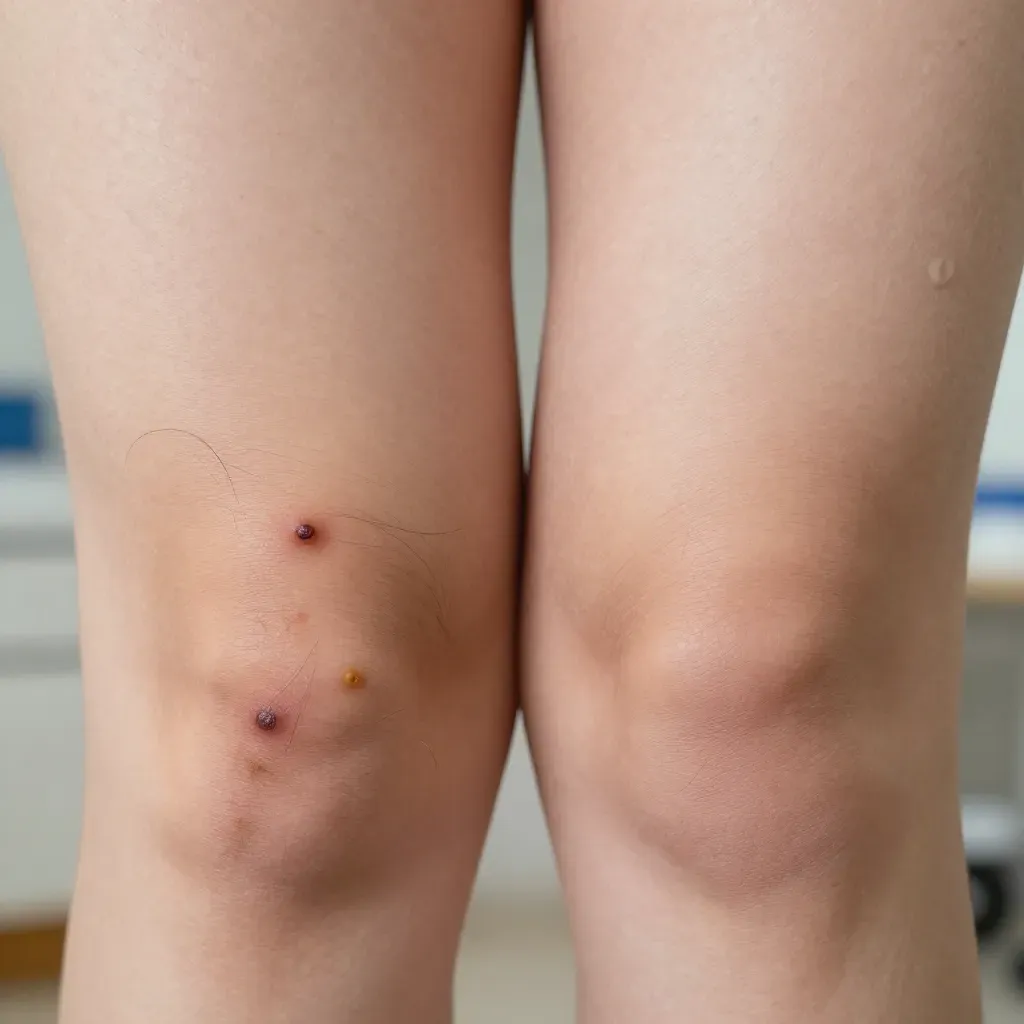
Ingrown hair scars form when inflammation creates dark spots or picking damages tissue into keloids and pits.
Topical retinoids and acids fade mild hyperpigmentation gradually over three to six months.
Deep scars require fractional laser resurfacing or microneedling for permanent removal.
Proper shaving with single-blade razors or laser hair removal prevents new ingrowns and future scarring.
Consult dermatologists immediately for infected cysts with pus or expanding keloid tissue.
Question | Answer |
|---|---|
What causes ingrown hair scars? | Inflammation triggers dark spots and picking causes raised keloids or pitted scars. |
How do you treat mild scars at home? | Apply topical retinoids or acids consistently for three to six months. |
What removes deep scars permanently? | Fractional laser resurfacing and microneedling rebuild collagen and smooth skin texture. |
How do you prevent future scarring? | Shave with the grain using single-blade razors or undergo laser hair removal. |
When should you see a doctor? | Seek immediate care for pus, fever, or keloids expanding beyond original wound boundaries. |
Ingrown hair scars form when inflammation and picking damage skin tissue.
How inflammation creates dark marks
When a hair grows sideways into the skin, your body treats it as a foreign invader. White blood cells rush to the follicle, triggering inflammation. This response stimulates melanin production, leaving behind post-inflammatory hyperpigmentation (PIH). Dark brown or purple spots appear most commonly on the beard area, bikini line, and legs where hair is coarse and curly.
The damage caused by picking
Squeezing or digging at an ingrown hair breaks the skin barrier. Bacteria enter the wound, causing infection and deeper tissue damage. Your body produces excess collagen to repair the injury, resulting in raised keloid scars or pitted indentations. Picking also spreads bacteria to nearby follicles, creating a cycle of new ingrowns and additional scarring.
Scar Type | Appearance | Formation |
|---|---|---|
Hyperpigmentation | Flat brown/purple spots | Inflammation triggers melanin overproduction |
Keloid scars | Raised, firm bumps | Excess collagen during healing phase |
Pitted scars | Small indentations | Tissue destruction from infection or picking |
When ingrown hairs become cysts
Fluid trapped by the ingrown hair forms a cyst beneath the skin surface. These painful lumps stretch the follicle wall. Attempting to pop them forces bacteria deeper, destroying surrounding tissue and increasing scar risk significantly.
- Curly or coarse hair textures face higher scarring risk
- Tight clothing friction worsens inflammation on treated areas
- Repeated shaving over existing scars compounds tissue damage
Topical retinoids and acids fade mild hyperpigmentation gradually.
Retinoids rebuild skin texture
Tretinoin and adapalene accelerate epidermal turnover, pushing pigmented cells to the surface faster. They stimulate collagen production beneath scarred areas, smoothing pitted texture over 3-6 months. Start with 0.025% strength twice weekly to avoid irritation.
Acids dissolve pigmented layers
Salicylic acid penetrates oil-filled follicles, clearing trapped debris while fading dark marks. Glycolic acid breaks the bonds between dead skin cells, revealing fresh tissue underneath. Azelaic acid targets melanin production directly, making it ideal for darker skin tones prone to hyperpigmentation.
Ingredient | Strength | Frequency | Timeline |
|---|---|---|---|
Tretinoin | 0.025-0.1% | 3x weekly | 3-6 months |
Salicylic acid | 2% | Daily | 4-8 weeks |
Glycolic acid | 8-10% | 2-3x weekly | 6-12 weeks |
Azelaic acid | 15-20% | Twice daily | 8-12 weeks |
Combination strategy
Alternate acids in the morning and retinoids at night to prevent overwhelming the skin barrier. Always apply SPF 30+ daily; exfoliated skin burns easily, worsening pigmentation.
- Patch test new acids on inner arm for 24 hours
- Stop picking active ingrowns before starting treatment
- Moisturize with ceramides to prevent dryness-induced inflammation
- Avoid layering multiple acids simultaneously
Laser treatments and microneedling remove deep scars permanently.
Fractional laser resurfacing
CO2 and Erbium lasers vaporize damaged epidermis, triggering complete skin regeneration. These devices penetrate 1.5mm deep, breaking up scar tissue and stimulating fresh collagen. Keloid and pitted scars respond best to this approach. Expect 5-7 days of redness and peeling per session.
Laser hair removal prevents recurrence
Targeting the root cause stops the cycle. Laser hair removal destroys follicles, eliminating future ingrowns that would create new scars. Best for chronic sufferers with coarse, curly hair. Requires 6-8 sessions spaced 4-6 weeks apart.
Microneedling rebuilds collagen
Devices create controlled micro-injuries using fine needles, prompting natural healing without heat damage. RF microneedling combines radiofrequency for deeper scar remodeling. Safer for darker skin tones than aggressive lasers. Plan 3-6 sessions monthly.
Method | Best For | Sessions | Downtime |
|---|---|---|---|
Fractional CO2 | Deep pitted scars | 1-3 | 7-10 days |
Non-ablative laser | Moderate texture issues | 3-5 | 2-3 days |
RF Microneedling | Keloids, all skin types | 3-6 | 24-48 hours |
Hair removal laser | Prevention | 6-8 | Minimal |
- Avoid sun exposure 2 weeks pre and post treatment
- Topical numbing cream applied 30 minutes prior
- Scabs must heal naturally; picking causes worse scarring
- Results permanent but new scars form if shaving continues
Proper shaving techniques prevent new ingrown hairs and scars.
Prep the skin surface
Exfoliate with a gentle scrub or chemical exfoliant 24 hours before shaving. This removes dead skin cells that trap emerging hairs. Hydrate hair follicles with warm water for 3 minutes to soften coarse strands and reduce tugging.
Shave with the grain
Always move the razor in the direction of hair growth. Against-the-grain shaving cuts hair below skin level, forcing it to grow sideways into tissue. Use short, light strokes without pressing down. Rinse blades after every pass to prevent bacterial transfer.
Tool selection matters
Single-blade safety razors cut hair at skin level without pulling. Multi-blade cartridges lift and cut below the surface, increasing ingrown risk. Replace disposable razors after 5-7 uses; dull blades tear hair shafts and irritate follicles.
Method | Ingrown Risk | Scar Potential |
|---|---|---|
Single-blade razor | Low | Low |
Multi-blade cartridge | High | Moderate |
Electric foil shaver | Moderate | Low |
Depilatory cream | Moderate | Low (chemical burn risk) |
Post-shave protocol
Rinse with cool water to close pores. Apply alcohol-free witch hazel or salicylic acid toner to prevent bacterial buildup. Moisturize with fragrance-free lotion to maintain skin barrier integrity. Avoid tight clothing for 24 hours; friction pushes new growth back into follicles.
- Change blades weekly if shaving daily
- Never dry shave; always use lubricating gel
- Store razors outside shower to prevent rust and bacteria
- Consider laser hair removal for permanent prevention
Consult a dermatologist for infected or keloid scar tissue.
Recognize infection immediately
Pus, fever, or rapidly expanding redness signals bacterial infection requiring prescription antibiotics. Warm skin around the cyst and severe pain indicate abscess formation needing professional drainage. Attempting to lance cysts at home drives bacteria deeper, creating worse scars and potential sepsis.
Keloid scar characteristics
Keloids rise above skin level and expand beyond the original wound boundaries. They feel firm or rubbery and may itch or hurt. Darker skin tones face 15x higher keloid risk. These scars do not flatten with topical creams alone; they require medical intervention to stop growth.
Treatment | Method | Timeline |
|---|---|---|
Steroid injections | Triamcinolone injected into scar tissue | Monthly for 3-6 months |
Cryotherapy | Freezing scar tissue to flatten | Multiple sessions |
Surgical excision | Cutting out keloid with precision closure | Single procedure + follow-up |
Laser therapy | Pulsed dye laser reduces redness and height | 3-5 sessions |
Professional extraction options
Dermatologists use sterile instruments and magnification to release trapped hairs without tearing surrounding tissue. For recurring cysts, they may prescribe oral retinoids or perform laser hair removal to eliminate the follicle entirely.
- Fever above 100.4°F demands same-day care
- Red streaks spreading from bump indicate lymphatic infection
- Scars larger than 1cm or growing rapidly need steroid treatment
- Facial ingrowns near eyes require specialist referral