
Table of Contents
Ingrown hairs from shaving happen when cut hair curls back into the skin instead of growing out. Dull blades multi-blade razors dry shaving and going against the grain all cause this problem. To treat them stop shaving the area soak in warm water and gently lift visible hairs with sterile tools without plucking from the root. Prevention means exfoliating first using a single-blade razor shaving with the grain applying light pressure and moisturizing after. See a dermatologist for painful pus-filled bumps persistent ingrowns or signs of infection since professional treatments like antibiotics corticosteroid injections or laser hair removal may be needed.
Question | Answer |
|---|---|
Why do I keep getting ingrown hairs after shaving? | Multi-blade razors dull blades and shaving against the grain cut hair below the skin line where it gets trapped. |
Should I pluck an ingrown hair with tweezers? | No because plucking from the root restarts the growth cycle and the hair will likely curl back into the skin again. |
What type of razor prevents ingrown hairs? | A single-blade razor or electric shaver cuts hair at or above the skin surface instead of below it. |
When should I see a doctor for an ingrown hair? | See a dermatologist if the bump is painful filled with pus lasts over two weeks or shows signs of spreading infection. |
Can laser hair removal stop ingrown hairs permanently? | Yes because it destroys the hair follicle entirely eliminating the chance of hair growing back and curling into the skin. |
What Causes Ingrown Hairs When You Shave
Shaving cuts hair at an angle. Cut hair curls back into the skin instead of growing straight out. The body treats this trapped hair like a foreign object. Red bumps inflammation and pain result.
Several specific shaving habits trigger this problem.
- Dull razor blades. Old blades leave jagged edges on the hair shaft. Jagged ends easily catch on skin follicles.
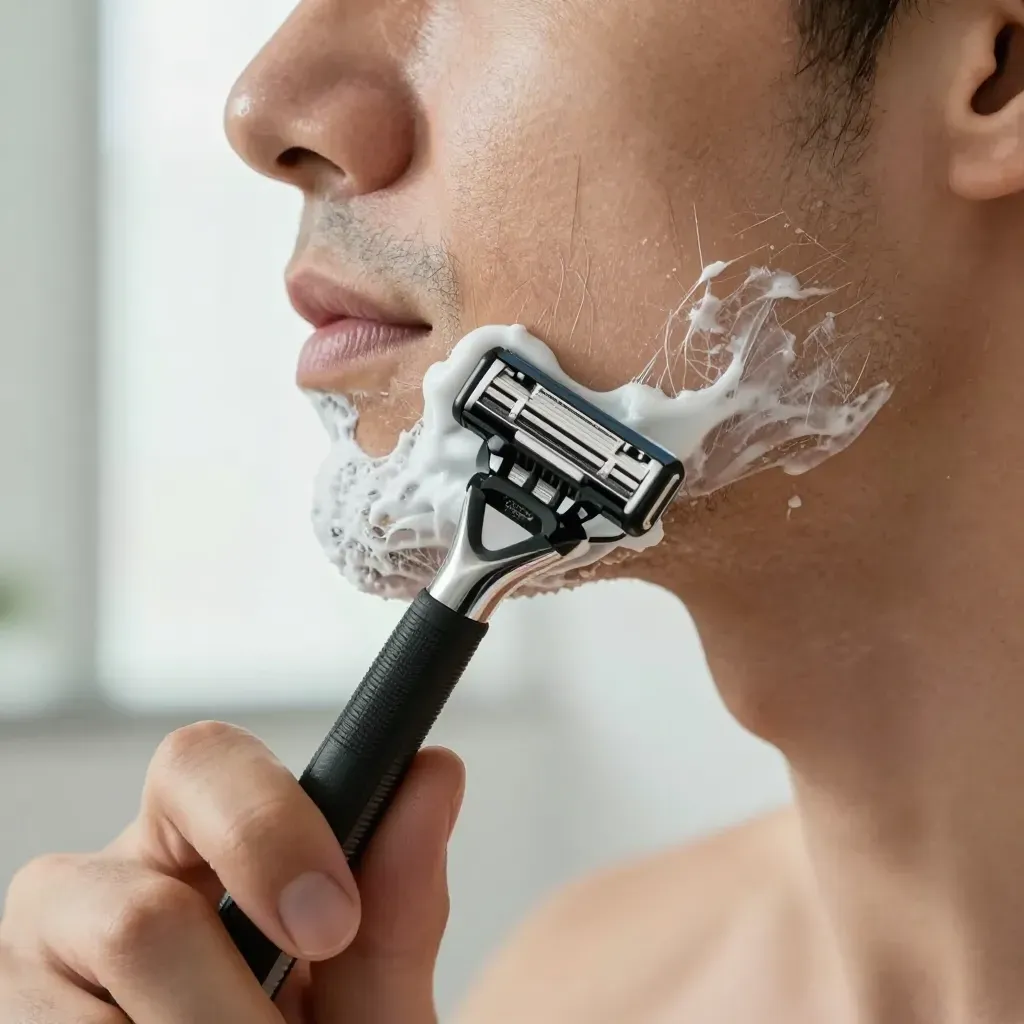
- Multi-blade razors. The first blade pulls the hair up. The second blade cuts below the skin line. Cut hair retracts below the surface and gets trapped.
- Shaving against the grain. Cutting backward forces the hair tip into the follicle wall.
- Pulling skin tight. Stretching gives a close shave but allows cut hair to retract below the epidermis.
- Dry shaving. Lack of lubrication causes friction. Friction leads to uneven cuts and irritation.
Dead skin cells also trap hair follicles. Buildup blocks the hair exit path. Coarse or curly hair types face the highest risk of curling back into the skin. Tight clothing adds friction forcing hair sideways.
Cause | Result |
|---|---|
Dull blade | Jagged hair gets trapped under skin |
Multi-blade razor | Hair cuts below the skin line |
Shaving against grain | Hair pierces follicle wall |
Dead skin buildup | Blocks hair exit path |
Safe Shaving Techniques to Remove Ingrown Hairs
Stop shaving the affected area for a few days. Let hair grow out so the trapped strand surfaces. This alone resolves most mild ingrown hairs.
Extracting the Hair
When the hair loop is visible use a sterile needle or tweezers. Gently lift the hair out. Do not pluck it from the root. Plucking restarts the growth cycle and the hair may curl back in again.
- Soak the area in warm water for 5 to 10 minutes first. This softens skin and loosens the hair.
- Wash hands and sterilize tools with rubbing alcohol before touching the area.
- Never dig into the skin. If the hair is not visible wait a few more days.
- Apply antibacterial ointment after extraction to prevent infection.
Shaving Over Existing Ingrown Hairs
Sometimes you must shave around ingrown hairs. Follow these rules to avoid making it worse.
Step | Details |
|---|---|
Use a single-blade razor | Reduces hair pulling and cutting below skin level |
Shave with the grain | Cuts hair above the skin surface not below |
Apply shaving gel | Creates a barrier that reduces friction |
Use light pressure | Heavy pressure forces hair beneath the skin |
Rinse blade between strokes | Clears hair and debris from the razor |
Electric shavers work well for areas prone to ingrowns. They cut hair above the skin line without pulling. No close shave means fewer trapped hairs.
Prevention Tips to Avoid Ingrown Hairs After Shaving
Prep Your Skin
Hydrate skin for three minutes before shaving. Warm water softens hair shafts. Exfoliate to clear dead skin cells. Dead skin blocks hair from growing straight.
- Exfoliate 24 hours before shaving using a gentle scrub.
- Apply thick shaving gel. Let it sit for 60 seconds.
- Always use a sharp clean blade.
Change Your Shaving Technique
Ditch multi-blade razors. They cut hair below the skin line. Use a single-blade razor or electric shaver. Shave in the direction of hair growth. Do not stretch skin tight while shaving.
Technique | Why It Works |
|---|---|
Single-blade razor | Cuts hair flush with skin surface |
Shave with the grain | Prevents sharp tips from piercing follicles |
Short light strokes | Reduces friction and skin pulling |
Post-Shave Routine
Rinse skin with cool water after shaving. Cool water constricts blood vessels and reduces inflammation. Apply alcohol-free moisturizer or soothing gel. Keep skin hydrated daily. Use chemical exfoliants like glycolic acid one to two times a week. Check the best exfoliating products to prevent dead skin buildup.
- Avoid tight clothing after shaving. Friction forces hair sideways.
- Do not pick at bumps. Learn how to remove ingrown hair at home safely.
- Consider alternative hair removal. Find the best way to remove hair without ingrown hairs for long-term relief.
When to Seek Professional Help for Ingrown Hairs
Signs That Require a Doctor
See a dermatologist if the bump is severely painful, very large, or filled with pus. These are signs of infection. Seek immediate care for fever or red streaks spreading from the area. This indicates cellulitis. Do not attempt to remove deeply embedded hairs yourself. Improper extraction causes scarring and worsens infection.
- Persistent ingrown hair lasting more than two weeks
- Repeated infections in the same spot
- Darkening or thickening skin around the bump (hyperpigmentation or keloid)
- Hair that appears infected but has no visible loop
Medical Treatments Available
A doctor can prescribe topical or oral antibiotics for infection. They may administer a corticosteroid injection to reduce severe inflammation and swelling. For chronic cases, a dermatologist can perform a minor incision to free the hair under sterile conditions. They may also recommend long-term solutions like professional laser hair removal to eliminate the hair follicle entirely. Explore the best laser hair removal in San Antonio, TX for expert care.
Symptom | Home Care Limit | Professional Solution |
|---|---|---|
Painful, pus-filled bump | Topical antiseptics | Incision & drainage + antibiotics |
Large, hard cyst | Warm compresses | Corticosteroid injection |
Chronic, recurring ingrowns | Exfoliation | Laser hair removal |
Preventing Scarring and Recurrence
Early professional intervention prevents permanent skin damage. A dermatologist can differentiate an ingrown hair from similar conditions like folliculitis or pseudofolliculitis barbae. They provide a tailored treatment plan. For persistent issues, discuss permanent hair reduction. Learn how laser hair removal helps ingrown hairs by destroying the follicle.