
Table of Contents
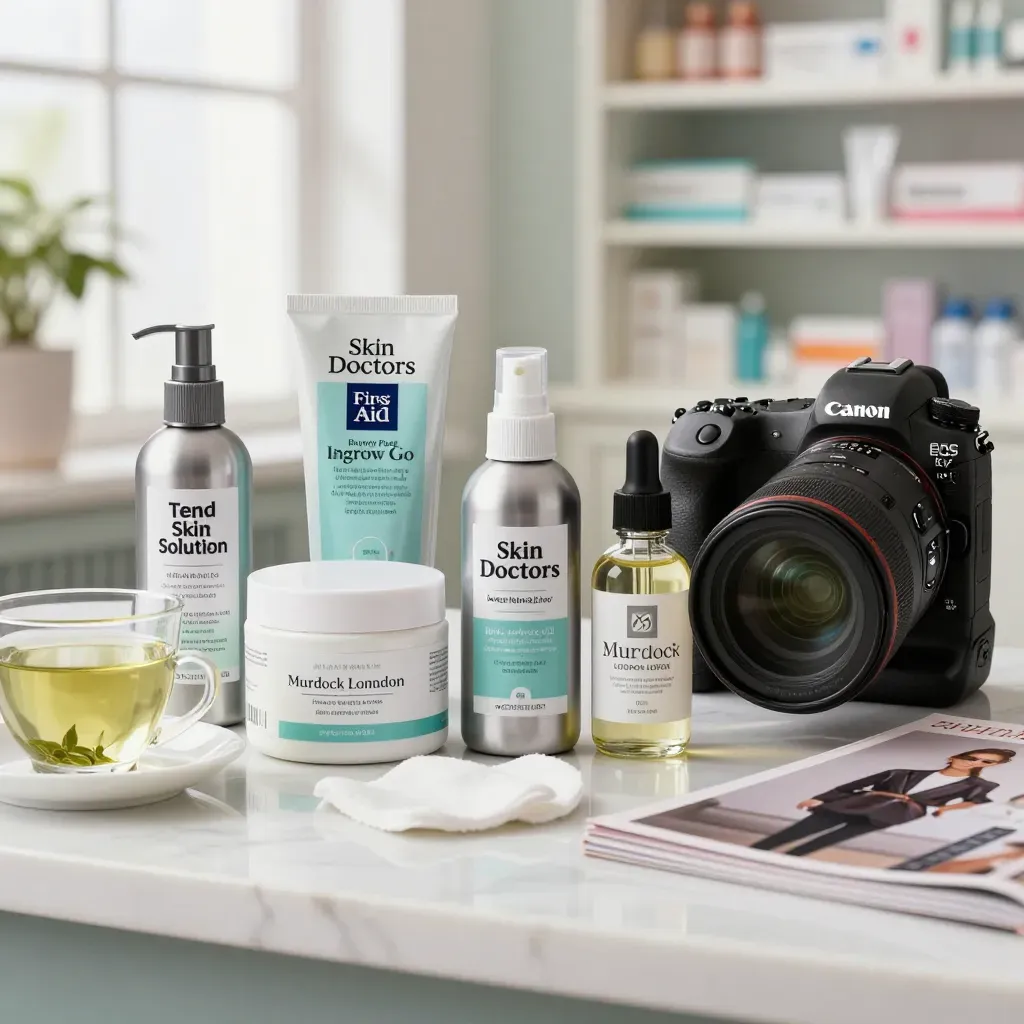
Ingrown hairs develop when cut or removed hair grows back into the skin, causing inflammation and bumps. Shaving below skin level, using dull razors, and waxing are common causes. UK treatments include salicylic acid and glycolic acid products like Tend Skin Solution, First Aid Beauty Pads, and Skin Doctors Ingrow Go, applied twice daily. For permanent results, laser hair removal destroys follicles over 6-10 sessions, though effectiveness depends on hair and skin colour. Infected ingrown hairs require medical attention when pain worsens, pus appears, or fever develops. See a GP for oral antibiotics, steroid creams, or drainage procedures.
Question | Answer |
|---|---|
What causes ingrown hairs after shaving? | Cutting hair below skin level leaves sharp tips that curl back into the skin, especially when using dull razors or shaving against the grain. |
Which UK products treat ingrown hairs effectively? | Products containing salicylic acid or glycolic acid, such as Tend Skin Solution, First Aid Beauty Pads, and Skin Doctors Ingrow Go, work best. |
Does laser hair removal permanently stop ingrown hairs? | Laser hair removal destroys hair follicles permanently over 6-10 sessions, eliminating hair that could grow back into the skin. |
When should I see a doctor for an ingrown hair? | See a GP if pain worsens, pus appears, redness spreads, fever develops, or home treatment shows no improvement after 3-5 days. |
What are the risks of leaving an infected ingrown hair untreated? | Untreated infections can lead to cellulitis, abscess formation, scarring, permanent skin discoloration, or sepsis in severe cases. |
What causes ingrown hairs after shaving and waxing
Ingrown hairs form when cut hair strands grow back into the skin instead of rising up from the follicle. This happens because shaving and waxing disrupt the natural hair growth cycle.
How shaving causes ingrown hairs
- Cutting hair below skin level leaves a sharp tip that curls back into the skin
- Shaving against the grain increases the risk significantly
- Using dull razors tears hair instead of cutting cleanly
- Dry skin without lubrication causes uneven cutting
Why waxing leads to ingrown hairs
- Hair breaks at the root instead of being extracted cleanly
- Regrowing hair struggles to exit through blocked pores
- Multiple hairs may grow sideways under the skin surface
- Dead skin cells clog follicles after waxing
Common risk factors
Tight clothing | Traps hair against skin |
|---|---|
Curly or coarse hair | More likely to curl back |
Dry skin | Prevents hair emerging cleanly |
Poor exfoliation | Dead skin blocks hair exit |
The body reacts to trapped hair as a foreign object. This triggers inflammation, redness, and those characteristic small bumps that resemble acne or cysts. People with naturally curly hair face higher ingrown hair rates because their hair spirals as it grows back.
Best ingrown hair creams and serums available in the UK
Key ingredients to look for
Buy treatments containing Salicylic Acid or Glycolic Acid.
These chemical exfoliants clear dead skin cells blocking the hair follicle.
Tea tree oil adds antibacterial protection to stop infected bumps.
Jojoba oil moisturizes the area and soothes existing redness.
Always check product labels for these active ingredients.
Top UK product comparison
Product | Key Ingredients | Format | Best for |
|---|---|---|---|
Tend Skin Solution | BHA and AHA | Roll-on serum | Razor bumps |
First Aid Beauty Pads | BHA and AHA | Pre-soaked pads | Daily prevention |
Skin Doctors Ingrow Go | Active extracts | Lotion | Fast relief |
Base Laboratories Oil | Tea Tree and Jojoba | Treatment oil | Sensitive skin |
Murdock London | Salicylic and Glycolic Acid | Serum | Face and body |
How to apply treatments
Tend Skin Solution provides a quick drying liquid suitable for men and women.
First Aid Beauty pads offer convenient single-use applications that relieve razor burn instantly.
Ingrow Go works as a high-performance lotion to exfoliate severe problem areas.
Apply any product directly to clean dry skin.
Use treatments twice daily for best results.
Stop shaving or waxing the affected area until the skin heals completely.
Purchase these serums and creams at high street pharmacies or online retailers.
Amazon UK and Cult Beauty stock most leading brands.
Vegan options are widely available across the UK market.
Always patch test new skincare products to avoid allergic reactions.
How laser hair removal stops ingrown hairs permanently
Laser hair removal provides a permanent solution by destroying the hair follicle itself. This eliminates the hair that would otherwise grow back into the skin.
How laser treatment works
Hair Color | Skin Tone | Laser Effectiveness |
|---|---|---|
Dark brown/black | Light to medium | High |
Dark brown/black | Dark | Medium (Nd:YAG laser) |
Light blonde/red/grey | Any | Low (may need alternative methods) |
The laser targets melanin pigment in the hair shaft. Heat travels down the hair to the follicle, damaging or destroying the root. Treated follicles enter a dormant state and eventually stop producing hair entirely.
Why this prevents ingrown hairs
- No hair means no hair to grow inward
- Destroyed follicles cannot produce sharp new hair tips
- Eliminates need for shaving or waxing that causes ingrowns
- Skin remains smooth without post-removal bumps
- Works on any body area prone to ingrown hairs
Treatment expectations
Factor | Details |
|---|---|
Sessions needed | 6-10 per area |
Session spacing | 4-8 weeks apart |
Hair growth phase | Only active growth (anagen) hairs treated per session |
Permanent results | Hair significantly reduced after full treatment course |
Maintenance | Occasional touch-ups may be needed |
Multiple sessions are required because only a percentage of hairs are in the active growth phase at any time. The laser only affects those active hairs. Subsequent sessions catch hairs in new growth phases until the follicle is permanently disabled.
UK clinics offer tailored laser solutions for all skin types. A patch test determines your suitability and best laser wavelength. Results vary based on hair color, skin tone, and hormonal factors.
When to see a doctor for infected ingrown hairs
Infections require professional medical treatment. Do not attempt to pop or dig out an infected bump.
Warning signs of infection
- Pain intensifies instead of improving
- Pus or yellow discharge appears
- Redness spreads beyond the immediate area
- Fever or chills develop
- Swelling becomes significant
- Bump feels warm to touch
When to consult a GP
Book an appointment with your NHS GP if:
- Home treatment shows no improvement after 3-5 days
- You develop a fever
- The pain becomes severe
- Redness is spreading rapidly
- You experience recurrent infections in the same area
- You have diabetes or a weakened immune system
Medical treatment options
Treatment | Purpose | Administered by |
|---|---|---|
Oral antibiotics | Fight bacterial infection systemically | GP prescription |
Topical antibiotic cream | Treat mild localized infection | GP recommendation |
Steroid cream | Reduce severe inflammation and swelling | GP prescription |
Incision and drainage | Release pus from a large abscess | GP or dermatologist |
Referral to dermatologist | For chronic or complex cases | GP referral |
Risks of delaying treatment
- Cellulitis: serious skin infection spreading to deeper tissues
- Abscess formation: painful pus-filled lump requiring drainage
- Scarring or keloid formation
- Sepsis in extreme cases
- Permanent skin discoloration
An infected ingrown hair is a bacterial invasion. Antibiotics stop the infection from spreading. A GP can also prescribe stronger steroid creams than those available over-the-counter to reduce swelling quickly. For recurring problems, ask your GP about long-term solutions like laser hair removal to prevent future ingrown hairs entirely.