
Table of Contents
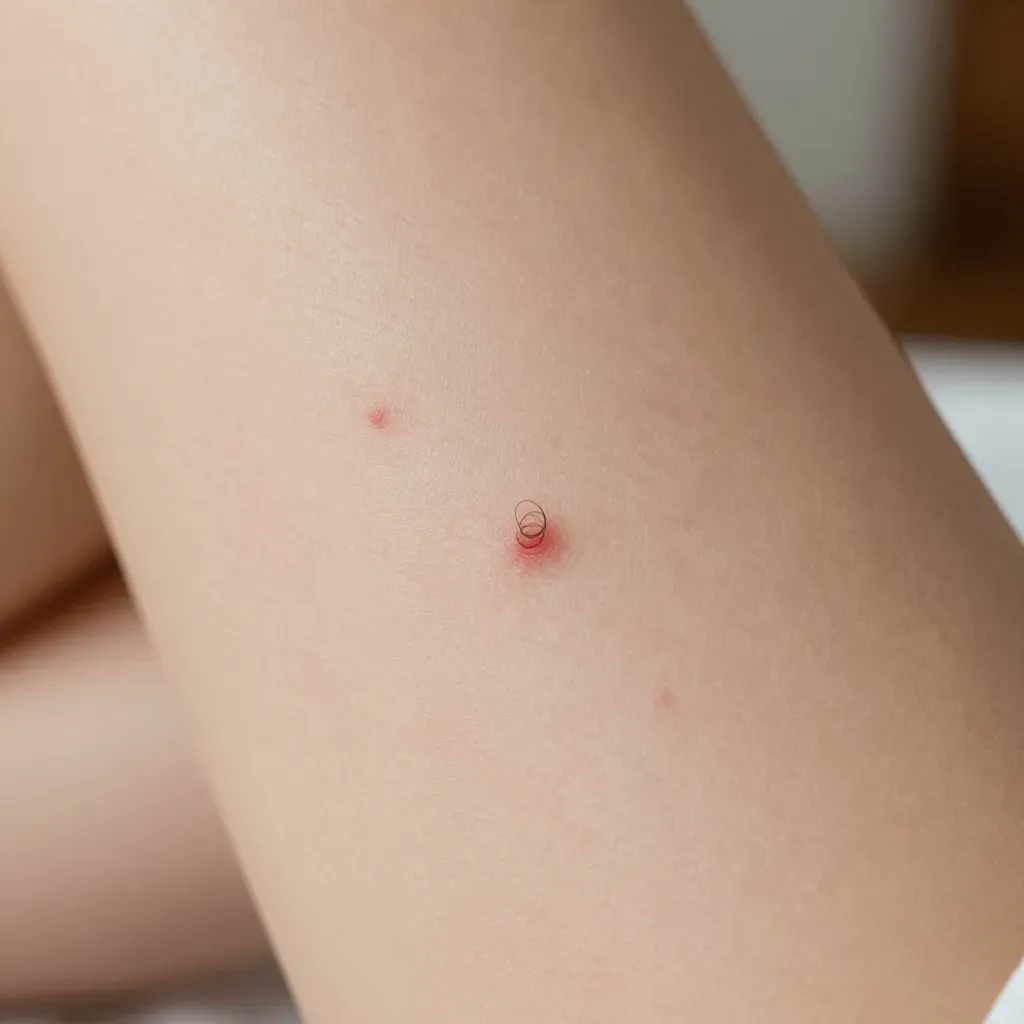
Laser hair removal often triggers temporary ingrown hairs during the initial treatment phase. Treated hairs shed and get trapped under dead skin while untreated dormant hairs continue growing. Proper aftercare and gentle exfoliation prevent these breakouts between sessions. Most users experience permanent ingrown reduction after completing six to eight sessions.
Question | Answer |
|---|---|
Why do ingrown hairs appear after laser sessions? | Shedding treated hairs get trapped under dead skin while dormant untreated hairs continue to grow and curl. |
How do I safely treat ingrown hairs during laser treatment? | Use warm compresses and chemical exfoliants like salicylic acid to release trapped hairs without picking. |
How long until laser stops ingrown hairs permanently? | Ingrown hairs become rare after six to eight sessions when hair density drops significantly. |
Can I wax between laser appointments? | Waxing pulls the hair from the root and causes severe inflammation so you must avoid it completely. |
Why ingrown hairs appear after your first laser sessions.
Ingrown hairs after laser hair removal confuse a lot of people. You paid to eliminate them but now you have more. It is normal and temporary.
The laser targets hair in the active growth phase called anagen. Not all follicles are active at the same time. Treated hairs fall out over 1-3 weeks. Shed hair can get trapped under dead skin cells before it exits the surface.
Meanwhile untreated hairs keep growing normally. These hairs were never hit by the laser so they behave exactly as before. If you are prone to ingrowns from shaving or waxing those hairs still curl back into the skin.
Common triggers in early sessions
- Shedding hair getting stuck beneath the skin surface
- Untreated hairs in dormant phase still growing and curling
- Shaving between sessions which blunts hair tips
- Skin inflammation from the laser making follicles swell shut
- Tight clothing rubbing against treated areas
- Dead skin cell buildup blocking hair exit paths
Skin inflammation plays a bigger role than most realize. The laser heats the follicle to destroy it. This causes mild swelling around the root. Swollen skin blocks the hair shaft from pushing through. The hair has nowhere to go but sideways under the epidermis.
Curly and coarse hair types face this more. The hair naturally curls as it grows. Add swelling on top and the hair never stands a chance of exiting straight. Laser hair removal targets ingrown hairs long term but the first few sessions can look worse before it gets better.
Timeline of what to expect
Week 1-2 post session | Treated hairs shed. Some get trapped. New ingrowns may surface. |
|---|---|
Session 2-3 | Noticeable reduction in hair density. Fewer active follicles mean fewer ingrowns. |
Session 4-6 | 70-90% permanent hair reduction. Ingrown hairs become rare. |
After full series | Only fine barely visible hairs remain. Ingrown hairs mostly gone. |
How the laser hair growth cycle triggers temporary breakouts.
Hair grows in three phases. Laser only destroys hair in the active growth phase called anagen. Hairs in the resting or shedding phases survive the first few treatments.
Treated hairs pushed out of the follicle often get stuck. This creates small red bumps mimicking acne or new ingrown hairs after laser hair removal. Your skin purges the dead hair shafts.
The three hair growth phases
- Anagen Active growth. Hair connected to blood supply. Laser destroys it here.
- Catagen Transitional phase. Hair detaches. Laser cannot target it effectively.
- Telogen Resting phase. Old hair sits in follicle before falling out. Laser ignores it completely.
Only 15-20% of your hair sits in anagen at any given time. Dormant hairs wake up weeks later. They push through skin that might still be healing from the last laser pass. This triggers temporary breakouts.
This inflammatory response pushes the dead hair up. Sometimes dead skin cells block the exit. Proper IPL technique and correct shaving prep between sessions keeps skin clear.
Why breakouts peak between sessions
Days 1-7 | Hair sheds. Red bumps appear as skin purges damaged follicles. |
|---|---|
Weeks 2-4 | Dormant hairs enter active phase. They push through healing skin causing new irritation. |
Session 3+ | Most follicles disabled. Shedding and breakouts slow down significantly. |
Mistakes between sessions that cause more ingrown hairs.
What you do between laser appointments decides if ingrown hairs clear up or multiply. Poor aftercare sabotages your results.
Shaving and hair removal errors
- Shaving too soon after treatment irritates inflamed skin
- Using dull razors that tug and blunt hair ends
- Shaving against the grain creates sharp tips that curl back
- Waxing or plucking pulls hair from root damaging follicle
Skin irritation and inflammation
- Alcohol-based toners or astringents dry and inflame skin
- Picking or scratching bumps introduces bacteria
- Hot showers and saunas increase swelling around follicles
- Fragranced lotions and scrubs compromise skin barrier
Neglecting aftercare and prevention
- Skipping gentle exfoliation allows dead skin buildup
- Wearing tight clothing causes friction and traps hairs
- Missing scheduled sessions lets dormant hairs activate
- Ignoring technician’s specific aftercare instructions
Shaving is the top culprit. Shaving before laser is required but doing it wrong between sessions causes new ingrowns. The razor cuts hair at a sharp angle. That sharp tip easily pierces the skin wall and curls back.
Dead skin cells act like a ceiling over the follicle. Hair pushes up but hits the cell layer and bends sideways. Regular gentle exfoliation removes this barrier.
How mistakes translate to more ingrowns
Mistake | Why It Causes Ingrowns | Correct Approach |
|---|---|---|
Shaving with pressure | Blunts hair tip making it curl back easily | Shave gently with single blade, no stretch |
No exfoliation | Dead skin blocks hair exit path | Use chemical exfoliants like salicylic acid 2-3x weekly |
Tight waistbands | Friction pushes hairs under skin | Wear loose cotton until redness subsides |
Picking bumps | Wounds skin allowing hairs to re-enter | Apply warm compress instead of picking |
How to safely treat existing ingrown hairs during your treatment plan.
Treat existing ingrown hairs carefully during laser treatments. Harsh methods ruin progress and inflame skin.
Safe removal methods
- Apply warm compress to open pores and soften skin
- Use chemical exfoliants like salicylic acid or glycolic acid
- Gently tease out looped hairs with sterilized tweezers
- Apply soothing essential oil treatments to reduce swelling
Chemical exfoliants dissolve dead skin blocking the hair. Apply 2-3 times a week. Stop use 48 hours before your next laser session. When a hair loops above the skin surface hook it with tweezers. Do not pull the hair from the root. Just release the tip from the skin layer.
What to avoid
Picking causes scarring. Squeezing pushes hair deeper. Using a fingernail to dig out hairs introduces bacteria and damages the follicle. Physical scrubs tear healing skin. Avoid loofahs and rough body washes. Opt for smooth chemical exfoliants instead. Moisturize daily to keep skin supple. Dry skin traps hairs easily.
Safe Methods | Dangerous Methods |
|---|---|
Warm compress | Squeezing bumps |
Salicylic acid | Harsh physical scrubs |
Sterile tweezers for visible loops | Digging with fingernails |
Hydrocortisone cream for inflammation | Picking at scabs |
When to expect permanent ingrown hair reduction from laser.
Permanent ingrown hair reduction takes a full treatment series. Not a single session. Most people need 6-8 sessions spaced 4-6 weeks apart.
Reduction milestones
- After 2-3 sessions hair grows back thinner and softer reducing curl-back risk
- After 4-5 sessions 50-70% of follicles stop producing hair entirely
- After 6-8 sessions 70-90% permanent hair reduction with rare ingrowns
- Remaining hair is fine and barely visible making ingrowns unlikely
Thinner hair changes the game. Coarse curly hair causes most ingrowns because the thick shaft curls under pressure. Laser turns that thick hair into fine fuzz. Fine hair lacks the rigidity to pierce the skin wall.
Hormonal conditions like PCOS change the timeline. These conditions stimulate new hair growth in treated areas. Brazilian laser hair removal permanence varies person to person for this reason. People with hormonal triggers need ongoing maintenance to stay ingrown-free.
Treatment Stage | Hair Reduction | Ingrown Hair Status |
|---|---|---|
Sessions 1-2 | 10-20% | May temporarily increase |
Sessions 3-4 | 40-60% | Noticeable drop in new ingrowns |
Sessions 5-6 | 70-80% | Rare occurrences only |
Sessions 7-8 | 85-90% | Near complete elimination |
Maintenance | Sustained | Prevents regrowth-related ingrowns |