
Table of Contents
Shaving and waxing cause ingrown hairs by creating sharp or weak hair that grows back into the skin. Laser hair removal destroys hair follicles to prevent growth and eliminate ingrowns. Multiple sessions and proper aftercare are necessary for lasting results.
Question | Answer |
|---|---|
Why do shaving and waxing cause ingrown hairs? | Shaving cuts hair at a sharp angle that pierces skin while waxing weakens hair, trapping it under dead skin cells. |
How does laser hair removal prevent ingrown hairs? | Laser heats and damages hair follicles, stopping hair production so no hair can grow back into the skin. |
What are the immediate side effects of laser treatment? | Temporary redness and swelling occur but typically fade within hours with cold compresses and aloe vera. |
How many laser sessions are needed to eliminate ingrown hairs? | Most people need 6-8 sessions spaced weeks apart to achieve 80-90% hair reduction and near-complete ingrown elimination. |
What aftercare is essential between laser sessions? | Gently exfoliate 3 times weekly, apply daily sunscreen, avoid tight clothing, and only shave if necessary without plucking. |
Why shaving and waxing cause ingrown hairs
How Shaving Triggers Razor Bumps
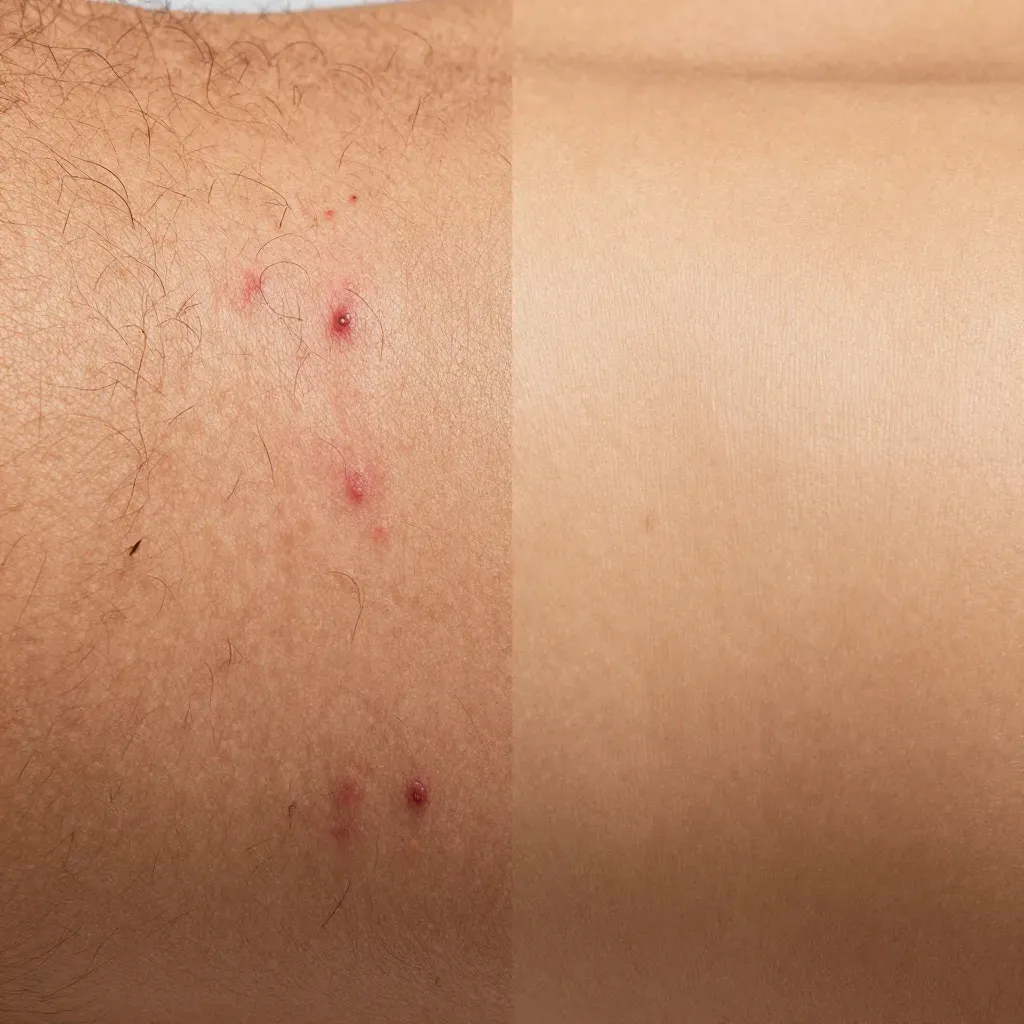
Razors slice hair at an angle leaving a sharp tip. When hair regrows the sharp point pierces the skin wall. Curly or coarse hair naturally curls back into the follicle. This causes redness pain and inflammation known as razor bumps or pseudofolliculitis barbae. Shaving too close strips the skin barrier. Friction from blades irritates the follicle opening. Dull blades make you press harder increasing skin trauma.
How Waxing Traps Hair Under Skin
Waxing rips hair from the root. New hair grows back thinner and weaker. Weak strands lack strength to push through the top skin layer. Dead skin cells block the follicle exit. Hair stays trapped underneath forming painful red bumps. Breakage also occurs during waxing. The hair snaps off instead of pulling out completely. Broken hair leads to uneven regrowth and more blockages.
Other Common Causes
- Pulling skin tight while shaving
- Lack of exfoliation before hair removal
- Wearing tight clothing after hair removal
- Thick dead skin cell buildup
- Clogged pores from heavy lotions
Comparing Traditional Hair Removal Methods
Method | How It Fails | Skin Impact |
|---|---|---|
Shaving | Cuts hair at sharp angle | Hair pierces skin sideways |
Waxing | Weakens regrowing hair | Hair traps under dead skin |
Tweezing | Leaves fragmented hair | Causes localized inflammation |
Traditional hair removal methods create a constant cycle of skin trauma. Shaving and waxing keep hair follicles active and irritated. The body responds with inflammation. Ingrown hairs laser hair removal targets the root cause. It destroys the follicle completely. No hair means no trapped hairs. Comparing laser hair removal at home vs salon treatments helps stop this cycle permanently.
How laser hair removal stops ingrowns at the root
The Science Behind Follicle Destruction
Laser light targets melanin pigment inside the hair shaft. The absorbed light converts to heat. Heat travels down to the root and damages the follicle. A damaged follicle cannot produce new hair. No new hair means zero chance of it curling back into the skin. The best laser for hair removal disables follicles in the active growth phase called anagen. Multiple sessions catch all hairs in this phase over time.
Why Laser Beats Shaving and Waxing
- Destroys the follicle instead of cutting hair at surface level
- Eliminates sharp hair tips that pierce skin
- Stops the cycle of irritation from repeated hair removal
- Reduces inflammation by ending constant skin trauma
- Works on curly coarse hair most prone to ingrowns
What Happens to Existing Ingrown Hairs
Laser only targets hair visible above the skin surface. It cannot zap a hair trapped beneath dead skin cells. But as sessions progress fewer hairs grow back. Existing ingrowns naturally work themselves out with gentle exfoliation. The skin heals because no new trauma occurs from shaving or waxing. Clinical studies show major improvement in razor bumps after just 3 to 4 sessions.
Expected Results Over Sessions
Sessions | Hair Reduction | Ingrown Improvement |
|---|---|---|
1-2 | 10-25% | Less irritation from shaving gaps |
3-4 | 50-70% | Most visible ingrowns gone |
6-8 | 80-90% | Near complete elimination |
Hair grows back finer softer and sparser after each treatment. Finer hair causes less blockage in follicle openings. Four laser hair removal treatments often show dramatic results for chronic ingrown hair sufferers. The laser addresses the root problem literally. Damaged follicles stop producing hair that gets trapped under skin.
What to expect during treatment sessions
Pre-treatment steps
Shave the area 24 hours before your visit
Razors trim hair above the skin
Laser targets the root beneath the skin
Long hair causes surface burns
Stop waxing and plucking for 6 weeks prior
Follicles must stay intact for the laser
Avoid sun exposure for 2 weeks prior
Tanned skin raises burn risks
Skip lotions and deodorant on treatment day
Clean skin absorbs laser energy better
During the procedure
Staff provide protective goggles
Technicians apply cold gel to your skin
Gel protects the surface from heat
The laser handpiece presses against your skin
The machine fires rapid light pulses
You feel a hot rubber band snap
Cooling tips reduce discomfort
Treating the upper lip takes 5 minutes
A full back takes one hour
Review the best laser hair removal for upper lip for sensitive facial skin
Immediate side effects
Skin turns red after the procedure
Follicles swell slightly
This reaction proves the laser heated the roots
Redness fades within hours
Apply ice packs or aloe vera for relief
Avoid hot showers and saunas for 48 hours
Heat extends inflammation
Expected session timeline
Area Treated | Time Per Session | Sessions Needed |
|---|---|---|
Bikini | 15 mins | 6-8 |
Underarms | 10 mins | 6-8 |
Full legs | 50 mins | 6-8 |
Chin | 5 mins | 6-8 |
- Schedule face sessions 4 weeks apart
- Wait 6 weeks between body treatments
- Hairs shed naturally over two weeks
- Never pluck shedding hairs
- Shave if you need to manage growth
- Check how much is a laser hair removal session to budget your plan
- See how much is laser hair removal for facial hair to estimate exact costs
Aftercare tips to prevent irritation between sessions
First 48 hours critical care
Apply aloe vera gel immediately after treatment
Cold compress reduces swelling
Use fragrance-free moisturizer
Avoid direct sunlight completely
Skip makeup on treated facial areas
Do not scratch or rub the skin
Pat dry with a soft towel
Stay away from chlorinated pools
Chlorine irritates sensitized follicles
Skip hot showers and steam rooms
Heat increases inflammation and redness
Ongoing maintenance routine
- Gently exfoliate treated areas 3 times weekly
- Use a soft washcloth or mild scrub
- Exfoliation prevents dead skin buildup
- Apply sunscreen SPF 30 every morning
- UV damage interferes with treatment results
- Moisturize daily to keep skin elastic
- Use products without harsh chemicals
- Wear loose cotton clothing
- Tight fabrics cause friction and irritation
What triggers new ingrown hairs
Avoid | Why It Causes Problems |
|---|---|
Shaving between sessions | Creates sharp hair tips |
Waxing or threading | Traumatizes regrowing follicles |
Heavy oily products | Clogs pores and traps hair |
Tight jeans or leggings | Pushes hair back into skin |
Dry skin | Dead cells block hair exit |
Safe hair management between visits
Shaving is the only method approved between laser sessions
Use a sharp clean razor
Shave in the direction of hair growth
Apply shaving cream with lubricating ingredients
Never stretch the skin while shaving
Rinse the blade after every pass
Dull blades cause irritation and nicks
Consider at-home laser hair removal that works as a supplement between professional sessions
Explore the best home laser hair removal devices for touch-ups
Warning signs needing professional help
- Blisters forming on treated skin
- Severe pain lasting more than 3 days
- Pus or drainage from follicles
- Dark spots that do not fade
- Scarring or skin texture changes