
Table of Contents
An ingrown pubic hair cyst forms when removed hair grows back into the skin.
This trapped hair causes a painful fluid-filled bump.
Treat minor cysts at home using warm compresses and gentle exfoliation.
Never squeeze the cyst to avoid infection and scarring.
Seek medical help for severe pain pus or cysts lasting over two weeks.
Doctors drain infected cysts or prescribe antibiotics.
Prevent future cysts by exfoliating wearing loose clothing or choosing laser hair removal.
Question | Answer |
|---|---|
What causes an ingrown pubic hair cyst? | Shaving waxing or tweezing leaves the hair follicle intact allowing regrowth to curl back into the skin. |
How do you treat an ingrown hair cyst at home? | Apply a warm compress three to four times daily to help the trapped hair surface naturally. |
Can I pop an ingrown pubic hair cyst? | Never squeeze or pop the cyst because it forces hair deeper and causes infection. |
When should I see a doctor for an ingrown hair cyst? | Visit a doctor if you notice pus severe pain swelling fever or if the cyst lasts longer than two weeks. |
Does laser hair removal stop ingrown hairs? | Laser hair removal offers the most effective prevention by permanently reducing hair growth in treated areas. |
What Is an Ingrown Pubic Hair Cyst and How Does It Form
An ingrown pubic hair cyst is a small sac of fluid or skin cells that forms beneath the skin when a hair strand grows back into the skin instead of outward. These cysts commonly develop after hair removal from the bikini line or pubic area and can cause discomfort, swelling, and irritation.
The Formation Process
Each strand of hair grows in a follicle beneath the skin. When people shave, wax, or tweeze pubic hair, they only remove the visible hair strand while the follicle remains intact. When the hair regrows, it may curl back and penetrate the skin instead of emerging through the pore.
Once the hair becomes trapped, the immune system reacts by sending fluid to the affected hair follicle. This fluid, along with skin cells and keratin (a protein found in hair and nails), collects in the follicle and forms a cyst. The result is a raised bump beneath the skin that may be red, white, or yellow.
Who Is Most at Risk
- People with thick, coarse, or curly hair
- Individuals who shave, wax, or tweeze frequently
- Those who remove hair from the bikini line or pubic region regularly
- Anyone with a history of recurrent ingrown hairs
Common Causes of Ingrown Pubic Hair Cysts
Cause | How It Contributes |
|---|---|
Shaving | Cuts hair at an angle, creating sharp edges that can pierce skin |
Waxing | Removes hair from root but follicle remains, regrowth may become trapped |
Tweezing | Leaves follicle intact, new hair may grow inward |
Tight clothing | Friction and pressure force hair back into the skin |
Dead skin cells | Block hair follicles, preventing hair from growing outward |
Understanding how these cysts form is the first step toward effective ingrown hair removal at home. Recognizing the early signs of trapped hair can help prevent a small bump from developing into a painful cyst.
Safe At-Home Methods for Removing Ingrown Pubic Hair Cysts
Most ingrown pubic hair cysts can be treated effectively at home without professional intervention. The key is to encourage the trapped hair to surface while preventing infection and further irritation.
Step-by-Step Warm Compress Method
The warm compress is the most effective at-home treatment for ingrown pubic hair cysts:
- Soak a clean washcloth in warm (not hot) water
- Apply the cloth directly to the cyst for 10-15 minutes
- Repeat 3-4 times daily until the cyst drains naturally
- Keep the area clean and dry afterward
Supporting At-Home Care
- Gentle exfoliation: After applying a warm compress, use a soft-bristled brush or gentle scrub to remove dead skin cells around the cyst
- Proper hygiene: Wash the area twice daily with mild, fragrance-free soap
- Moisturizing: Apply a gentle, non-comedogenic moisturizer to prevent skin dryness and further irritation
- Loose clothing: Wear cotton underwear and loose-fitting pants to reduce friction
Over-the-Counter Products
Product Type | Purpose |
|---|---|
Benzoyl peroxide | Reduces bacteria and inflammation |
Salicylic acid | Exfoliates dead skin cells |
Hydrocortisone cream | Reduces swelling and itching |
Tea tree oil (diluted) | Natural antibacterial properties |
What to Avoid
- Shaving the affected area until the cyst heals
- Scratching or picking at the cyst
- Using harsh scrubs or abrasive products
- Applying undiluted essential oils directly to the skin
If the cyst shows signs of infection (increased pain, pus, fever) or doesn't improve within 7-10 days, medical treatment may be necessary.
Medical Treatments Available for Persistent or Infected Cysts
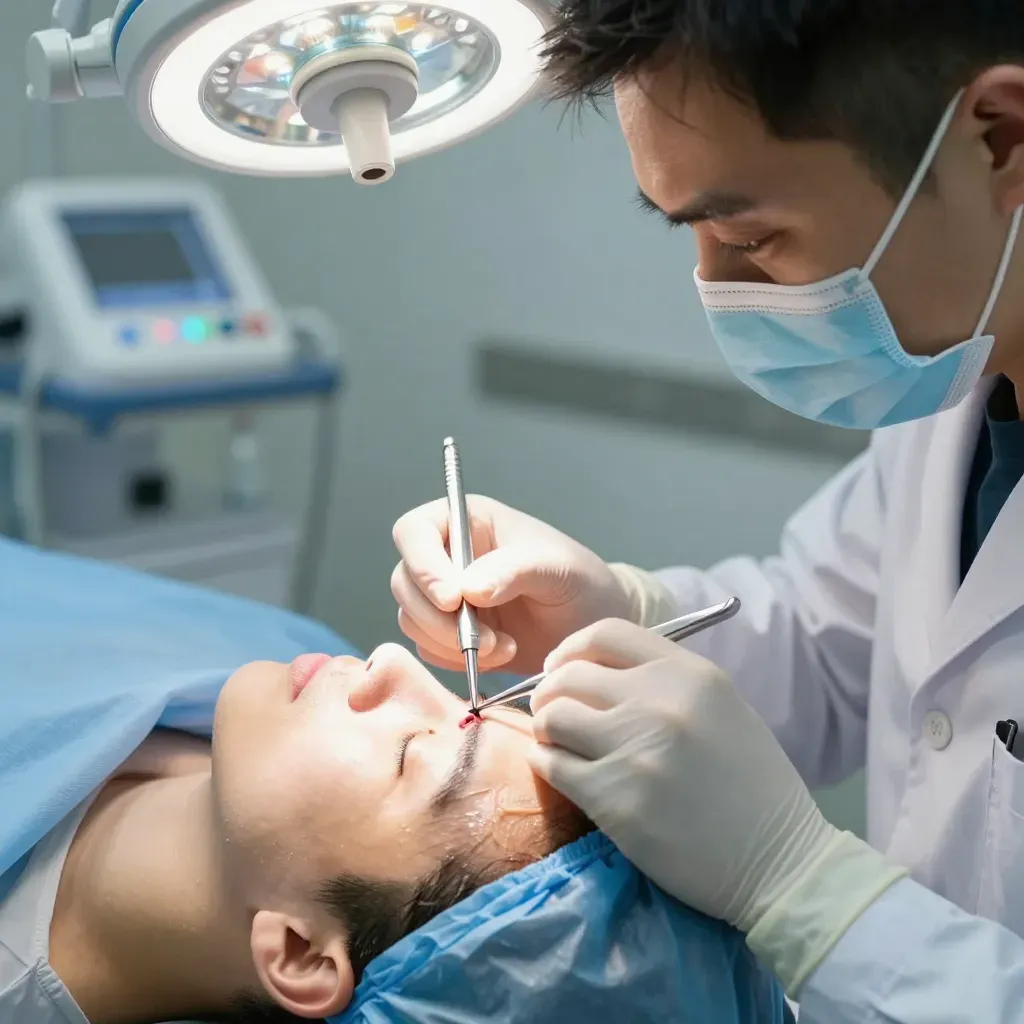
Professional medical intervention becomes necessary when an ingrown pubic hair cyst is severely painful, shows clear signs of infection, or fails to improve after 1-2 weeks of consistent at-home care. Medical treatments focus on eliminating the cyst, resolving infection, and preventing complications like scarring.
Professional Drainage Procedures
A dermatologist or healthcare provider can perform minor in-office procedures to remove the cyst contents and the trapped hair. These are the primary methods:
Procedure | Description | Typical Recovery |
|---|---|---|
Incision and Drainage | A small cut is made in the cyst wall to release trapped fluid and pus. The sac may be left to heal on its own. | Heals in 1-2 weeks with proper wound care. |
Needle Aspiration | A fine needle is used to puncture the cyst and suction out the fluid. Less invasive than incision. | Minimal downtime; small bandage required. |
Hair Removal | After draining, the provider may use a sterile needle or blade to carefully extract the embedded hair root. | Prevents immediate recurrence; wound care needed. |
Antibiotic Therapy
If the cyst is infected (cellulitis) or there's a high risk of infection, antibiotics are prescribed.
- Topical antibiotics: Mupirocin or bacitracin ointment applied directly to the area to treat mild surface infection.
- Oral antibiotics: Cephalexin, clindamycin, or doxycycline for more serious infections that have spread deeper into the skin.
- Course duration: Typically 7-10 days, must be completed even if symptoms improve to prevent resistant bacteria.
Steroid Treatments
For significant inflammation and swelling without active infection, corticosteroids may be used:
- Cortisone injection: A single shot directly into the cyst wall reduces swelling and pain within 24-48 hours.
- Topical steroid cream: Hydrocortisone 1% cream applied 1-2 times daily to calm irritated skin around the cyst.
Surgical Options for Recurring Cysts
For chronic, recurrent cysts in the same location, complete surgical removal may be recommended:
Post-Procedure Care
Regardless of the procedure, proper aftercare is critical to prevent new cysts and ensure healing:
- Keep the area clean with gentle soap and water
- Apply a thin layer of antibiotic ointment and cover with a clean bandage
- Avoid shaving, waxing, or applying pressure to the area for at least 2-4 weeks
- Wear loose, breathable clothing to minimize friction
- Follow up with your provider to monitor healing
When to Seek Professional Medical Care for Ingrown Hair Cysts
Most ingrown pubic hair cysts resolve with home treatment. However, certain symptoms indicate the need for professional medical evaluation. Ignoring these signs can lead to serious infection or scarring.
Signs of Infection Requiring Immediate Care
- Severe pain that worsens over time
- Increased redness spreading outward from the cyst
- Warmth radiating from the affected area
- Visible pus or yellowish discharge
- Foul odor from the cyst
- Fever or chills
- Swollen lymph nodes in the groin area
Other Reasons to See a Doctor
Situation | Action Needed |
|---|---|
Cyst persists beyond 2 weeks | Professional evaluation for alternative treatments |
Frequent recurring cysts | Assessment for underlying causes or hair removal alternatives |
Cyst bursts on its own | Medical guidance to prevent secondary infection |
Uncertain diagnosis | Ruling out STIs, cystic acne, or Bartholin's cysts |
Diabetes or weakened immune system | Earlier intervention to prevent complications |
Conditions That Mimic Ingrown Hair Cysts
Several conditions can appear similar to ingrown pubic hair cysts but require entirely different treatments:
- Bartholin's cysts: Fluid-filled sacs near the vaginal opening
- Genital herpes: Painful blisters caused by HSV
- Cystic acne: Deep, painful acne nodules
- Sexually transmitted infections: Various STIs cause bumps in the pubic region
A healthcare provider or dermatologist can diagnose the condition through physical examination and recommend appropriate treatment. This may include laser treatment to prevent ingrown hairs or other long-term solutions.
Effective Strategies to Prevent Future Ingrown Pubic Hair Cysts
Preventing ingrown pubic hair cysts requires a combination of proper hair removal techniques, skin care routines, and lifestyle adjustments. The goal is to minimize hair regrowth problems while maintaining healthy skin in the bikini area.
Proper Shaving Techniques
When shaving the pubic area, follow these guidelines to reduce ingrown hairs:
- Shave in the direction of hair growth (not against it)
- Use a sharp, clean razor to avoid pulling and cutting hair at angles
- Wet the skin with warm water and apply a lubricating shaving gel before shaving
- Use as few strokes as possible to minimize skin irritation
- Rinse the razor after each pass to remove hair and product buildup
- Rinse with cool water and apply a gentle, fragrance-free moisturizer after shaving
Alternative Hair Removal Methods
Method | Ingrown Hair Risk |
|---|---|
Laser hair removal | Lowest risk - permanently reduces hair growth |
Depilatory creams | Low - dissolves hair at the surface |
Electric razor | Low - cuts hair without close contact to skin |
Waxing | Medium - may cause breakage below surface |
Manual shaving | High - if done improperly |
Regular Exfoliation and Skin Care
- Chemical exfoliants: Use products containing alpha-hydroxy acids (AHA) or beta-hydroxy acids (BHA) 2-3 times weekly to remove dead skin cells
- Physical exfoliation: Gently scrub with a soft washcloth or body brush in circular motions before hair removal
- Moisturizing: Apply lightweight, non-comedogenic moisturizers daily to keep skin supple
- Post-removal care: Avoid tight clothing, swimming pools, and sexual activity for 24 hours after hair removal
Lifestyle Adjustments
- Choose breathable cotton underwear
- Avoid tight pants and synthetic fabrics that trap moisture
- Pat skin dry gently after bathing - don't rub
- Maintain proper hydration for skin elasticity
- Consider reducing frequency of hair removal to allow skin recovery time