
Table of Contents
Ingrown hair removal videos attract millions of viewers on YouTube due to psychological satisfaction, educational value, and ASMR-like sensory appeal. The content ranges from simple extraction videos to professional dermatology tutorials. Safe home removal requires proper preparation with warm compresses, sterilized tools, and a steady technique pulling in the hair growth direction. Prevention focuses on regular exfoliation, using sharp razors, shaving with grain, and wearing loose breathable clothing. Seek professional help immediately for signs of infection like spreading redness, pus, or fever, or when dealing with deeply embedded hairs, cysts, or recurring problems. Long-term solutions like laser hair removal can prevent future ingrown hairs for those who experience them frequently.
Question | Answer |
|---|---|
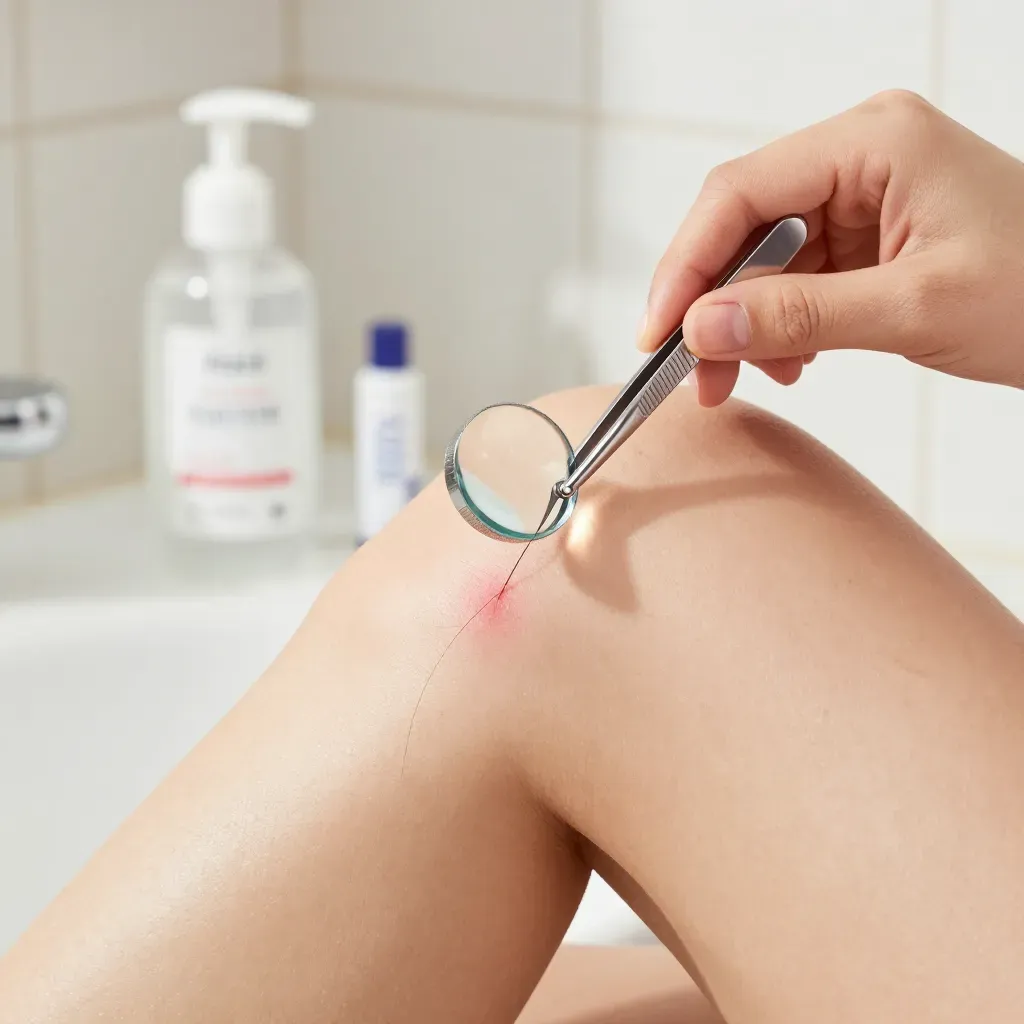
What tools do I need for safe ingrown hair removal at home? | You need sharp clean pointed tweezers, a magnifying mirror, sterile needle or fine-tipped probe, antiseptic, and moisturizer or antibiotic ointment. |
How do I prevent ingrown hairs after shaving? | Exfoliate 2-3 times weekly, use a sharp single-blade razor, shave in the hair growth direction, and wear loose breathable clothing. |
When should I see a doctor for an ingrown hair? | Seek medical help immediately if you notice increasing redness, swelling, pus, red streaks spreading, fever, or severe pain that worsens. |
What long-term solutions exist for frequent ingrown hairs? | Laser hair removal targets follicles to stop regrowth, while at-home IPL devices can reduce hair density over time. |
Why are ingrown hair removal videos so popular on YouTube? | Viewers experience psychological satisfaction from watching problems resolved, plus these videos provide educational content and ASMR-like sensory appeal. |
Why Ingrown Hair Removal Videos Are So Popular on YouTube
Ingrown hair removal videos have become a massive phenomenon on YouTube, with the most-watched video in this category reaching an astonishing 36 million views. These videos attract viewers for several key reasons.
The Psychological Satisfaction Factor
Humans naturally find relief in watching problems resolved. When an embedded hair finally emerges after minutes of careful extraction, viewers experience a rush of satisfaction. This "resolution payoff" triggers dopamine release, creating a addictive viewing experience. The before-and-after transformation provides closure that resonates deeply with viewers.
Educational Value
Many YouTube creators in this space are licensed dermatologists or skincare professionals who use these videos to teach proper extraction techniques. Viewers learn how to identify ingrown hairs, when to attempt home removal, and when to seek professional help. This educational component transforms entertainment into practical knowledge.
ASMR and Sensory Appeal
The sounds of extraction—the gentle pops, the careful snipping, the visual reveal—create ASMR-like sensations that many viewers find incredibly soothing. The intimate, precise nature of the work appeals to viewers who enjoy slow, detailed content.
Content Variety
- Extraction videos featuring deep embedded hairs
- Dermatologist tutorials on safe removal
- Before and after transformations
- Medical case studies
- Compilations of "best pops" from multiple creators
The platform serves everyone from those seeking entertainment to individuals dealing with their own ingrown hair struggles who need guidance.
Top Types of Ingrown Hair Removal Content on YouTube
YouTube hosts diverse content catering to different viewer needs. Understanding the main video types helps you find what you're looking for.
Extraction Videos
The most popular category features close-up extraction of embedded hairs. These videos range from simple single-hair removals to complex procedures involving deeply trapped hairs that have grown several inches long. Channels like Dr. Pimple Popper have built massive audiences on this content.
Educational Dermatology Content
Licensed dermatologists share professional guidance on safe removal techniques. These videos explain proper tools, sterilization methods, and step-by-step processes. Viewers learn when it's safe to attempt removal themselves and when to visit a professional.
Treatment and Aftercare Guides
Beyond extraction, creators focus on treating existing ingrown hairs and preventing future ones. Content covers warm compress application, proper exfoliation techniques, and skincare routines to minimize recurrence.
Medical Case Studies
More advanced content showcases severe cases requiring medical intervention. These videos document infected cysts, recurring ingrown hairs, and complications that demand professional treatment.
Content Breakdown
Content Type | Primary Audience |
|---|---|
Simple Extractions | Entertainment seekers |
Dermatologist Tutorials | Those seeking guidance |
Prevention Content | Proactive viewers |
Medical Case Studies | Healthcare professionals, curious viewers |
Each category serves different purposes—from pure entertainment to practical skincare education.
How to Safely Remove Ingrown Hairs at Home
Preparation is Critical
Never attempt removal on inflamed or infected skin. Start with a warm compress for 5-10 minutes to soften skin and open the pore. This reduces pain and makes the hair easier to grasp. Clean the area thoroughly with an antiseptic like alcohol or witch hazel.
Tools You Need
- Sharp, clean pointed tweezers
- Magnifying mirror
- Sterile needle or fine-tipped probe (for loop technique)
- Antiseptic (alcohol, povidone-iodine)
- Moisturizer or antibiotic ointment
Safe Step-by-Step Technique
- Locate the hair loop. Use a magnifier. Find where hair emerges or curls under skin.
- Loosen the skin. Gently nudge skin away from hair with needle probe. Never dig downward.
- Grasp the hair base. Use tweezers to grab hair as close to skin as possible.
- Pull steady and straight. Pull in the direction of hair growth with firm, even pressure. Do not yank.
- Clean and soothe. Apply antiseptic. Use a cool compress to reduce inflammation. Moisturize.
Safe vs. Risky Methods
Do This | Never Do This |
|---|---|
Use sterilized tools | Use unsterilized or rusty tools |
Pull gently in growth direction | Dig deep or pick at skin |
Stop if you can't easily see hair | Try to remove hair you can't clearly see |
Treat only one or two hairs per session | Attempt to clear a large area at once |
Apply antiseptic after | Ignore signs of infection |
When Home Removal Fails
Stop if you encounter significant resistance. Forcing removal causes more trauma, increasing risk of scarring and infection. Deep cysts or recurring ingrowns require a dermatologist. They can perform sterile extractions or prescribe treatments.
Prevention Tips to Avoid Ingrown Hairs
Exfoliate Regularly and Correctly
Remove dead skin cells 2-3 times weekly. Use a gentle chemical exfoliant with salicylic acid or glycolic acid for the pubic area. Physical scrubs can be too abrasive. Exfoliate before and after hair removal to free trapped hairs.
Perfect Your Hair Removal Technique
Shaving is the biggest cause. Always use a sharp, clean razor. Shave in the direction of hair growth only. Never stretch skin taut. Use a shaving gel designed for sensitive areas. Consider alternatives like depilatory creams or professional waxing. For long-term prevention, laser hair removal targets the follicle to stop regrowth.
Post-Removal Skincare Routine
- Rinse with cool water immediately after.
- Pat dry—don't rub.
- Apply a fragrance-free moisturizer with aloe or ceramides.
- Use a product with tea tree oil for its antibacterial properties.
- Avoid tight clothing for 24-48 hours.
Clothing and Lifestyle Choices
Wear loose-fitting underwear and pants. Tight fabrics trap hairs against skin. Synthetic materials cause friction. Opt for breathable cotton. After workouts, change out of damp clothes immediately. Moisture softens skin and hairs, increasing ingrown risk.
Prevention Checklist
Do This | Avoid This |
|---|---|
Exfoliate 2-3x weekly | Over-scrub or use harsh beads |
Shave with a sharp, single-blade razor | Dull, multi-blade razors |
Shave in hair's natural direction | Pulling skin or shaving against grain |
Moisturize daily with non-comedogenic lotion | Heavy oils or fragranced creams |
Wear breathable, loose clothing | Tight spandex or synthetic fabrics |
Consider Long-Term Solutions
If ingrown hairs are frequent, explore professional options. At-home IPL devices can reduce hair density over time. A dermatologist can prescribe retinoids to prevent follicle blockage or discuss electrolysis for permanent removal.
When to Seek Professional Medical Help
Signs of Infection
See a doctor immediately if you notice these symptoms around an ingrown hair:
- Increasing redness, swelling, or warmth
- Pus or yellow discharge
- Red streaks spreading from the area
- Fever or chills
- Severe, throbbing pain that worsens
These indicate a bacterial infection like folliculitis that may require antibiotics.
Complications Requiring a Dermatologist
Do not attempt home removal for these conditions:
Condition | Professional Treatment Needed |
|---|---|
Large, firm cyst (sebaceous cyst) | Sterile incision and drainage |
Deeply embedded hair you cannot see | Professional extraction with specialized tools |
Scarring or hyperpigmentation from repeated ingrowns | Prescription treatments (retinoids, steroids) |
Chronic, recurrent ingrown hairs in same spot | Evaluation for underlying cause; laser hair removal may be recommended |
When Other Specialists Are Needed
- Urgent Care/Emergency Room: For rapidly spreading infection (cellulitis) or systemic symptoms.
- Gynecologist or Urologist: For severe, recurrent ingrowns in the genital area, especially if linked to other conditions.
- Immunologist: If you have frequent skin infections and an underlying immune condition.
People with diabetes, peripheral vascular disease, or compromised immune systems should consult a doctor early for any skin infection.
Preventive Professional Consultations
Consider a dermatologist visit even without an active problem if:
- You get ingrown hairs frequently after any hair removal method.
- You have very curly or coarse hair across large body areas.
- You are considering long-term hair removal solutions to prevent future ingrowns.
- You notice unusual skin changes (persistent bumps, discoloration).
A professional can diagnose if your issue is truly ingrown hairs or another condition like pseudofolliculitis barbae or hidradenitis suppurativa.