
Table of Contents
Ingrown scalp hairs occur when shaved or broken hairs curl back into the skin, triggered by curly hair, improper shaving, dead skin blockage, or friction. Identify them as small, red, tender bumps, often with a visible hair loop, on areas like the nape or hairline. Treat at home with warm compresses, gentle exfoliation using salicylic acid, and careful tweezer extraction for surface hairs. Prevent by shaving with the grain using sharp razors, regular scalp exfoliation, and avoiding tight headwear. Seek medical help for infection signs such as pus, spreading redness, or fever. Maintain long-term scalp health with consistent exfoliation, non-comedogenic moisturizers, and proper shaving habits to avoid recurrence.
Question | Answer |
|---|---|
What causes ingrown hairs on the scalp? | Ingrown scalp hairs are caused by curly or coarse hair, shaving against the grain, dead skin cell buildup, and friction from tight headwear. |
How do you identify an ingrown hair on the scalp? | Look for small, red or skin-colored bumps that are firm and tender, often with a visible hair loop, commonly on the nape or hairline. |
What are safe home treatments for ingrown scalp hairs? | Apply warm compresses, gently exfoliate with salicylic acid, and use sterile tweezers to extract visible hair loops without digging. |
How can ingrown hairs on the scalp be prevented? | Prevent by shaving with a sharp razor in the direction of hair growth, using salicylic acid shampoo for exfoliation, and avoiding tight hats or helmets. |
When should you see a doctor for an ingrown hair? | See a doctor if there are signs of infection like pus, spreading redness, severe pain, or if home treatment fails after a few days. |
What causes ingrown hairs on the scalp and how to identify them.
Primary Causes
Ingrown scalp hairs occur when a shaved or broken hair tip curls back into the skin instead of growing outward. Key triggers include:
- Hair Type: Naturally curly, coarse, or thick hair is more prone to bending back into the follicle.
- Shaving Technique: Shaving against the grain, using a dull razor, or shaving too closely increases risk.
- Dead Skin Buildup: Accumulated dead skin cells can block the hair follicle opening, forcing the hair to grow sideways.
- Friction: Tight hats, helmets, or frequent rubbing irritates the scalp and can push hairs back under the skin.
Identification Tips
Recognizing an ingrown hair early prevents infection. Look for these signs:
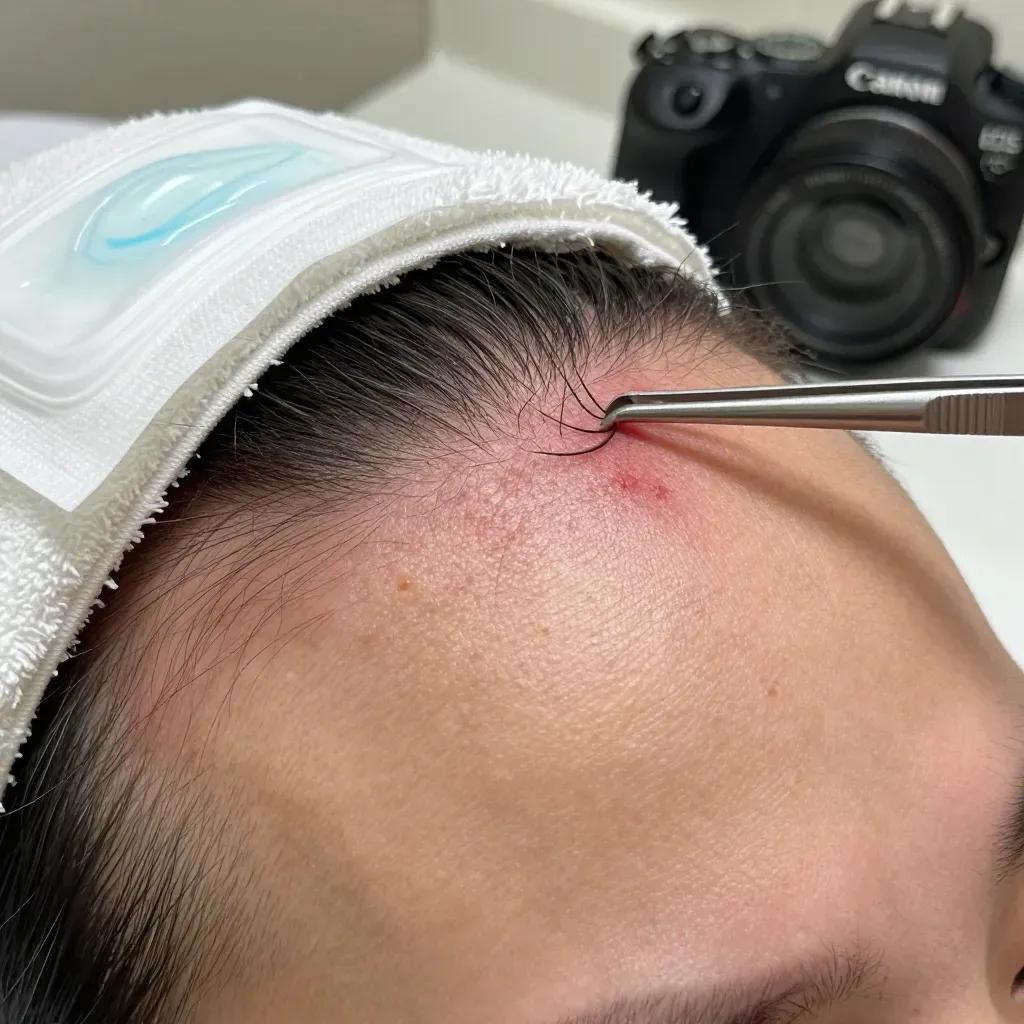
- Visual Bumps: Small, red, brown, or skin-colored raised spots. A trapped hair may form a visible loop or "S" shape under the skin surface.
- Texture: Bumps can feel like a pimple but are often firmer and more tender to the touch.
- Location: Commonly appears on the nape of the neck, crown, or along the hairline—areas frequently shaved or irritated by clothing.
- Symptoms: Itching, mild pain, or a stinging sensation around the bump. Infected ingrowns may become more swollen, filled with pus, and increasingly painful.
Risk Factor Comparison
Risk Factor | Impact on Scalp | Prevention Adjustment |
|---|---|---|
Curly/Coarse Hair | Hair naturally grows in a curved path, increasing likelihood of re-entering skin. | Consider longer clipper guards; avoid the closest shave setting. |
Frequent Shaving | Short stubble has sharper tips that can more easily pierce the skin. | Extend time between shaves; use electric clippers instead of a blade. |
Dry Skin | Flaky skin blocks follicle openings. | Exfoliate gently 2-3 times weekly and use a non-comedogenic moisturizer daily. |
Tight Headwear | Constant friction causes inflammation and redirects hair growth. | Wear looser hats; take breaks from tight helmets or headbands. |
Step-by-step home treatments to safely remove ingrown scalp hairs.
Initial Preparation
Before any extraction, soften the hair and skin to reduce trauma. Apply a warm, moist compress to the affected area for 5-10 minutes. This opens pores and loosens the hair. Follow with gentle exfoliation using a soft washcloth or a scalp scrub containing salicylic acid to remove dead skin cells blocking the follicle.
Safe Extraction Methods
If the hair tip is visible and looped, use sterile, pointed-tip tweezers. Disinfect both the tweezers and your skin with rubbing alcohol. Gently lift the hair loop by sliding the tweezer tips under the exposed curve. Never dig or break the skin. For deeply embedded hairs, do not force extraction; instead, continue with warm compresses and exfoliation to encourage natural release.
Topical Treatments
After extraction or for non-visible ingrowns, apply targeted topicals. Use a cotton swab to apply a salicylic acid or glycolic acid treatment directly to the bump. These ingredients exfoliate chemically, freeing the hair. For inflammation, a thin layer of a hydrocortisone 1% cream can reduce redness and swelling. Avoid heavy oils or ointments that can clog follicles.
Post-Treatment Care
Keep the area clean and dry. Wash gently with an antimicrobial shampoo like one containing tea tree oil. Do not shave over the treated area for at least 3-5 days. Continue gentle exfoliation daily to prevent recurrence. Monitor for signs of infection: increasing pain, pus, or spreading redness.
Treatment Comparison & Suitability
Method | Best For | Frequency | Caution |
|---|---|---|---|
Warm Compress & Exfoliation | Early-stage, non-pustular bumps | 2-3 times daily | Use gentle pressure; do not scrub raw. |
Sterile Tweezer Extraction | Visible hair loop near surface | As needed, once per bump | Only if hair is easily accessible. Do not dig. |
Salicylic Acid Treatment | Preventing and treating minor bumps | Once or twice daily | May cause dryness; follow with non-comedogenic moisturizer. |
Hydrocortisone Cream | Red, inflamed, non-infected bumps | Once daily for up to 3 days | Not for broken skin or infection. Prolonged use thins skin. |
Proven prevention strategies to reduce ingrown hairs on the scalp.
Shaving Smarter
Change your shaving approach to reduce follicle trauma. Always wet the scalp with warm water or shampoo before shaving to soften hair. Use a lubricating shave gel or cream. Choose a sharp, single-blade razor over multi-blade systems. Shave in the direction of hair growth, never against it. Leave stubble slightly longer by using clipper guards set to a minimum 2mm length.
Scalp Hygiene and Exfoliation
Dead skin cells clog follicles and force hairs sideways. Incorporate gentle chemical exfoliation into your routine. Use a salicylic acid shampoo 2-3 times weekly. Between washes, massage the scalp with a sugar or salt scrub to dislodge buildup. Rinse thoroughly and follow with a light, non-comedogenic moisturizer.
Equipment and Products
- Razors: Replace blades after 5-7 shaves. Dull blades tug and tear rather than cut cleanly.
- Shaving Direction: Always shave with the grain, especially on sensitive areas like the nape.
- Post-Shave Care: Apply an alcohol-free, soothing after-shave balm or an aloe vera-based moisturizer.
- Clippers: Electric clippers reduce close contact and are gentler on the follicle.
Lifestyle Adjustments
Minimize friction from hats, helmets, and headbands. Allow the scalp to breathe between wear. Wash scalp daily to reduce bacteria and oil buildup. Avoid heavy hair products that can coat the scalp and trap hairs.
Prevention Routine Checklist
Action | Frequency | Purpose |
|---|---|---|
Warm water pre-shave | Every shave | Softens hair, opens pores |
Sharp, single-blade razor | Replace every 5-7 uses | Clean cut, less trauma |
Shave with grain | Every shave | Prevents hair curling back |
Salicylic acid shampoo | 2-3 times weekly | Exfoliates, prevents buildup |
Alcohol-free moisturizer | After each shave | Soothes, hydrates skin |
Minimize tight headwear | Daily | Reduces friction and irritation |
Signs of infection and when to consult a healthcare provider.
Symptoms of an Infected Ingrown Hair
An ingrown hair becomes infected when bacteria enter the irritated follicle. Key signs include:
- Increased Pain and Tenderness: The bump becomes significantly more painful, throbbing, or sensitive to touch.
- Pus Formation: A visible white or yellow tip (pustule) appears at the center of the bump.
- Spreading Redness: Red streaks or a diffuse red area extending from the bump, indicating possible cellulitis.
- Swelling and Warmth: The surrounding skin feels warm and looks more swollen than a typical ingrown hair bump.
- Fever or Malaise: In severe cases, a low-grade fever, chills, or a general feeling of illness may occur.
When to Seek Medical Attention
Consult a healthcare provider promptly if you observe any of the following:
- Signs of infection listed above, especially spreading redness or pus.
- Severe pain that is not relieved by over-the-counter pain relievers.
- No improvement after 3-4 days of consistent home treatment.
- Repeated or multiple infected ingrown hairs.
- Development of a fever (temperature over 100.4°F or 38°C).
What to Expect at the Doctor's Office
A dermatologist or primary care provider may:
- Drain the pus from a pustule using a sterile instrument.
- Prescribe a topical antibiotic ointment (e.g., mupirocin) for mild localized infection.
- Prescribe oral antibiotics if the infection is more extensive or if there is cellulitis.
- Use a sterile scalpel to make a tiny incision and free the trapped hair if it is deeply embedded.
- In cases of recurrent severe ingrown hairs (pseudofolliculitis barbae), discuss long-term solutions like laser hair removal.
Symptom Severity Comparison
Mild Ingrown Hair (No Infection) | Infected Ingrown Hair | Action Required |
|---|---|---|
Small, firm bump; skin-colored or red | Large, soft, pus-filled pustule | Home care vs. Medical evaluation |
Tender to touch, mild itching | Severe pain, throbbing, significant warmth | Home care vs. See doctor immediately |
No spreading redness | Red streaks or diffuse redness (cellulitis) | Monitor vs. Seek urgent care |
Hair tip may be visible as a loop | Hair buried under pus | Gentle exfoliation vs. Professional extraction |
Improves within 1-2 weeks | Worsens after 48-72 hours or no improvement | Continue routine vs. Schedule appointment |
Long-term scalp care tips for smooth, irritation-free skin.
Daily Exfoliation Routine
Prevent follicle blockage by removing dead skin cells. Use a chemical exfoliant 2-3 times weekly. A shampoo with 2% salicylic acid dissolves sebum and keratin plugs without abrasive scrubbing. For physical exfoliation, use a soft scalp brush or a sugar scrub in gentle circular motions during shampooing. Avoid harsh scrubbing which can cause micro-tears and more inflammation.
Non-Comedogenic Moisturization
A hydrated scalp maintains a healthy barrier. Apply a lightweight, oil-free moisturizer after washing. Look for non-comedogenic labels to ensure pores won't clog. Ingredients like hyaluronic acid or glycerin provide hydration without heaviness. For very dry scalps, a pea-sized amount of pure aloe vera gel works well. Avoid petroleum jelly, coconut oil, and heavy pomades that can trap hairs.
Shaving Protocol Maintenance
If you shave your scalp, consistency in technique is critical. Always use a sharp, single-blade razor. Shave only in the direction of hair growth after a warm shower or with a warm, damp towel on the scalp for 2 minutes. Never stretch the skin taut. Follow with an alcohol-free, soothing after-shave product containing ingredients like witch hazel or niacinamide to calm inflammation.
Product and Habit Selection
- Shampoos: Choose sulfate-free formulas. Rotate with a clarifying shampoo once a month if you use heavy styling products.
- Conditioners: Apply only to hair ends, not the scalp, to avoid residue.
- Headwear: Wear hats loose enough to slip a finger between the band and your scalp. Wash hats regularly to remove sweat and bacteria.
- Pillowcases: Change weekly. Use silk or satin to reduce friction against the scalp while sleeping.
Long-Term Care Product Guide
Product Type | Recommended Ingredient | Frequency | What to Avoid |
|---|---|---|---|
Exfoliating Shampoo | Salicylic Acid (2%) | 2-3x per week | Physical beads, harsh sulfates |
Daily Moisturizer | Hyaluronic Acid, Aloe | After each wash | Comedogenic oils (coconut, wheat germ) |
After-Shave Balm | Witch Hazel, Niacinamide | After every shave | High-alcohol astringents, fragrances |
Scalp Treatment | Glycolic Acid (5%) | 1x per week (alternate with salicylic) | Overuse; can cause dryness |